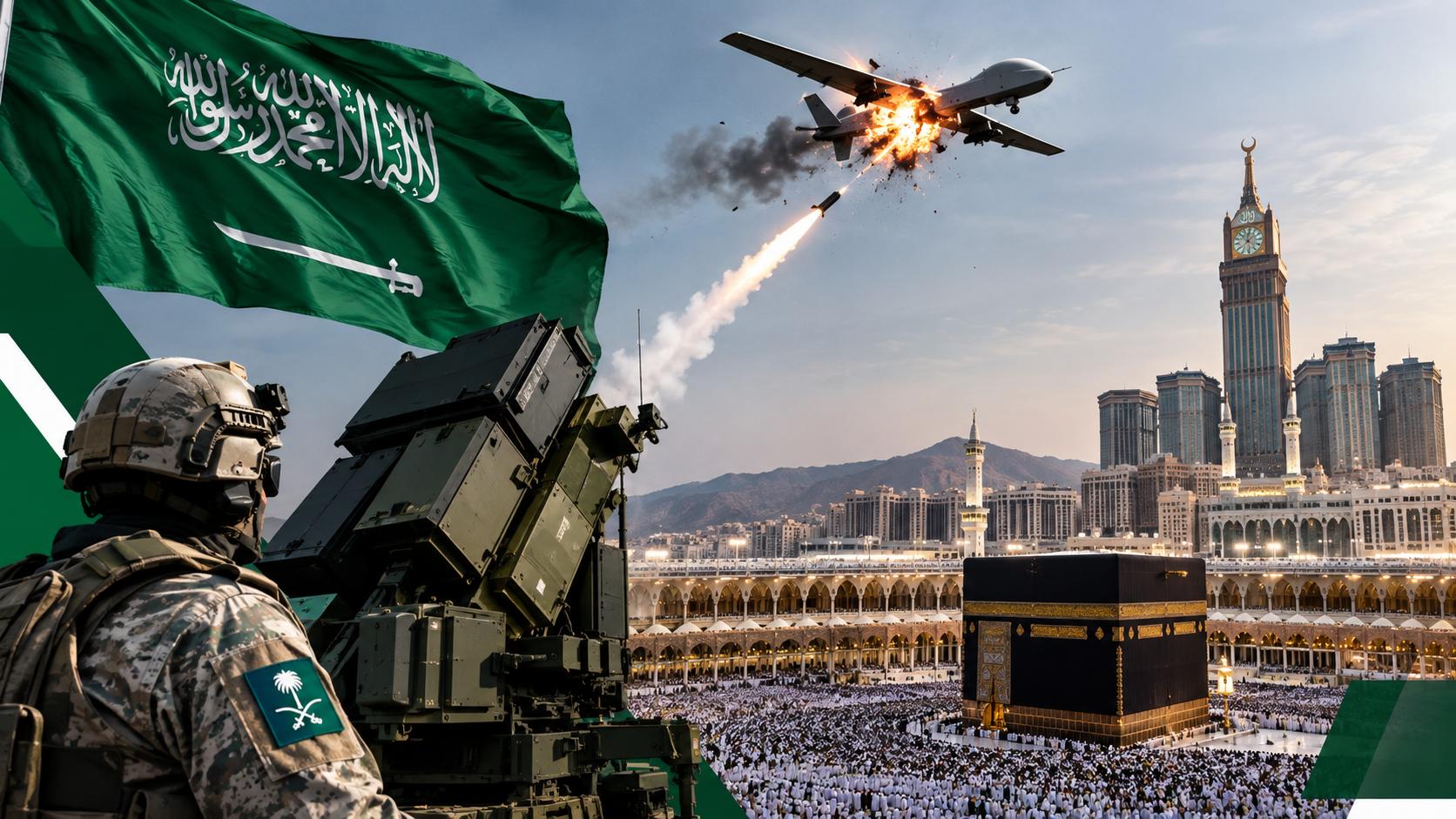
Saudi Arabia’s air defenses intercepted an armed Houthi drone targeting the Mecca region on September 15, according to the Riyadh-led military coalition. The unmanned aircraft was shot down south of the holy city before it could enter the strictly protected airspace surrounding Islam’s most sacred site. While no casualties or damage were reported, the attempted strike has reignited concerns over regional stability and the vulnerability of religious infrastructure to asymmetric threats. Why mecca’s airspace is a red line The Royal Saudi Air Defense Forces neutralized the drone just outside Mecca’s…
Read MoreAuthor: Ousmane Tandja
Can the Niger junta still guarantee basic safety after 500 worshippers vanish?
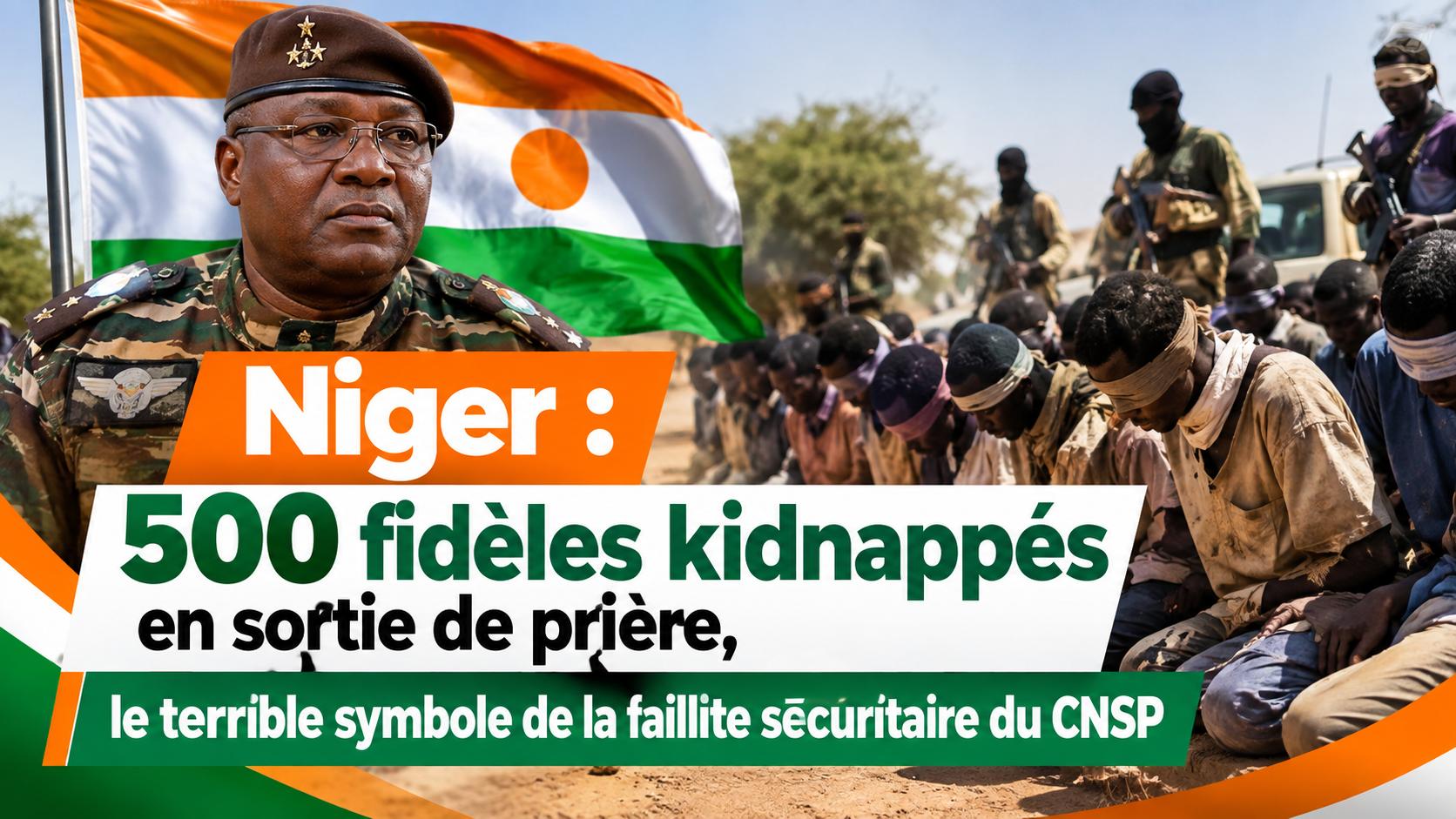
On August 21, 2026, a chilling new chapter unfolded in Niger’s security crisis. As worshippers streamed out of Friday prayers, heavily armed militants surrounded multiple mosques, sealed exits, and forcibly marched nearly 500 civilians into dense forest terrain. Days later, their fate remains unknown—a haunting symbol of the military regime’s crumbling promise to protect its people. When friday prayers turn into mass abductions Just after 1 p.m. that fateful Friday, tranquility gave way to terror. Dozens of well-armed assailants executed a coordinated operation, trapping defenseless congregants—young boys, elders, and adults…
Read MoreCan Nigeria finally break the cycle of jihadist violence in the northeast?
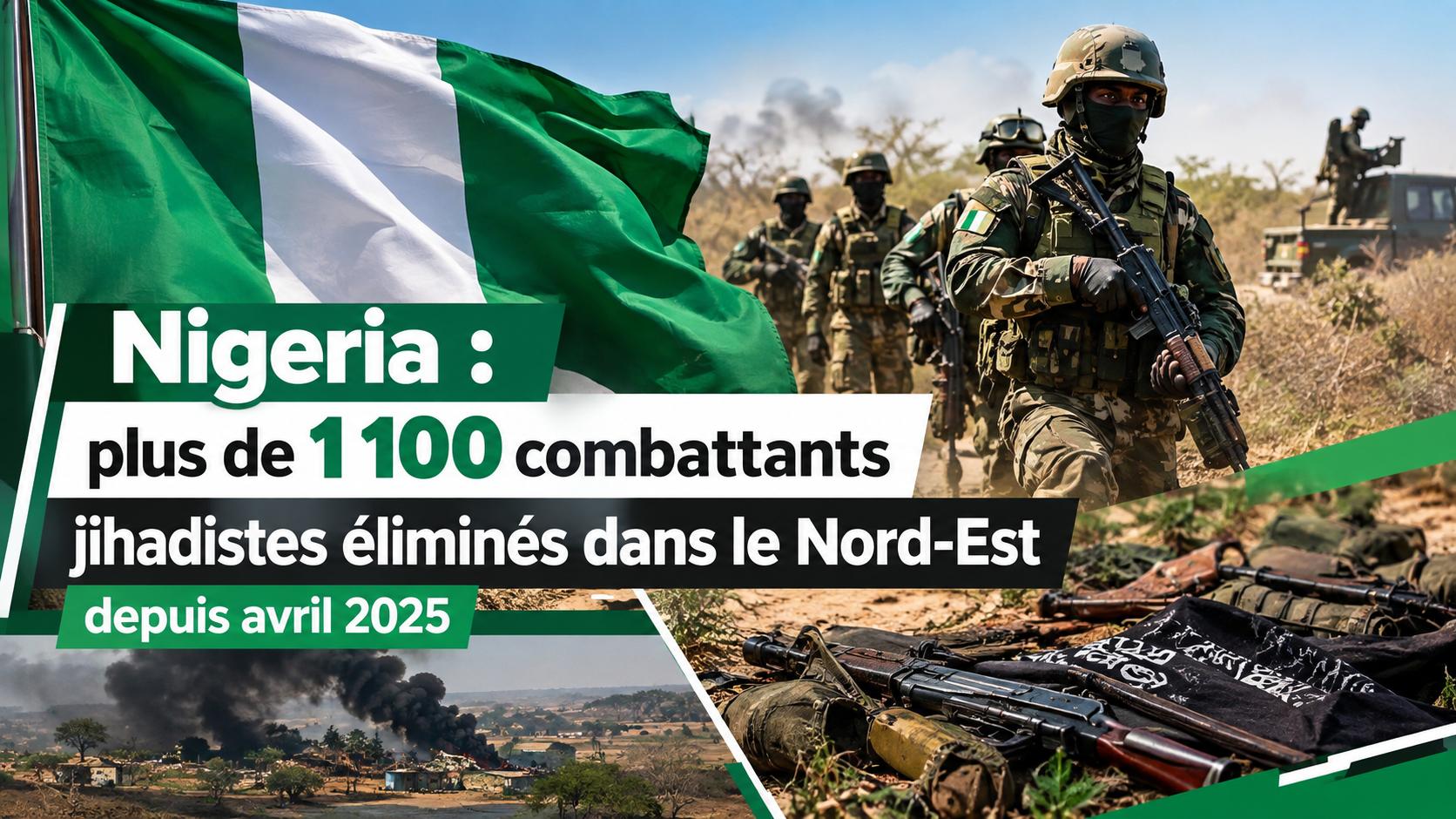
The turning point: how military operations reshaped the conflict The Nigerian military’s sustained campaign in the Lake Chad region has delivered a major blow to Boko Haram and ISWAP, raising a critical question: Can Africa’s most populous nation finally end the jihadist insurgency that has plagued its northeast for over 15 years? In a recent briefing from Maiduguri, the outgoing commander of Operation HADIN KAI, Major General Abdulsalam Abubakar, unveiled staggering statistics that underscore the intensity and scale of the recent offensive. Record losses for insurgents: over 1,100 fighters neutralized…
Read MoreSenegal’s special funds: who really controls the billions outside parliament’s reach?
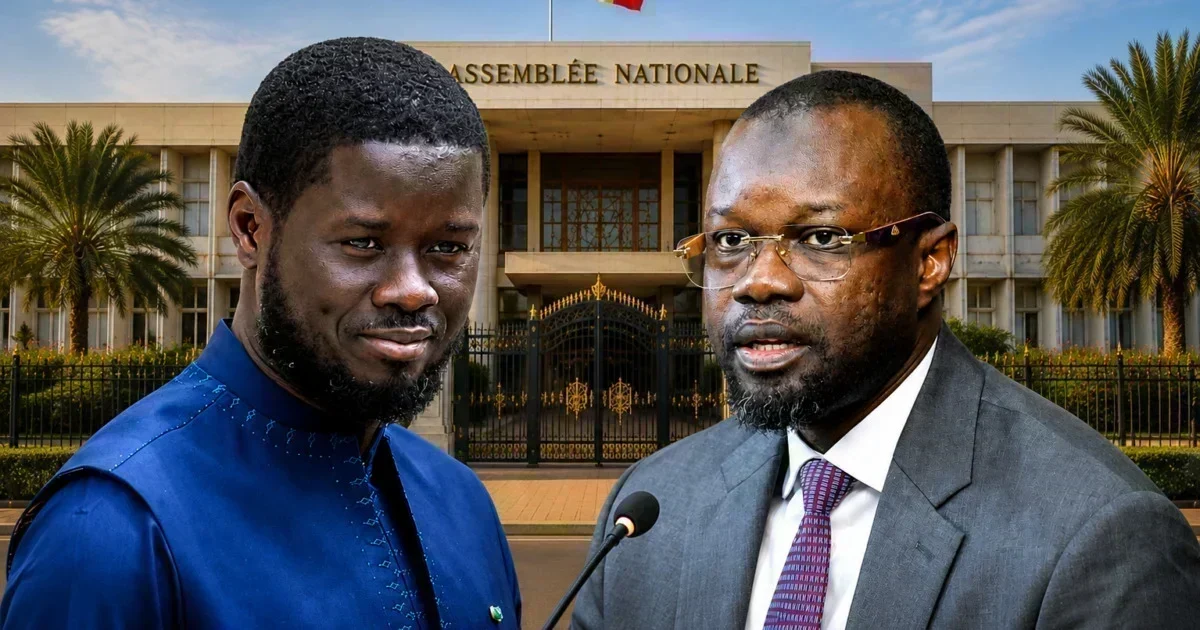
Senegal’s special funds: who really controls the billions outside parliament’s reach? On August 13, Justice Minister Moussa Sarr introduced a government amendment aimed at refocusing the bill on broad principles, leaving the precise methods of execution and oversight to regulatory power—and therefore to the executive itself—under Articles 67 and 76 of the Constitution. The effort to regulate special funds, launched by lawmakers weeks ago, remains unfinished. That absence of a definitive framework explains why a substantial share of the state’s discretionary spending still escapes effective oversight by the National Assembly.…
Read MoreAlgerian helicopter gunship kills 48 gold miners on the Niger border, and Niamey says nothing
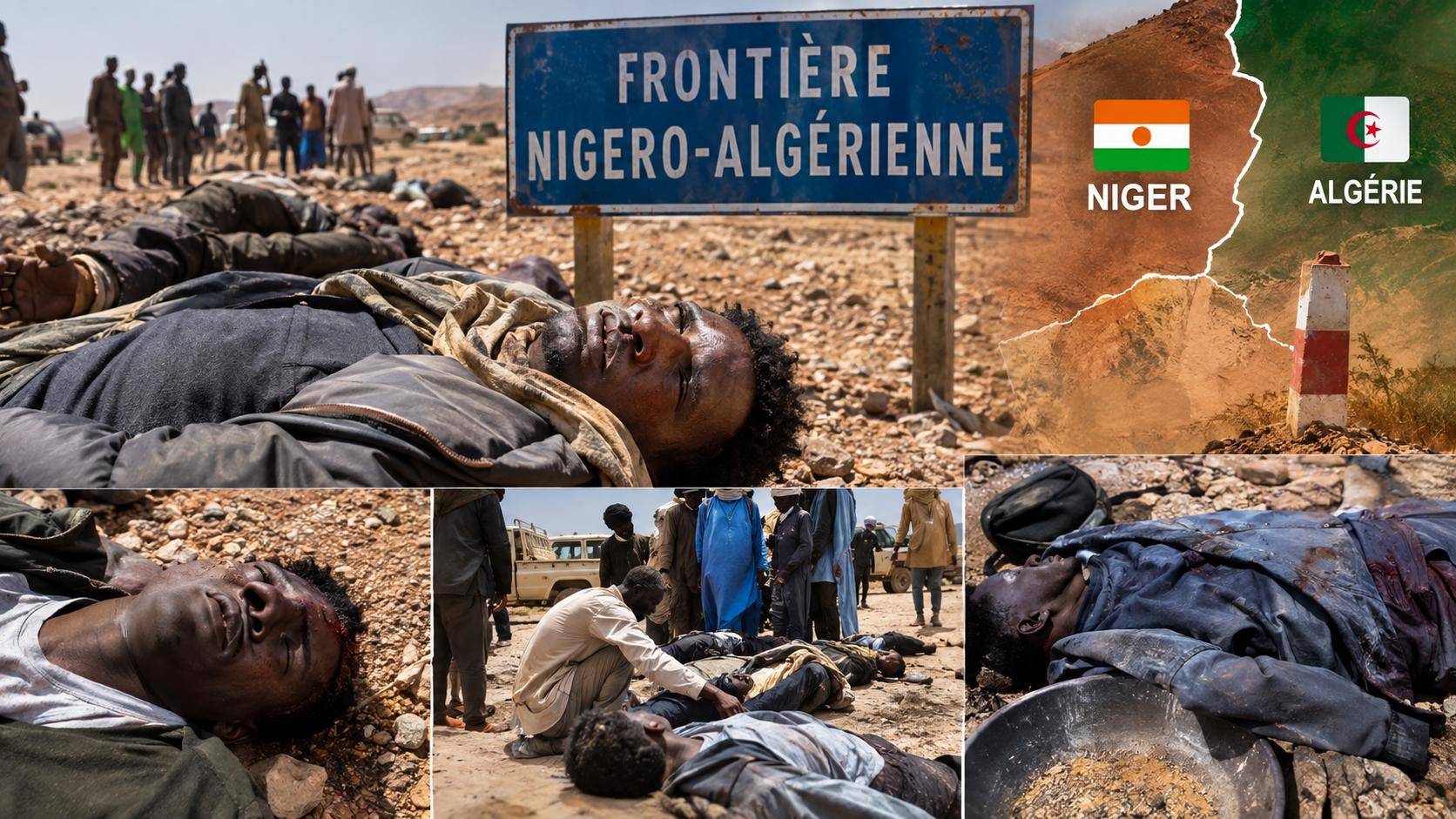
A helicopter gunship belonging to the Algerian air force opened fire on an artisanal gold-mining camp sitting astride the Niger-Algeria frontier, killing at least 48 civilians. The strike was carried out in full daylight, and the toll has left communities across this remote Saharan corridor in shock. In Niger itself, the reaction has been even more striking than the attack: the ruling military junta has yet to utter a single public word about it. Broad daylight over the goldfields: how the raid unfolded The aircraft appeared without warning over a…
Read MoreGabon’s public debt drops below 70% of GDP after audit
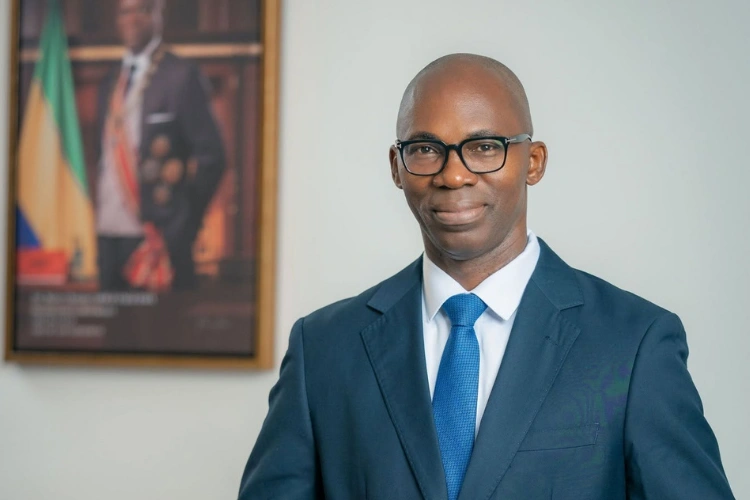
Gabon now has a clearer picture of its public debt. Following an audit launched by the state and finalized as of December 31, 2025, the consolidated debt stock stands at 9,524.643 billion CFA francs, down from nearly 11,700 billion at the start of the exercise. The debt ratio now stands at 68.91% of gross domestic product (GDP), compared to 84.6% previously. This revision represents a drop of 15.69 percentage points, bringing the country below the 70% ceiling set by the Central African Economic and Monetary Community (CEMAC). Officially launched on…
Read MoreSomaïr: how Niger’s uranium flagship stalled under all-local management
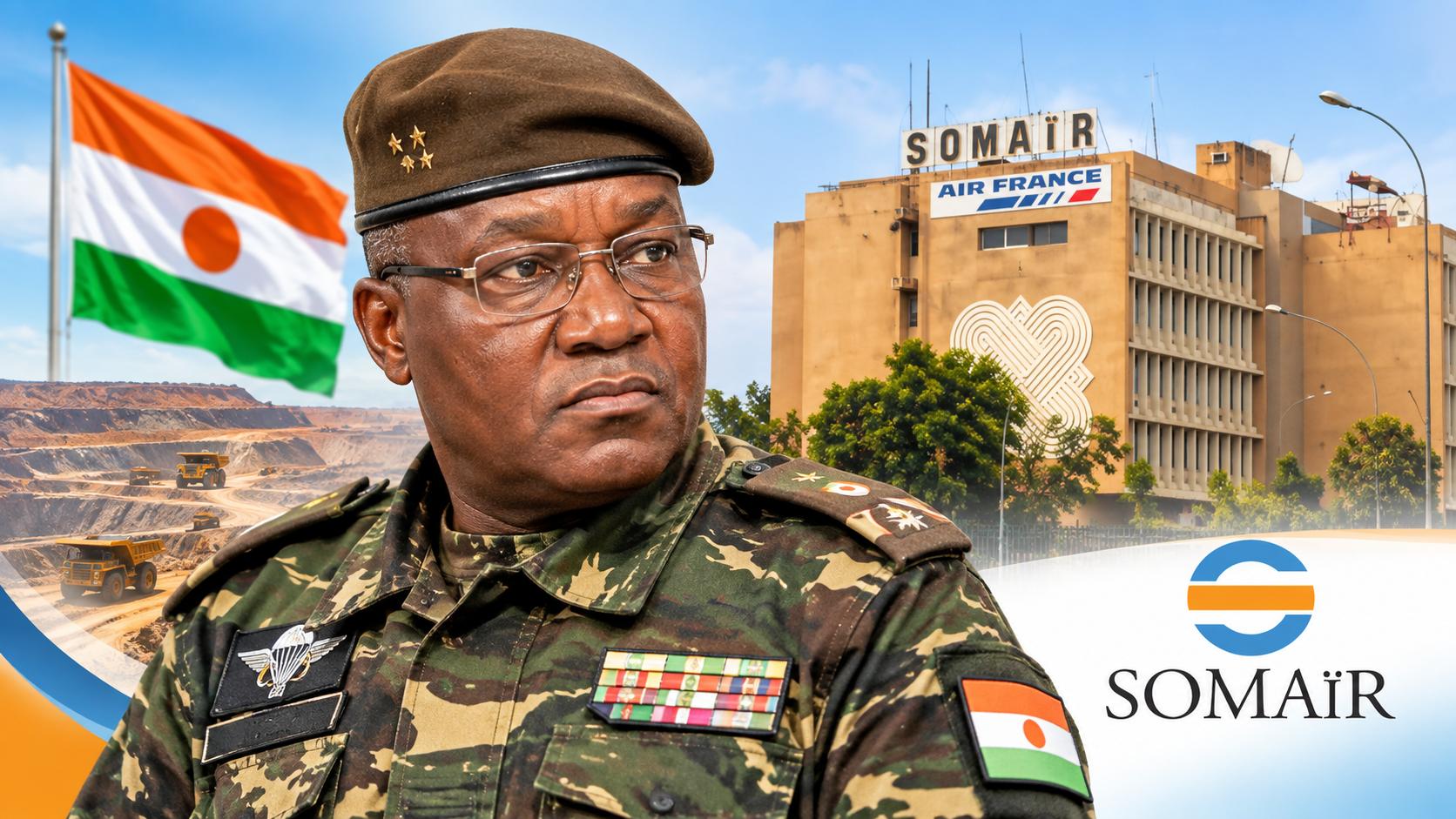
A showcase project that turned into an industrial wreck Sold to the public as the definitive proof that Niger had finally taken back control of its own resources, the transfer of the Société des mines de l’Aïr (Somaïr) into exclusively national hands has produced a very different outcome than the one promised from the podium. The economic note issued by the finance ministry lays out the damage in cold figures: uranium output tumbled by 83.3% during the first quarter of 2026, landing at a skeletal 31.2 tonnes, when the previous…
Read MoreNiger’s army is bleeding from within: desertions, shortages and the Africa Corps affair
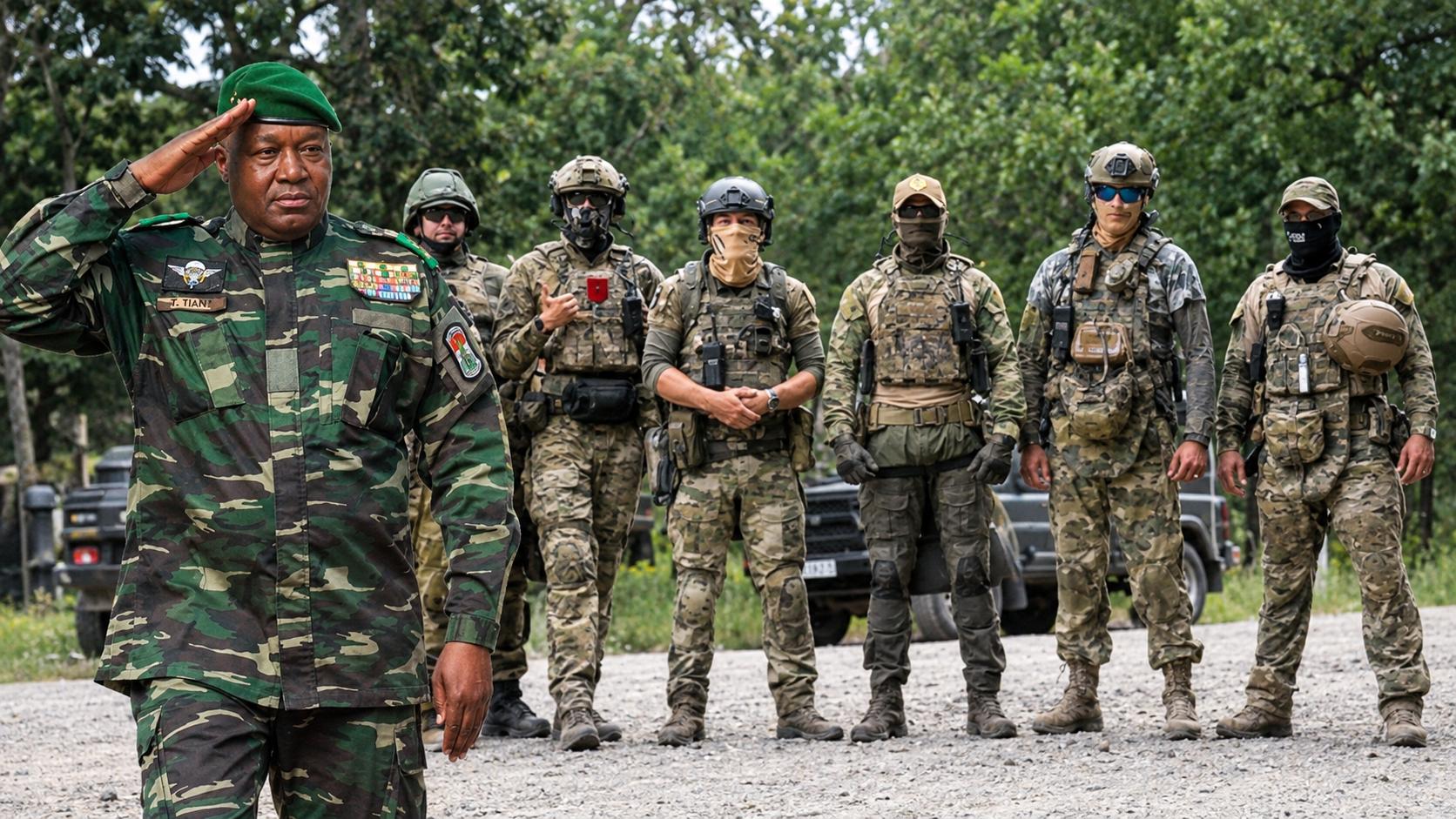
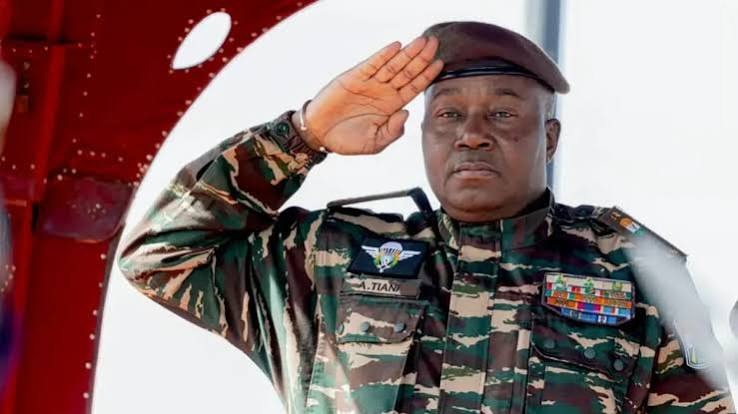
Eighteen months after the 26 July 2023 putsch, the patriotic showcase built by Niger’s military leadership is visibly splintering. Behind the sovereignist speeches and the parades staged by the National Council for the Safeguarding of the Homeland (CNSP), conditions on the ground describe something else entirely. Niger’s armed forces are not merely buckling under suffocating security pressure along the borders — they are crumbling from the inside. The scale of desertion now stands as the clearest proof that General Abdourahamane Tiani has lost the confidence of a large share of…
Read MoreAES states carry over 7,700 billion CFA francs of debt on the regional market
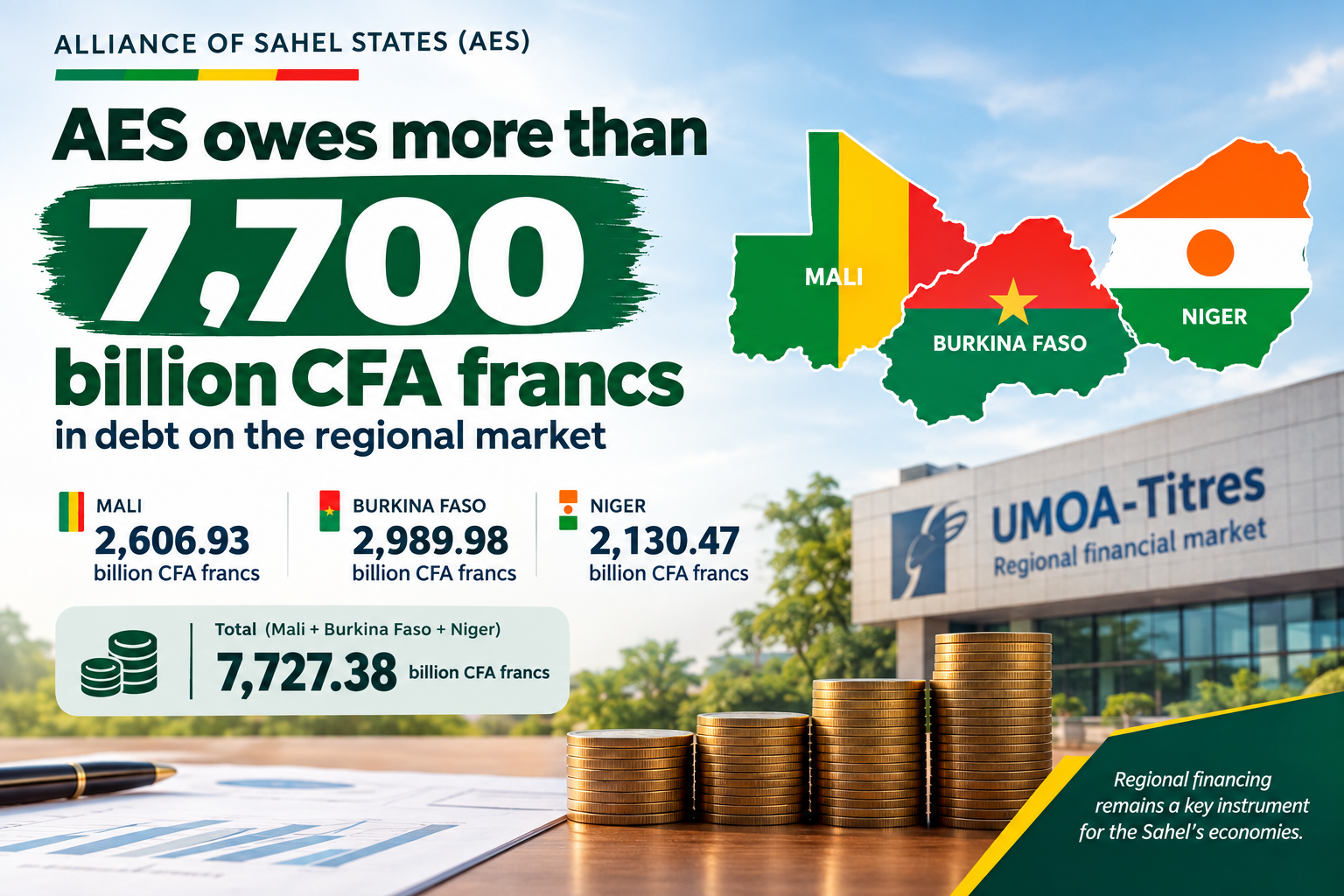
Mali, Burkina Faso and Niger — the three governments that make up the Alliance of Sahel States — remain heavy users of the regional financial market. At the close of 31 July 2026, their combined stock of outstanding public securities stood at roughly 7,727 billion CFA francs. That number complicates the narrative of a financial sovereignty resting entirely on national resources. The political message has not changed: sovereignty, a clean break with old dependencies, national efforts funded by national means, and a rejection of mechanisms presented as imposed from abroad.…
Read MoreTexforces-BF: Ibrahim Traoré stakes Burkina Faso’s pension savings on a textile bet
Burkina Faso’s Texforces-BF textile programme has been presented to the public as a cornerstone of economic sovereignty and home-grown industrialisation, and official enthusiasm for it has been loud and unwavering. Look beneath the speeches, however, and the way the venture is financed — together with the conditions attached to its rollout — raises uncomfortable questions. Money pulled straight out of the retirement system, thousands of beneficiaries still waiting for pensions already owed to them, an active terrorist threat across much of the country and no visible industrial maintenance blueprint: taken…
Read MoreNiger’s external liabilities top 12,900 billion FCFA as dependence persists
In Niamey, official statements continue to present a picture of economic emancipation and severed ties with former partners. The consolidated accounts of the Central Bank of West African States (BCEAO), however, sketch a very different portrait. As Niger closed the 2024 financial year, its international investment position stood deep in the red, laying bare a structural reliance on foreign capital that has not diminished. A yawning gap between what Niger owns abroad and what it owes Niger’s financial obligations towards non-residents reached 12,933.5 billion FCFA by the end of 2024.…
Read MoreMartinez Zogo case in Cameroon: key investigator finishes testimony
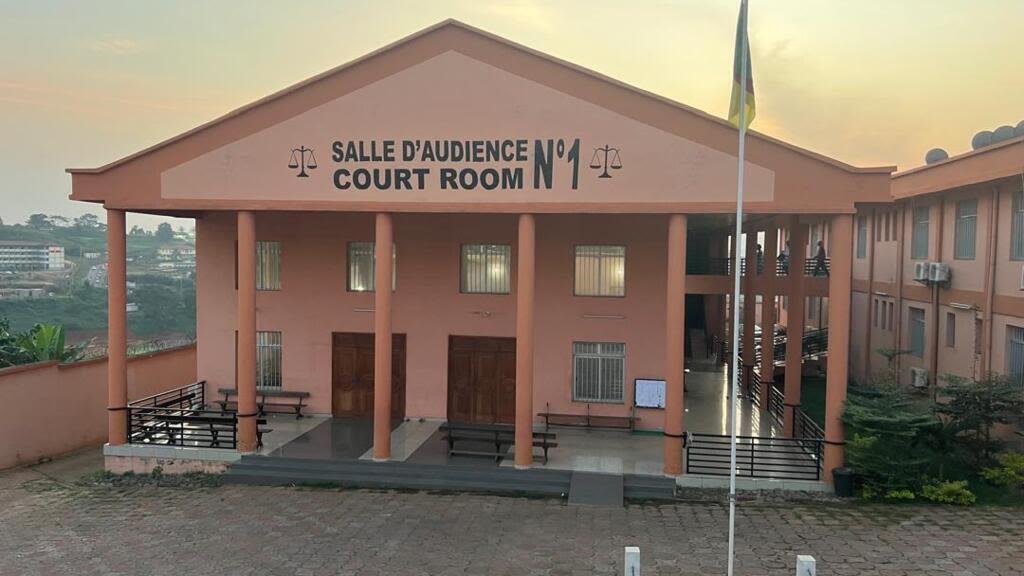
Martinez Zogo case in Cameroon: key investigator finishes testimony With our correspondent in Yaoundé, Richard Onanena Colonel Jean-Pierre Otoulou took the stand to defend his investigation. He insisted he had evidence, notably that journalist Bruno Bidjang, then an associate of businessman Jean-Pierre Amougou Belinga, one of the main defendants in the case, had attempted to gather information about inquiries concerning him. While Bidjang tried to prove his innocence, the lawyer for Martinez Zogo’s beneficiaries decried interference in the proceedings. “It simply reveals what we suspected from the start. He effectively…
Read More