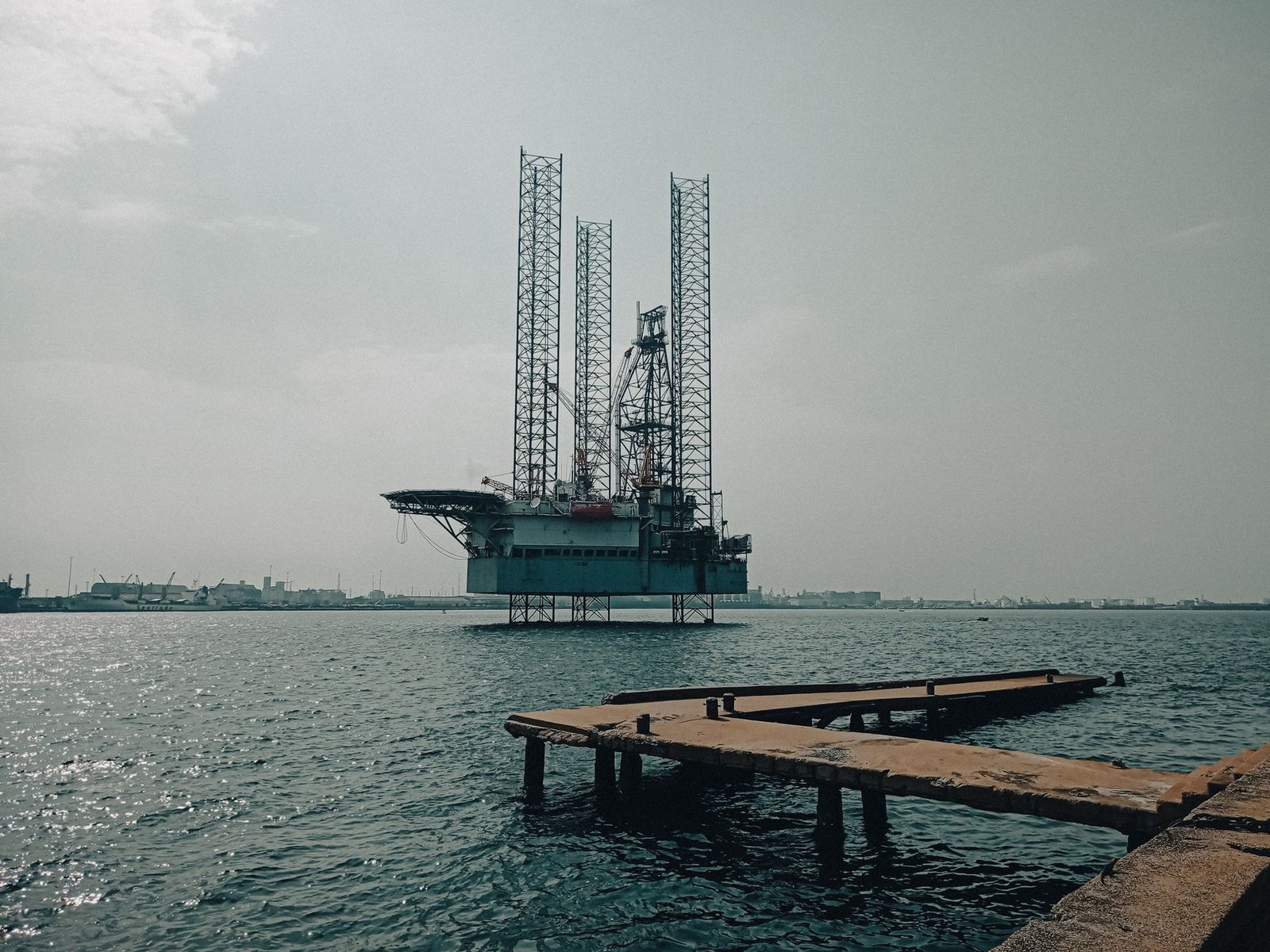
Gabonese leader Brice Oligui Nguema has taken the unusual step of publicly confronting BW Energy, the Norwegian oil company operating the country’s Dussafu offshore field, following the Prospector 5 vessel’s sinking. By personally holding the firm accountable, the transitional president is not merely addressing a maritime accident but reshaping Gabon’s relationship with foreign investors—signaling a shift toward state-led oversight of high-stakes industrial incidents. The president’s move reveals deeper shifts in Gabon’s energy governance The direct public intervention marks a clear departure from Gabon’s previous hands-off approach to hydrocarbon sector relations.…
Read MoreAuthor: Ousmane Tandja
Gabon ends social media blackout after prolonged internet restrictions
Gabon ends social media blackout after prolonged internet restrictions After more than eight months of stringent digital restrictions, Gabon has officially lifted its blanket ban on social media platforms. The decision, announced by the High Authority for Communication (HAC), marks a significant shift in the country’s online policy landscape. But what led to this prolonged isolation—and what does its reversal reveal about Gabon’s digital future? The legal and political backdrop behind the shutdown Gabon’s social media blackout, which began in February of this year, was imposed under the pretext of…
Read MoreGabon’s hidden struggles with bureaucratic inefficiency and China’s behind-the-scenes solution
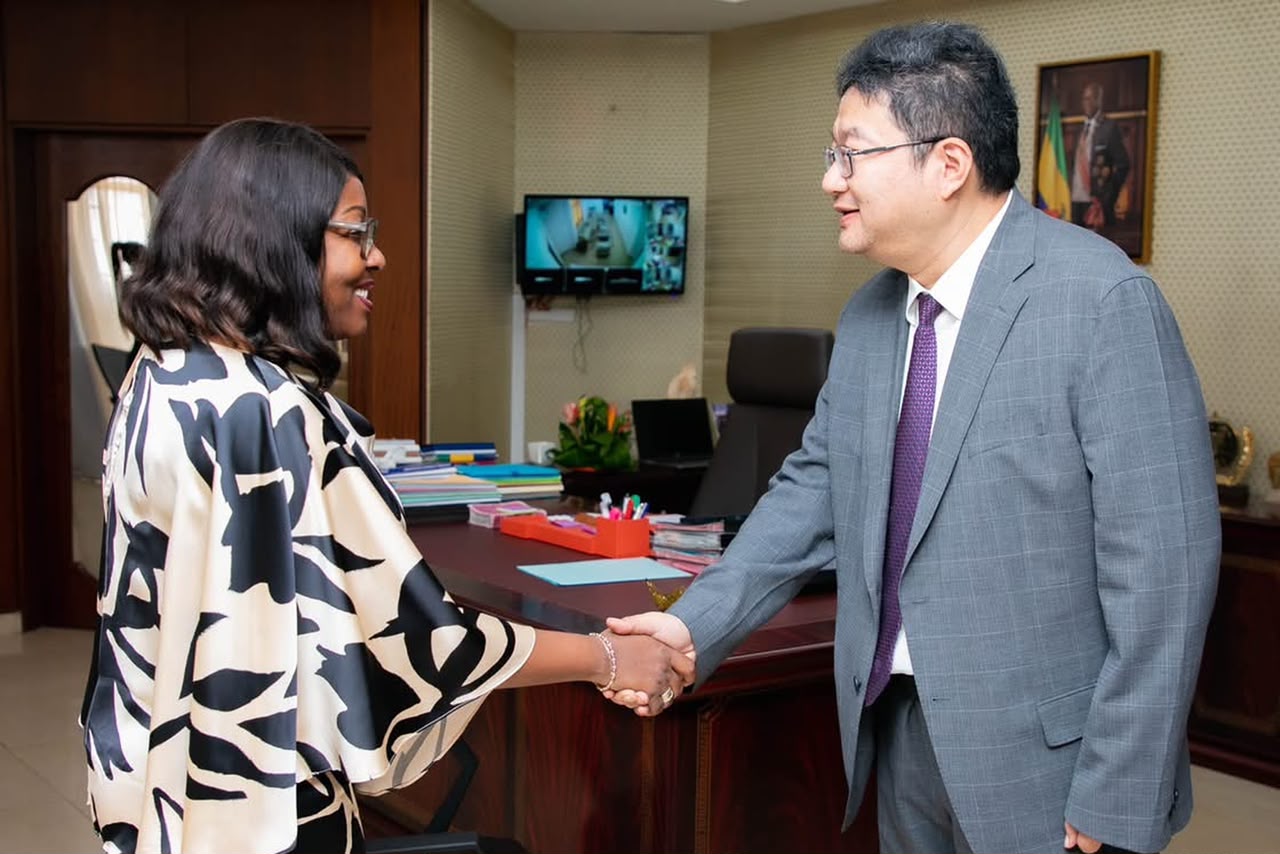
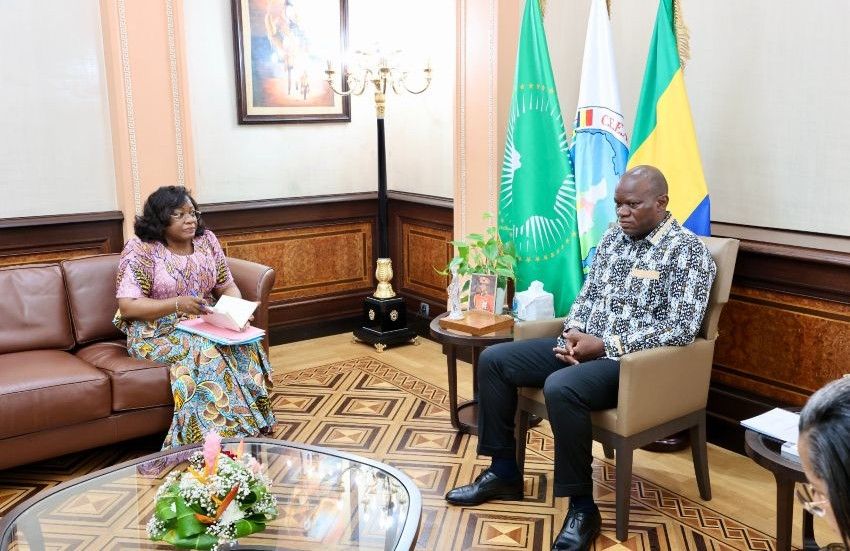
Why Gabon is turning to China for a silent revolution in public governance Behind closed doors in Libreville, a quiet but strategic shift is unfolding. On October 21, 2026, Gabon’s Minister of Public Service and Capacity Building, Laurence Ndong, welcomed China’s Ambassador to Gabon, Zhou Ping, not for another infrastructure deal, but to lay the groundwork for a behind-the-scenes overhaul of Gabonian public administration. While infrastructure cooperation has dominated headlines, this initiative signals something deeper: Gabon is seeking not just foreign funds, but tangible institutional expertise to break free from…
Read MoreBenin’s economic freedom surge: how reforms catapulted it into the global top 100
Benin has achieved a historic milestone by climbing to the 99th spot in the 2026 Global Economic Freedom Index, securing its place among the world’s top 100 for the first time. This leap also positions the nation as the 11th most economically free country in Africa, a testament to years of strategic reforms designed to stimulate private sector growth, draw foreign investment, and modernise its financial and regulatory landscape. Understanding the metrics behind economic freedom The index assesses 165 economies across 46 unique variables, all scored on a scale from…
Read MoreUkraine’s ceasefire offer sparks debate over sovereignty and next steps
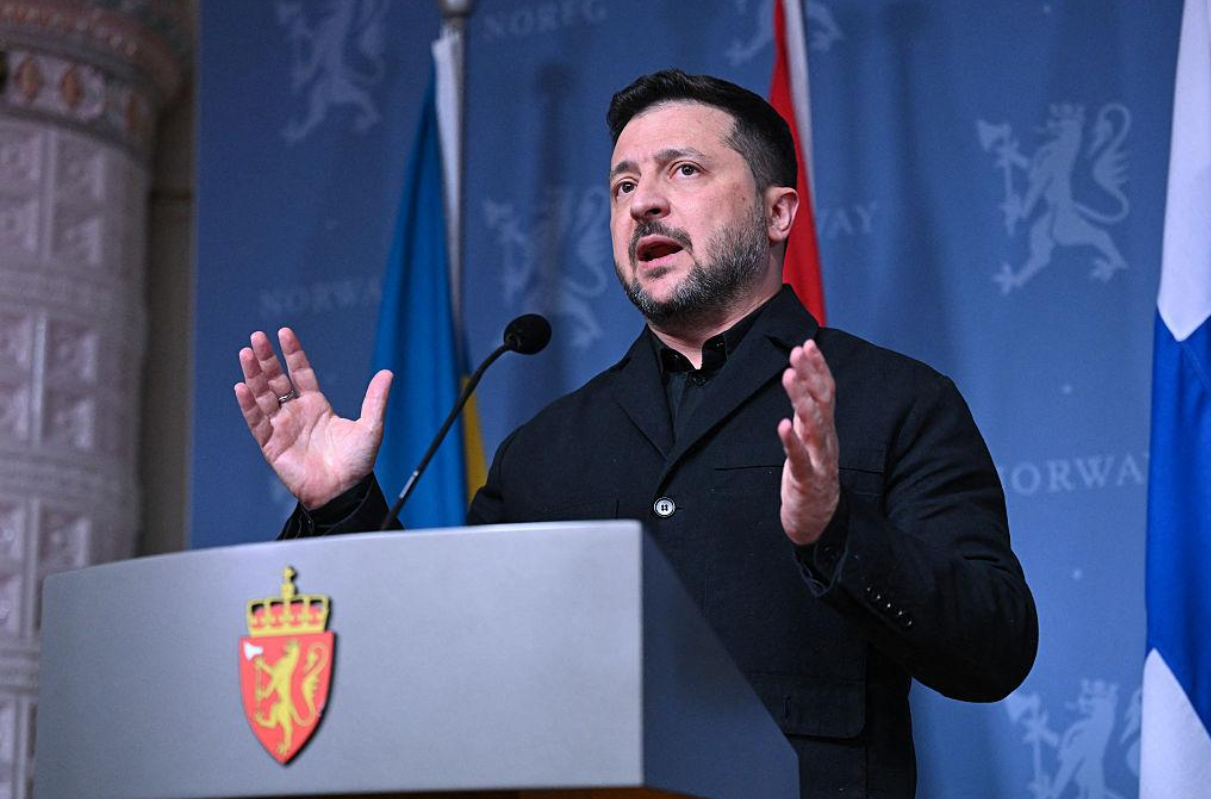
The global reaction to Ukrainian President Volodymyr Zelensky’s announcement of a potential frontline freeze has been swift, sparking intense debate over the future of the conflict and the feasibility of peace. On 21 October 2026, Zelensky declared Ukraine’s readiness to halt fighting along current military positions, paving the way for discussions on security guarantees with Washington and European capitals. Yet, in a follow-up interview with CNN the next day, he firmly ruled out territorial concessions, making it clear that any truce would not equate to recognising Russian control over occupied…
Read MoreMali’s military in crisis: public backlash and the road ahead after arms trafficking and desertions
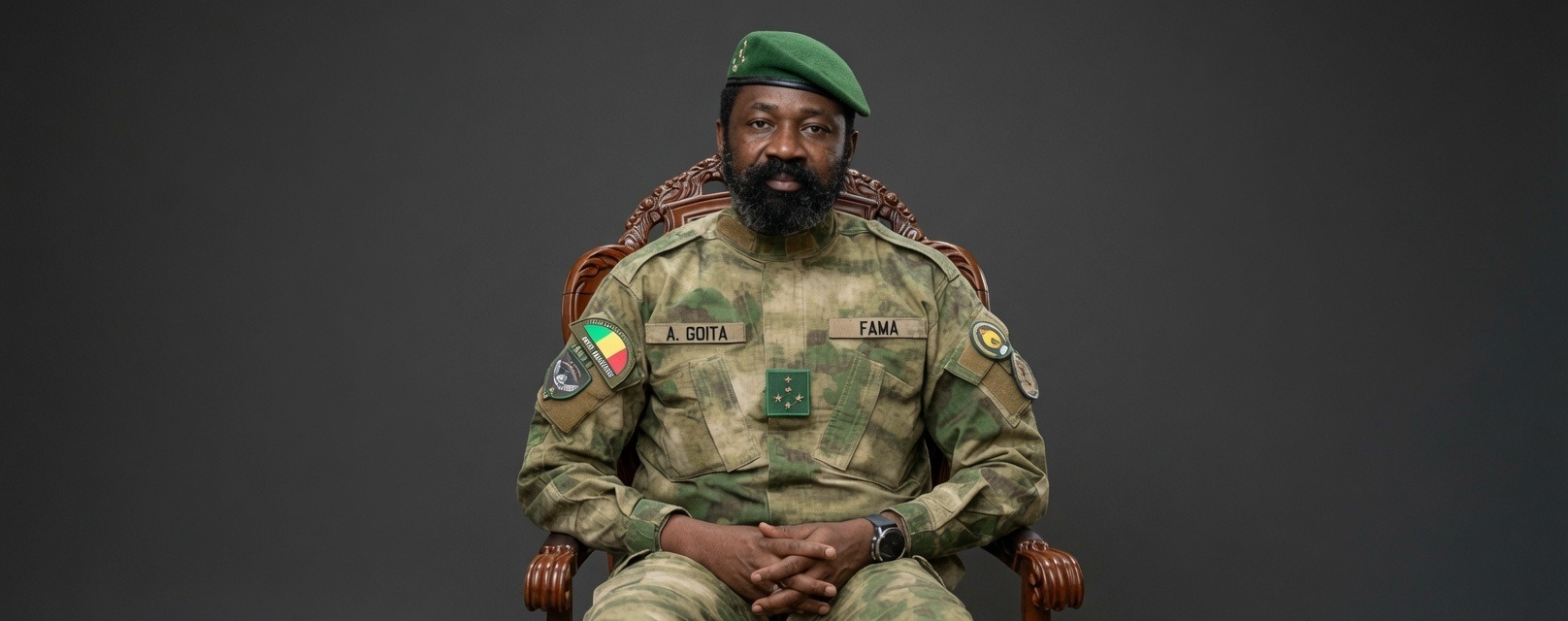
The official narrative from Mali’s transitional authorities paints a picture of growing strength within the Malian Armed Forces (FAMa) and unwavering control over national territory. Yet, the October 19, 2026, opening of the Military Tribunal of Mopti in Sévaré has exposed deep cracks in that story. With 72 defendants—69 of them military personnel—facing 43 cases ranging from arms trafficking to desertion and violent crimes, the courtroom has become a stage revealing an institution plagued by systemic failures from within. State weapons fueling the enemy: a damaging revelation Among the most…
Read MoreGabon’s decentralisation: uncovering the hidden barriers to local empowerment
Libreville — President Brice Clotaire Oligui Nguema’s recent meeting with Senate President Huguette Nyana Ekoume Awori Onanga signals a renewed push for decentralisation in Gabon. Yet beneath the political will lies a critical question: how can territories gain real decision-making power without the financial and administrative means to exercise it? Decentralisation stands as one of Gabon’s most pivotal reforms, designed to bring governance closer to citizens. By empowering local authorities, the initiative aims to tailor public policies to provincial realities, address territorial inequalities, and respond more directly to community needs.…
Read MoreNiger’s oil spill fallout: public debate and the road ahead after goumeri w8
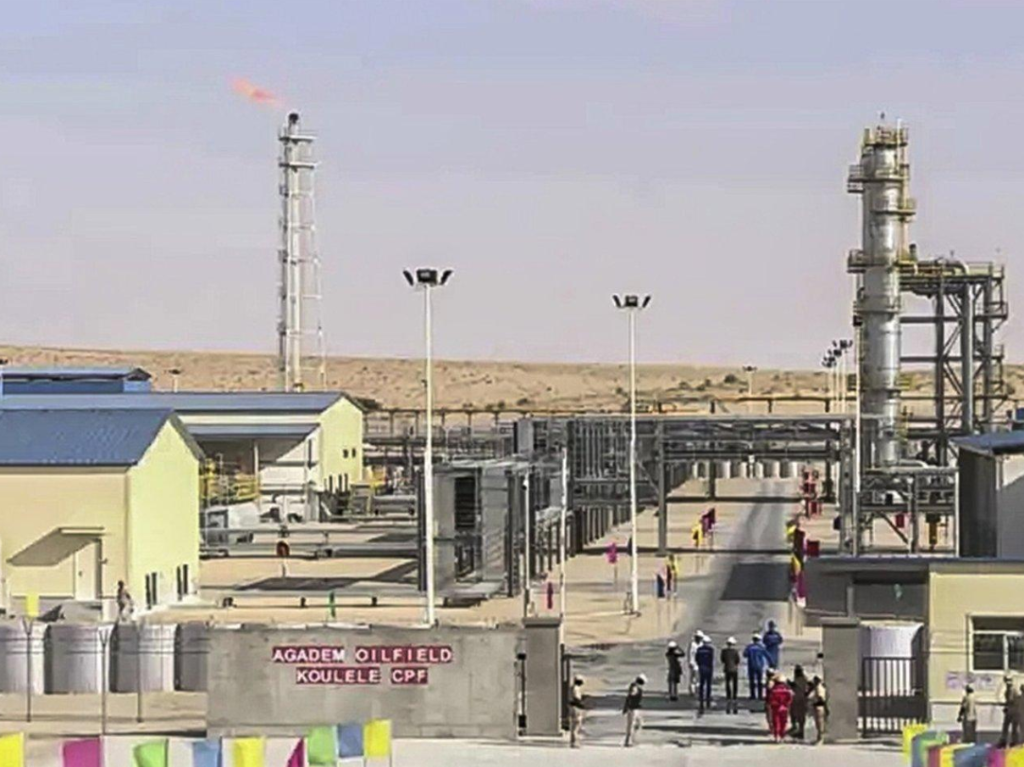
The eruption at Goumeri W8 has sparked more than just an environmental crisis in Niger. It has exposed deep fissures in a strategic oil partnership, as Niamey pushes to reclaim control over its natural resources amid mounting public scrutiny and diplomatic strain. The incident, which began on september 25, has escalated beyond a mere industrial accident. At the heart of Agadem’s oil basin—operated by CNPC Niger Petroleum—the spill has set off a chain reaction, entwining industrial urgency, financial stakes, and international relations. Industrial emergency raises unanswered questions A violent surge…
Read MoreDR Congo’s constitution at 20: the untold story behind its struggles
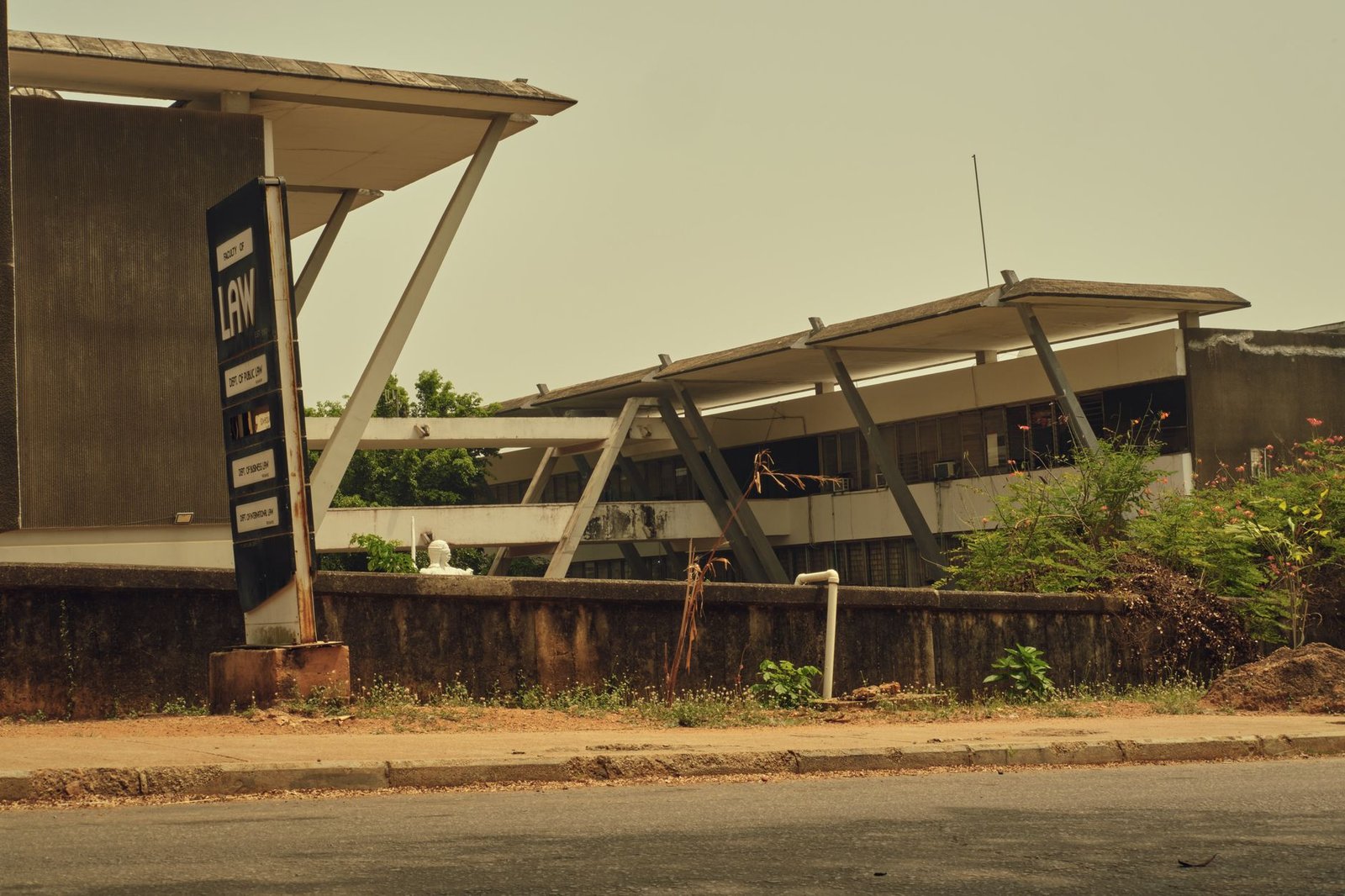
Two decades after its adoption, the Democratic Republic of Congo’s constitution remains a subject of intense debate. Guy Loando Mboyo, minister of state for parliamentary relations, highlights the gaps and unaddressed issues that have shaped the nation’s legal and political landscape over the past 20 years. The roots of constitutional shortcomings According to Mboyo, the challenges stem from deep-seated structural and implementation flaws. The constitution, while ambitious in its design, has struggled to adapt to the evolving needs of DR Congo’s complex societal fabric. Political instability, institutional weaknesses, and shifting…
Read MoreCitizens question Niger’s oil sovereignty as fuel shortages spark debate over Algeria pact
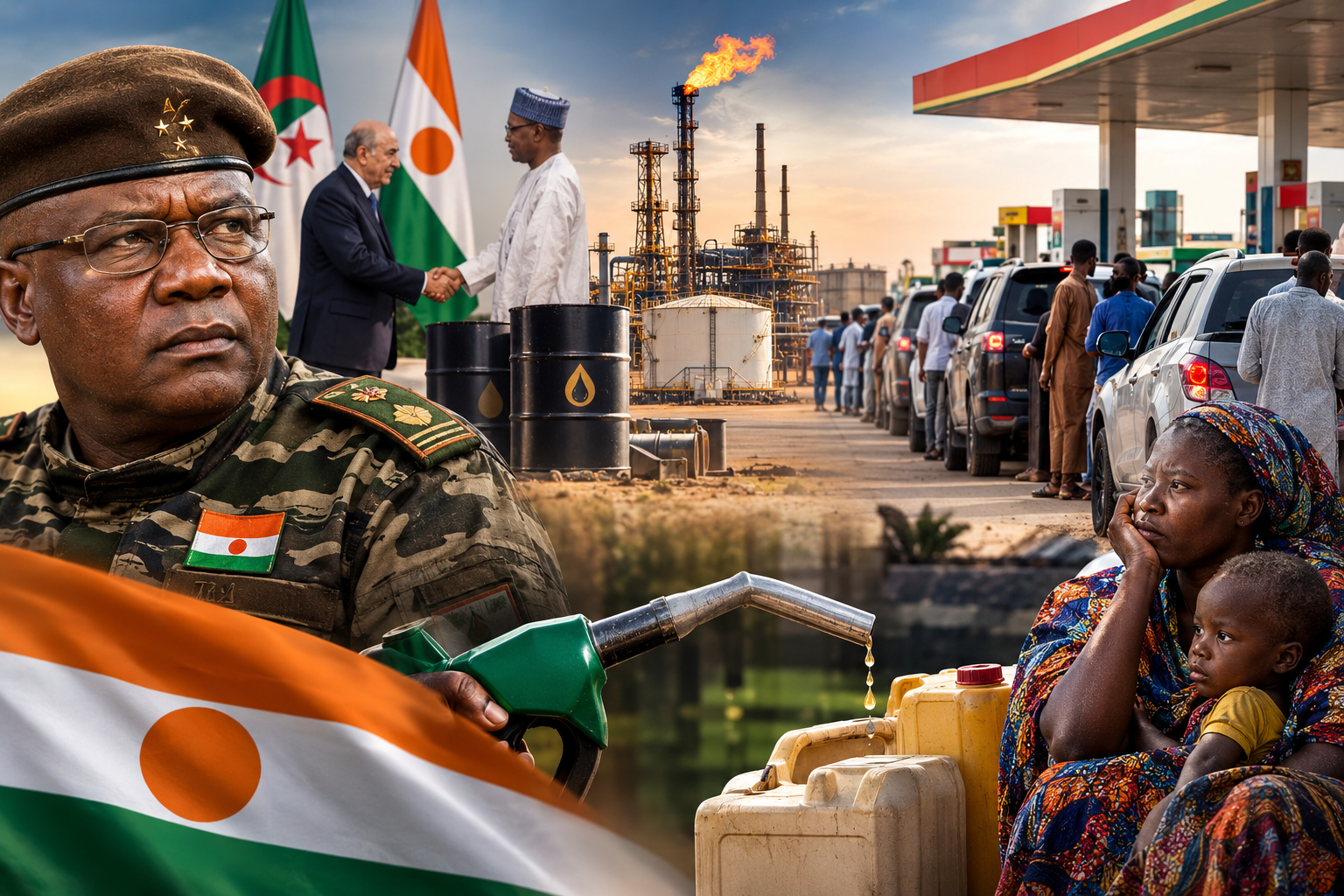
The recent security agreement between Niamey and Algiers has triggered intense public scrutiny rather than widespread celebration, as citizens grapple with severe domestic fuel shortages. Across the country, a fierce debate has erupted regarding the true meaning of national sovereignty when an oil-producing state cannot keep its own gas stations supplied, raising critical questions about what comes next for the nation’s energy strategy and social contract. Daily fallout and the reality on the ground The paradox of a nation extracting crude oil while enduring crippling domestic deficits is no longer…
Read MoreIvory Coast’s bold fiscal pivot reshapes UEMOA’s convergence pact future
The endorsement of the freshly revised UEMOA convergence pact by Alassane Ouattara, announced on October 23, 2026, marks a pivotal moment for West Africa’s economic bloc. Unlike symbolic gestures of the past, this act introduces a rigorous fiscal framework designed to address the lingering debt imbalances that have plagued the region for years. For Ivory Coast—home to nearly 40% of the UEMOA’s collective GDP—the commitment is anything but ceremonial. It represents a critical step in managing the nation’s debt trajectory and, by extension, safeguarding the stability of the franc CFA…
Read MoreUncovering the hidden forces shaping the Congo river’s sovereignty debate at Luanda’s biennale
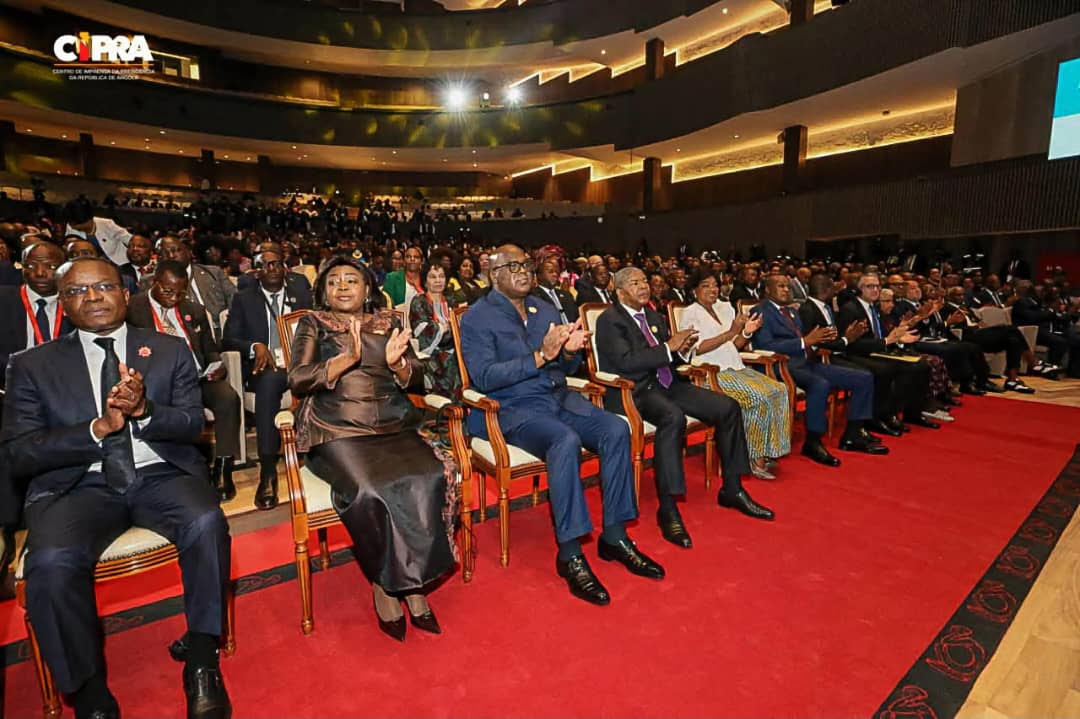
The Unseen Tides Behind the Congo River’s Sovereignty Struggle The fourth edition of the Luanda Biennale in October 2026 gathered African leaders under the theme of water governance as a tool for conflict prevention and resolution. Among the delegates, Félix-Antoine Tshisekedi Tshilombo, President of the Democratic Republic of Congo (DRC), delivered a keynote address that peeled back the layers of water diplomacy in Africa, exposing the tensions between national authority, regional collaboration, and ecological survival. His remarks at the UNESCO and African Union-backed summit were not merely diplomatic formalities—they laid…
Read More