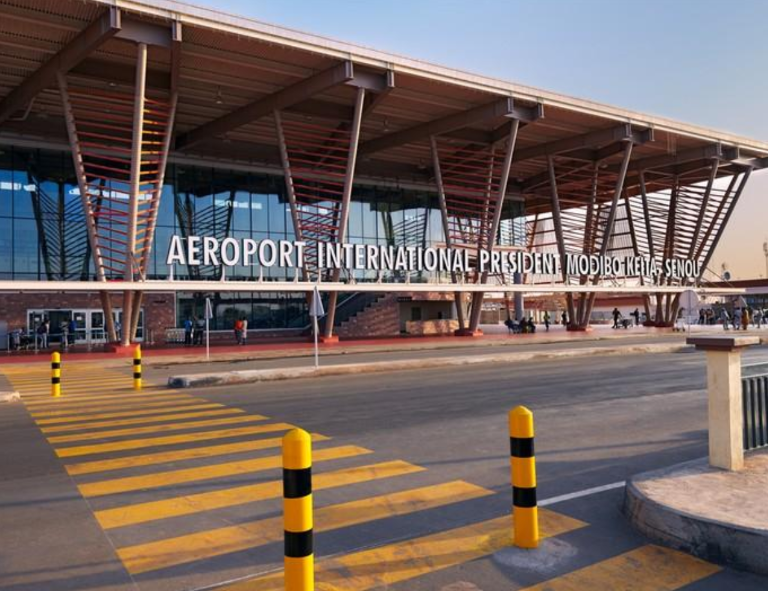
In a dramatic twist for Mali’s land governance, former Bamako district mayor Adama Sangaré has been handed a decade-long prison sentence for his role in a controversial real estate scandal around Bamako-Sénou airport. The high-profile case has ignited fierce public debate over whether the conviction exposes systemic flaws in land management or unfairly targets local leaders caught in bureaucratic gray zones. Legal fireworks: defense challenges both facts and jurisdiction The trial concluded with a dramatic verdict, but the legal battle is far from over. Adama Sangaré’s legal team has vowed…
Read MoreAuthor: Ousmane Tandja
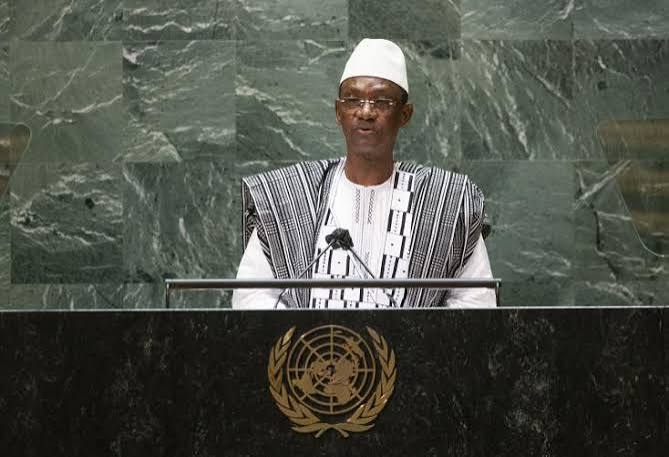
Mali’s military junta faces backlash as former ally Choguel Maïga reaches 440 days in detention
Mali has entered uncharted territory. Exactly 440 days have passed since Choguel Kokalla Maïga was placed behind bars on remand—more than 14 months of solitary confinement for the man who once served as the junta’s most vocal architect. The prolonged detention, without a final verdict, is not just a personal tragedy; it is a stark reflection of the transition’s authoritarian drift and the fragility of power alliances in Bamako. The fall of a revolutionary symbol Choguel Maïga was no ordinary political figure. Once the loudest champion of Mali’s military leadership,…
Read MoreBurkina Faso’s leadership dilemma: Traoré’s absence raises questions about internal stability
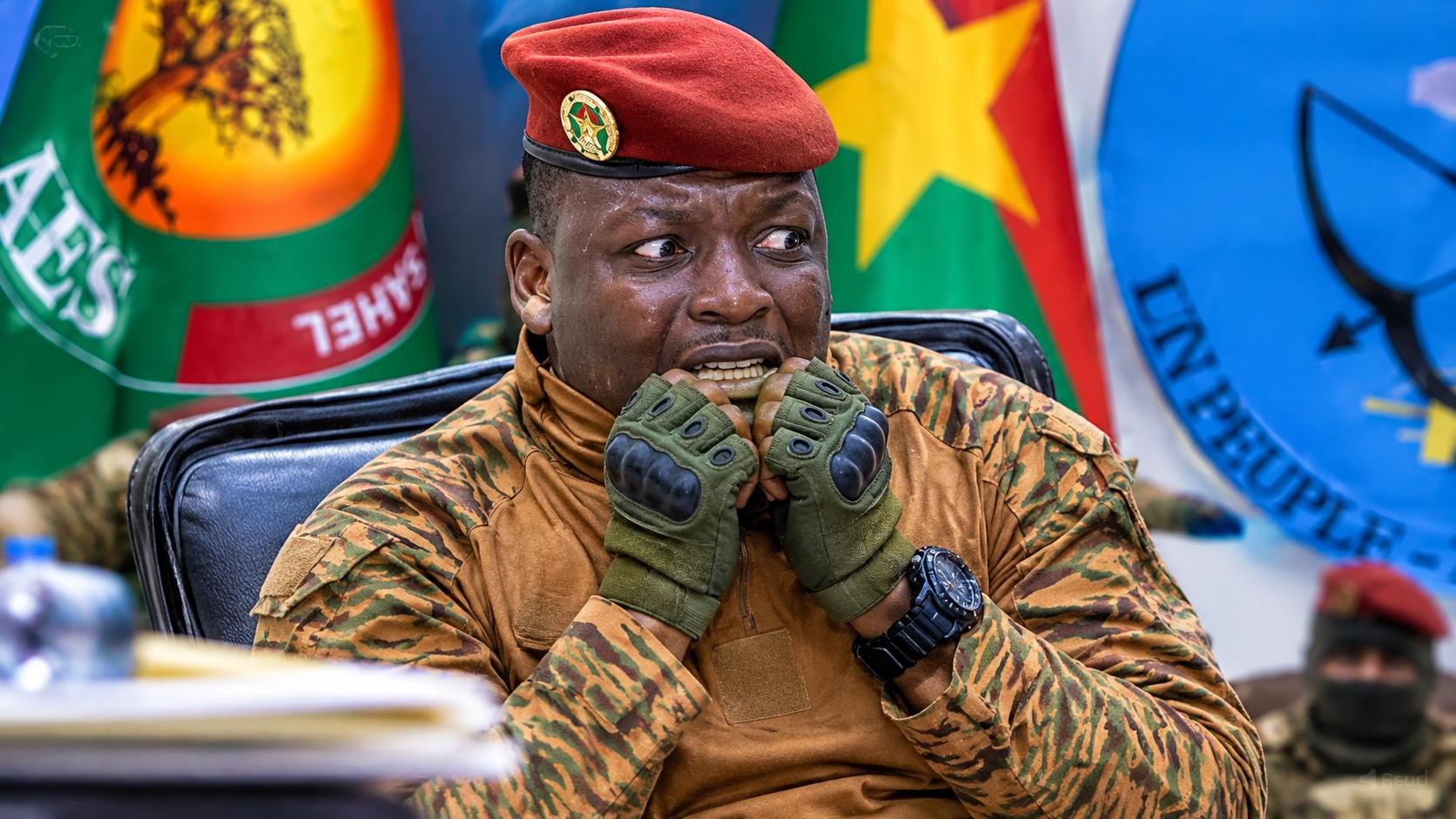
The absence of Burkina Faso’s transitional leader, Ibrahim Traoré, from the Russia-Africa summit has sparked intense speculation about the stability of his government. While international observers highlight his diplomatic ties with Moscow, growing concerns within his inner circle hint at deeper political uncertainties that could reshape the nation’s future trajectory. Diplomatic posturing vs. domestic pressures Ibrahim Traoré has spent considerable time cultivating an image as a bold, sovereign-minded leader, particularly through his strategic alignment with Russia. This partnership, framed as a rejection of traditional alliances, has been central to his…
Read MoreChad’s security forces: inside the high-stakes operation that led to Bichara V8’s capture
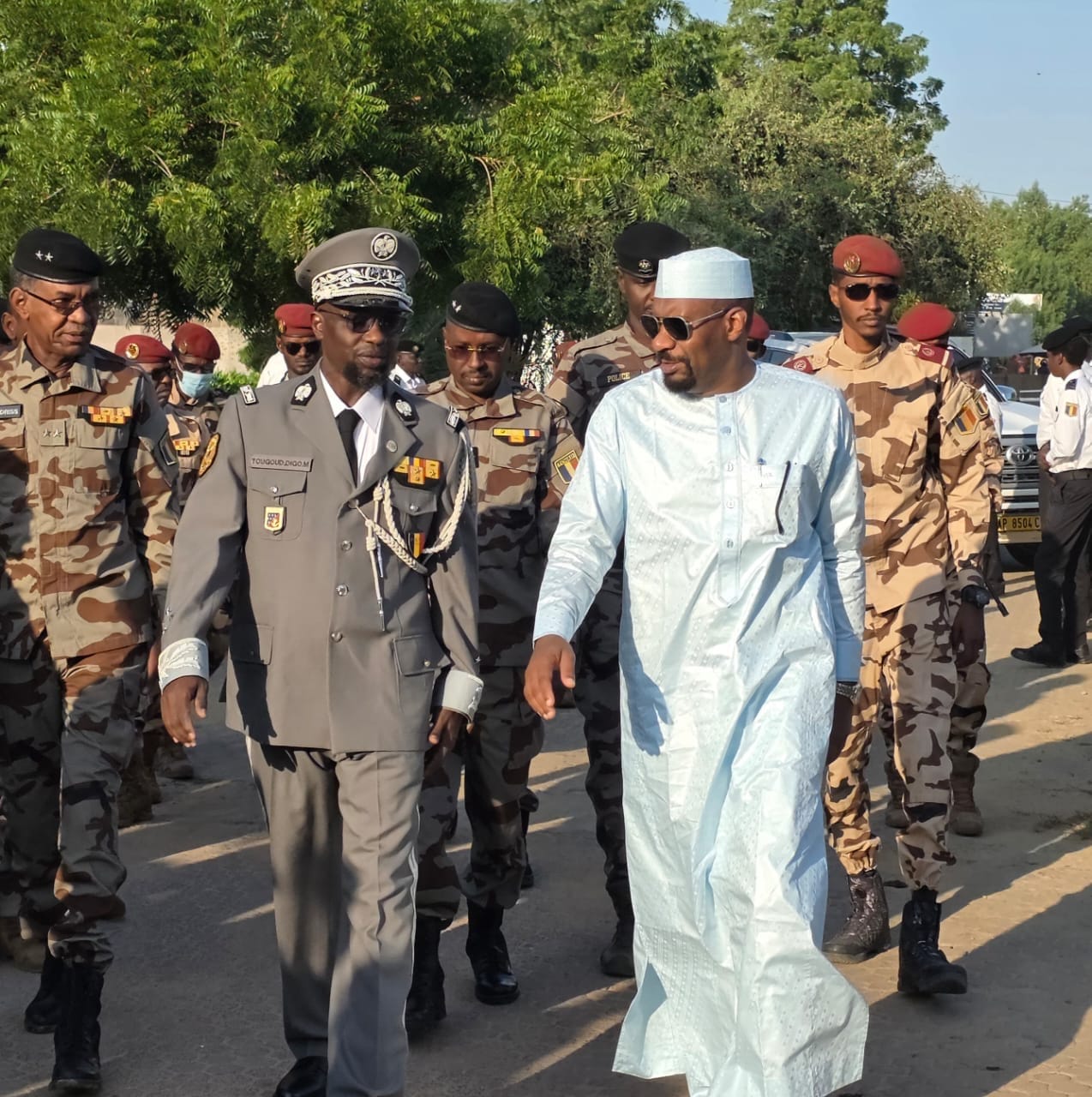
Uncovering the operational backbone of Chad’s latest security milestone The arrest of Bichara V8 on October 26, 2026, wasn’t just a breakthrough in Chad’s law enforcement—it was the result of a meticulously coordinated operation. Behind the headlines, three police officers played a pivotal role in the mission’s success. Their exceptional performance earned them recognition during an official ceremony attended by Chad’s Minister of Public Security, the Director General of the National Police, and the Director General of the National Gendarmerie. Each officer was awarded a vehicle from GAZCOM, symbolizing the…
Read MoreMénaka massacre: northern Mali grapples with security vacuum after 54 civilian deaths
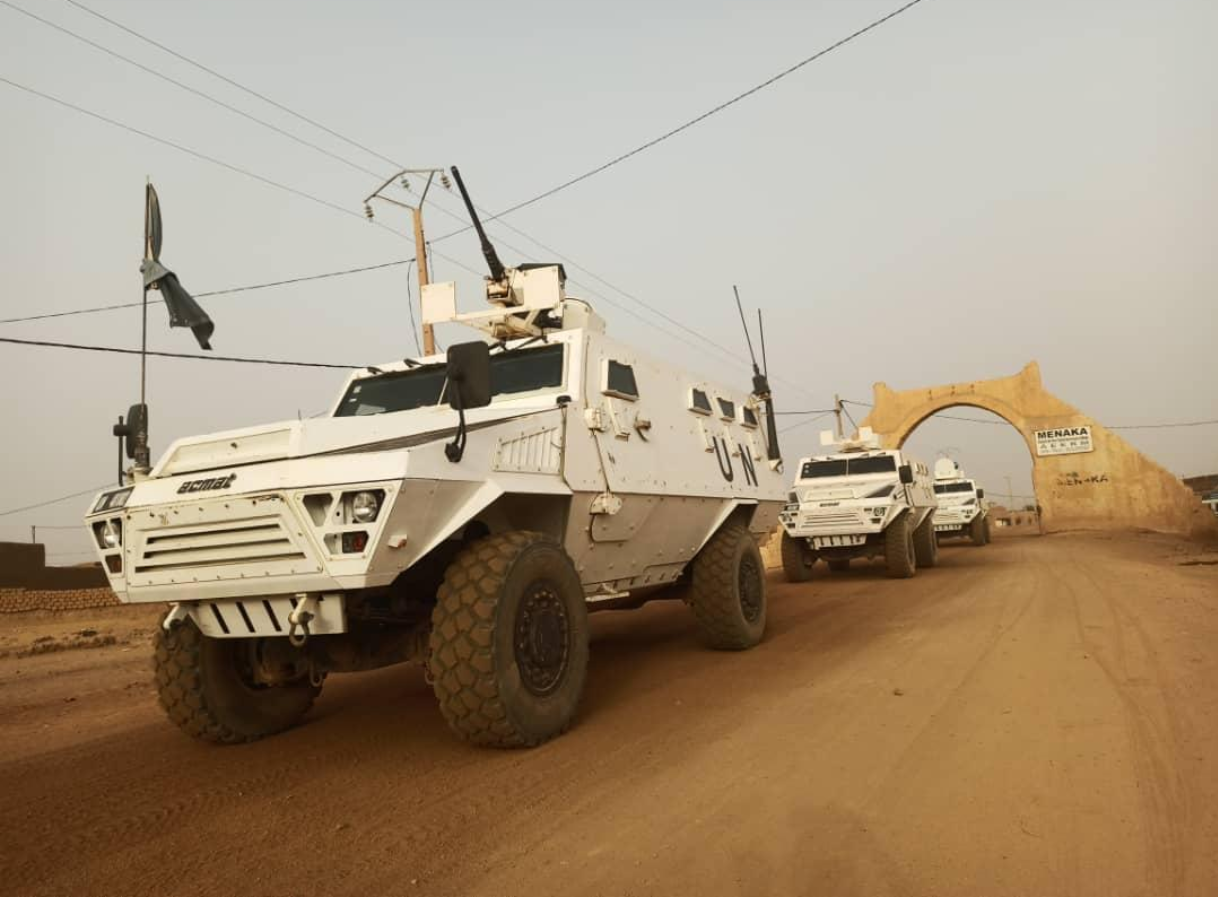
After the mass killings in Tagadayat, Mali faces urgent questions about civilian protection The discovery of 54 bodies in the village of Tagadayat, just 35 kilometers southeast of Ménaka, has exposed the devastating consequences of Mali’s prolonged security crisis. In the wake of coordinated armed assaults, the incident reignites debates over the government’s ability to safeguard civilians in the most vulnerable regions of the country. While officials scramble to respond, the tragedy underscores a troubling reality: communities in northern Mali are increasingly left without effective state protection. The latest attack…
Read MoreSenegal’s political deadlock: what’s next after lawmakers reject revised budget
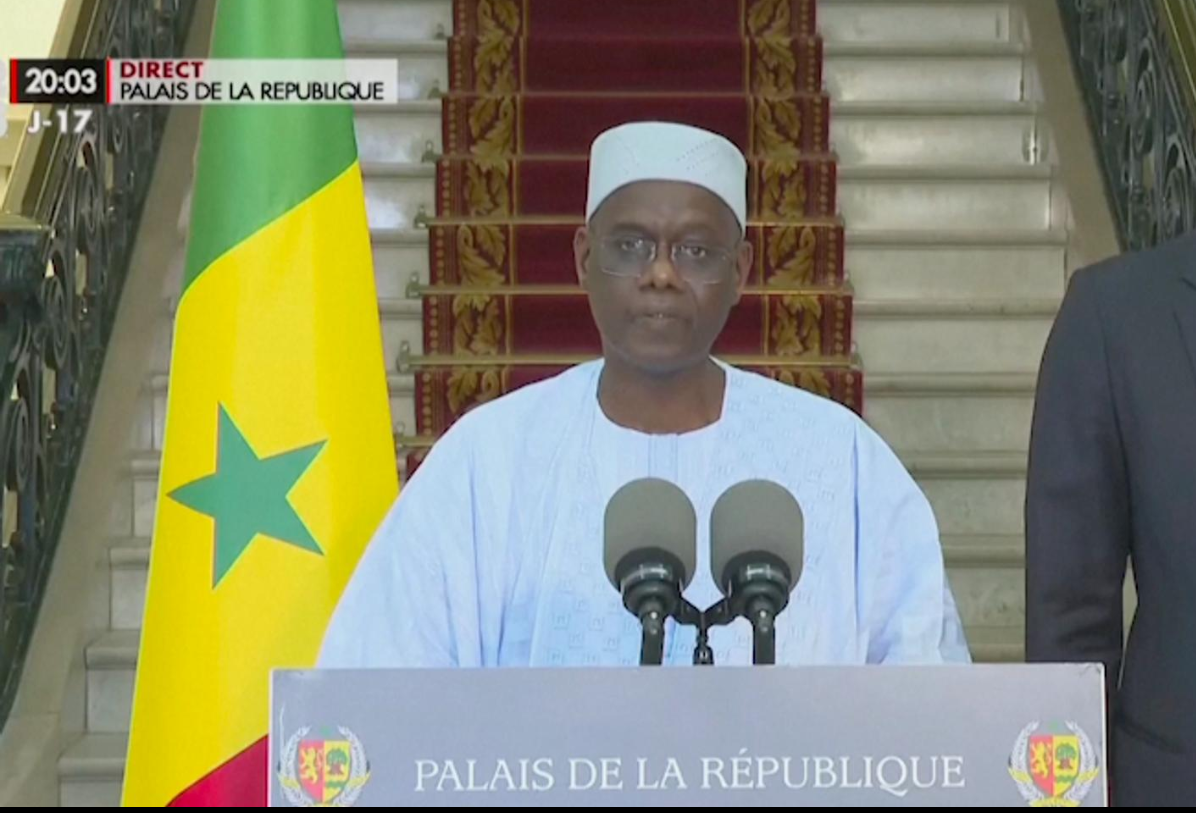
With the revised finance bill set for final debate, Senegal’s government is scrambling to avoid a political crisis after ruling party lawmakers dealt it an unexpected blow. The rejection of the bill in committee has exposed deep divides within the ruling coalition and left the fate of the government’s economic agenda hanging in the balance. From rejection to reckoning: the parliamentary shockwave The timing could not have been worse. Just days before the bill was due for a crucial parliamentary vote, lawmakers from President Bassirou Diomaye Faye’s own coalition rejected…
Read MoreUnlocking Cameroon’s oil supply chain: how proposed financing models could reshape energy imports
In a high-stakes meeting held in Yaoundé on October 20, 2026, Minister of Water and Energy Gaston Eloundou Essomba engaged with a powerful delegation led by Cédric Ketchanga of KC Trade International, unveiling a behind-the-scenes initiative that could redefine how Cameroon sources its fuel. The proposal hinges on a high-risk financing mechanism aimed at addressing the country’s growing dependence on imported petroleum products—a gap widened since the 2019 Sonara refinery disaster. Behind the scenes of a high-stakes energy deal The negotiation table saw two global trading giants—BGN, led by Rüya…
Read MoreNiger responds as explosive claims surface about Pascal Tigri’s whereabouts
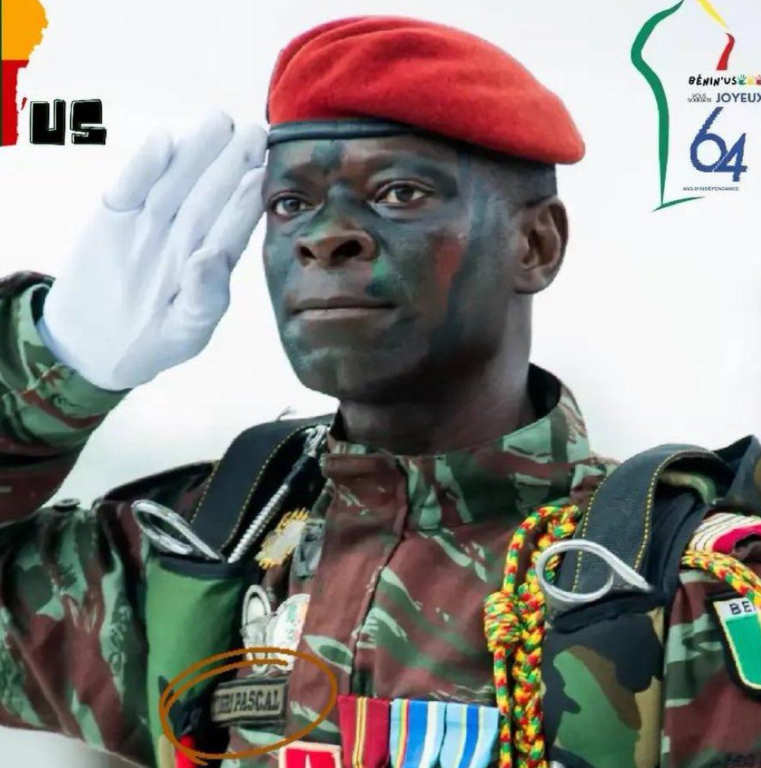
The airing of a high-profile testimony on Niger’s national broadcaster has reignited speculation about the whereabouts of Colonel Pascal Tigri, the alleged mastermind behind the failed coup attempt in Benin last December. The dramatic declaration by Nigerian police inspector Habibou Oumarou Mamane, known locally as ‘The Rebel,’ aired on October 23, 2026, alleges an intricate web of contacts, payments, and intermediaries, all allegedly working to locate Tigri within Niger’s borders. But with claims swirling in a charged diplomatic climate, the testimony raises as many questions as it answers. What concrete…
Read MoreNiamey’s fuel crisis: how Algerian supply deals fuel public debate and economic fallout
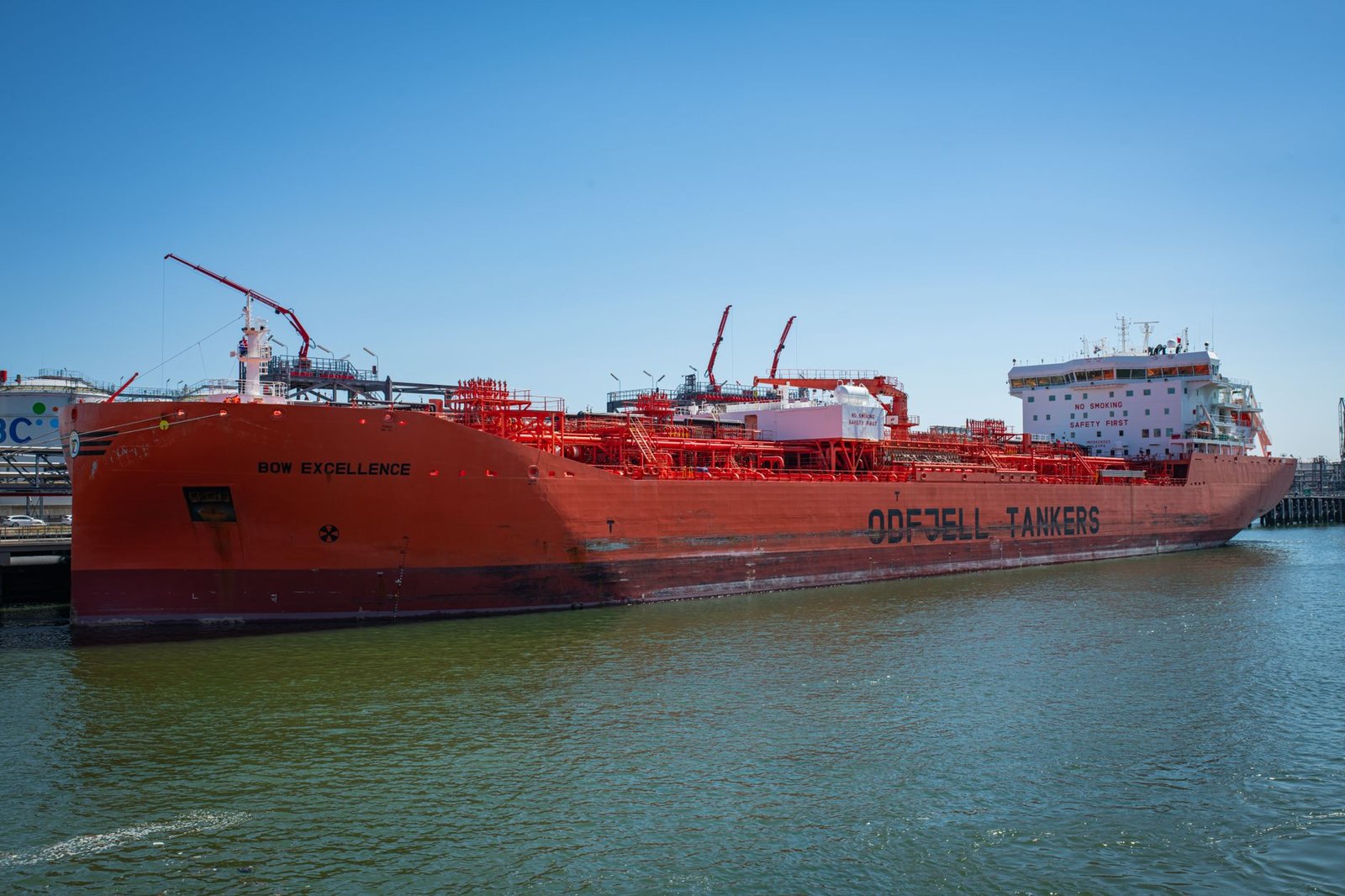
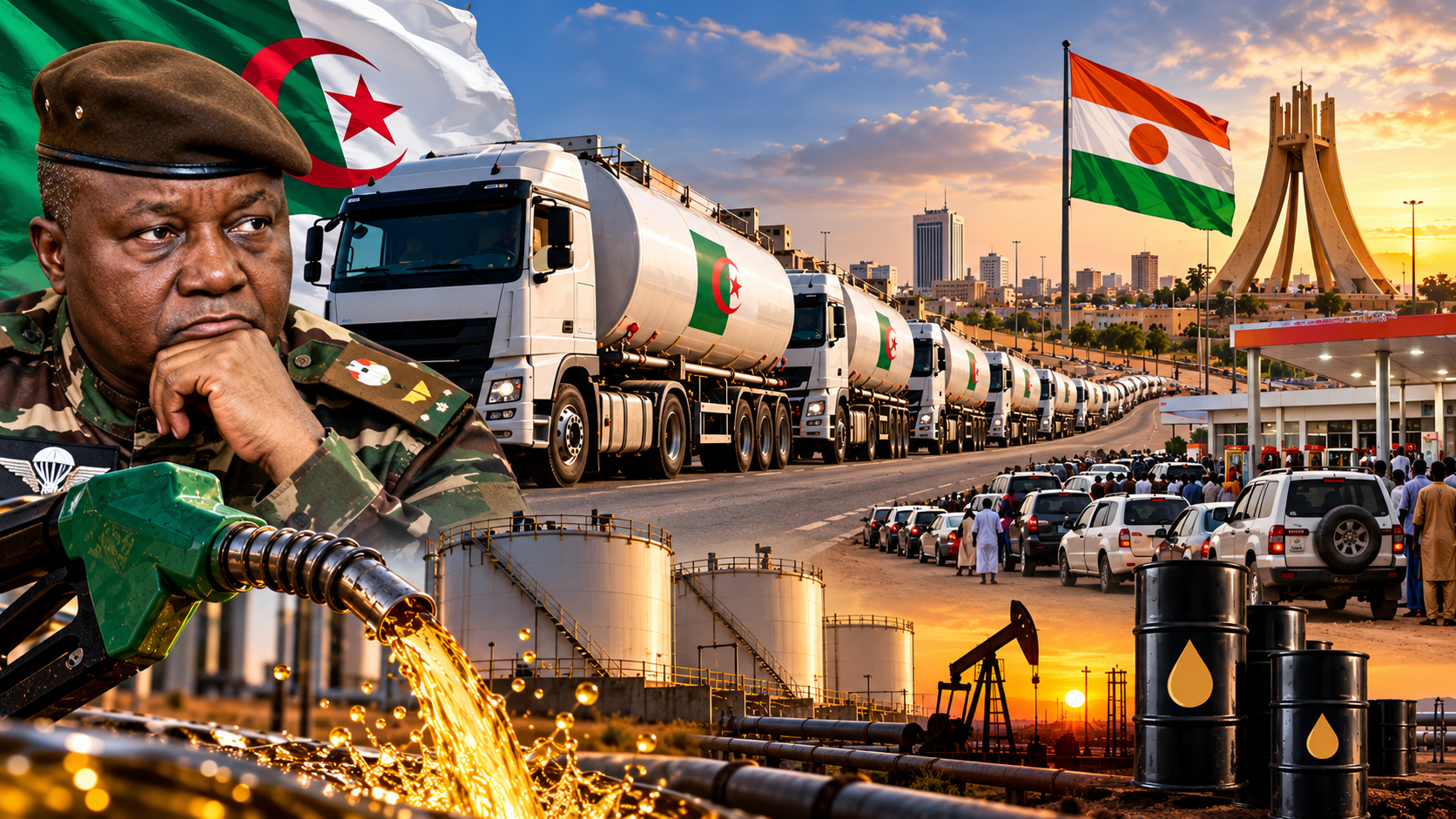
After months of uncertainty and fluctuating supply chains, Niamey has received an unexpected lifeline in the form of 3.75 million liters of diesel from Algeria. The shipment, originally intended for Agadez, has triggered a wave of questions about priorities, costs, and the long-term resilience of Niger’s fuel infrastructure. As public scrutiny intensifies, policymakers face mounting pressure to clarify the rationale behind the delivery and justify the financial and strategic implications of this emergency supply. From Agadez to Niamez: why the cargo changed course The 150 tankers, each carrying 25,000 liters,…
Read MoreCameroon’s Ebola readiness: behind the scenes of border surveillance
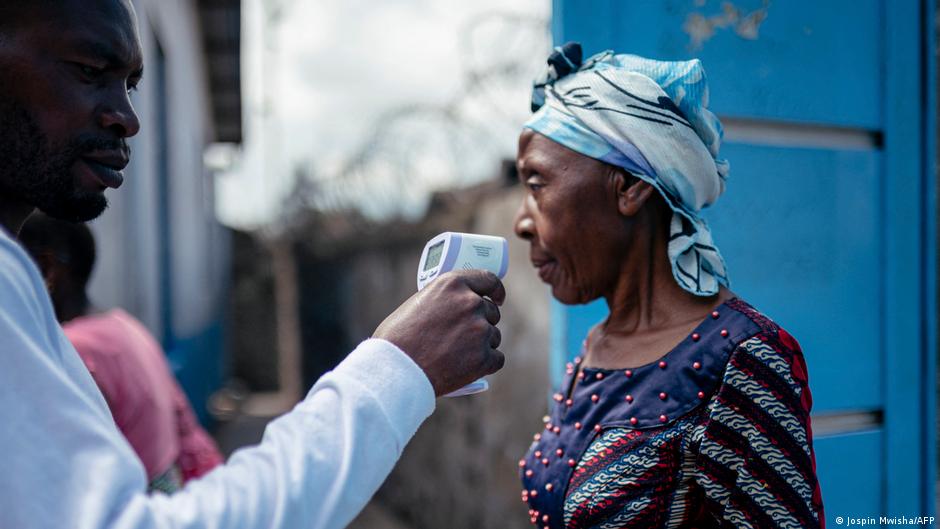
As Nigeria reports a confirmed Ebola case just across the border, Cameroon is scrambling to shore up its defenses against a potential outbreak. This isn’t just another health alert—it’s unfolding against the backdrop of an ongoing cholera crisis in the Far North region, where hospitals are already stretched thin. The warning signs are clear: more than 1,500 kilometers of porous borders stretch between Cameroon and Nigeria, a landscape where porous trade routes and daily human movement make containment a formidable challenge. In the capital, Yaoundé, residents like agronomist Aurélien Ngouffo…
Read MoreFallout from Niger’s military overtures to Algeria: who bears the cost of Tiani’s security gamble?
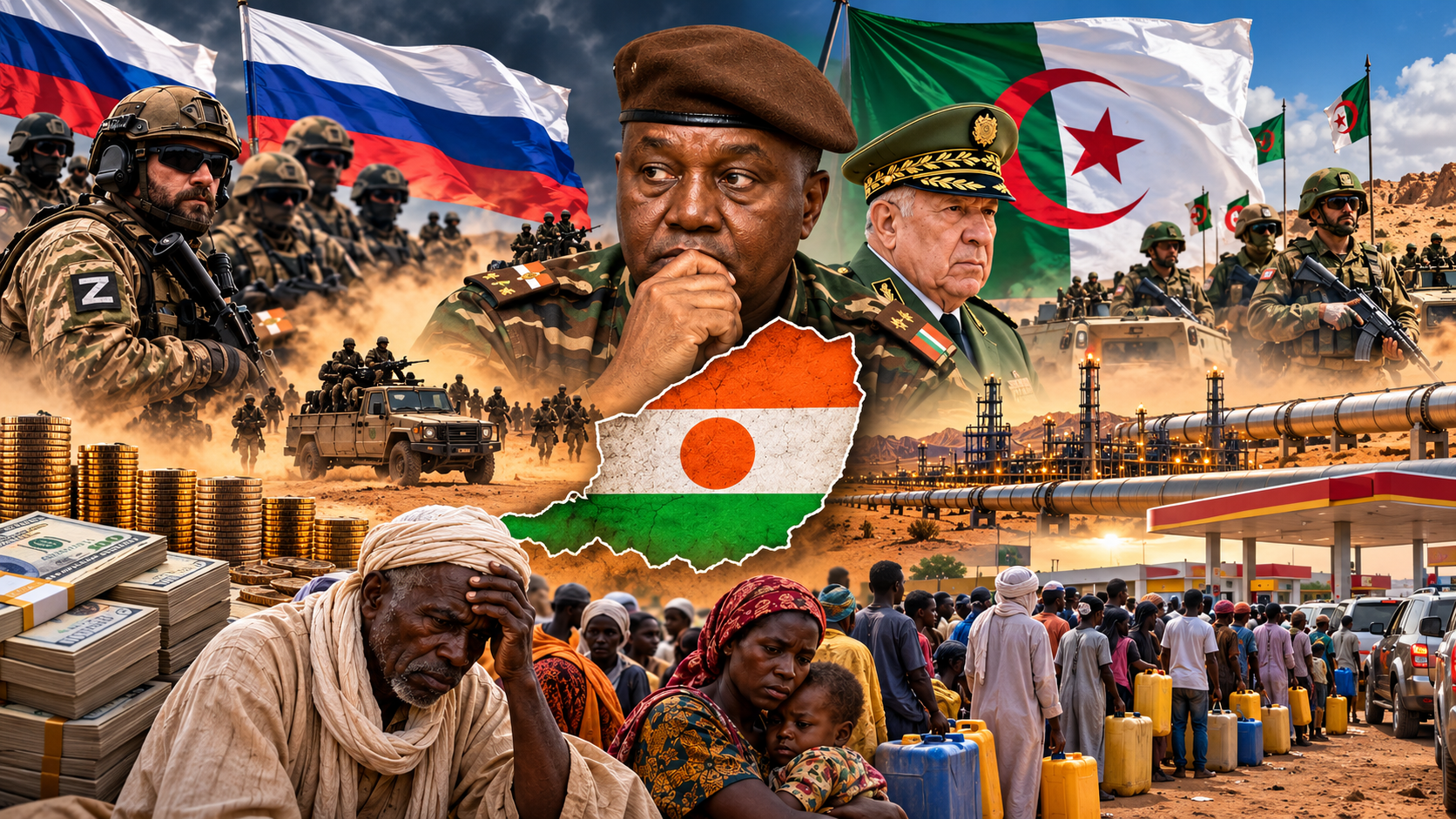
Niger’s military regime under General Abdourahamane Tiani faces mounting scrutiny over its expanding reliance on foreign security partners, after Algeria’s parliament approved the deployment of troops to Niamey. The move, hailed as a strategic pivot, now prompts urgent questions about the hidden costs, undisclosed terms, and long-term implications for a nation already stretched thin by economic hardship and persistent violence. From Russian mercenaries to Algerian boots on the ground: a strategy under pressure The alliance with Russia’s Africa Corps was sold as a lifeline to stabilize Niger’s embattled security landscape.…
Read MoreCameroon’s missing vice president: how succession fears shape Paul Biya’s decisions
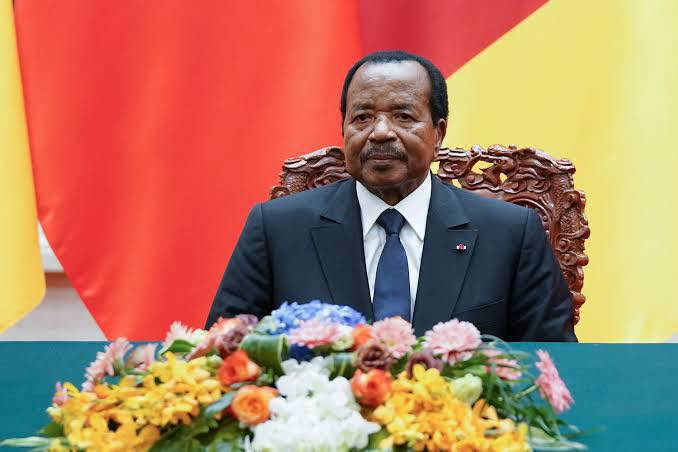
The reintroduction of the vice-presidency in Cameroon’s constitution has created unexpected challenges for President Paul Biya, beyond the usual political calculations. Behind the prolonged vacancy of this crucial position lies a deeper concern: the president’s unease over the constitutional reforms that grant the vice-president a decisive role in declaring his permanent incapacity to govern. Behind the constitutional change: a vice-presidency with unprecedented powers In April [current year], Cameroon amended its constitution to reintroduce the vice-presidency—a move that, on the surface, was intended to strengthen institutional continuity. Yet this reform carries…
Read More