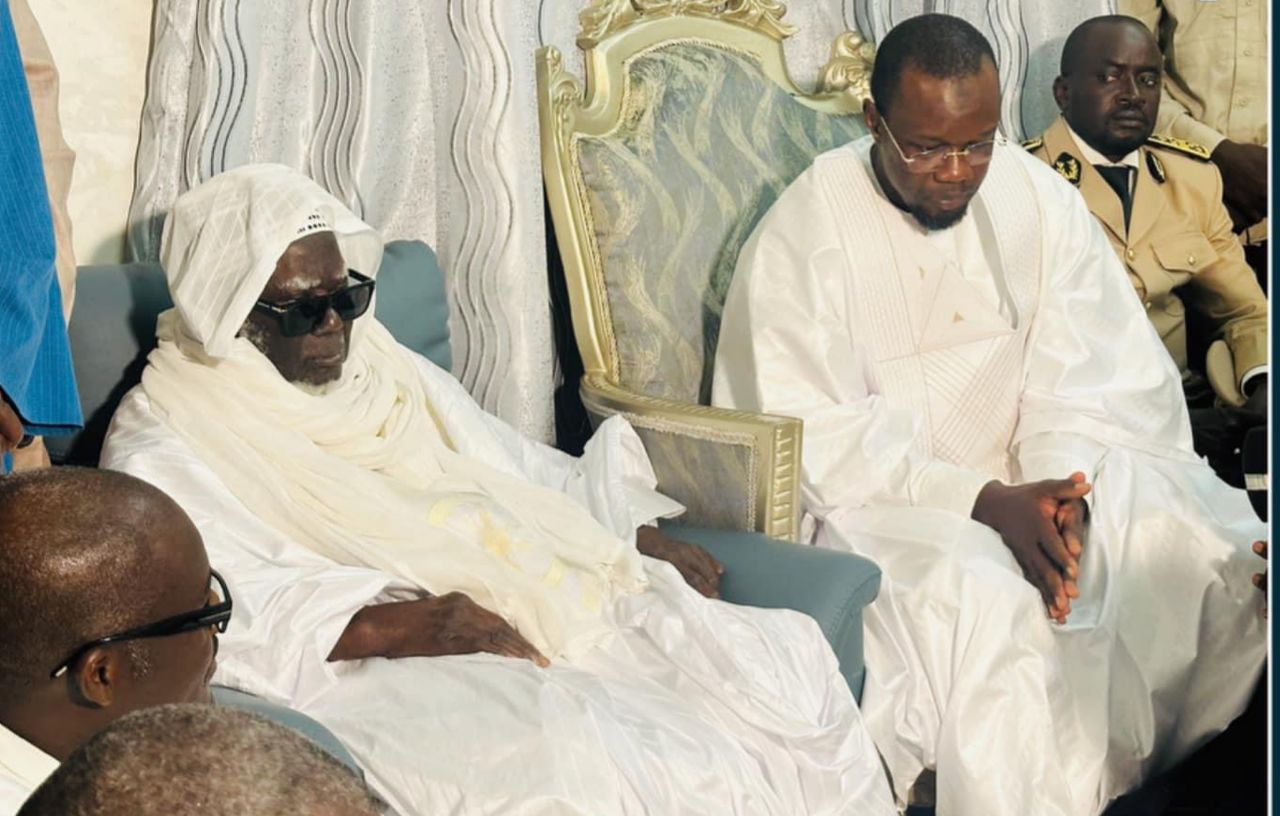
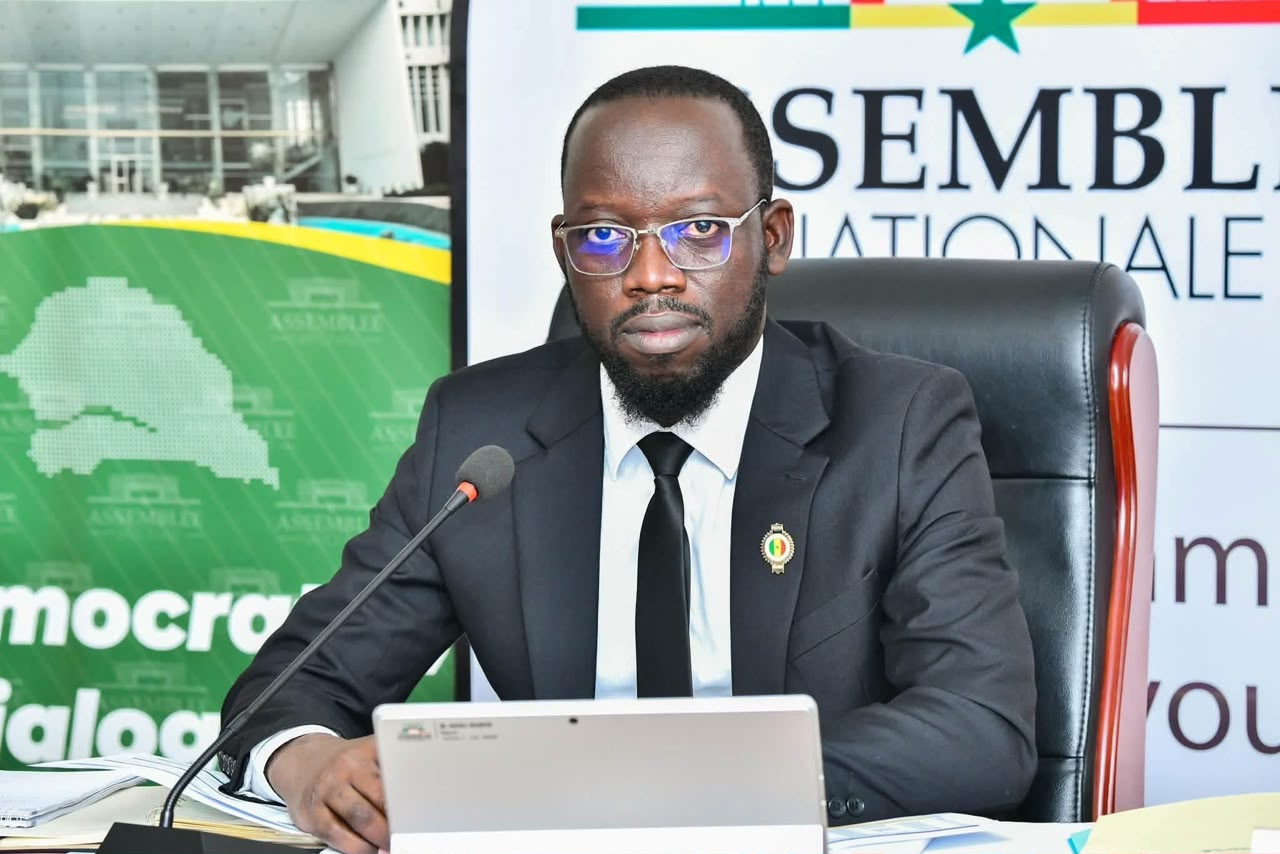
Behind-the-scenes: why the opposition leader made the unannounced trip to Touba In an unusually discreet move, Ousmane Sonko, Senegal’s influential opposition figure and National Assembly President, arrived in Touba late Thursday evening. Unaccompanied by press or large entourage, Sonko entered the holy city under the cover of night, accompanied only by Serigne Cheikh Thioro Mbacké and businessman N. S. The visit raised immediate curiosity about its purpose and timing. The timing of the nocturnal visit was not coincidental. Just hours earlier, tensions had escalated between Senegal’s executive and legislative branches,…
Read MoreAuthor: Ousmane Tandja
Moscow forum insights: how Togo’s strategic pivot reshapes African-russian partnerships
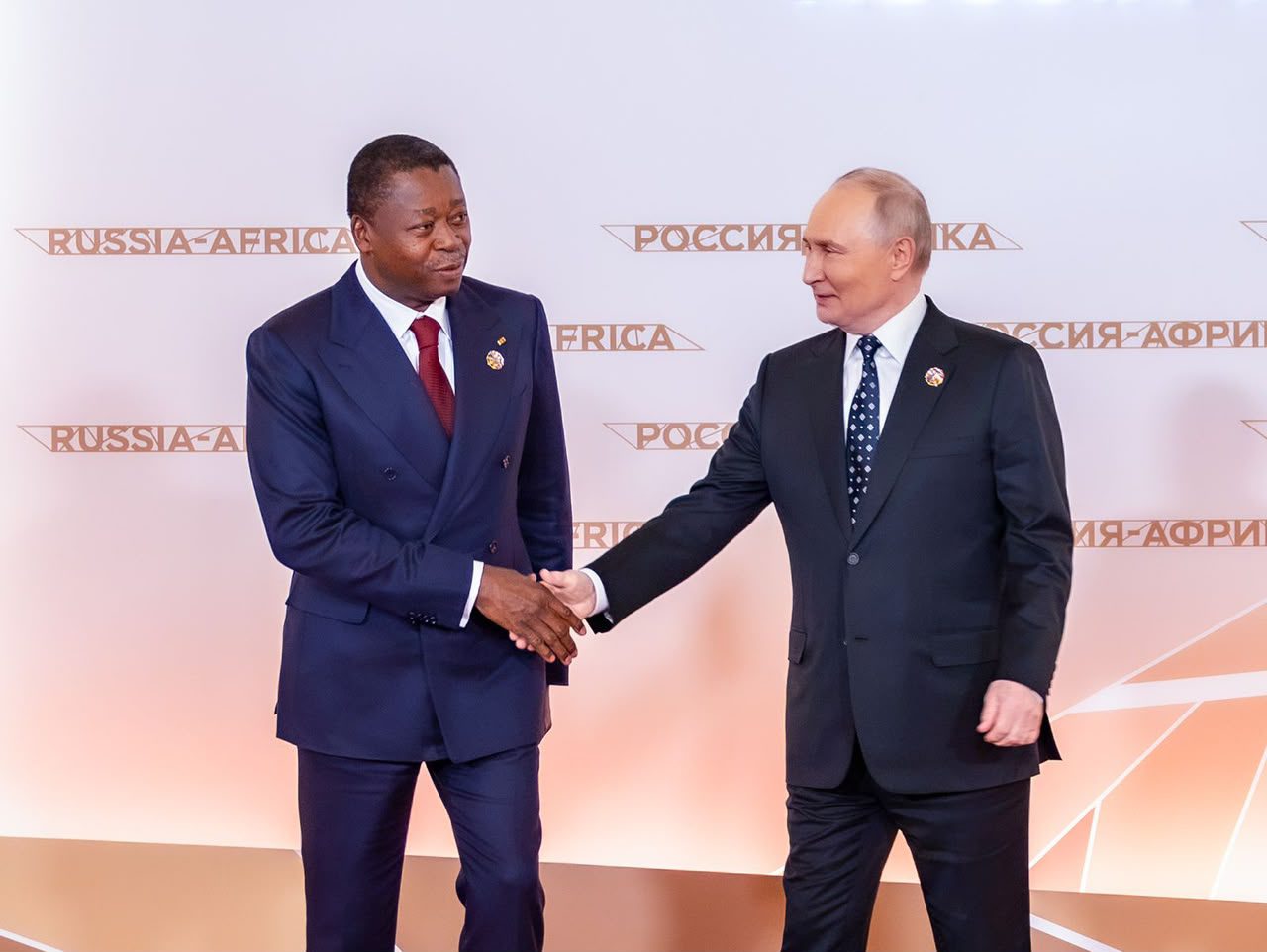
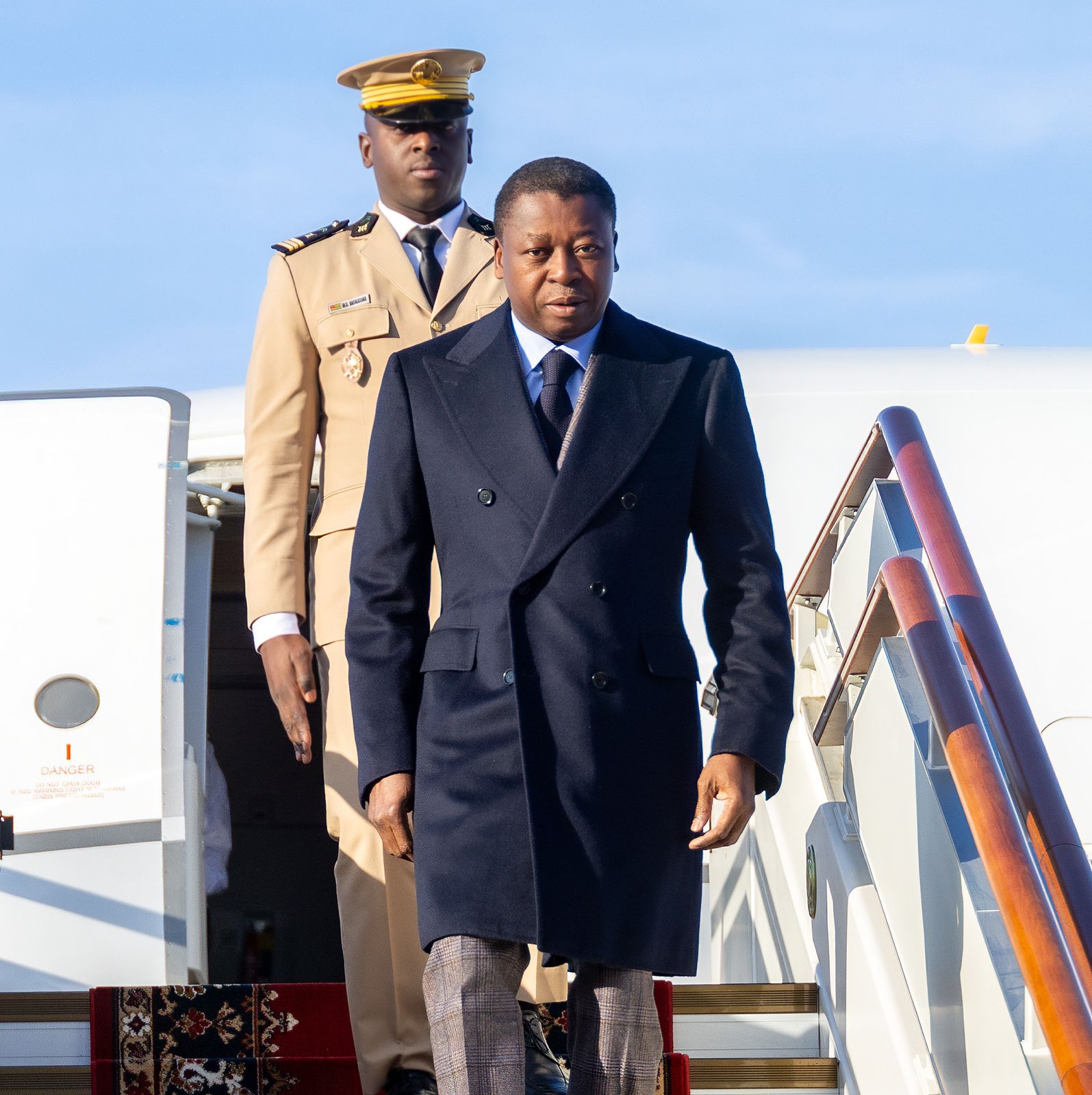
The driving forces behind Togo’s deepening ties with Russia Behind the scenes at the third Russia-Africa Economic and Humanitarian Forum, held in Moscow on October 28, 2026, lay a carefully calibrated strategy by the Togolese government. President Faure Essozimna Gnassingbé’s attendance was not merely symbolic; it was designed to unlock new cooperation channels in energy, agriculture, industrial processing, and technical training. The goal is clear: align international partnerships with domestic priorities and secure tangible benefits for Togolese citizens. Beyond rhetoric: turning vision into actionable projects While the Forum’s speeches emphasized…
Read MoreBenin’s senate steps up as Senegal faces budget showdown: how will the fallout shape west african politics?
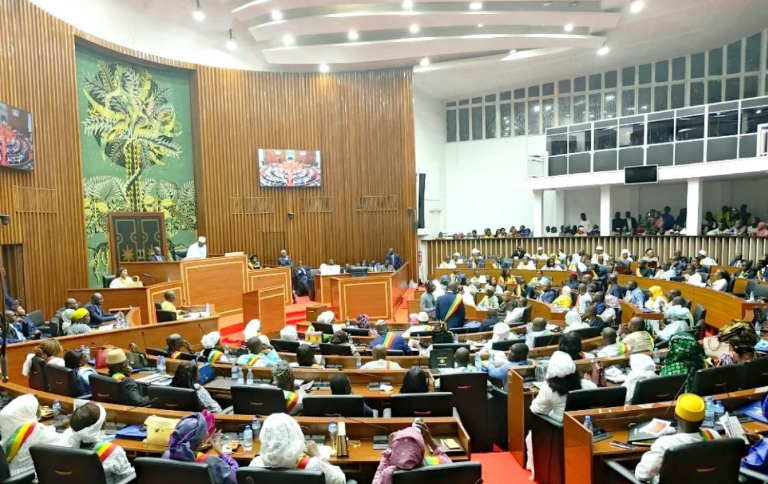
The inauguration of Benin’s upper house’s first ordinary session in Cotonou on October 28, 2026, came at a critical moment. As Senegal grappled with a high-stakes budget dispute, Benin’s newly minted Senate under President Patrice Talon positioned itself as a stabilising force — but will it be enough to prevent a repeat of regional tensions? After Dakar’s budget battle, Cotonou charts a different path The contrast could not be sharper. While Senegal’s parliament rejected a key fiscal revision bill on October 23, sparking a high-profile dispute between lawmakers and the…
Read MoreCivilian tragedy: Russian drone strike leaves 13 dead at Ukrainian train station
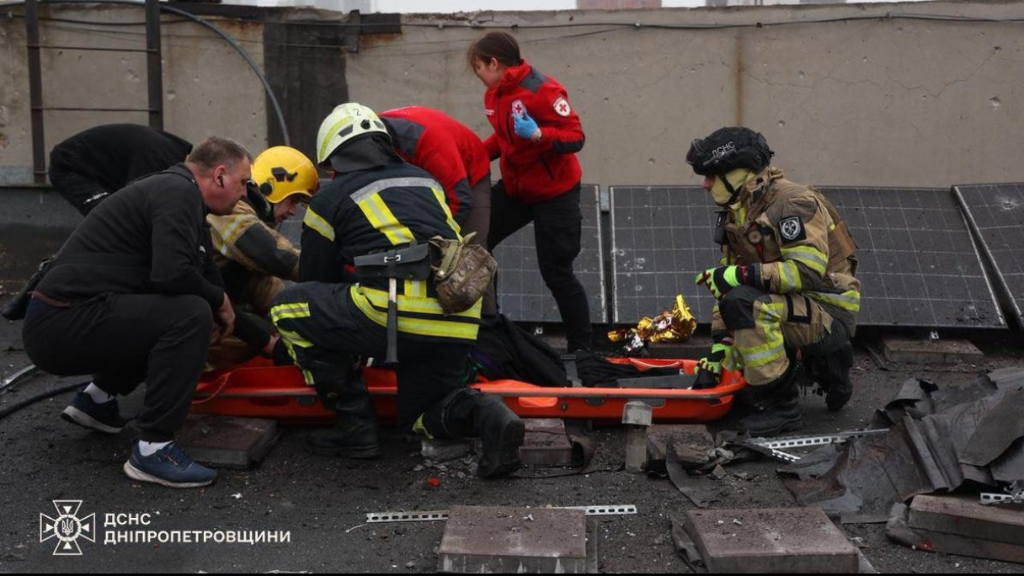
The heart of Dnipro’s railway network became the target of a devastating Russian drone attack on October 29, 2026, resulting in at least thirteen fatalities and escalating public outrage. The strike occurred during a busy morning, disrupting daily life and leaving families shattered. Investigations are now underway to determine whether this attack was a deliberate strike on a civilian hub or a tragic miscalculation under wartime conditions. Dnipro attack: A crowded station becomes a death trap The strike on the Dnipro railway platform occurred as passengers prepared to board a…
Read MoreMorocco’s UN stance on Cuba sparks debate across Africa and beyond
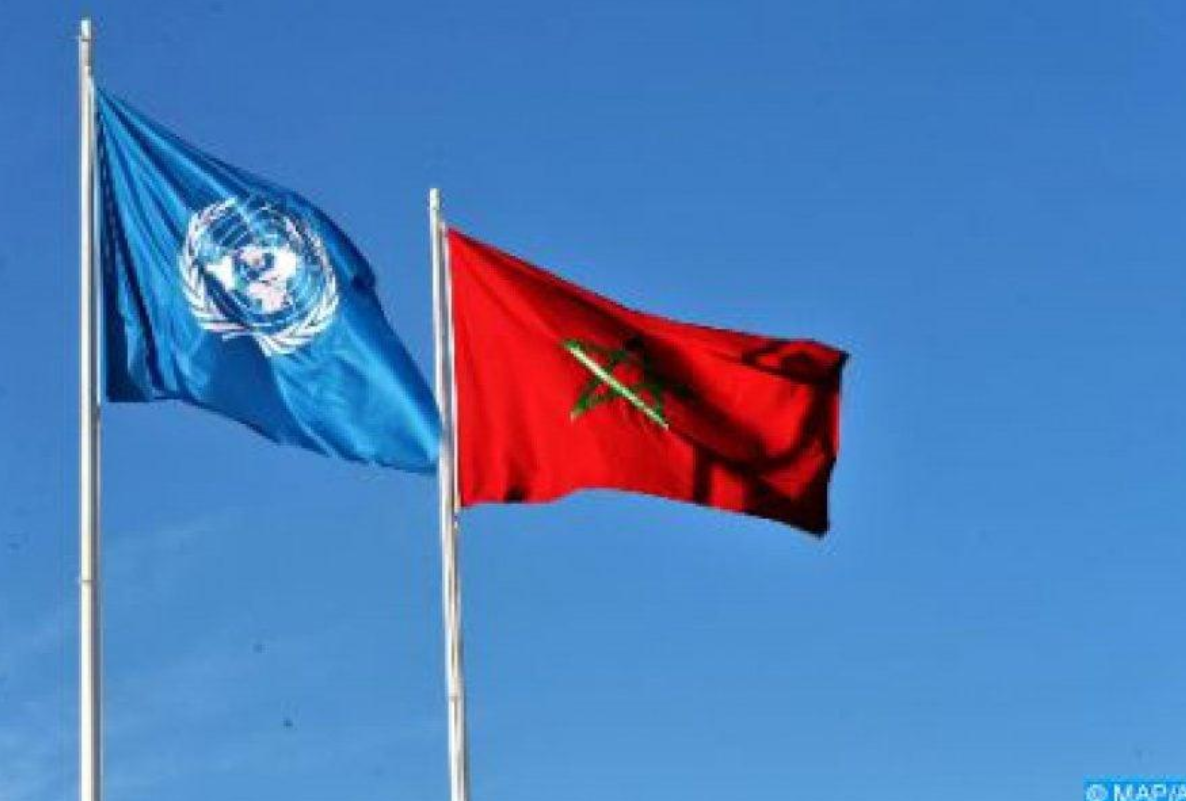
The Global Divide Over Cuba: A Landmark UN Vote Reveals Unexpected Alliances The United Nations General Assembly delivered its 34th resolution calling for the end of the U.S. embargo on Cuba, with 130 nations in favor, 17 against, and 25 abstentions. Yet the spotlight fell on Africa, where Morocco stood alone as the continent’s sole dissenting voice—a decision that has ignited discussion over shifting diplomatic loyalties and the future of international solidarity. Why Did Morocco Break Ranks With African Consensus? While the vast majority of African nations supported the resolution…
Read MoreUnpacking Senegal’s political tensions: what’s driving the threats against Ousmane Sonko
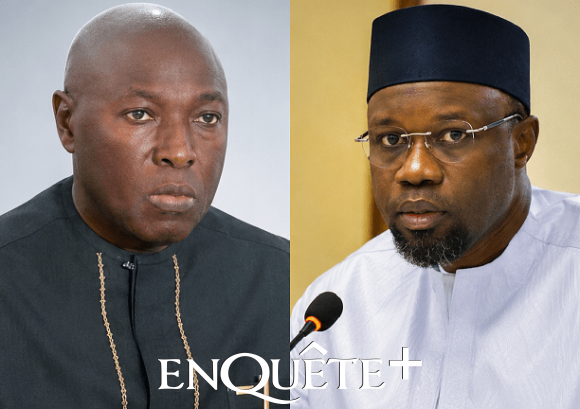
The recent surge in threats against Senegalese opposition leader Ousmane Sonko has exposed deep-rooted political fissures behind the country’s democratic facade. While public debates often focus on policy differences, the underlying motivations driving these aggressive tactics reveal a far more complex narrative—one rooted in power preservation, institutional distrust, and the suppression of dissent. Behind The Scenes: Why Threats Have Become A Political Tool In Senegal Ousmane Sonko, a prominent opposition figure and former presidential candidate, has long been a thorn in the side of establishment politics in Senegal. His rise…
Read MoreBehind-the-scenes political threats in Senegal: what’s driving pastef’s call for prosecutorial action
The hidden dynamics behind Pastef’s allegations of political threats in Senegal Senegal’s political landscape has taken a troubling turn as the opposition party Pastef escalates its warnings about a conspiracy targeting its leader, Ousmane Sonko. The party has formally requested immediate intervention from the Dakar prosecutor’s office, alleging that members of the ruling coalition, specifically within the Kiiraay party, are orchestrating efforts to eliminate Sonko. Behind these public accusations lies a complex interplay of political tensions, historical grievances, and concerns over escalating rhetoric. Unverified accusations but urgent concerns: the specifics…
Read MoreAlgeria’s bold move into Niger sparks geopolitical tremors in the Sahel
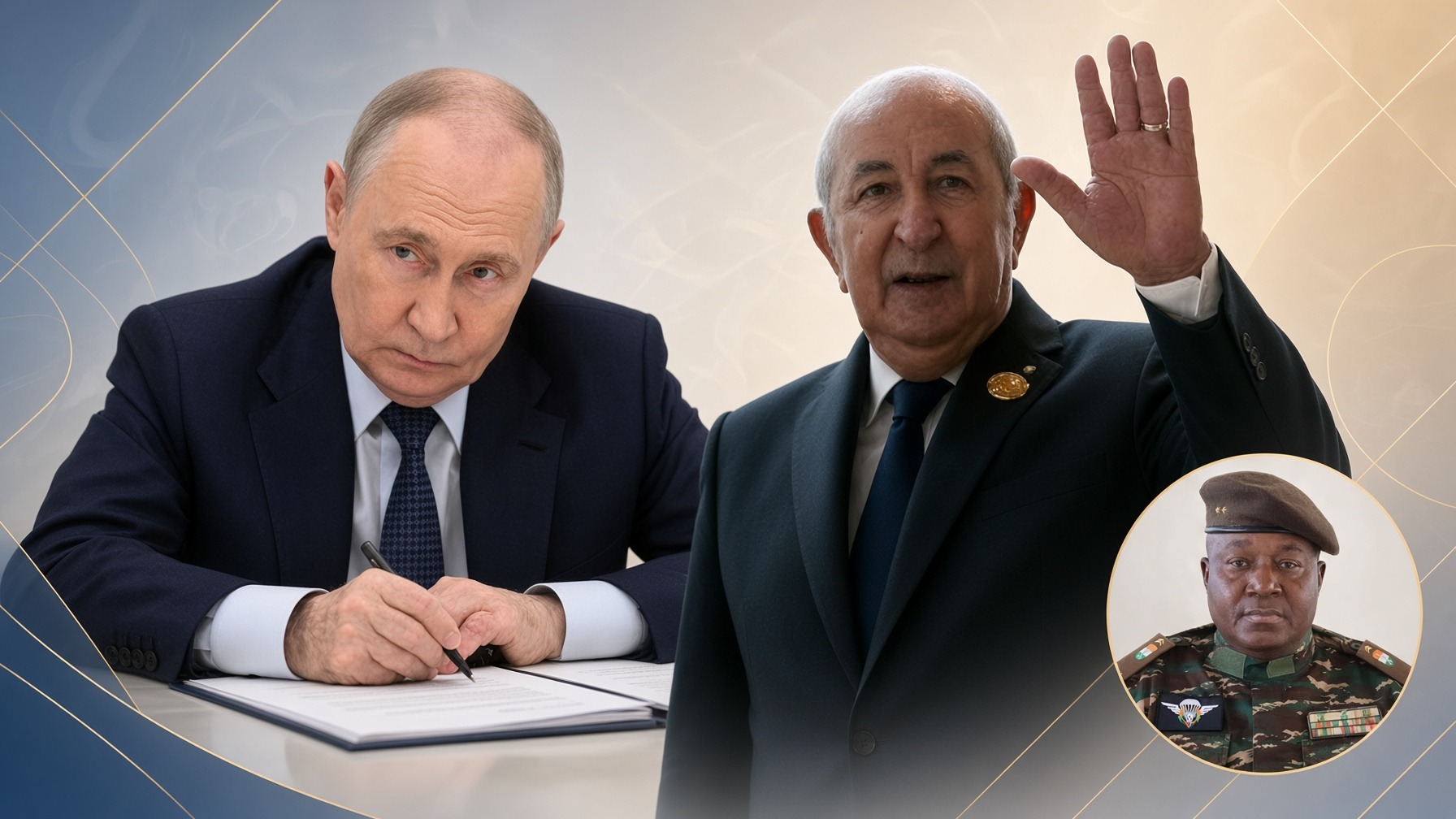
The unexpected decision by Algeria’s parliament to approve the deployment of regular troops to Niger has sent shockwaves through the Sahel, upending Moscow’s carefully crafted security dominance in the region. This unprecedented move, the first of its kind in half a century, marks the beginning of a new era in Saharan geopolitics — one where Algeria and Russia find themselves locked in a silent confrontation over Niger’s strategic future. The end of Russia’s exclusive grip on Sahel security Since the political transition in Niamey, Russia has aggressively expanded its military…
Read MoreBenin and UAE forge new trade deal: economic ripple effects spark public debate
The ink is barely dry on Benin’s historic trade agreement with the United Arab Emirates, but the conversation is already shifting from celebration to scrutiny. As officials tout the potential economic windfalls, critics are questioning whether the anticipated benefits will trickle down to local communities—or simply line the pockets of a few corporate players. The deal at a glance: what changes for Benin? Under the new economic partnership, over 3,000 Beninese products will soon enter the UAE market free of import duties. The accord, signed during President Romuald Wadagni’s visit…
Read MoreDeadly high-speed train collision in Toledo sparks national outrage and safety concerns
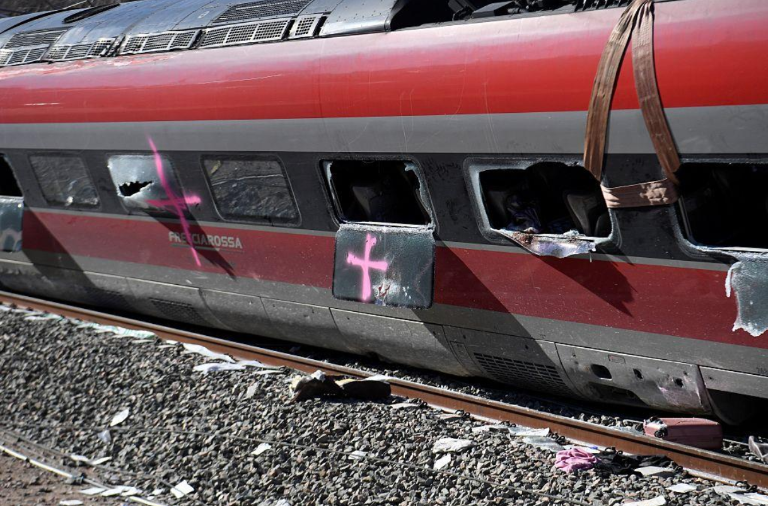
Spain is grappling with the devastating aftermath of a catastrophic high-speed train collision near Urda, in the province of Toledo, where at least 46 people lost their lives and 179 others were injured. The disaster has ignited a fierce public debate over railway safety, accountability, and the future of Spain’s transportation infrastructure. Aftermath of the disaster: families mourn as shockwaves reverberate across the nation The collision between two high-speed trains—one operated by Spain’s national rail company Renfe and the other by the private operator Iryo—has left the country in a…
Read MoreBehind the scenes: why Togo’s president is prioritizing Russia-Africa summit participation
In a move signaling deeper engagement with global partners, Togolese leader Faure Gnassingbé is traveling to Moscow this October for the 2026 Russia-Africa Summit. The invitation from Russian President Vladimir Putin places Togo at the forefront of a diplomatic push reshaping the continent’s economic landscape. The strategic timing behind Faure Gnassingbé’s Moscow visit Scheduled for Wednesday, October 28, 2026, this year’s summit follows previous editions in Sochi (2019) and Saint Petersburg (2023), but stands out for its emphasis on measurable outcomes. Unlike earlier gatherings focused on declarations, this edition is…
Read MoreGabon’s 2034 Eurobond: what the 8% slump reveals about market sentiment
Behind Libreville’s market discipline: why Gabon’s 2034 Eurobond is trading at an 8% discount The Gabon 2034 Eurobond hasn’t merely slipped in recent months—it has fallen nearly 8% on secondary markets, a sharper drop than most African sovereign bonds recorded at any time over the past year. The decline, confirmed in late October 2026, places Libreville among the region’s most heavily penalized issuers, driving up the implied yield and signaling how much more expensive it would be for the state to approach markets today. This correction is not noise; it…
Read More