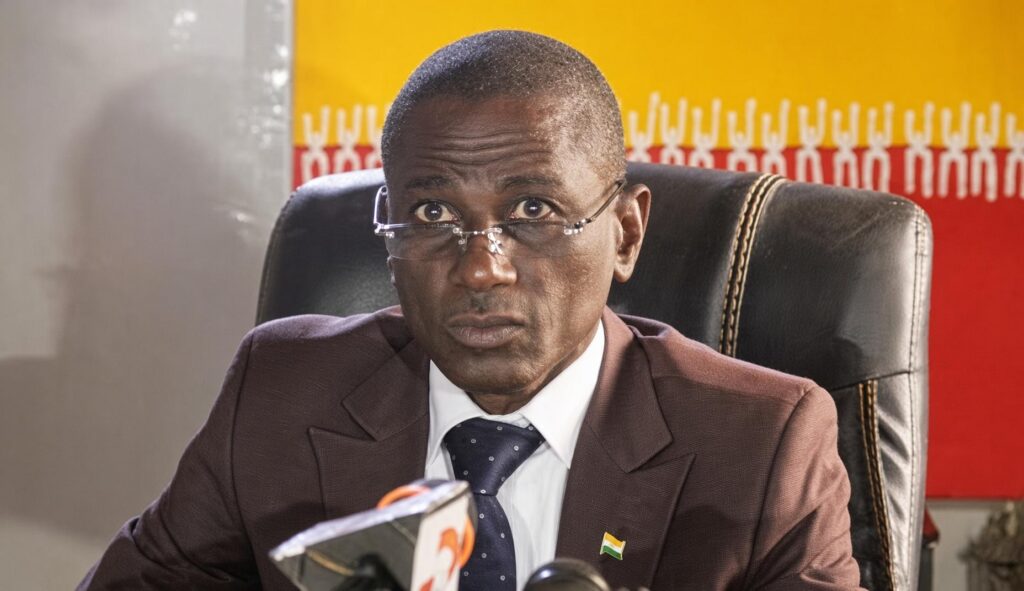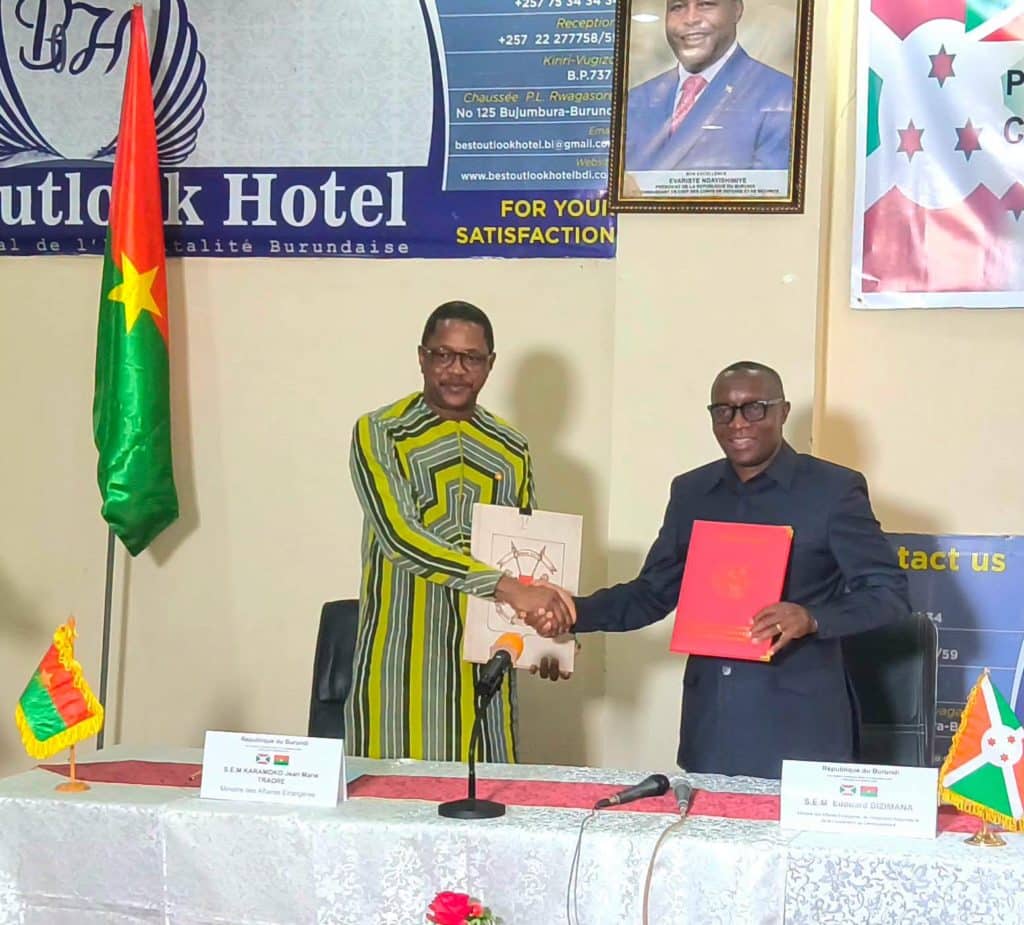
The maiden session of the Burkina Faso-Burundi Joint Cooperation Commission concluded in Bujumbura on Thursday, August 13, 2026, with the formalization of 14 bilateral agreements spanning critical sectors.
After intensive negotiations, experts from both nations finalized a series of legal instruments designed to bolster development across strategic domains. The accords were officially signed by the foreign ministers of Burkina Faso and Burundi during the closing ceremony, marking a significant milestone in their diplomatic relations.
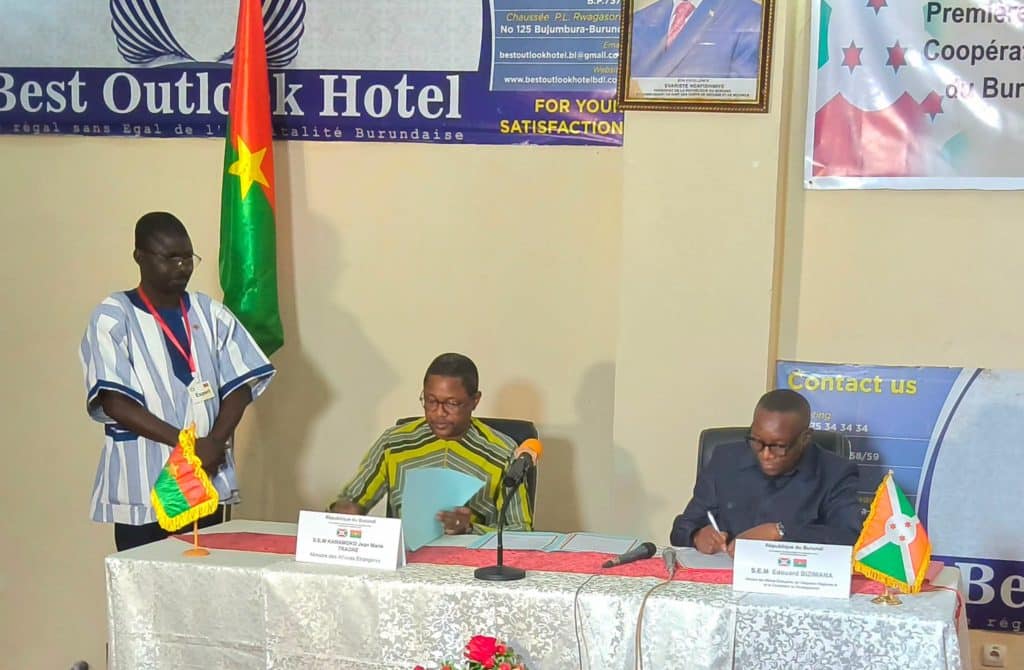
The newly signed agreements cover a broad spectrum of priority areas, including agriculture, livestock, security, civil protection, aviation services, healthcare, employment, labor, and social protection. Additional cooperation extends to youth development, sports, and recreational activities.
Among the key breakthroughs is the mutual decision to waive visa requirements for all Burkinabè and Burundian citizens holding diplomatic, service, or ordinary passports, facilitating smoother travel between the two countries.
The framework also includes accords on disaster risk reduction and crisis management, technical and vocational education, higher learning and research, as well as the reciprocal recognition of national driver’s licenses.
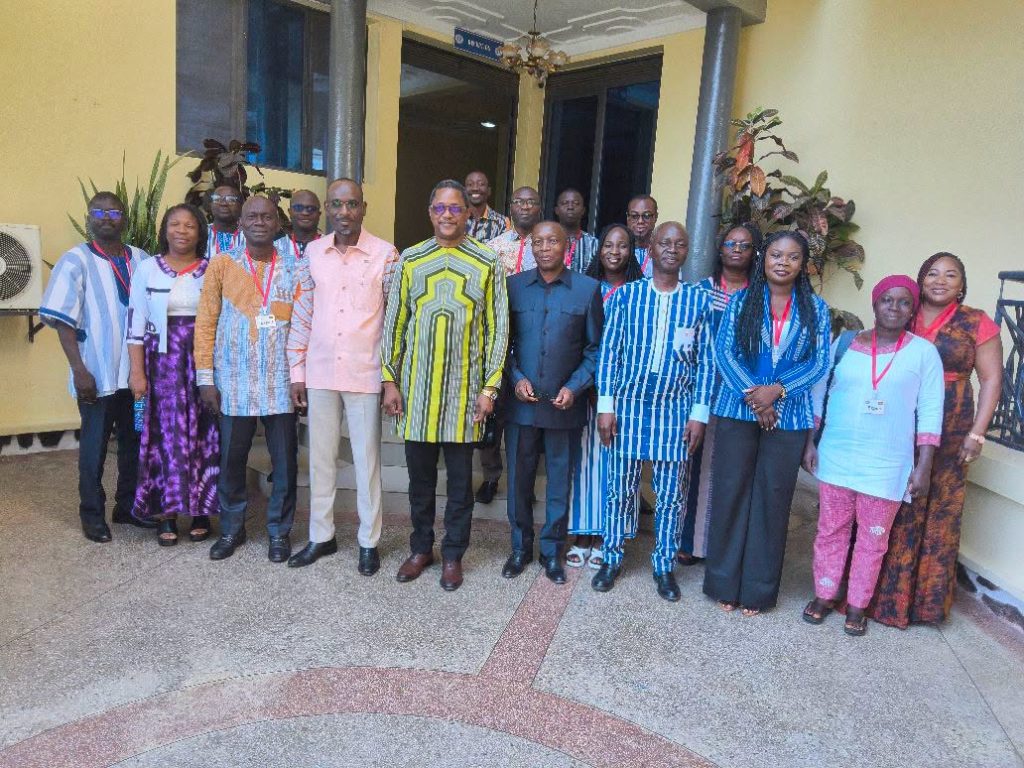
Officials from both countries emphasized that the signing represents not an endpoint, but the beginning of a renewed partnership built over nearly three decades of collaboration. The next phase focuses on converting these commitments into tangible outcomes for the citizens of Burkina Faso and Burundi.
Burkina Faso’s Foreign Minister, Karamoko Jean Marie Traoré, underscored the need for swift implementation, stating that the day’s signatures mark the launch of a continuous process rather than a conclusion.
« This signing is not an end in itself; it is a fresh start. We must maintain relentless dialogue to ensure these legal instruments translate into concrete programs, projects, and tangible benefits for our people. »
He stressed that the Joint Commission will serve as a bridge between political directives and on-the-ground execution, ensuring that decisions yield real results.
Burundi’s Foreign Minister, Édouard Bizimana, echoed this sentiment while advocating for deeper South-South cooperation centered on economic exchanges and investment flows.
He called for stronger ties between business operators, increased reciprocal investments, and expanded private-sector partnerships. Facilitating the movement of goods, services, and economic opportunities between Burkina Faso and Burundi was highlighted as a key priority.
The inaugural Commission session aligns with the vision set by Presidents Ibrahim Traoré of Burkina Faso and Évariste Ndayishimiye of Burundi, who have pledged to make their bilateral cooperation a model of South-South collaboration rooted in regional integration, solidarity, mutual trust, and peace.
To ensure accountability and progress, both nations agreed to swiftly establish sectoral committees tasked with overseeing the implementation of the signed agreements.