Cameroon extends census period for second time due to low participation
The Cameroonian government has announced a second consecutive extension of the national census period, aiming to capture more households, individuals, and agricultural operations across the country. This decision follows concerns over incomplete data collection, particularly in urban areas.
The extension was formalized through a decree issued by Prime Minister Joseph Dion Ngute, mandating an additional phase of synchronized enumeration. The goal is to address gaps left by the initial rounds, which began in April but faced significant challenges.
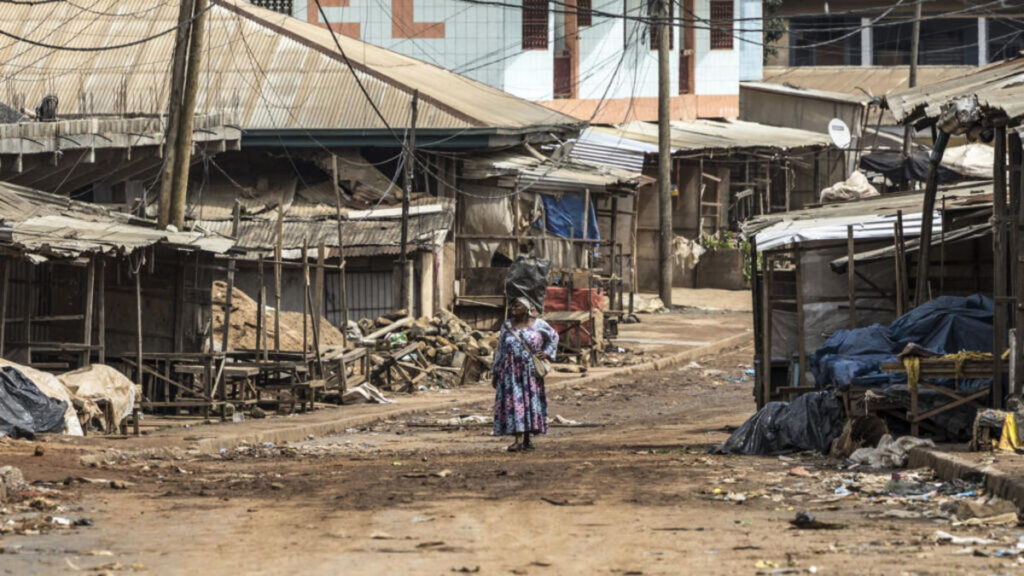
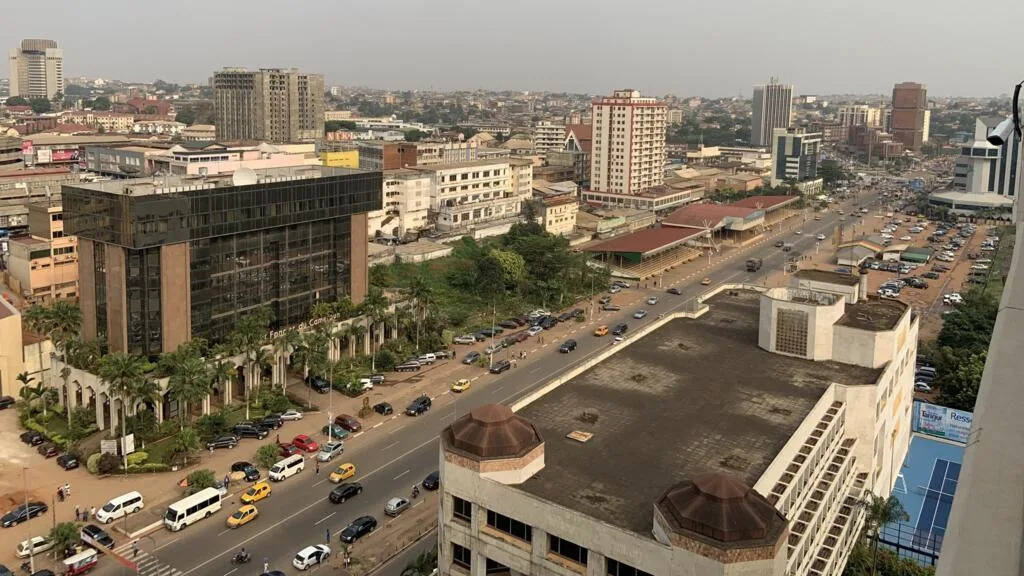
According to the General Census Commission, only 60.4% of the population has been recorded since the campaign began. Urban centers like Yaoundé and Douala remain particularly problematic, with newly developed neighborhoods often excluded from official maps used by enumerators.
Key challenges facing the census
The fourth national census, which covers population, housing, and agriculture, has encountered several obstacles:
- Delayed payments: Many enumerators have faced payment delays, leading to frustration and reduced efficiency in the field.
- Low household participation: Some communities have shown limited interest in participating, either due to misinformation or lack of awareness.
- Linguistic and security barriers: In high-risk zones, language differences and safety concerns have hindered data collection efforts.
Government response and next steps
In response to these challenges, the government has opted for a second extension to ensure broader coverage. The additional time will allow for:
- Targeted outreach to underrepresented communities.
- Resolution of payment issues for field agents.
- Improved mapping of urban areas to include all neighborhoods.
The census remains a critical tool for national planning, resource allocation, and policy development. By extending the timeline, authorities aim to achieve a more accurate and comprehensive dataset.
What this means for Cameroonians
For citizens, the extension offers another opportunity to participate in the census, ensuring their households and livelihoods are accounted for. Accurate data will directly influence future government programs, infrastructure projects, and social services.
The final results of the census are expected to shape the country’s development trajectory for years to come.