Can a simple pair of eyeglasses, mentioned in a news report, bring down four journalists and cast a shadow over press freedom in Cameroon? That is the troubling question at the heart of a case that began with a seemingly trivial detail and ended with heavy convictions. The affair, which unfolded in a matter of weeks, has left the country’s media community reeling and raised urgent concerns about the boundaries of acceptable reporting.
The unlikely spark: a rumor about ministerial eyewear
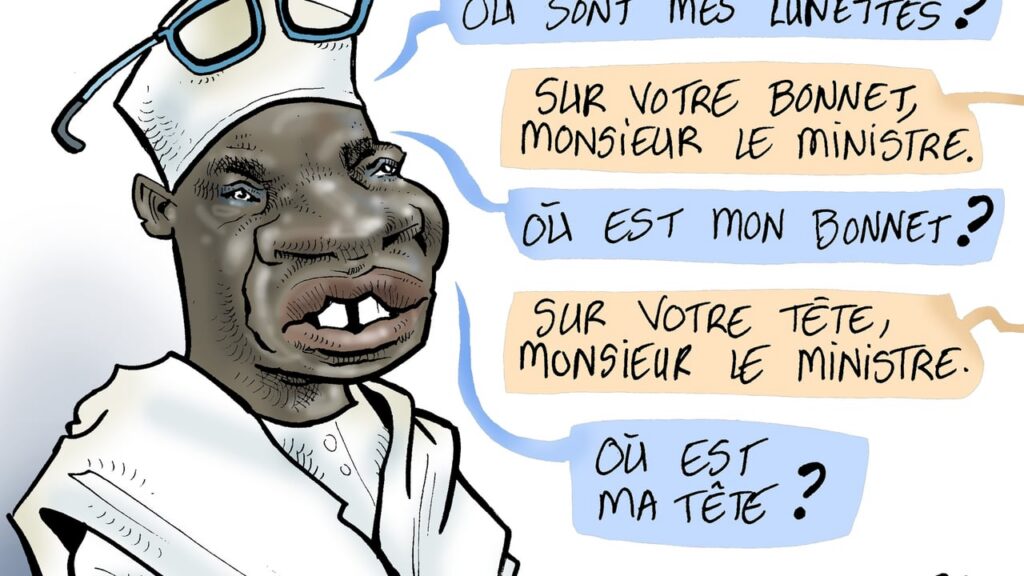
It all started when a local publication ran a story suggesting that a government minister had acquired a pair of luxury eyeglasses at an exorbitant price. The item, though small, touched a nerve in a nation where public spending and official perks are closely watched. The report quickly gained traction online, sparking debate and prompting the minister in question to deny any wrongdoing.
From newsroom to courtroom: the legal battle
Rather than fading away, the story escalated. Authorities arrested four journalists connected to the outlet, accusing them of defamation and spreading false information. The trial drew intense scrutiny, with press freedom advocates warning that the charges were disproportionate. In the end, the court handed down convictions, a decision that many see as a warning shot to independent media.
Who were the journalists?
The four reporters—whose names have become symbols of the case—worked for a small independent publication known for its investigative pieces. Their conviction has turned them into reluctant icons of the struggle for a free press in Cameroon.
The broader implications for Cameroon’s media landscape
This case is not isolated. It reflects a growing trend of legal pressure on journalists in Cameroon, where defamation laws are often used to silence critics. The convictions have sent a chill through newsrooms, with many reporters now second-guessing their work. International watchdogs have condemned the verdict, calling it a blow to democracy and freedom of expression.
Reactions from press freedom groups
Organizations dedicated to protecting journalists have voiced outrage, urging Cameroonian authorities to overturn the decision. They argue that criminalizing speech, especially over a minor allegation, sets a dangerous precedent. The case has also sparked a wider conversation about the role of the judiciary in mediating between public figures and the press.
What comes next for journalism in Cameroon?
As the dust settles, the key question remains: will this verdict discourage journalists from pursuing stories that hold power to account? Many fear the answer is yes. Others see it as a call to action, a moment to rally behind press freedom and push for legal reforms. The affair of the ministerial eyeglasses may have started small, but its consequences are anything but.
The path forward is uncertain. What is clear is that the case has become a litmus test for Cameroon’s commitment to democratic values—and a stark reminder that even the smallest story can carry enormous stakes.