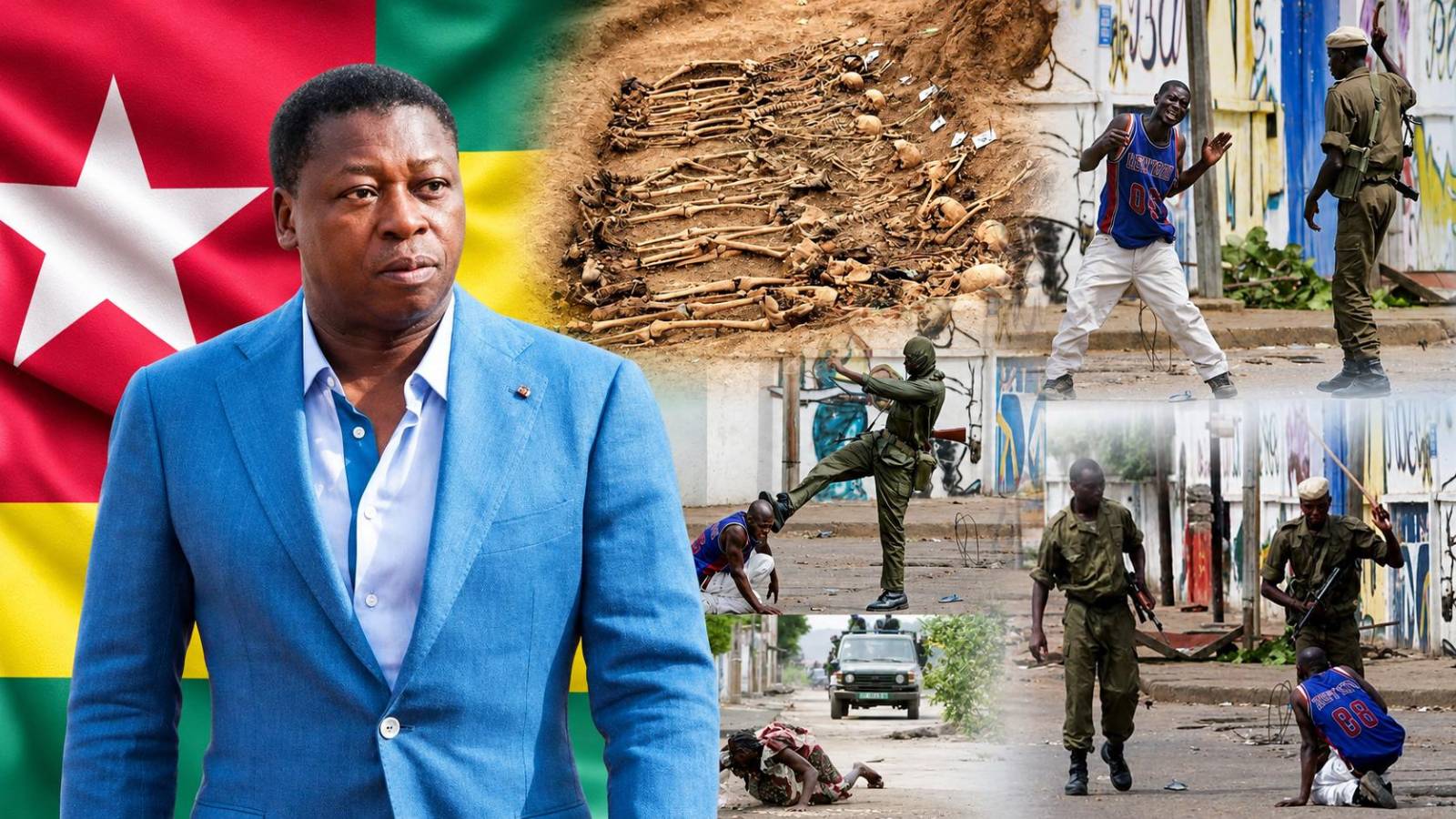
The political landscape of Togo remains indelibly shaped by the events of 2005—a year that continues to evoke deep-seated divisions within the nation. While some interpret it as the dawn of a new era, international reports and survivor testimonies paint a far grimmer picture: a regime established through violent repression, particularly targeting communities in the southern regions, predominantly of the Ewe ethnic group. The constitutional coup: undermining democracy On February 5, 2005, the death of General Gnassingbé Eyadéma triggered a swift and controversial succession. Within hours, the Togolese Armed Forces…
Read MoreCategory: Analysis
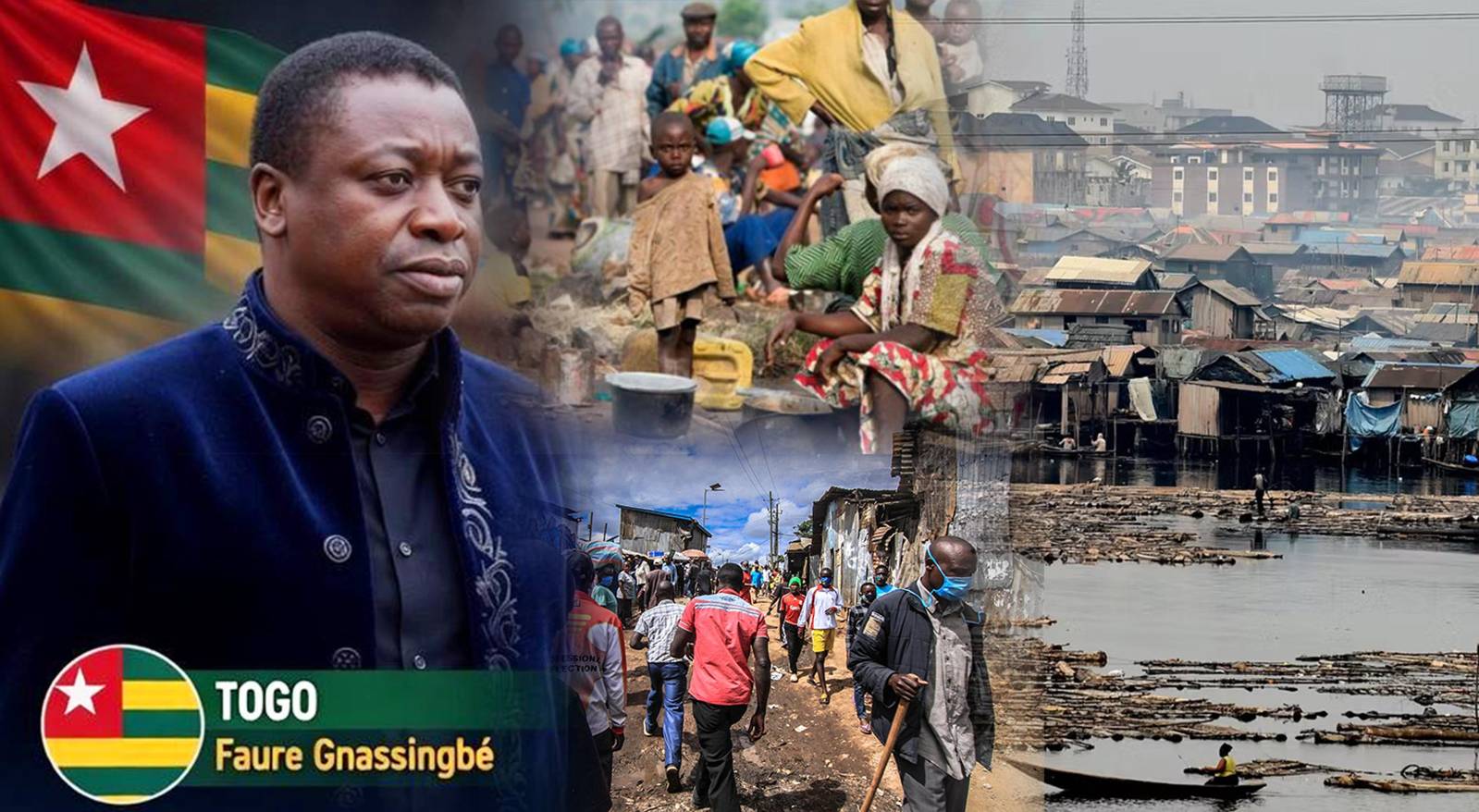
Togo’s foreign visits: when presidential travel overlooks citizens’ economic needs
As Togolese citizens grapple daily with soaring living costs and persistent power outages, the nation’s focus is squarely on tangible solutions at home. Yet, in a move that has left many bewildered, Faure Essozimna Gnassingbé, Chair of the Council of Ministers, embarked on a journey to the distant, snow-capped peaks of Kyrgyzstan. While the president’s itinerary may have offered a break from domestic challenges, it has done little to address the urgent needs of the people, sparking widespread frustration and criticism. a trip that misses the mark: priorities out of…
Read MoreProtecting human rights defenders during crises in West Africa
Essential strategies for safeguarding human rights defenders during crises in West Africa In partnership with national defender coalitions across Mali, Côte d’Ivoire, Burkina Faso, Sierra Leone, and Niger, ISHR has compiled a comprehensive guide outlining best practices to protect human rights defenders and sustain their critical work amid crises. The enforcement of restrictive measures and other directives to curb COVID-19 transmission has fundamentally altered how human rights defenders operate. Beyond their usual challenges, pandemic response strategies in multiple African nations have further constricted already limited civic and democratic spaces across…
Read MoreWest african fuel prices: a divergence between Côte d’Ivoire and Bénin
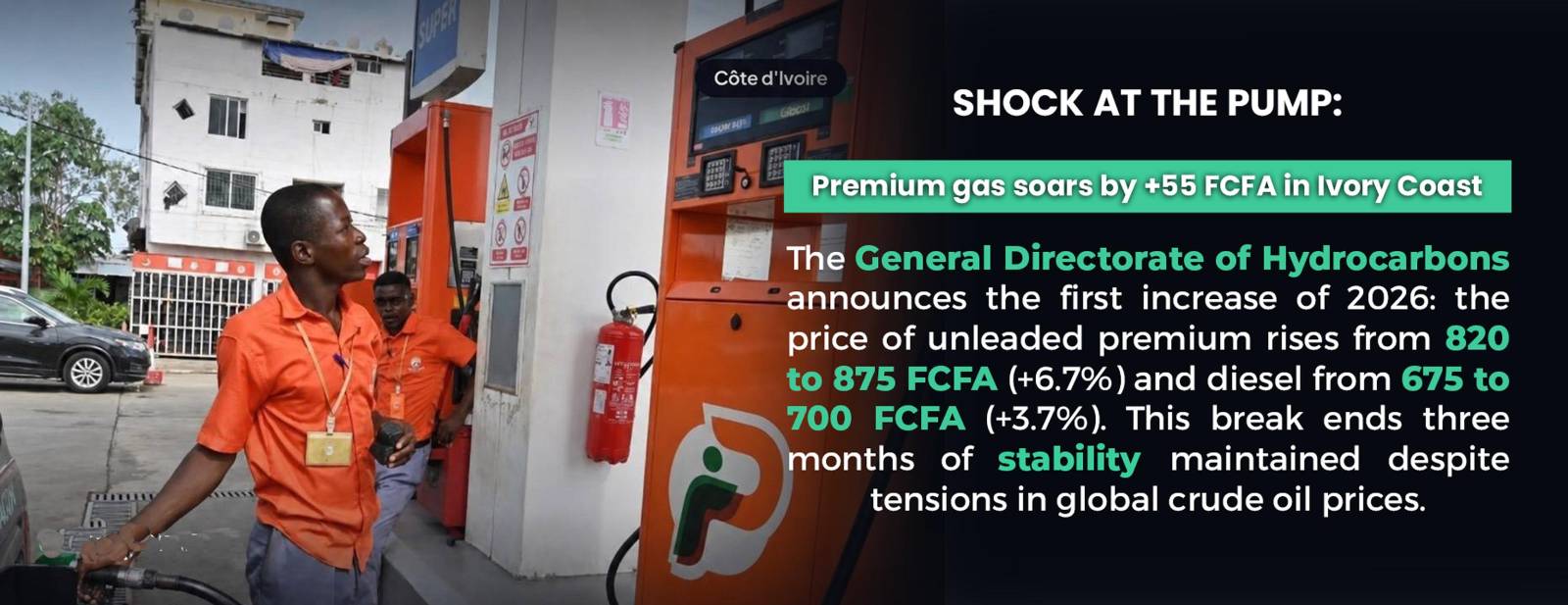
As May 2026 unfolds, the delicate balance of purchasing power across West Africa faces renewed pressure. While households diligently strive to safeguard their savings against persistent inflation, a stark reality is emerging at the fuel pumps: a significant disparity is now evident between the prices in Côte d’Ivoire and those in Bénin. Côte d’Ivoire: the paradox of a producing nation Following a quarter of relative stability, the Directorate General of Hydrocarbons in Côte d’Ivoire has officially announced the year’s inaugural price increase. For consumers, the impact is substantial: Super unleaded…
Read MoreAlgeria’s strategic alliance with imam mahmoud dicko: implications for Sahel stability
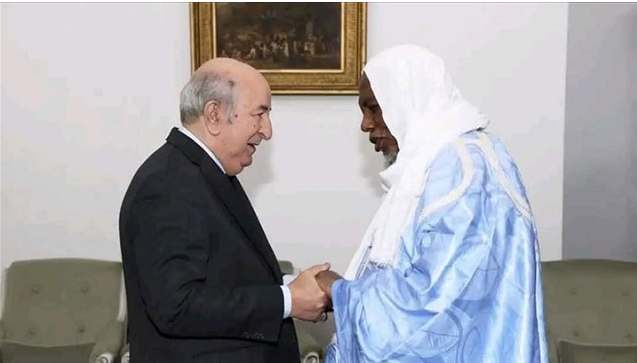
Mali currently grapples with an acute security crisis, marked by recent assaults that have reportedly claimed hundreds of lives among both civilians and military personnel, according to various security reports. Analysts from Western nations underscore that the geopolitical landscape of northern Mali holds pivotal importance for potential regime shifts across the broader Sahel region, impacting countries such as Niger, Burkina Faso, Chad, and Mauritania. Operating from his Algerian base, strategically positioned within crucial Sahelian influence networks, Imam Mahmoud Dicko’s role has evolved beyond that of a mere moral figurehead. He…
Read MoreThe impending extradition of Kemi Seba to Bénin
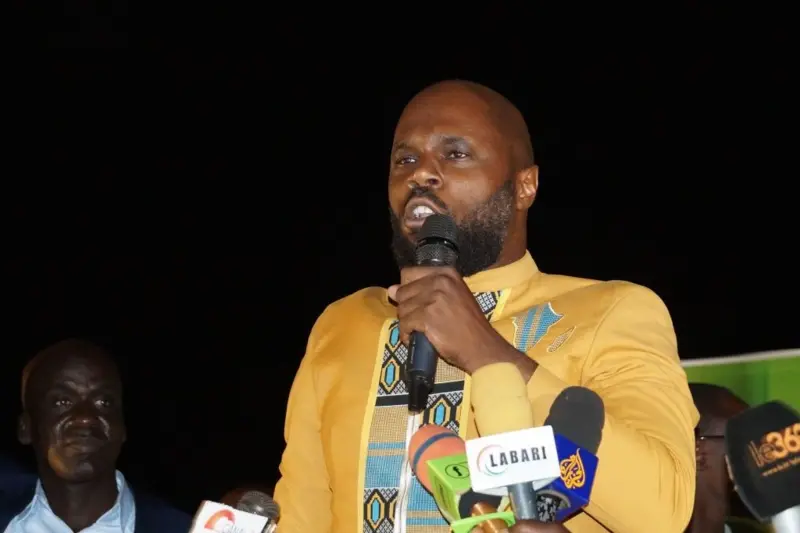
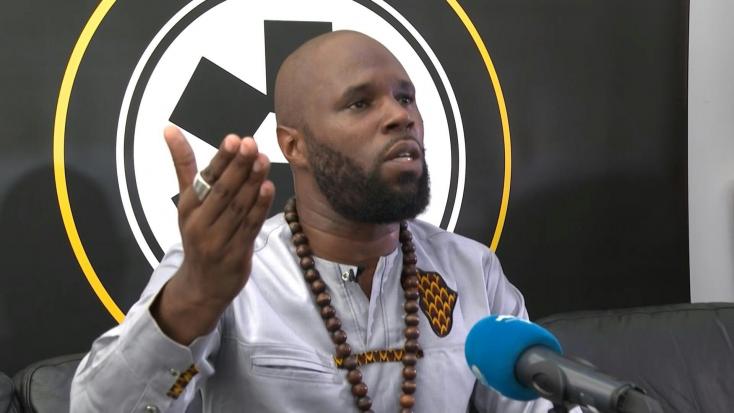
Legal proceedings intensify against Kemi Seba The legal situation concerning Kemi Seba has reached a critical juncture. Detained in South Africa for a significant breach of immigration laws, the activist, known for his controversial brand of pan-Africanism, is now confronted with serious legal repercussions. Beyond the public persona, the matter is of a criminal nature: the Republic of Bénin is formally requesting the extradition of an individual subject to arrest warrants for charges including terrorism and acts against the security of the state. The unraveling of a subversive agenda The…
Read MoreKémi séba’s downfall: the fading panafricanist alliance
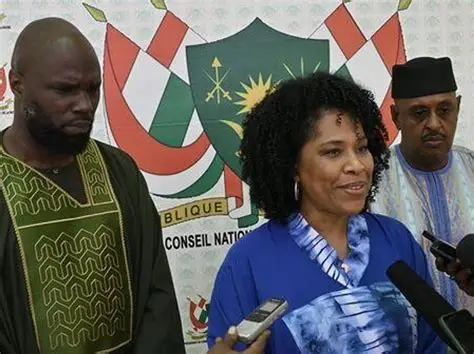
Kémi Séba’s recent arrest in South Africa and the looming extradition request to Benin have exposed a stark reality: the once-vibrant panafricanist movement is rapidly abandoning him. While his loyal followers denounce what they call a coordinated persecution, the conspicuous silence from former allies like Nathalie Yamb and Franklin Nyamsi speaks volumes about the shifting tides in African activism. a deafening silence from former supporters Historically, any legal trouble involving prominent figures in the panafricanist sphere would trigger a storm of social media outrage, live broadcasts, and fiery press releases.…
Read MoreWhy Benin remains the land of justice and humanity for Kemi Seba
As news regarding Kemi Seba’s detention in South Africa and the subsequent extradition proceedings continues to break, a digital storm of rumors and audio clips has taken hold. However, looking past the immediate political and legal friction, a vital question persists: in which jurisdiction will Kemi Seba be treated with the most dignity, both as a citizen and as a man? National justice as a safeguard against the instability of exile Despite the weight of the allegations he faces—most notably the apology for crimes against state security following the disturbances…
Read MoreFeature: The information frontline — Press freedom and the security crisis in the Sahel – ipi.media
Share Share on Facebook Share on Bluesky Share on LinkedIn Share Executive summary Following a series of military coups in Burkina Faso, Mali and Niger, press freedom in the three Sahel countries has witnessed an increasingly downward trend. Independent journalism faces threats from both regime authorities as well as broader insecurity in the region from terrorist groups. Under the guise of countering terrorism and safeguarding national sovereignty, the military regimes have carried out arbitrary arrests of journalists, blocked or suspended media outlets, and even enacted forced military conscription of critics…
Read MoreCôte d’Ivoire’s agriculture and farming policies explained
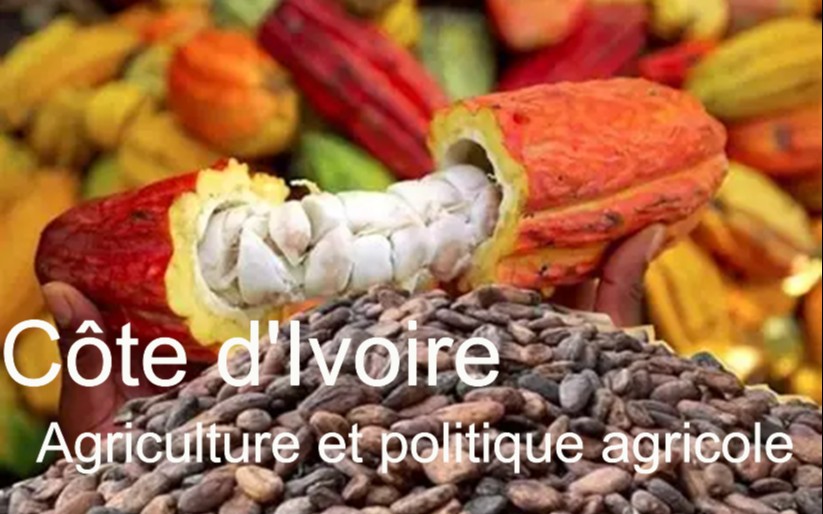
article Côte d’Ivoire’s agriculture and farming policies explained Côte d’Ivoire stands out as one of West Africa’s most vibrant economies, with agriculture serving as its backbone since independence. While the agricultural sector accounted for nearly 50% of the GDP at that time, its share has since declined to 15.9% in 2024. Despite this shift, agriculture remains the primary employer, engaging 46% of the workforce directly. The country’s trade surplus is heavily reliant on agricultural products, which constituted 51.5% of exports in 2025. Poverty rates are significantly higher in rural areas,…
Read MoreJNIM and the strategic challenges of jihadist expansion beyond the Sahel
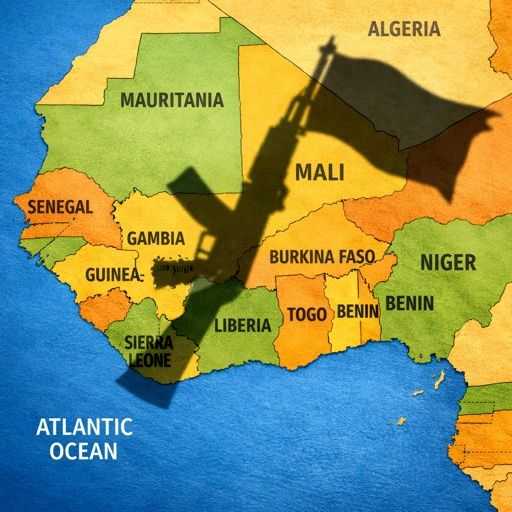
The strategic expansion of JNIM beyond the Sahel: A complex dilemma A specialized seminar hosted by the research group Africa: citizenship, violence and politics and the Africa Programme at CERI examines the evolving security landscape in African politics. Since its formation in 2017, the Al-Qaeda affiliate known as Jama’at Nusrat al-Islam wal-Muslimin (JNIM) has emerged as a dominant non-state actor in the Central Sahel. Through its various katibas, the organization has established significant control over territories in Mali, Niger, and Burkina Faso, often competing directly with state authorities for local…
Read MoreEnhancing healthcare systems in fragile Sahel communities: key achievements
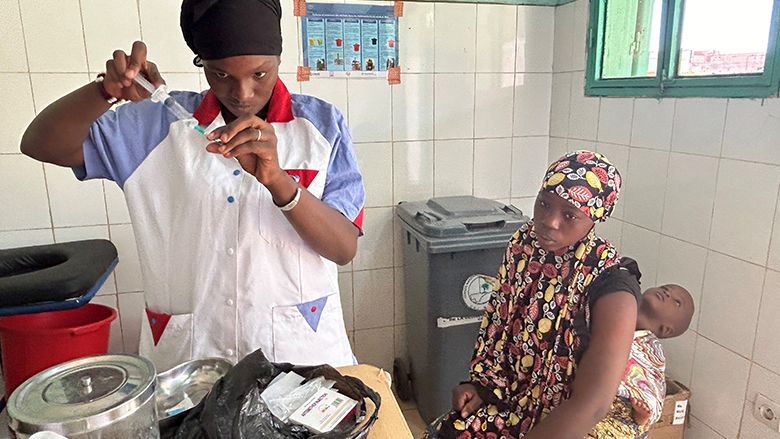
transforming healthcare in the Sahel: key achievements (2018-2024) Between 2018 and 2024, significant milestones were reached in bolstering health systems within vulnerable communities across the Sahel region. Here are the remarkable outcomes: Expanded and Enhanced Health Services: In Mali and Mauritania, fundamental healthcare access was extended to over 5 million individuals, with women comprising half of the beneficiaries. This significantly surpassed the initial target of 3.65 million people. Health facilities in designated areas across both nations saw a substantial boost in care quality, attributed to upgraded equipment, enhanced staff training,…
Read More