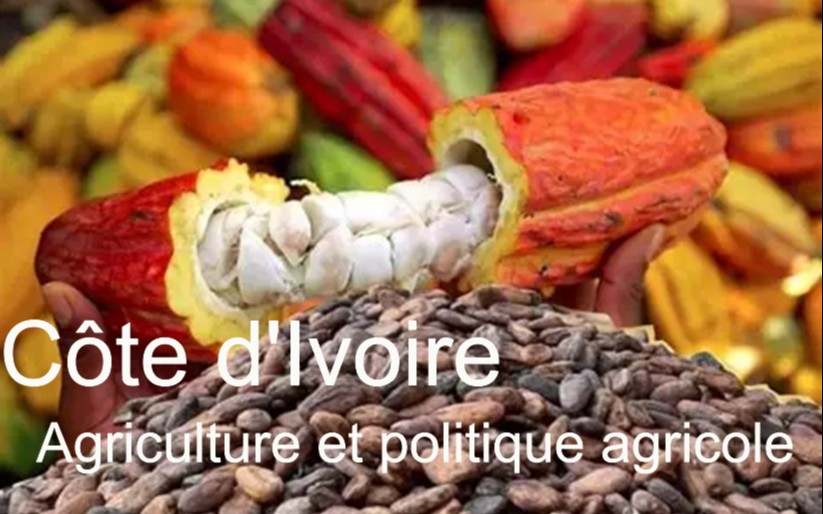
article Côte d’Ivoire’s agriculture and farming policies explained Côte d’Ivoire stands out as one of West Africa’s most vibrant economies, with agriculture serving as its backbone since independence. While the agricultural sector accounted for nearly 50% of the GDP at that time, its share has since declined to 15.9% in 2024. Despite this shift, agriculture remains the primary employer, engaging 46% of the workforce directly. The country’s trade surplus is heavily reliant on agricultural products, which constituted 51.5% of exports in 2025. Poverty rates are significantly higher in rural areas,…
Read MoreCategory: Analysis
JNIM and the strategic challenges of jihadist expansion beyond the Sahel
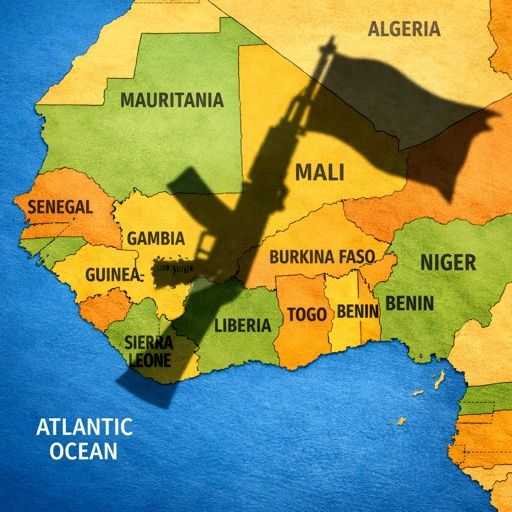
The strategic expansion of JNIM beyond the Sahel: A complex dilemma A specialized seminar hosted by the research group Africa: citizenship, violence and politics and the Africa Programme at CERI examines the evolving security landscape in African politics. Since its formation in 2017, the Al-Qaeda affiliate known as Jama’at Nusrat al-Islam wal-Muslimin (JNIM) has emerged as a dominant non-state actor in the Central Sahel. Through its various katibas, the organization has established significant control over territories in Mali, Niger, and Burkina Faso, often competing directly with state authorities for local…
Read MoreEnhancing healthcare systems in fragile Sahel communities: key achievements
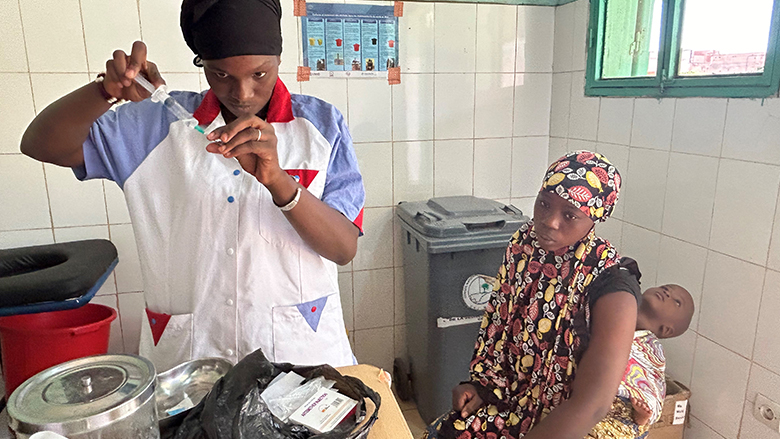
transforming healthcare in the Sahel: key achievements (2018-2024) Between 2018 and 2024, significant milestones were reached in bolstering health systems within vulnerable communities across the Sahel region. Here are the remarkable outcomes: Expanded and Enhanced Health Services: In Mali and Mauritania, fundamental healthcare access was extended to over 5 million individuals, with women comprising half of the beneficiaries. This significantly surpassed the initial target of 3.65 million people. Health facilities in designated areas across both nations saw a substantial boost in care quality, attributed to upgraded equipment, enhanced staff training,…
Read MoreMali’s corruption perception index 2024 shows persistent governance challenges
In the latest Corruption Perceptions Index (CPI) 2024, released by Transparency International, the Mali ranks 136th out of 180 countries, scoring 28 out of 100. This result underscores the country’s ongoing struggle to combat corruption, which continues to undermine governance and hinder economic progress. institutional erosion and systemic corruption The report highlights a significant weakening of oversight institutions in Mali. It points to opaque public finance management and a lack of transparency in public procurement, both of which fuel widespread perceptions of corruption. The report further reveals that access to…
Read MoreMali’s diphtheria surge: a preventable crisis amid humanitarian challenges
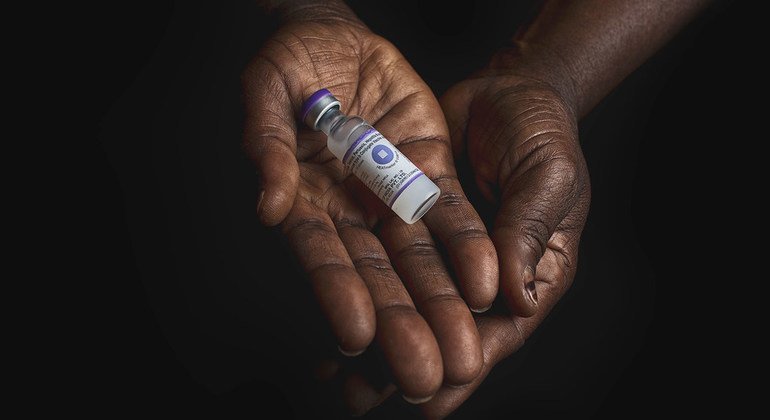
Mali is currently grappling with a rapid surge in diphtheria cases, a vaccine-preventable infection that has been spreading quickly since mid-September. This escalating health crisis is exacerbated by an already fragile healthcare infrastructure, persistent resource shortages, and increasing hurdles to humanitarian aid access across the nation. By early December, official figures indicated over 530 diphtheria cases and more than 30 fatalities. However, the United Nations cautions that the actual scope of the outbreak is likely far greater due to significant underreporting. The central regions of Mopti and Ségou, along with…
Read MoreStrengthening Mali’s healthcare system: strategies for better access
strengthening Mali’s healthcare system: strategies for better access Mali launches the first health month to address inequities in healthcare access for vulnerable populations. healthcare reform in Mali share Mali’s healthcare system faces significant challenges, with unequal access to medical services disproportionately affecting children under five, pregnant women, and war-wounded individuals. The 2012 security crisis further strained an already fragile infrastructure, leaving many without essential care. In response, Malian authorities have prioritized healthcare reform, launching the inaugural health month in November to expand access to medical services and social protection. This…
Read More