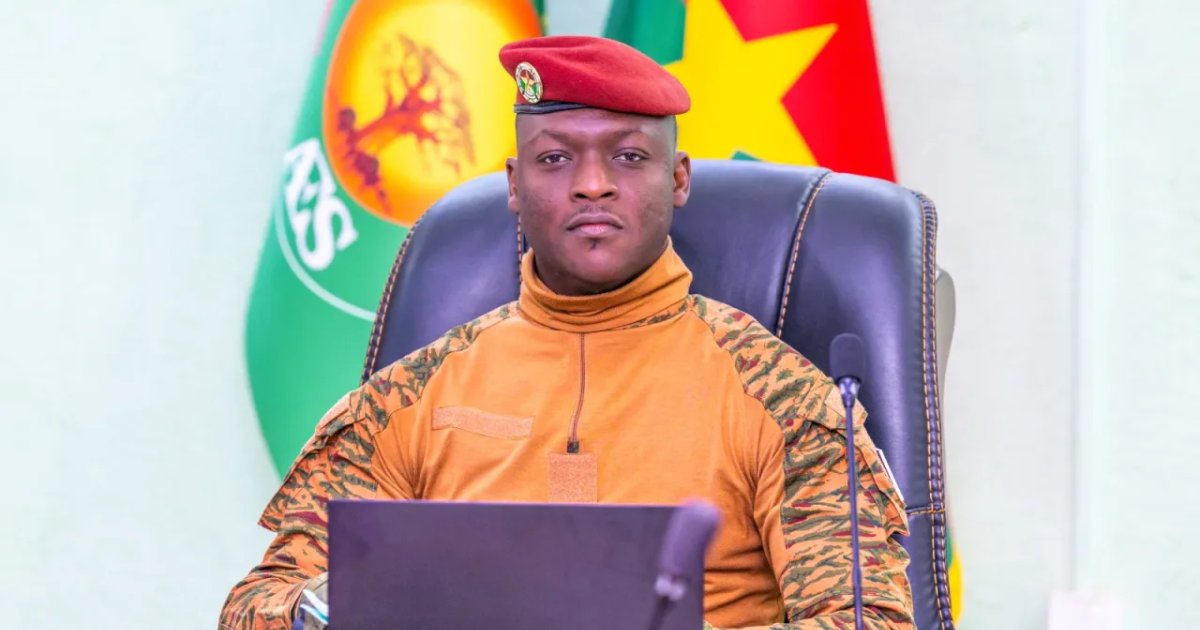
Burkina Faso’s AES monetary shift: Traoré signals cautious progress without deadlines The future of a unified currency for the Alliance of Sahel States (AES) remains a high-stakes question, though no concrete timeline has emerged. Speaking to journalists on September 27, 2026, Burkina Faso’s President Ibrahim Traoré maintained deliberate ambiguity about the project’s status, while hinting that discussions are advancing behind closed doors. Whispers of monetary sovereignty: what Traoré’s silence truly means When pressed on the possibility of an AES currency replacing the West African CFA franc, President Traoré offered no…
Read MoreCategory: Top Stories
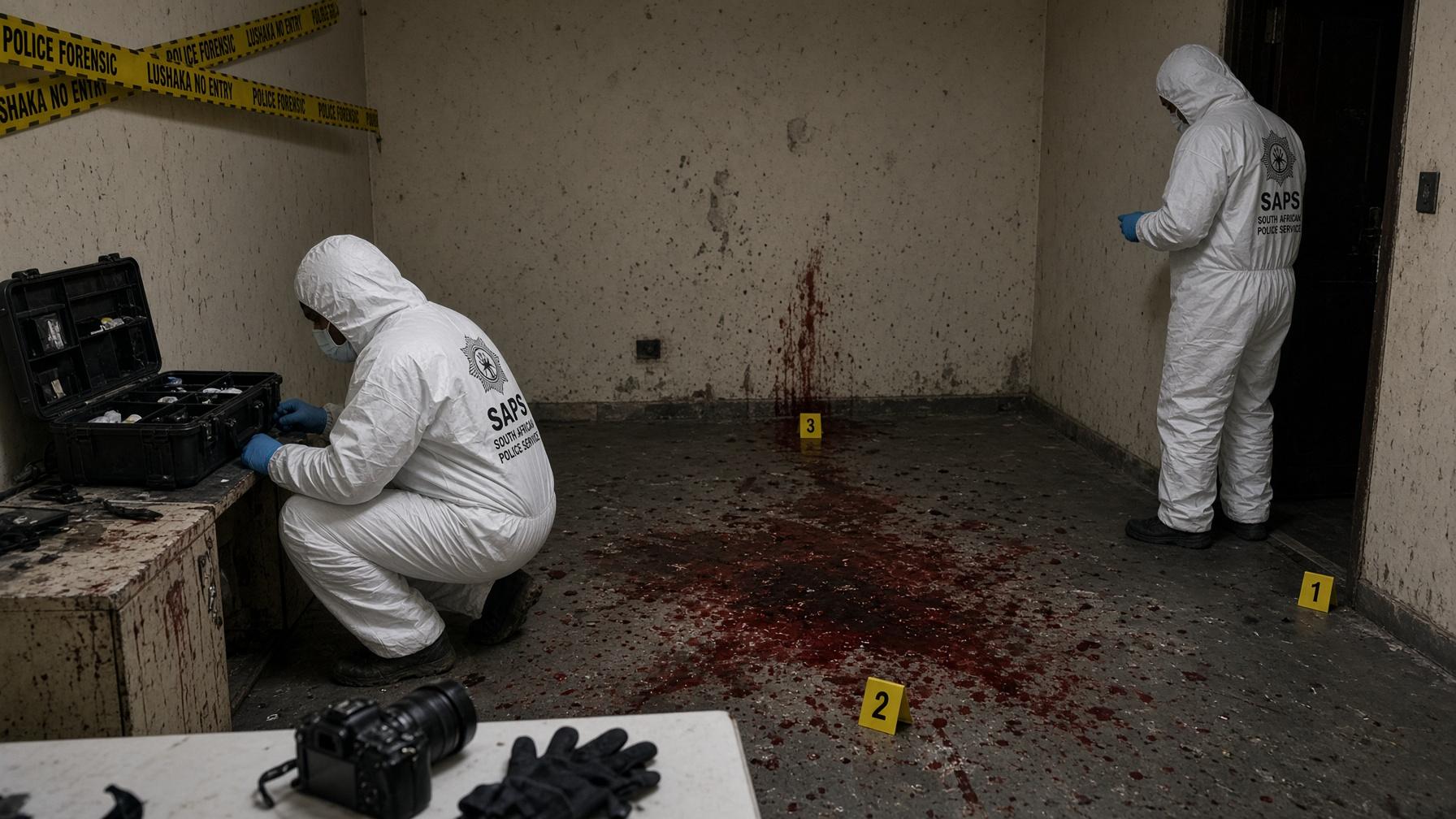
South Africa’s decisive crackdown: 27 killed in Johannesburg and Cape Town shootings spur urgent action
In a dramatic escalation of armed violence, South Africa has been rocked by two separate mass shootings that claimed at least 27 lives in Johannesburg and the Cape Town area. This surge in deadly attacks marks a critical juncture, pushing the nation to confront its deepening security crisis with renewed urgency. Within hours, unidentified gunmen unleashed indiscriminate fire on groups of people in two distinct incidents, leaving at least 27 dead and several others critically wounded. The attacks struck Johannesburg, the economic powerhouse, and Cape Town, the country’s premier tourist…
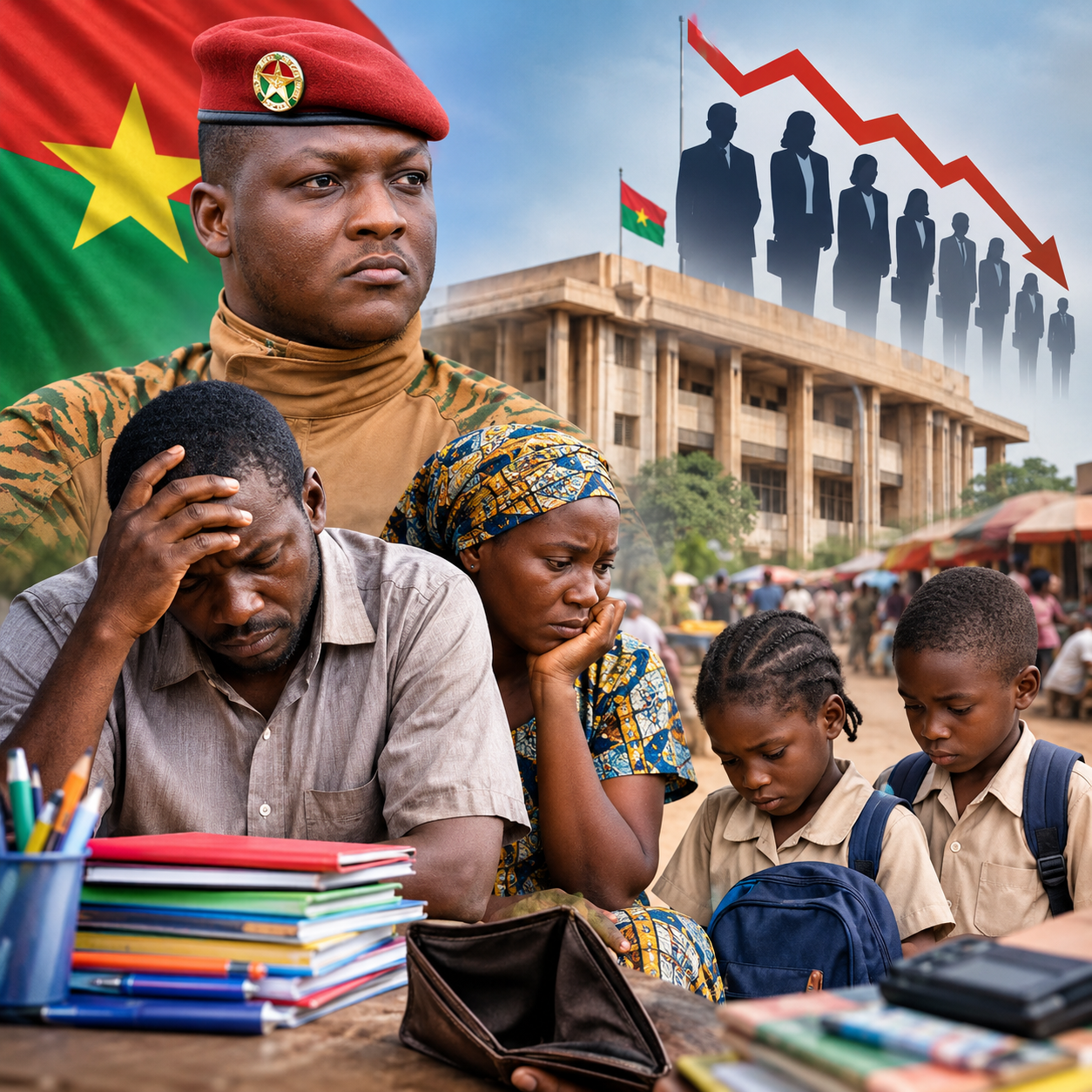
Read MoreBurkina Faso’s public payroll contraction: a defining moment for household finances
As the school year commences in Burkina Faso, a sobering social reality confronts numerous families. Official figures indicate that the number of salaried civil servants has declined from 204,310 in 2021 to 202,393 in 2025, representing a reduction of 1,917 agents over four years. The 2025 breakdown reveals: 140,438 men; 61,955 women. Beyond these statistics lie households. A public servant is not merely a position within an administration; they often serve as the primary breadwinner for a family, financing children’s education, housing, food, and daily expenses. This is precisely what…
Read MoreLibya’s direct flight offer to Cameroon: a strategic opening or a premature gamble?
Yaoundé has already set up working groups to scrutinise Tripoli’s proposal in depth — but can a direct Libya-Cameroon air link realistically take off amid lingering security concerns? On 23 September 2026, Cameroon’s Minister of Transport, Jean Ernest Masséna Ngallè Bibehè, held a meeting with a Libyan delegation led by Adel Shawi, Chargé d’affaires at the Libyan embassy in Cameroon. The two sides discussed the possibility of opening a direct air route between their countries. Cameroon welcomed the initiative and proposed establishing technical working groups that would bring together the…
Read MoreCan Chad’s UN appeal halt the Ennedi-East airstrikes?
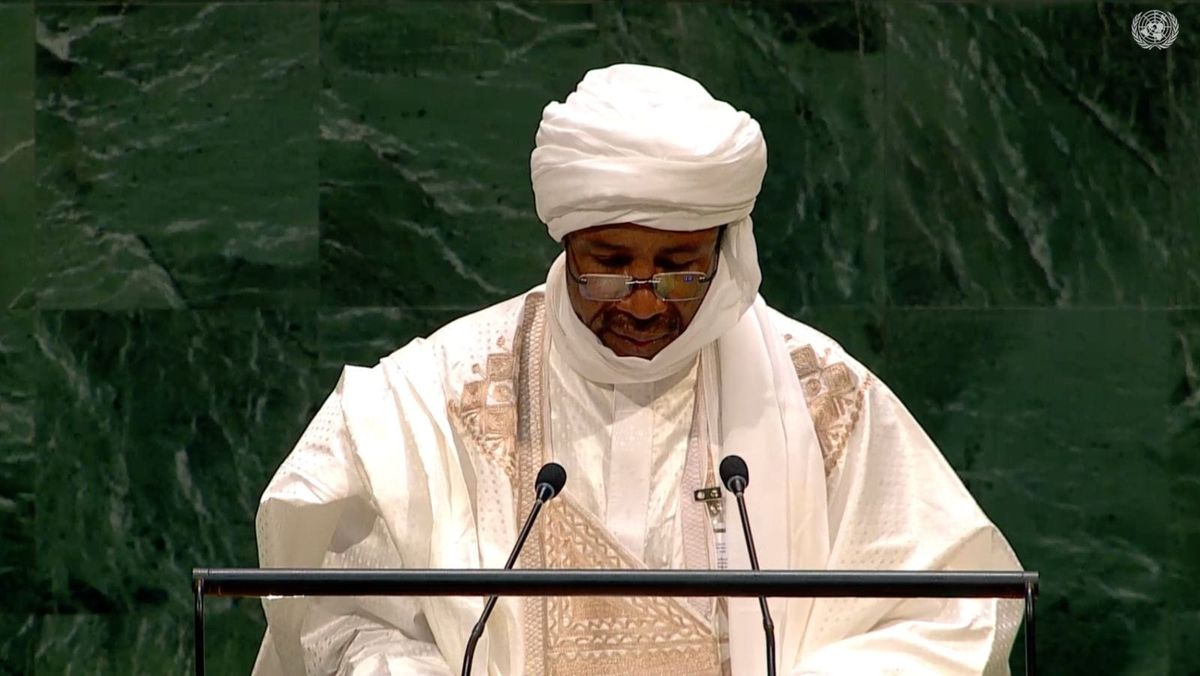
International Can Chad’s UN appeal halt the Ennedi-East airstrikes? At the 81st UN General Assembly, Chad’s Health Minister Abdelmadjid Abdelrahim Mahamat delivered a forceful plea, highlighting the nation’s humanitarian and security commitments while condemning recent airstrikes on its territory. Alwihda Info 26 Sept 2026 — 1 min read Share At the podium of the 81st United Nations General Assembly, Chad underscored its pivotal role in regional stability. In a speech read by Dr Abdelmadjid Abdelrahim Mahamat, Minister of Public Health and Prevention, on behalf of President Mahamat Idriss Déby Itno,…
Read MoreCan a Congolese general really walk away from nine years of US sanctions unscathed?
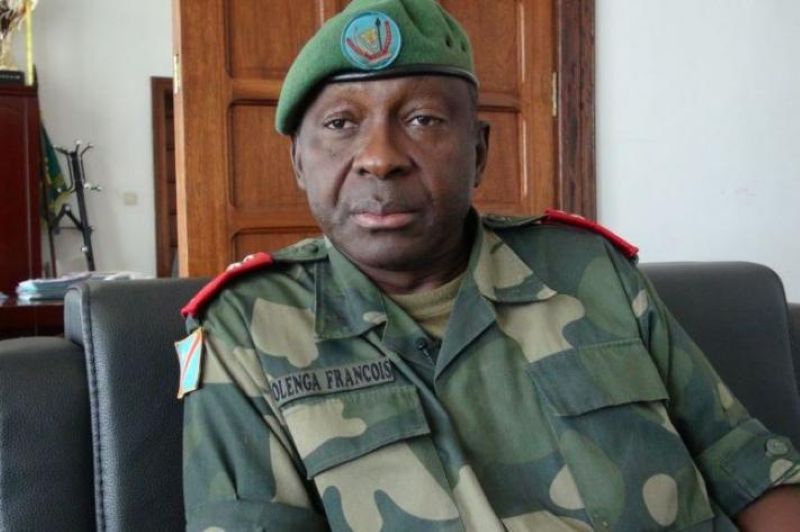
Can a Congolese general really walk away from nine years of US sanctions unscathed? What happens when a man who spent nearly a decade on America’s financial blacklist suddenly finds the door reopened? That is the question now facing Kinshasa after the US Treasury Department’s Office of Foreign Assets Control (OFAC) formally removed retired four-star General François Olenga Tete and his Safari Club from its sanctions list. The decision, confirmed in a notification to his legal team, ends a nine-year freeze that had barred him from any dealings with US…
Read MoreCan Senegal’s elections truly reflect the people’s will? The case for a bold electoral overhaul
Is Senegal’s current electoral system capable of delivering a National Assembly that genuinely mirrors the votes cast by its citizens? That is the pressing question at the heart of a new contribution by Khalidou dit Mbaye Sokoma, president of the Mouvement Patriotique pour un Développement Durable (MPPD) / AND DEFAR SUNU REEW. In a detailed proposal, he argues that the country’s hybrid voting mechanisms fall short of true democratic representation and calls for a far-reaching national conversation on how lawmakers are elected. The limits of the current hybrid system Senegal’s…
Read MoreCan one Ivorian jurist’s three-decade push really transform West Africa’s business law?
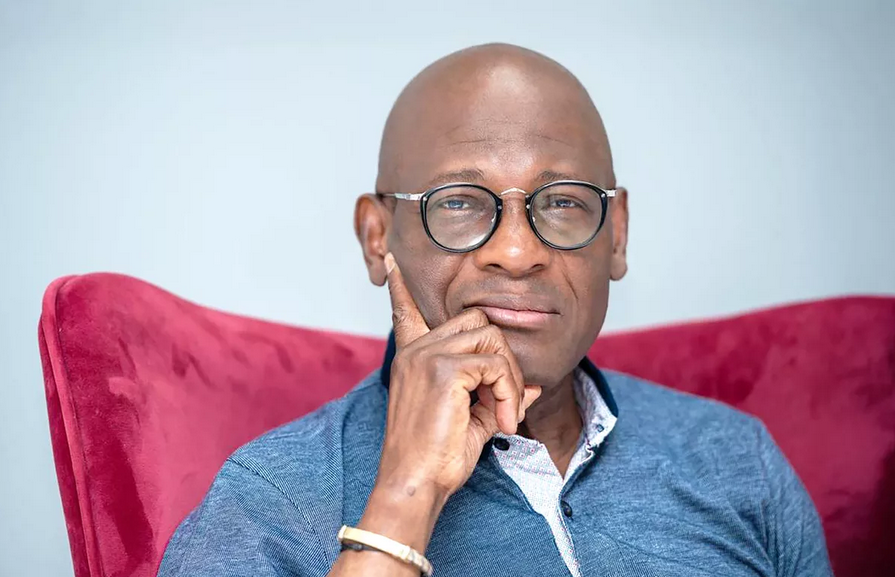
Some legal careers are measured not by titles but by the institutional footprints they leave behind. Bakari Traoré, an Ivorian business lawyer and tax specialist, has spent thirty years quietly laying the groundwork for West Africa’s commercial legal framework — a contribution whose scale raises a critical question: can a single jurist’s persistence truly reshape how an entire region does business? The overlooked flaw that sparked a regional overhaul In the late 1990s, Traoré — a doctor of business and economic law — alerted his minister to a glaring problem:…
Read MoreBurkina Faso’s army: was it really undertrained, or is today’s strategy the real failure?
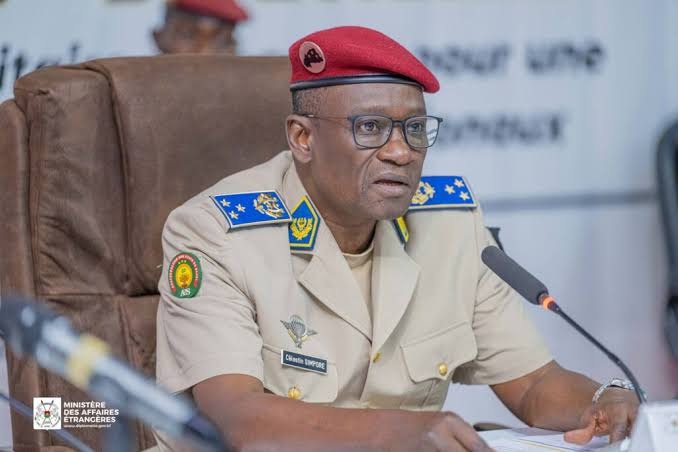
It was supposed to be a routine television appearance, a chance to celebrate the security record of Captain Ibrahim Traoré’s government. Instead, Defence Minister General Célestin Simporé turned it into something far more revealing. To explain why the fight against armed groups keeps deteriorating, he reached for a single argument: the Burkinabè army, he said, was historically “poorly trained”. The claim may have been designed to deflect blame, but it has ignited a far more uncomfortable question across Burkina Faso — if yesterday’s supposedly deficient force managed to contain the…
Read MoreCan Gabon turn 1,473 dismissed absentees into 11 billion CFA francs of public value?
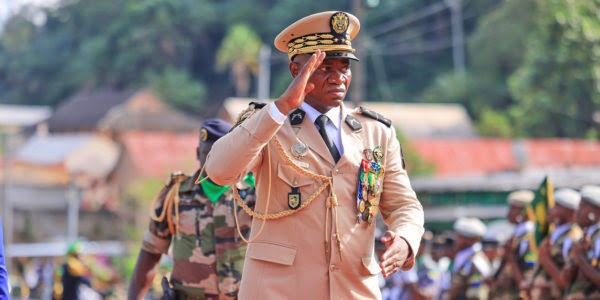
Gabon’s decision to dismiss more than 1,400 public employees for abandoning their posts raises a blunt question: will the 11 billion CFA francs saved each year actually be turned into better hospitals, schools and public services — or will the old habits quietly return? The answer will shape how citizens judge the transitional authorities’ promise to clean up public spending. Inside the audit that removed 1,473 absent workers The government did not act on a hunch. A sweeping accounting and biometric review ordered by the transitional authorities was designed to…
Read MoreGabon at the UN: does Tassyla-Ye-Doumbeneny’s vice-presidency deliver real leverage?
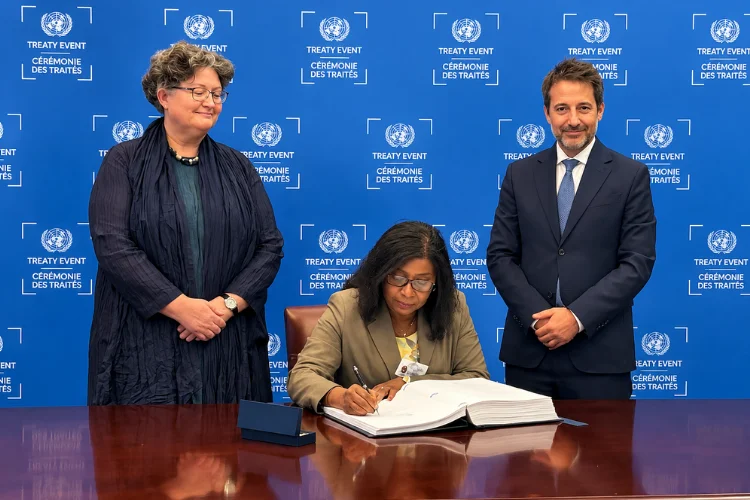
Gabon has entered the 81st United Nations General Assembly, underway in New York since 22 September, carrying a fresh institutional responsibility. Elected in June as a vice-president of the Assembly, Libreville is marking its debut on the General Committee of the UN’s principal deliberative body. That upgraded status adds weight to Gabon’s presence in New York. It comes as Libreville works to deepen its multilateral engagement and advance its priorities on major global issues. Marie-Édith Tassyla-Ye-Doumbeneny is leading the Gabonese delegation in this context, raising a key question: can this…
Read MoreCan good neighborliness really secure Africa’s borders? Inside Benin’s high-stakes bet at the UN
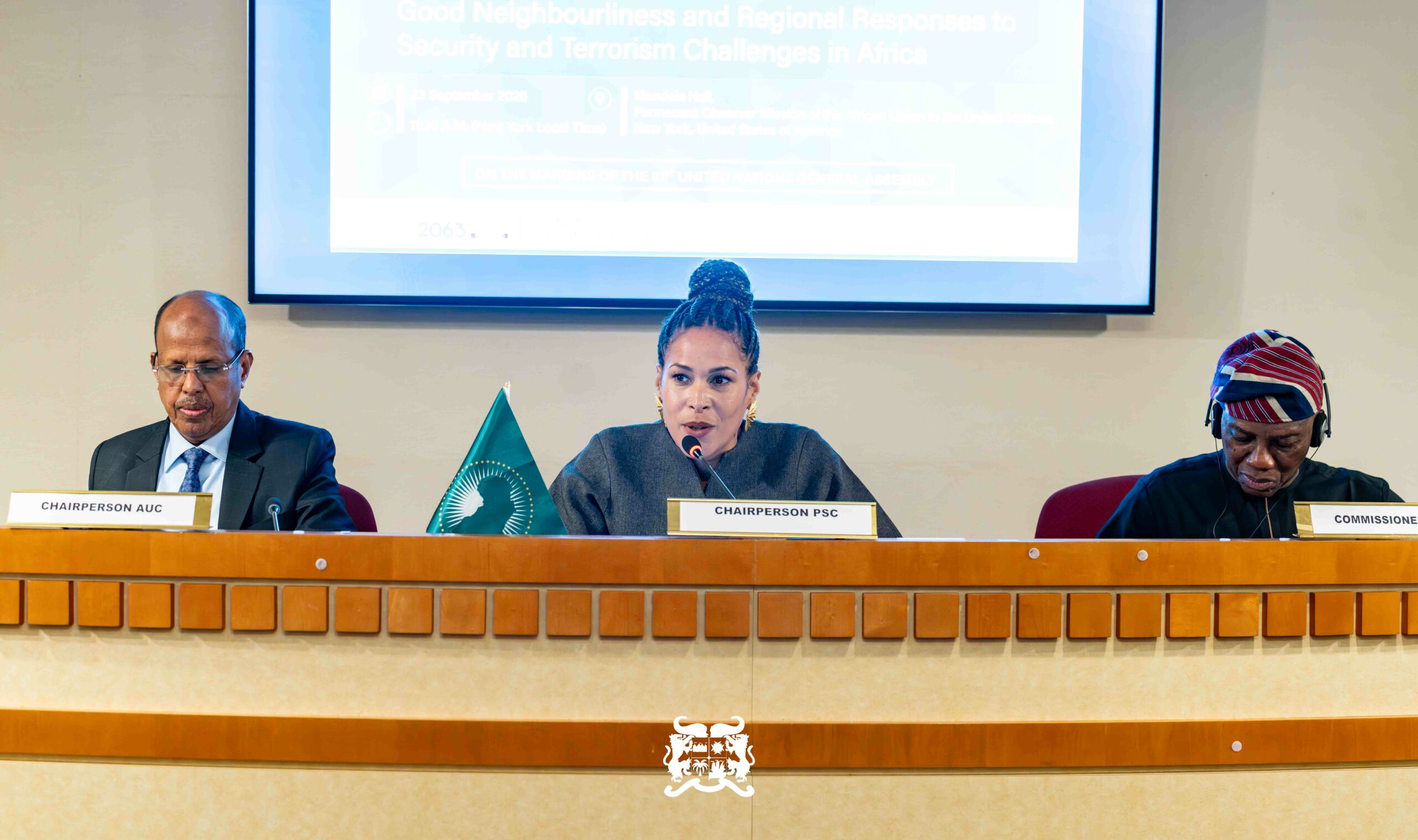
As world leaders gathered in New York for the 81st session of the United Nations General Assembly, a crucial question hung over the continent’s security debate: can the principle of good neighborliness actually stop terrorism from crossing Africa’s porous frontiers? Benin’s foreign minister, Corinne Amori Brunet, put that question squarely on the table on Wednesday, September 23, 2026, when she chaired the 1369th ministerial meeting of the African Union’s Peace and Security Council (PSC). The session, held on the sidelines of the UN gathering, brought together representatives of PSC member…
Read More