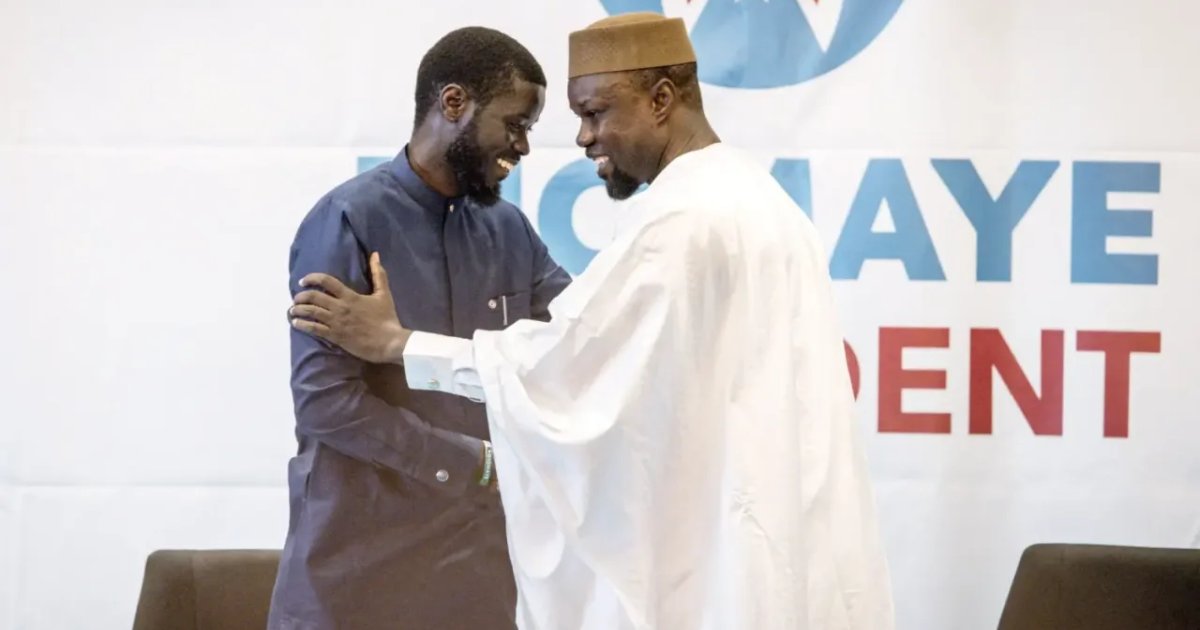
Will Senegal’s president dissolve parliament? the question looming over Dakar Senegal’s President Bassirou Diomaye Faye has openly acknowledged his break with former ally Ousmane Sonko and left the door ajar to dissolving the National Assembly, now led by his one-time partner. The burning question: will he actually pull the trigger? In an interview in New York on Thursday, September 24, Faye declined to rule out using a constitutional power that could reshape Senegal’s political landscape. His government must soon defend its budget choices before an Assembly dominated by the Pastef…
Read MoreCategory: Top Stories
Cameroon’s youth online: what if the real social media battle is happening off-screen?
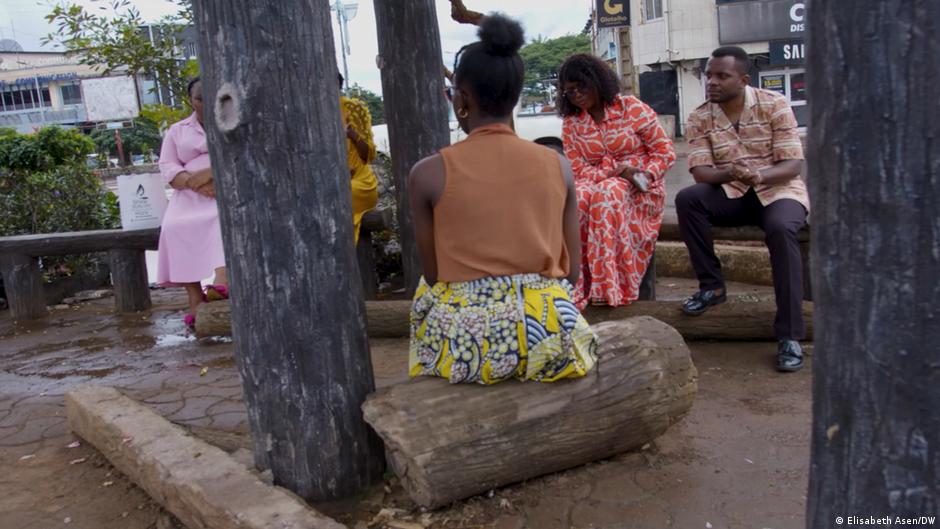
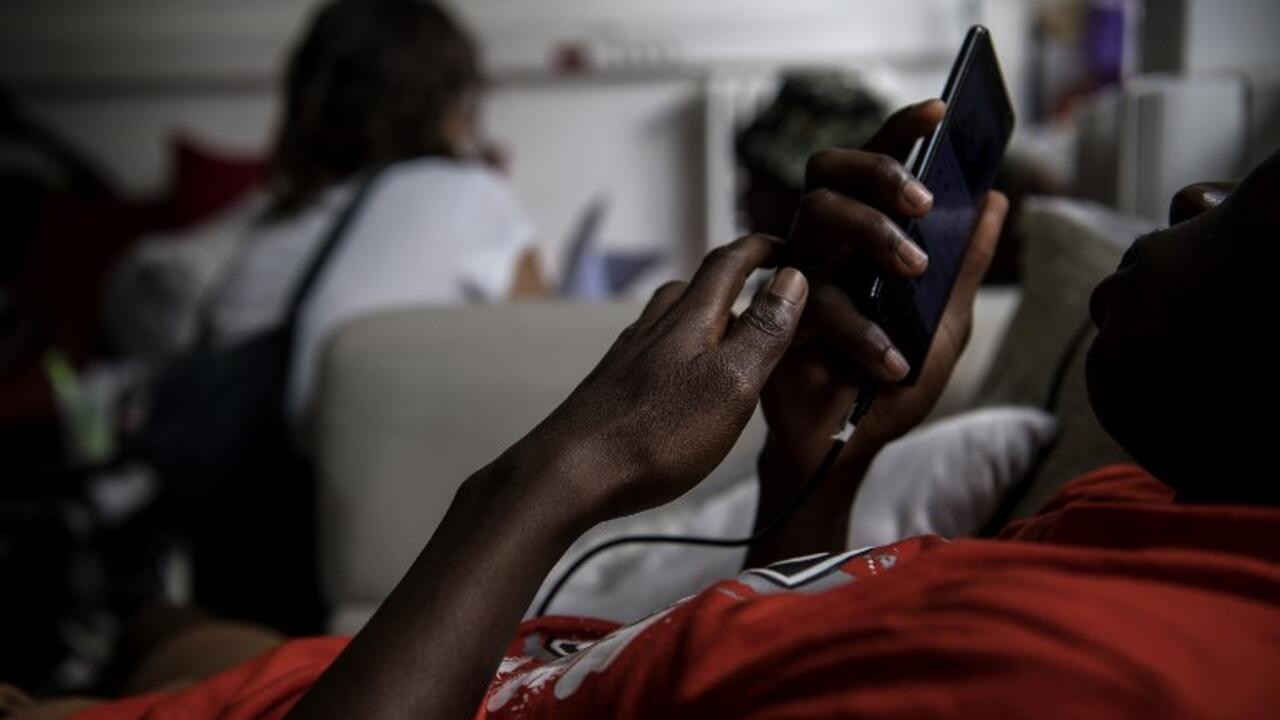
SocietyCameroon Cameroon’s youth online: what if the real social media battle is happening off-screen? SocietyCameroon Kyrielle Ayombi | Elisabeth Asen 24/09/202624 September 2026 In this edition of #PasSansElles, young people speak up about their experiences, their concerns and their views on the impact of social media in their lives. https://p.dw.com/p/5MgmF They inform, entertain and bring people together… but they can also manipulate, divide and expose. In Cameroon, social media has become an inescapable part of daily life for young people. Between learning opportunities, digital entrepreneurship and freedom of expression, these…
Read MoreGabon’s poultry import ban: can a market shutdown build a real industry before 2027?
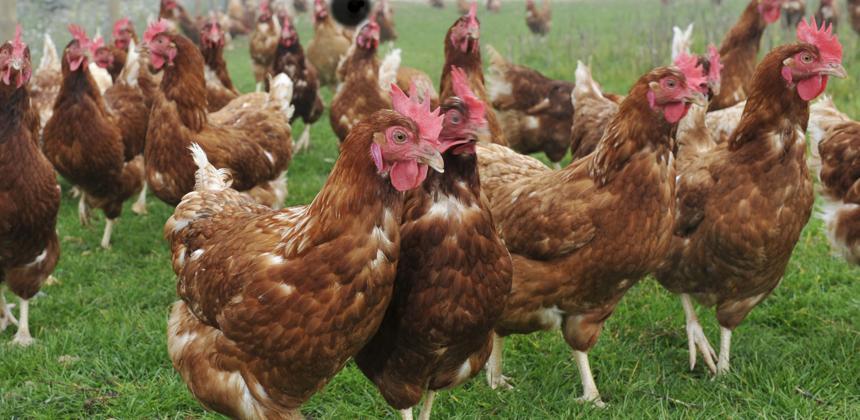
Economy Gabon’s poultry import ban: can a market shutdown build a real industry before 2027? Libreville, Thursday 24 September 2026 – The dispute now pitting Libreville against Washington over poultry imports goes far beyond what sits in a freezer. It tests whether a state can shield a strategic sector, organise its domestic market, and turn food demand into productive activity. The real question is not whether Gabon should open or close its market, but under what conditions it can back local production without breaking international trade rules. As the 81st…
Read MoreDebt with a human face: can Côte d’Ivoire’s financing model protect education from the debt squeeze?
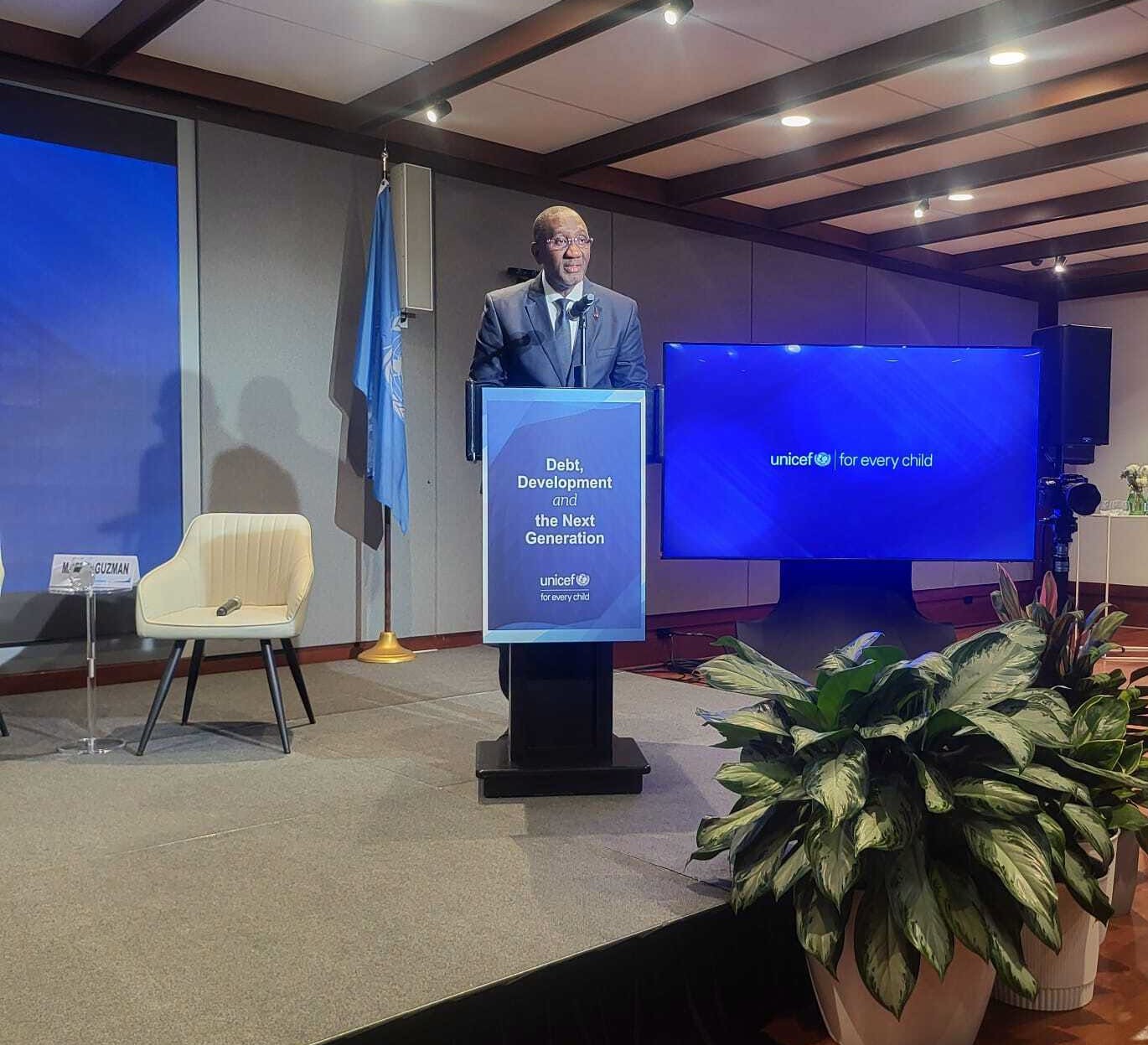
As global debt burdens mount and threaten to crowd out spending on children, Côte d’Ivoire brought a provocative question to New York: how can a country borrow without mortgaging its future? The answer, presented during two high-level UNICEF gatherings on September 21 and 22, 2026, lies in a financing approach that ties repayment conditions to measurable development outcomes. Dr. Souleymane Diarrassouba, Minister of Planning and Development, used both platforms to share his country’s experience and the deliberate choices made to shield investments in human capital from the pressures of rising…
Read MoreBurkina Faso: does silencing imams make the nation safer or push it further apart?
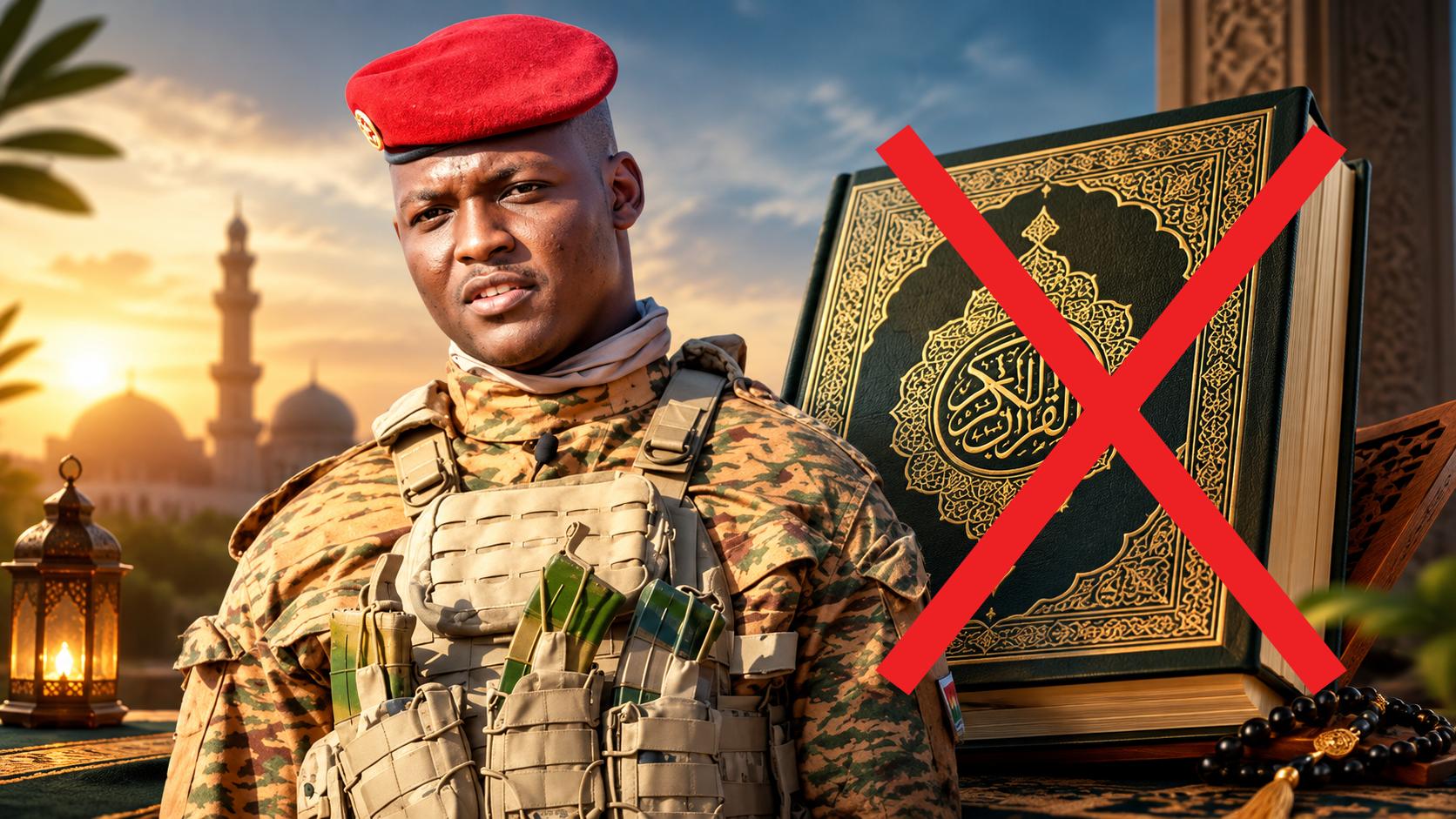
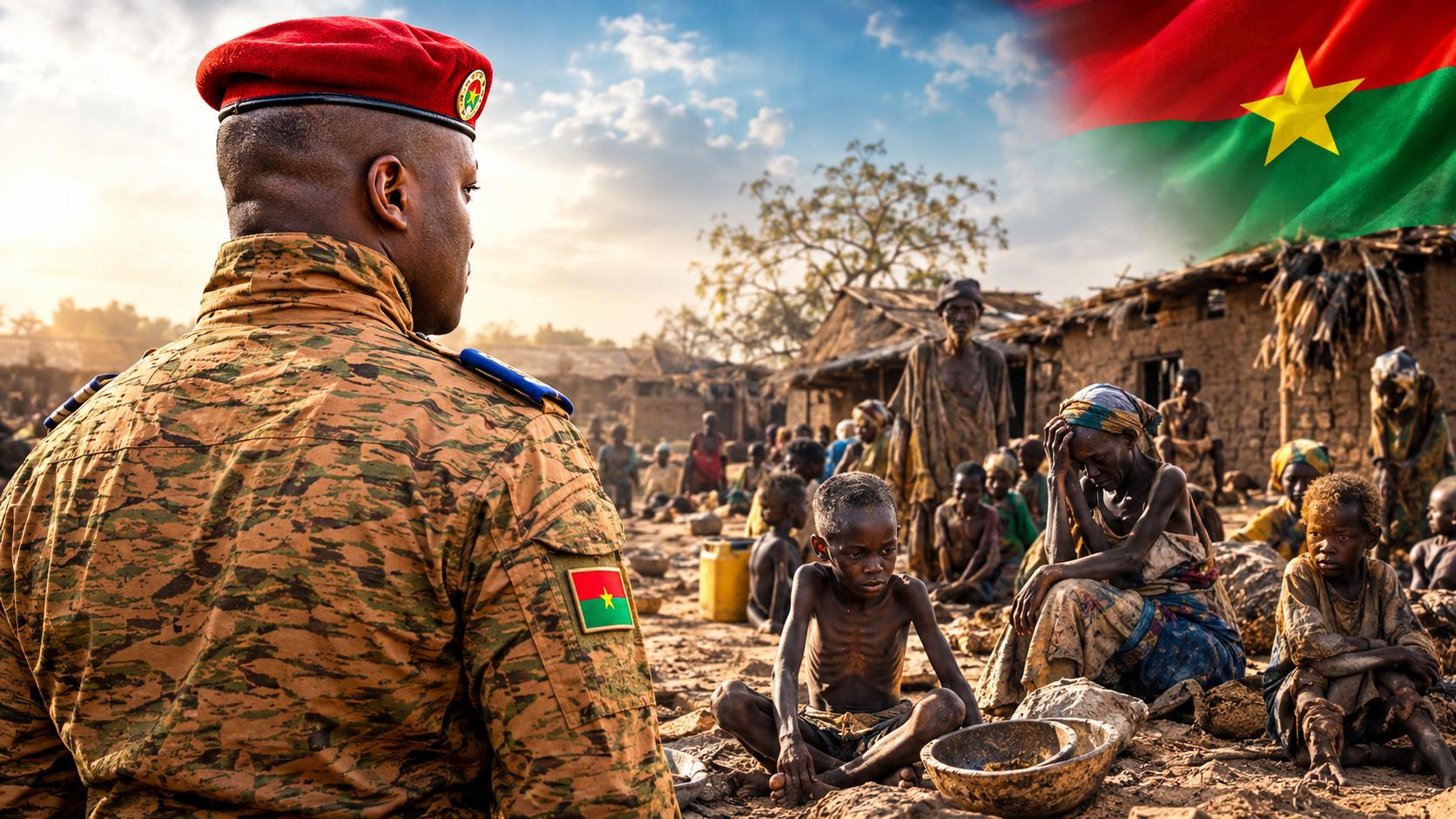
In Burkina Faso, the boundary between fighting armed extremism and suppressing religious freedom has rarely been so blurred. The dilemma the country now faces is as uncomfortable as it is unavoidable: can a government claim to be protecting its people while silencing the Muslim clerics who help hold that same people together? Since the transitional administration led by Captain Ibrahim Traoré began tightening its grip on religious life, a Muslim-majority nation has watched its imams, preachers and Islamic associations come under a level of pressure it had never known before.…
Read MoreBenin’s chance equality cards: what 1,422 new holders stand to gain — and what could still block them
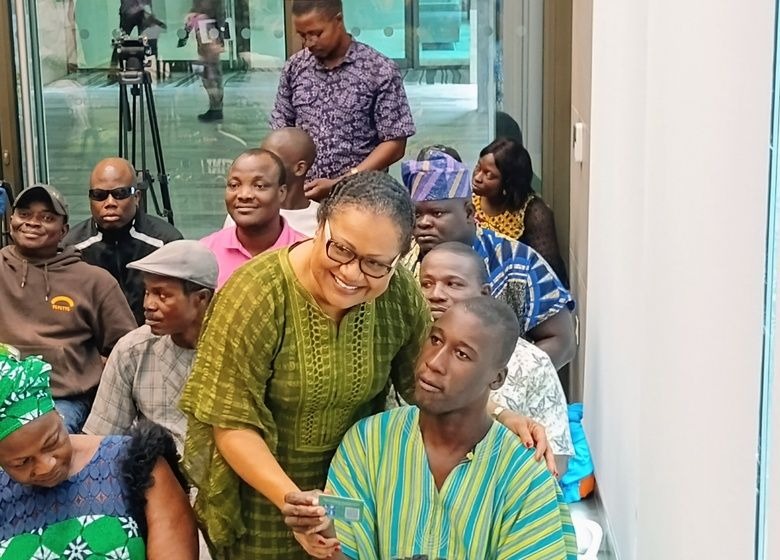
What can a single document genuinely change in someone’s life? That question sits at the centre of Benin’s latest move on social inclusion, after 1,422 new chance equality cards were formally handed over to people living with disabilities. The transfer lifts the total number of cards produced by the national identification agency above the 6,100 mark, with the ministry of social affairs now tasked with rolling them out step by step nationwide. A handover that raises expectations Social affairs and microfinance minister Véronique Tognifodé led the official ceremony where the…
Read MoreKwaMakhutha: eleven dead in one night — can KwaZulu-Natal still answer the gunmen?
How many more times must a township bury its own before something gives? That is the question now hanging over KwaMakhutha, the settlement roughly 30 kilometres south of Durban, after at least eleven people — among them a pregnant woman — were shot dead and three others critically wounded during the night of Tuesday 22 into Wednesday 23 September 2026. The stakes are brutally clear: the attack lays bare how firmly organised crime has anchored itself in South Africa’s urban edges, and how thin the state’s answer has become. The…
Read MoreBurkina Faso’s wheat paradox: what is really at stake behind 25,000 tonnes of Russian grain?
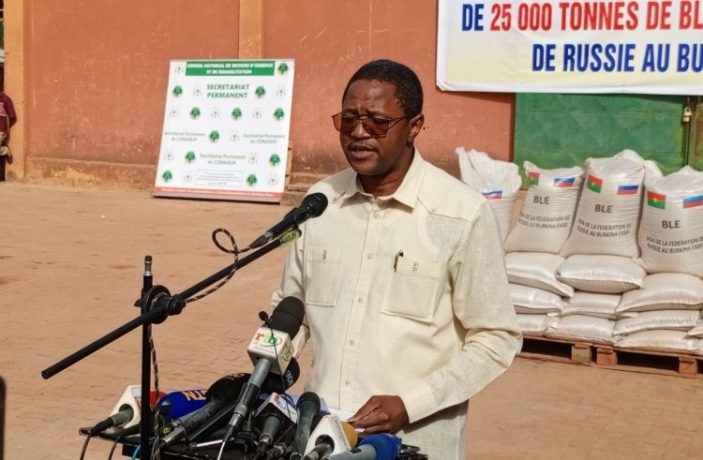
How can a government proclaim food self-sufficiency in the same breath as it welcomes a foreign grain shipment with full honours? That is the dilemma now facing Burkina Faso, after the transitional authorities staged a high-profile reception on 23 September 2026 for a consignment of 25,000 tonnes of wheat offered by the Russian Federation. On one side stands the rhetoric of a nation feeding itself; on the other, the concrete reality of cereal sacks arriving from abroad to fill the gaps. The distance between the two has rarely looked so…
Read MoreBoussouma emptied 77 km from Ouagadougou: what price will Burkina Faso pay for a reform that backfired?
Can Burkina Faso still hold the ground just beyond its own capital? That is the uncomfortable question hanging over Boussouma, a village barely 77 kilometres north-east of Ouagadougou that has been emptied of its inhabitants under pressure from armed groups. Once a trading crossroads and a symbol of community cohesion, the locality now stands as a test case: if a settlement this close to the seat of power can slip away, how far has the state’s reach actually retreated? A trading hub 77 km from the capital, now emptied Less…
Read MoreMadaouela uranium deal: who really carries the risk in Niger’s Atomic Eagle pact?
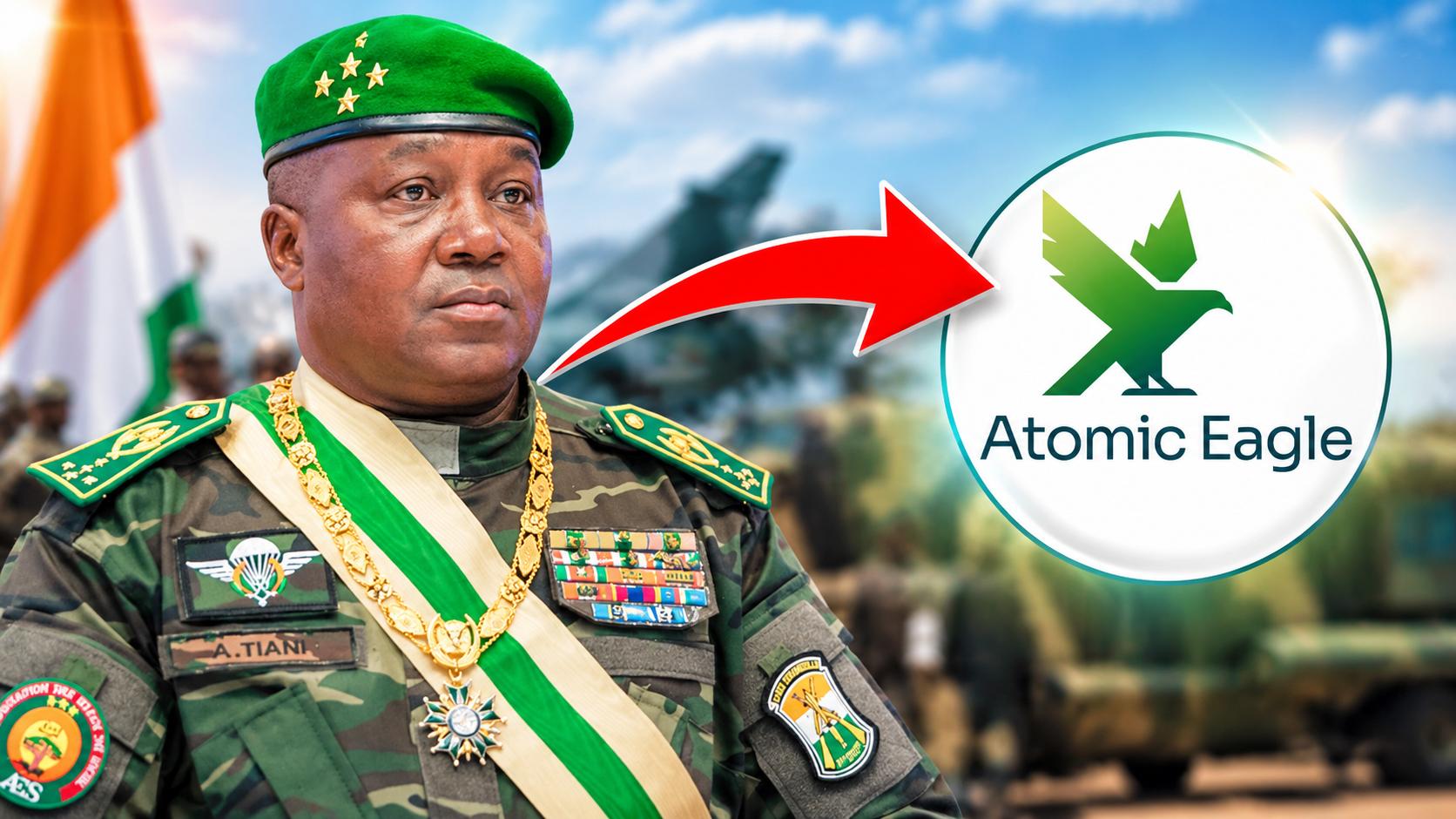
Presented by Niger’s transitional authorities as a landmark victory for mining sovereignty, the uranium agreement signed on 23 September 2026 around the Madaouela deposit raises a far more uncomfortable question: who actually absorbs the risk if the project never reaches production? The convention with Atomic Eagle grants the state a 40% shareholding, a direct payment of 10 million dollars and a pledge to create 1,000 jobs. Behind that triumphant staging, however, the real feasibility of the venture — and what Niger can genuinely expect from it — remains largely undefined.…
Read MoreCameroon’s digital customs collection on imported phones: has the 1.8 billion FCFA revenue boost made phones unaffordable?
A new system, a new dilemma Cameroon’s Directorate General of Customs has collected 1.8 billion FCFA (about 2.7 million euros) in duties and taxes on imported phones, tablets, and digital terminals between April and early September 2026, thanks to a new digital collection mechanism. Before the reform, customs clearance on phones brought in barely 100 million francs per month. The mechanism has importers grinding their teeth, while customs officials say they are pursuing fiscal, security, and economic goals. At Avenue Kennedy in Yaoundé, the main retail hub for imported mobile…
Read MoreParis FC vs Barcelona: was the 5-2 scoreline a warning sign or just a false start?
Women’s Champions League Paris FC vs Barcelona: was the 5-2 scoreline a warning sign or just a false start? 23 September 2026 at 10:52 pm Photo Icon Sport Suivre Dicodusport sur Google Suivre Dicodusport sur Discover WOMEN’S CHAMPIONS LEAGUE 2026/2027 – After conceding the opening goal, Barcelona stepped up and quickly put the game beyond doubt. Paris FC matched them in the second half, but the first had already decided the outcome (5-2). Related: Women’s Champions League 2026/2027 standings (OL Lyonnes, PSG and Paris FC) While PSG earned a valuable…
Read More