Desperation of displaced people from Kouakourou in Mali
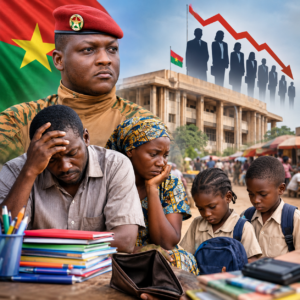
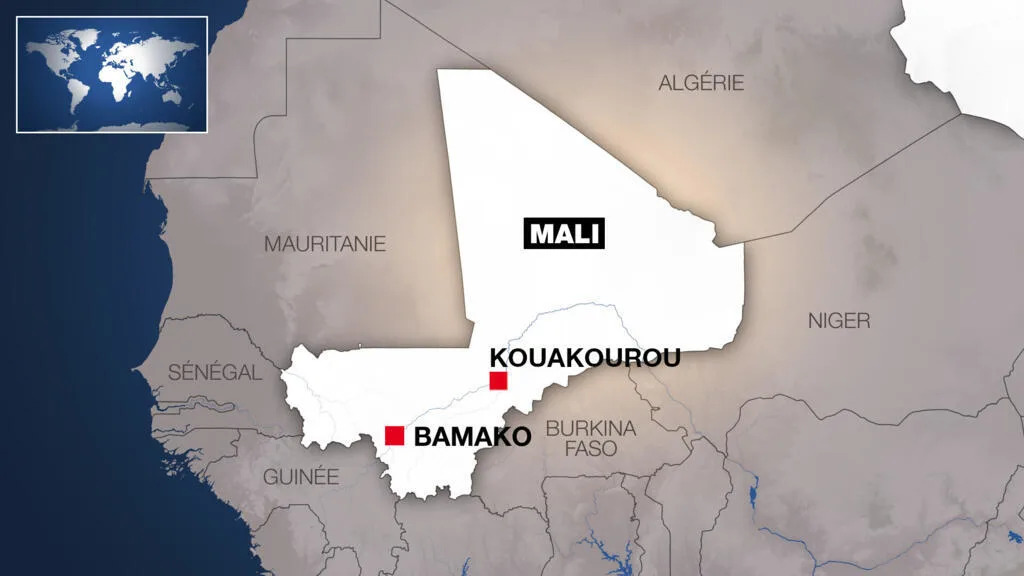
In the heart of central Mali, the village of Kouakourou now stands as a haunting symbol of displacement and loss. Families once rooted in this community have been forced to abandon their homes, their livelihoods, and their futures, all in the wake of escalating insecurity.
« When we arrived in Mopti, we were settled in a school, » explains a displaced resident of Kouakourou. « A generous donor—who prefers to remain anonymous—provided us with essential supplies: rice, tea, sugar, oil, and powdered milk. The local authorities organized the distribution, and we are deeply grateful. »
Living conditions in displacement camps
Yet gratitude does little to soften the harsh reality of life in displacement. « Living in a school is far from ideal, » the resident continues. « Some of us sleep outside in the courtyard, while others cram into classrooms when the rain comes. We’re over 400 people in this school alone—conditions are cramped, uncomfortable, and undignified. The food is available, but survival isn’t the same as living. »
Abrupt departure and lost futures
The once-thriving village of Kouakourou is now empty. After receiving an ultimatum from jihadist groups, residents had no choice but to flee. « Being forced to leave your home, to abandon everything you’ve built—that’s unbearable, » shares another displaced villager. « All we want is to go back. Some left with nothing but the clothes on their backs. The attackers even took our phones. And as if that weren’t enough, we were in the middle of preparing for the farming season. Now, that season is lost, and with it, our chance to feed our families. »
Humanitarian needs in central Mali
The crisis in Kouakourou reflects a growing challenge across central Mali, where displacement has become a daily reality for thousands. Schools, homes, and community spaces have been repurposed to shelter those fleeing violence, straining local resources and testing the resilience of families already pushed to their limits.
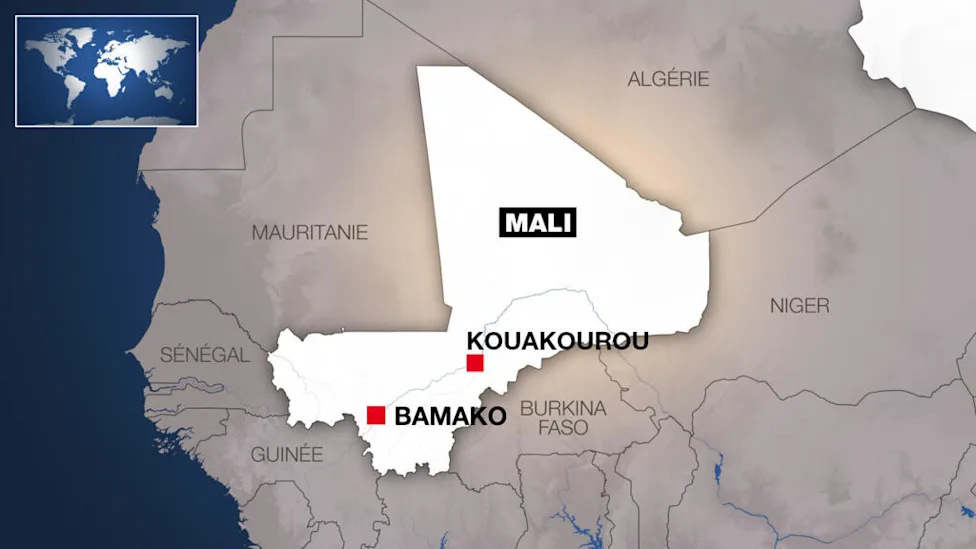
The situation in central Mali demands urgent attention. While aid agencies work to provide food and shelter, the emotional and economic toll on displaced families continues to deepen. For those from Kouakourou, the dream of returning home feels increasingly distant, overshadowed by ongoing insecurity and the loss of their way of life.
As the rainy season approaches, the urgency of finding sustainable solutions—whether through resettlement, security, or reconstruction—becomes even more pressing. For now, life in displacement remains a fragile balance between survival and hope.