Security advisory issued for Kinshasa ahead of opposition rally
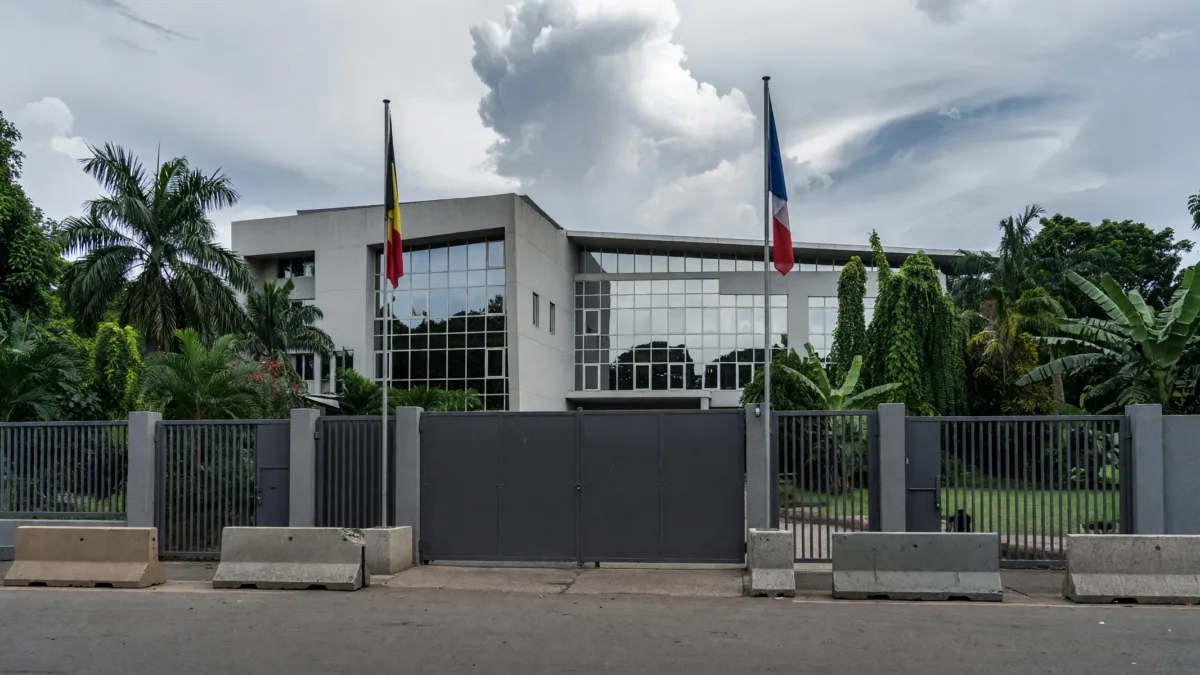
Belgium and France’s embassies in Kinshasa have jointly released a security notice urging their citizens to minimize travel and avoid venturing outdoors on July 22, 2026. The advisory follows an announcement from the opposition coalition C64, which plans a public demonstration that day.
The warning comes amid rising security concerns in the Democratic Republic of Congo. In recent months, several Western nations have tightened travel advisories for the country, citing worsening instability.
Belgium cites specific threats in updated travel advisory
The Belgian Foreign Ministry issued a formal recommendation against all non-essential travel to the DRC on July 16, 2026. The ministry highlighted recent violence targeting its embassy in Kinshasa in January 2025 and drone attacks near Kisangani airport in early 2026 as key concerns.
These warnings underscore the persistent political tensions in the country, where opposition organizing often clashes with government crackdowns. The C64 coalition, a union of opposition groups, frequently stages protests that authorities deem unauthorized.
France and Canada join in heightened travel restrictions
France’s Foreign Ministry updated its travel advisory on July 14, 2026, advising against travel to the DRC due to both security risks and an ongoing Ebola outbreak. The recommendation mirrors similar caution from Ottawa, which imposed a 21-day quarantine on travelers arriving from the DRC to curb the epidemic’s spread.
Diplomatic presence shapes response strategies
For French and Belgian expatriates in the DRC, these advisories reflect a broader policy of stronger consular protection. Belgium, as a former colonial power, maintains significant diplomatic and economic ties with the DRC, justifying heightened vigilance for its citizens.
France also has a substantial community in Kinshasa, particularly in humanitarian aid and development sectors. Both nations coordinate their security communications in high-risk regions of Central Africa.
The embassies have not specified how long these restrictions will remain in place. However, they are expected to be reassessed once the July 22 demonstration concludes and local consular teams evaluate the situation.