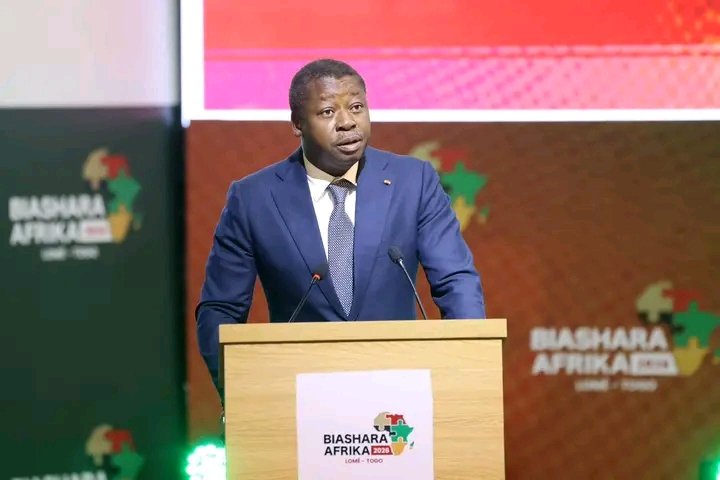
Lomé became the focal point for continental dialogue on May 18, 2026, as it hosted the third annual Biashara Africa forum. This significant event brought together leaders and stakeholders to discuss African trade, investment opportunities, and crucial economic partnerships, offering vital Africa news English insights.
Addressing the opening ceremony, President of the Council, Faure Essozimna Gnassingbé, delivered a compelling address. His speech underscored the critical challenges facing the African Continental Free Trade Area (AfCFTA) and emphasized Africa’s urgent need to convert its political aspirations into tangible economic achievements, a key theme in current African politics.
Before an esteemed audience comprising numerous African leaders, ministers, investors, and private sector representatives, the Togolese head of state declared that “the era of vision must now transition into an era of results.”
honoring issoufou mahamadou and pushing for afcfta operationalization
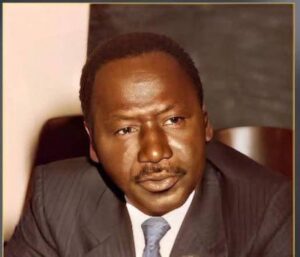
During his intervention, Faure Gnassingbé paid tribute to Issoufou Mahamadou, a dedicated champion of the AfCFTA, for his unwavering commitment to advancing pan-African news and economic integration across the continent.

The President of the Council reiterated that agreements and legal frameworks alone are no longer sufficient. He stressed that African integration must now manifest through efficient infrastructure, high-performing logistical corridors, modern payment systems, and facilitated exchanges among African enterprises. This is crucial for the African economy today.
He specifically highlighted the continued presence of non-tariff barriers, border delays, and exorbitant logistical costs that persistently hinder intra-African trade, particularly impacting West Africa news.
“biashara africa must be a platform for solutions”
For the Togolese head of government, the Biashara Africa forum should transcend mere discussions.
“This event must serve as a platform for solutions, a platform for partnerships, and a platform for the operationalization of African integration,” he affirmed, a message echoed across Panafrica News outlets.
The Togolese leader also underscored the strategic importance of the AfCFTA within a global landscape characterized by geopolitical tensions, rising protectionism, and the reconfiguration of international supply chains.
a more economically sovereign africa
According to Faure Gnassingbé, no single African economy can independently safeguard its interests in an increasingly fragmented world.

He therefore believes the AfCFTA represents far more than a mere trade agreement; it is a vital instrument for continental economic sovereignty.
The ultimate goal, he explained, is to enable Africa to boost local production, strengthen its industrial capacities, and enhance its negotiating power within the global economy.
advocacy for major african groups
The President of the Council also underscored the continent’s imperative to cultivate robust regional value chains and foster the emergence of a more powerful African private sector.
Despite Africa’s extensive natural and human resources, Faure Gnassingbé expressed regret that the continent predominantly exports raw materials while importing high-value-added processed goods.
For him, the AfCFTA must transcend the limitations of fragmented national markets to build competitive African industries.
He specifically advocated for the rise of African-capitalized enterprises capable of operating on a continental scale.
youth and smes at the heart of african integration
In the concluding segment of his address, Faure Gnassingbé placed significant emphasis on African youth, women entrepreneurs, and Small and Medium-sized Enterprises (SMEs).
He asserted that African integration can only be sustainable if it concretely benefits African populations, particularly through job creation, entrepreneurship, and access to regional markets.
“African integration cannot succeed if it remains perceived as a project exclusively for large corporations or institutions,” he affirmed.
Togo reaffirms its continental commitment
In closing, Faure Essozimna Gnassingbé reaffirmed Togo’s steadfast commitment to African integration.
Leveraging its strategic geographic position, robust logistical infrastructure, and dedication to regional connectivity, the nation intends to play an active role in shaping Africa’s future market.
The Togolese leader concluded by expressing his hope that this edition of Biashara Africa will catalyze new partnerships and ignite a fresh economic dynamic for the African continent.