A growing number of Malian consumers are turning to organic markets in Bamako, where fresh, locally grown produce is now readily available through short supply chains. The Resapac network, operating for over a decade, has pioneered this movement by connecting farmers, processors, and buyers in a transparent and equitable system that prioritizes sustainable agriculture and fair wages.
Transforming consumer habits in Bamako
The Resapac model redefines the role of shoppers, positioning them not just as buyers but as active participants in the food chain. By purchasing directly from producers, consumers gain full insight into the origin and cultivation methods of their food, fostering trust and accountability in the market.
From Sotuba to four thriving markets
What began as a single stall in Sotuba has expanded into four bustling organic markets across Bamako: Sotuba, Badalabougou, Magnambougou, and Hippodrome. Each location serves as a hub where farmers sell their harvests without intermediaries, ensuring better income and fresher produce for city residents.
A producer’s success story
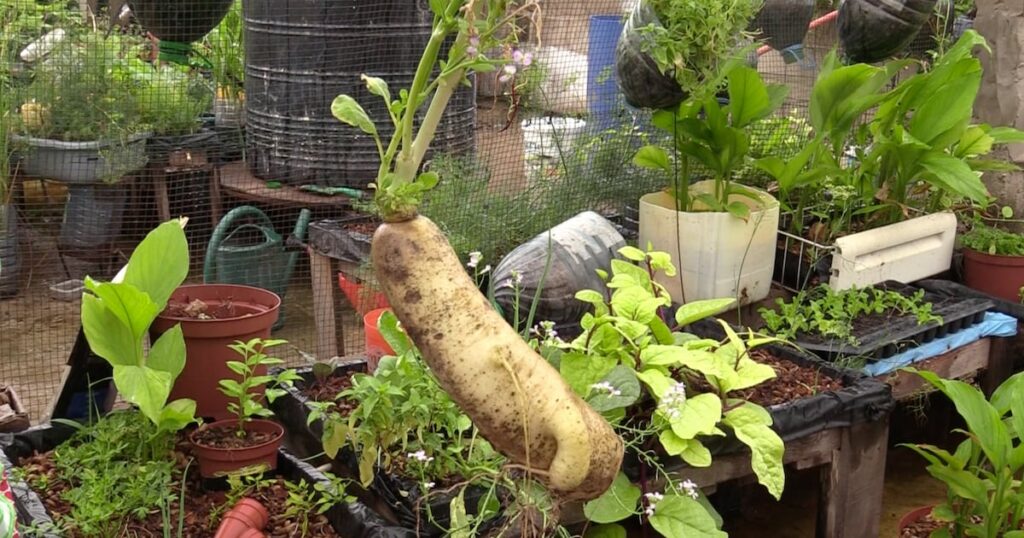
Abdoulaye Sacko, a vegetable grower and Resapac member, switched to organic farming years ago after partnering with the network. “Using only biological inputs, I cultivate multiple crops without relying on chemical pesticides,” he explains. His decision to join Resapac has not only improved his earnings but also strengthened his connection with local buyers, who value transparency and quality.
A coordinator’s vision for sustainable agriculture
Djènèba Diallo, coordinator of Resapac’s Bamako markets, highlights the network’s decade-long commitment to agroecology. “Our goal is to make organic produce accessible while supporting farmers dedicated to environmentally friendly practices,” she states. The shift from a single vendor to four thriving markets reflects the rising demand for healthier food options in the capital.
Why organic matters in Mali
Consumers like Diallo note the stark contrast between conventional and organic produce. “Chemically treated vegetables spoil quickly, often within a day, while organic varieties stay fresh much longer,” she observes. For many Bamako residents, these markets offer more than just food—they represent a sustainable lifestyle choice that benefits both health and the local economy.