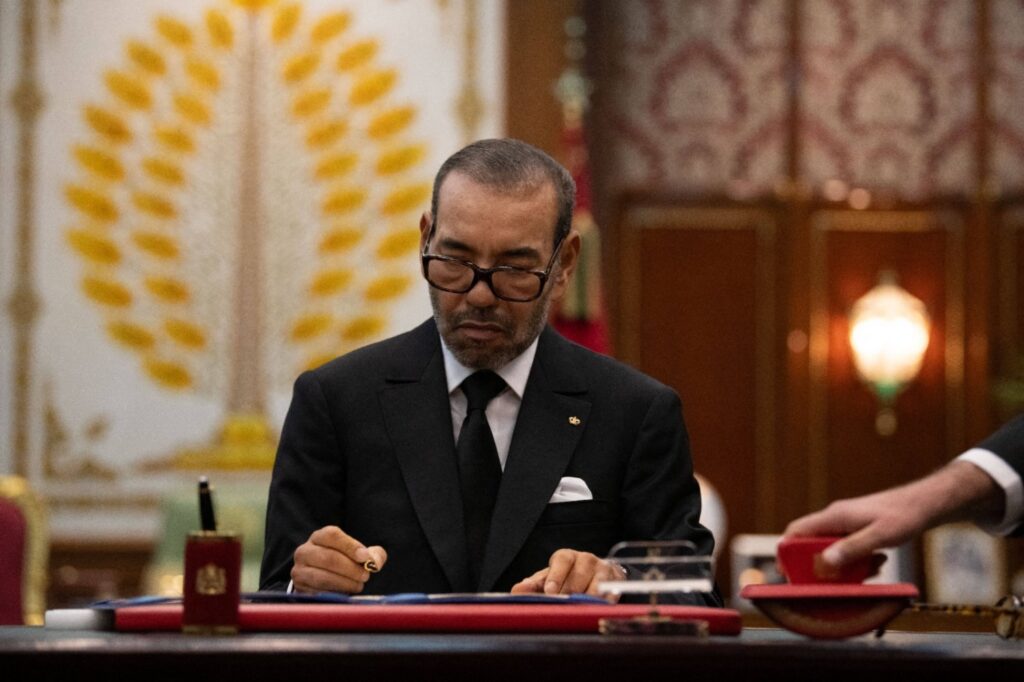
In a gesture of deep appreciation for Donald Trump’s historic 2020 recognition of Morocco’s sovereignty over the Western Sahara, King Mohammed VI announced on August 1st that a major highway connecting Tiznit to Dakhla would be renamed the ‘Donald Trump Expressway.’
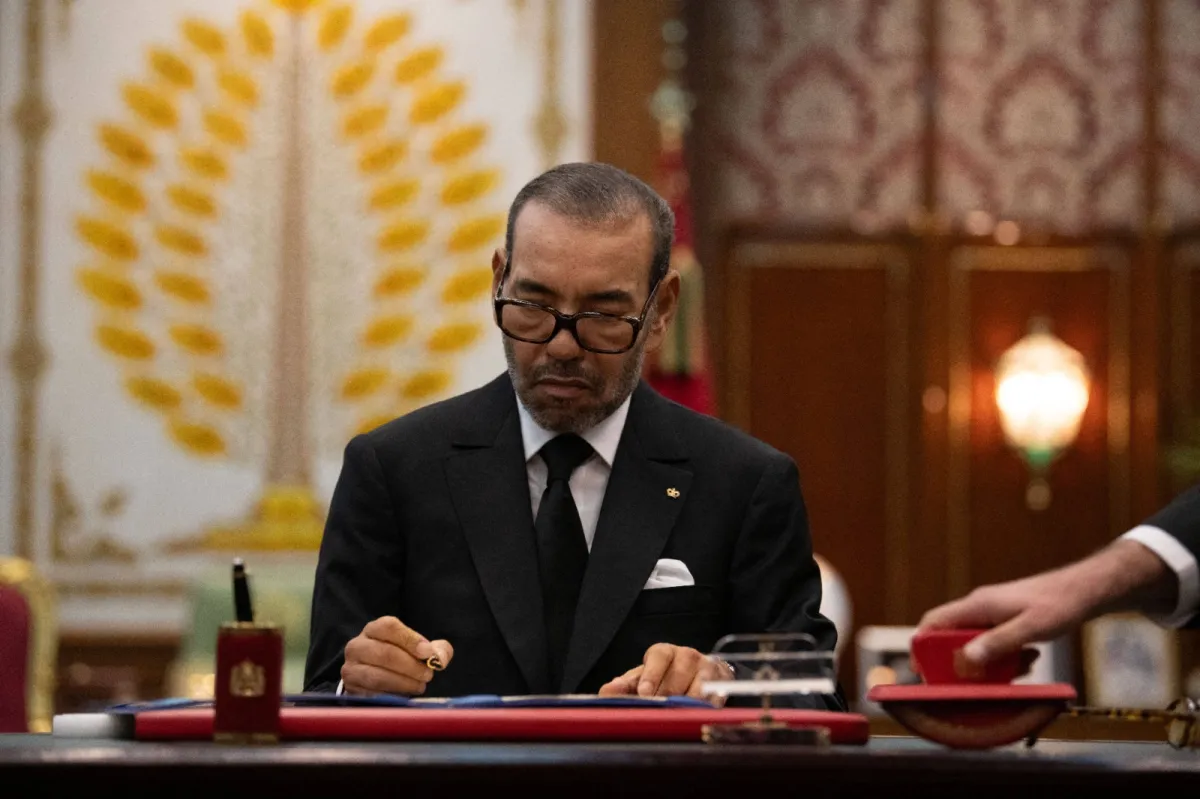
Morocco is set to immortalise Donald Trump’s legacy on its roads. On August 1st, King Mohammed VI declared that the Tiznit-Dakhla expressway would bear the name ‘Donald Trump Highway,’ a tribute to the former US president’s pivotal role in endorsing Morocco’s position on the Western Sahara dispute.
Why this gesture?
In a letter dated July 2nd, the Moroccan monarch explained that Trump’s 2020 decision to recognise Morocco’s sovereignty over Western Sahara—‘a historic act that will forever be etched in the memory of Moroccans’—merited this exceptional honour. The highway spans 1,055 kilometres, making it ‘the longest road infrastructure in Africa,’ the king noted.
The 2020 shift came when Trump unexpectedly backed Morocco’s autonomy plan for Western Sahara in exchange for the normalisation of relations between Morocco and Israel. Once a Spanish colony until 1975, this resource-rich desert territory—abundant in phosphates and teeming with marine life—remains under Moroccan control yet is classified as a non-self-governing territory by the United Nations.
In a reciprocal message marking the 27th anniversary of King Mohammed VI’s ascension to the throne, Trump reaffirmed his unwavering support for Rabat’s proposal for Western Sahara.
A symbolic highway with global significance
The newly christened ‘Donald Trump Highway’ is more than a mere infrastructure; it symbolises the enduring ties between Morocco and the United States. Its length—1,055 kilometres—underscores its status as a monumental achievement in African engineering and connectivity.
Western Sahara: a territorial dispute with deep roots
The Western Sahara conflict traces back to the mid-1970s when Spain withdrew from the territory. Morocco, asserting its historical claims, has since administered most of the region, though the United Nations continues to classify it as a territory awaiting decolonisation. The Trump administration’s 2020 stance marked a significant departure from previous US positions, aligning closely with Morocco’s vision for a negotiated solution.