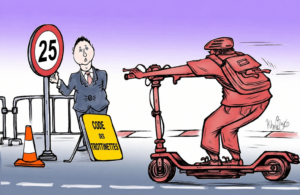
Morocco tightens rules on electric scooters to boost road safety
The Moroccan government has approved two new decrees to modernize travel documents and regulate electric scooters, aiming to enhance both national security and urban mobility.
During a cabinet meeting in Rabat, officials endorsed a sweeping update to the 2008 biometric passport law. Interior Minister Abdelouafi Laftit presented the revision, which introduces next-generation passports with advanced anti-counterfeiting features. These enhancements are designed to safeguard Moroccan travel documents while showcasing the country’s cultural identity.
According to government spokesperson Mustapha Baitas, the upgraded passports will incorporate state-of-the-art security measures to prevent fraud. A joint ministerial order from the Interior and Foreign Affairs ministries will outline the issuance process, though existing biometric passports will remain valid until gradually phased out.
New mobility rules target electric scooters
The second decree revises the Highway Code to include regulations for electric personal transport devices, particularly electric scooters. Key provisions set a strict 25 km/h speed limit, mandate the use of certified helmets, and ban the use of headphones or audio devices while riding to ensure full environmental awareness.
Children under eight years old are prohibited from operating these vehicles on public roads. The legislation also mandates specialized equipment for transporting young children safely.
Balancing innovation with safety
Government officials emphasize that these reforms address the rapid expansion of urban micro-mobility solutions. The updated framework seeks to create a transparent legal environment that fosters innovation while prioritizing user safety and equitable public space usage.
Authorities anticipate these measures will significantly reduce high-risk behaviors and support the growth of alternative transportation options across Morocco’s urban centers.