The Fallout of a Journalist’s Release: What Comes Next for Niger’s Media?
The sudden release of Serge Mathurin Adou, a Nigerien-Ivorian journalist held for over two years on charges of “threatening state security,” has sparked mixed reactions across Niger. While his family and colleagues celebrated the relief, the case has reignited fierce debates about the shrinking space for independent journalism in the country since the 2023 military takeover.
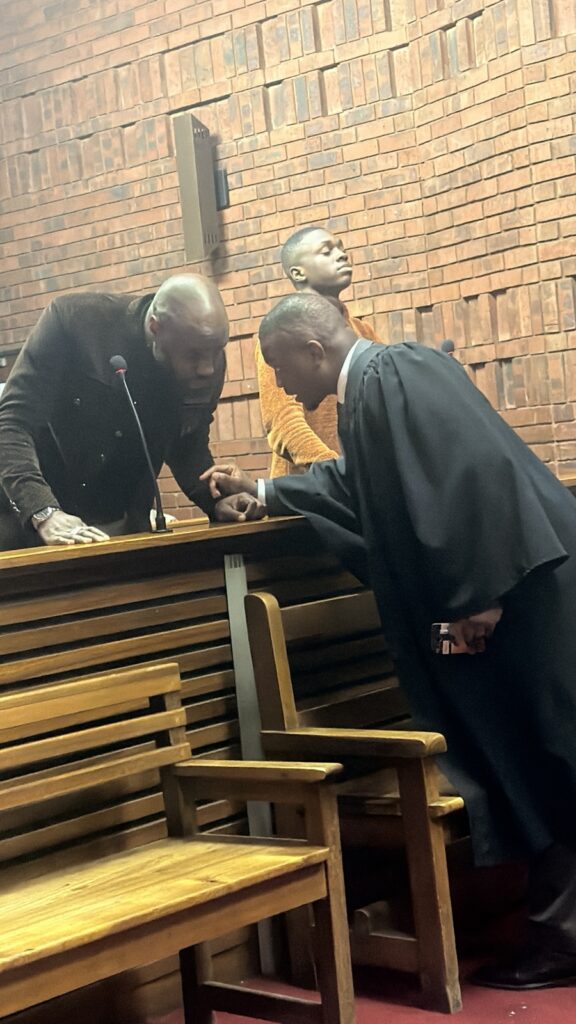
Adou, a reporter for Canal 3 Niger, walked free on November 11, 2026, ending a prolonged ordeal that began with his disappearance in September 2024. His detention followed allegations—initially linked to Burkina Faso’s security ministry—of involvement in a purported coup plot against Burkinabe authorities. Yet, Niger’s judiciary prosecuted him under entirely different charges, casting a shadow over the fairness of his trial.
Why his release feels more like a pause than progress.
The Case That Raised More Questions Than Answers
The timeline of Adou’s arrest and prosecution reveals troubling inconsistencies. After vanishing for weeks post-seizure, he was formally charged in Niamey on November 11, 2024, with “undermining state security.” A year later, he was sentenced to two years in prison—a far cry from the two decades prosecutors initially demanded. His sudden release, without further explanation, has left many wondering: Was justice served, or was this merely a strategic concession?
The case’s jurisdictional confusion—rooted in Burkina Faso’s initial accusations—highlights a disturbing trend. When journalists become pawns in cross-border security narratives, due process often takes a backseat. Adou’s ordeal underscores how easily legal systems can be weaponized against the press under the guise of national security.
A Media Landscape Under Siege Since the 2023 Coup
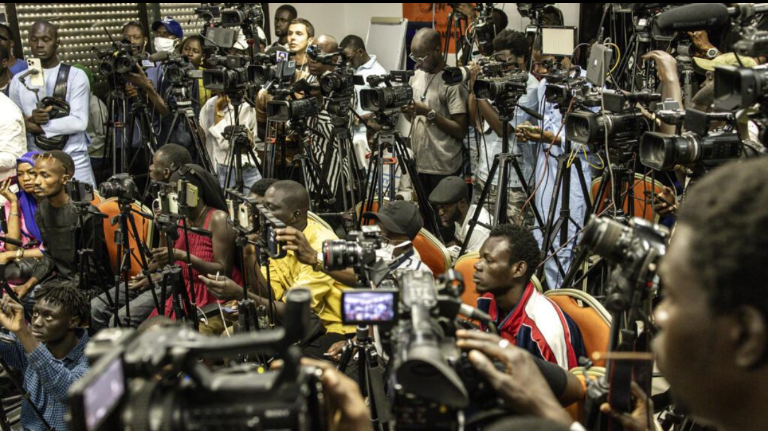
Adou’s detention is far from an isolated incident. Since General Abdourahamane Tiani’s July 2023 power grab, Niger’s press freedom has plummeted. Journalists now face a trifecta of threats: legal intimidation, institutional censorship, and self-censorship out of fear.
- Legal repression: High-profile arrests of reporters like Samira Sabou, Ousmane Toudou, and Soumana Maïga have set a chilling precedent. Many now avoid covering security issues entirely.
- Institutional crackdowns: The January 2024 suspension of the Maison de la Presse—a key professional body—sent a clear signal. International outlets such as RFI and France 24 have also faced bans, further isolating Niger’s media.
- Economic stranglehold: Reporters Sans Frontières (RSF) reports that media outlets struggle to survive amid plummeting ad revenue and state pressures, forcing many to scale back operations.
The numbers tell an alarming story. In 2024, Niger ranked 83rd in RSF’s World Press Freedom Index. By 2026, it had plummeted to 120th—a 37-place drop in just two years. RSF explicitly ties this decline to the post-coup crackdown, citing “systemic violations” of journalists’ rights.
What’s Next for Niger’s Press? A Fragile Outlook
Adou’s release is a rare glimmer of hope, but it’s no sign of systemic change. With at least a dozen journalists still detained, and dozens more facing charges, the message to the press is clear: Stay silent or face consequences.
For citizens, the stakes couldn’t be higher. In a region grappling with jihadist insurgencies and political instability, independent journalism is critical to countering disinformation and holding authorities accountable. Yet, the current climate makes objective reporting a high-risk endeavor.
The question now is whether Adou’s case will embolden others to challenge the status quo—or if most will retreat into self-censorship to survive. What’s certain is that the fight for a free press in Niger is far from over. Until legal reforms, institutional transparency, and security concerns align, journalists—and the public they serve—will remain in limbo.