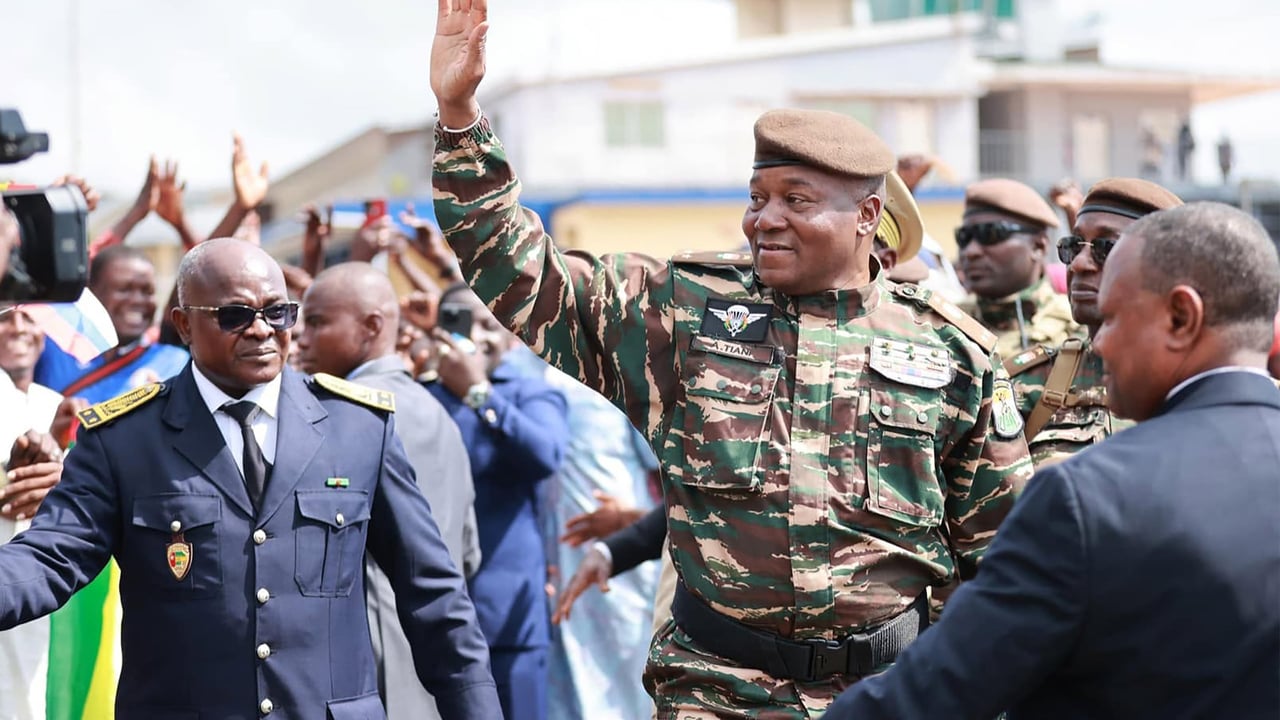
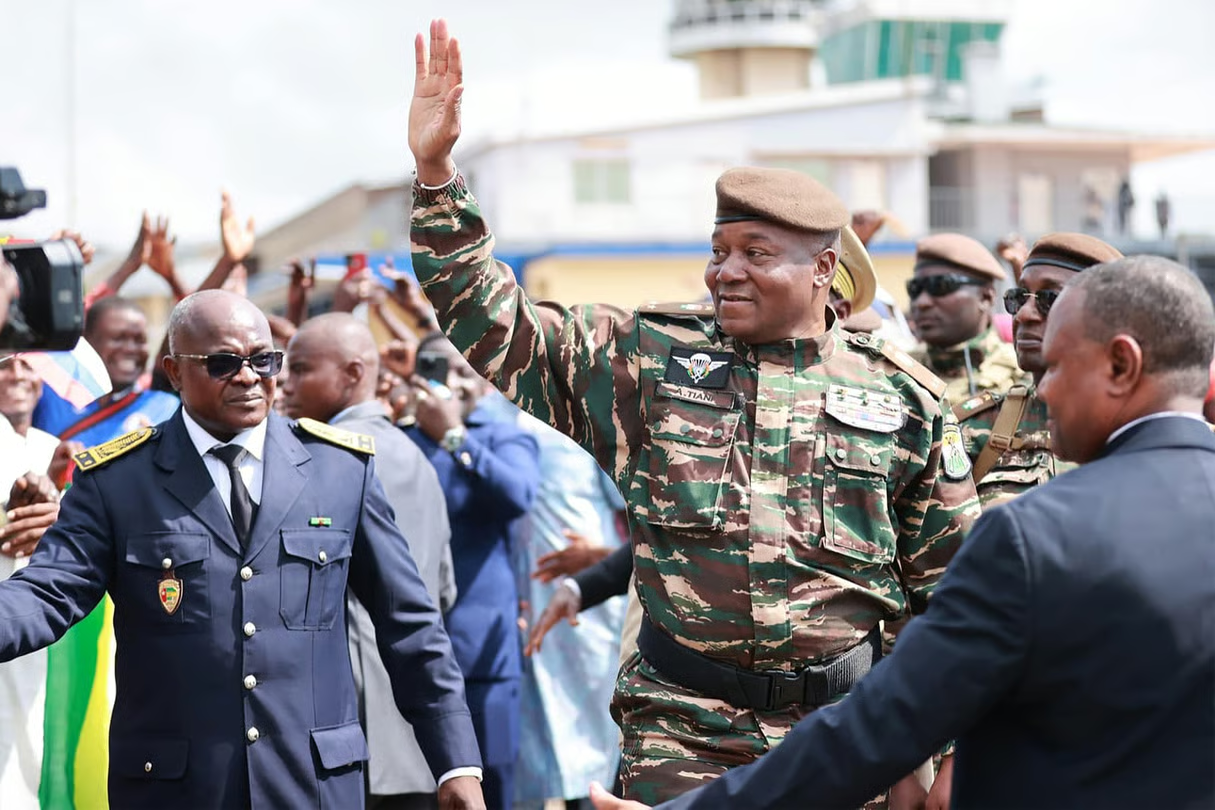
Under the leadership of General Abdourahamane Tiani, Niger is embracing a new chapter marked by pragmatic decision-making. Since assuming power, the transitional authorities have demonstrated a clear shift in governance, prioritizing stability and regional collaboration over past uncertainties. This approach reflects a broader strategy to reposition Niger on the continental stage while addressing pressing domestic challenges.
Strategic partnerships take center stage
Niger’s foreign policy has undergone significant recalibration under Tiani’s administration. The country is actively forging alliances that align with its long-term interests, particularly with key international and regional players. Recent engagements have underscored Niger’s commitment to fostering mutually beneficial relationships, including with partners beyond its traditional spheres.
One notable development is Niger’s evolving relationship with Russia, which has seen deeper collaboration in sectors critical to national development. This partnership extends beyond economic ties, encompassing security cooperation—a vital component in the Sahel’s complex landscape.
Regional dynamics and the Sahel alliance
The Alliance des États du Sahel has emerged as a cornerstone of Niger’s regional strategy. By aligning with neighboring states facing similar security and economic pressures, Niger is strengthening its position within this bloc. The alliance’s shared vision emphasizes self-reliance and collective resilience, principles that resonate deeply with Tiani’s governance philosophy.
This collaborative framework also serves as a platform for Niger to advocate for its interests in multilateral forums, amplifying its voice in discussions on regional security and economic integration. The alliance’s growing influence is reshaping power dynamics in the Sahel, offering a counterbalance to external pressures.
Domestic priorities: stability and economic revival
Internally, the transitional government is focused on restoring order and reviving the economy. Efforts to curb insecurity have intensified, with security forces implementing targeted operations to dismantle armed factions. Meanwhile, economic policies are being recalibrated to attract investment and stimulate growth, particularly in sectors like agriculture and mining.
The administration has also prioritized dialogue with civil society and political stakeholders to ensure inclusive governance. This inclusive approach aims to build trust and foster a sense of shared purpose among Nigeriens, which is essential for long-term stability.
Challenges on the horizon
Despite these strides, challenges remain. Regional instability, economic constraints, and the legacy of past conflicts pose ongoing risks. However, Tiani’s pragmatic stance suggests a willingness to navigate these complexities with flexibility and determination. The government’s ability to balance immediate needs with long-term vision will be critical in determining Niger’s trajectory in the coming years.
As Niger charts its course under Tiani’s leadership, the world watches closely. The choices made today will shape not only the country’s future but also the broader geopolitical landscape of West Africa. With a firm commitment to pragmatism, Niger is positioning itself as a key player in the region’s evolving dynamics.