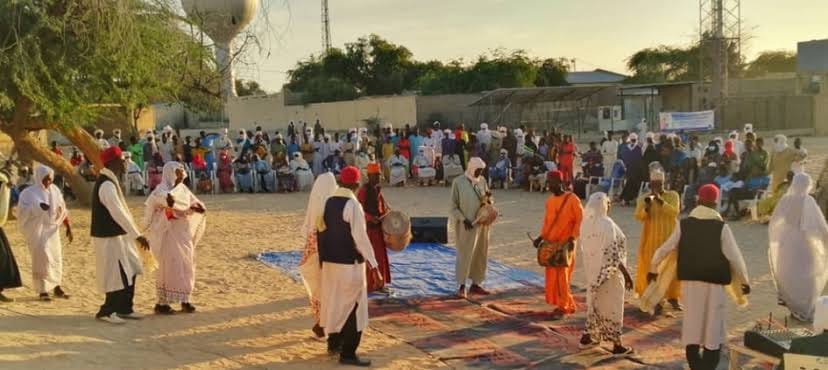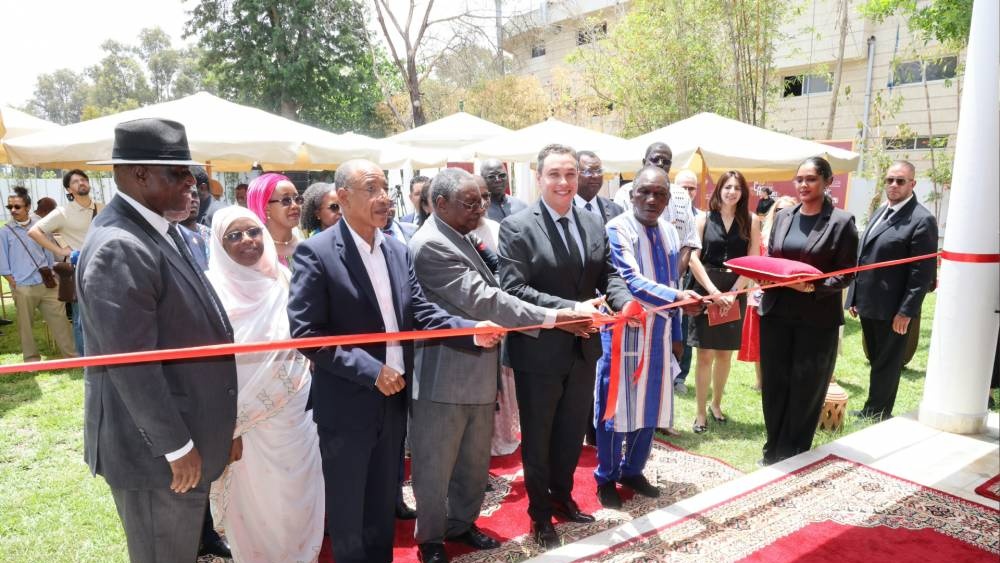
The inauguration ceremony of the African Capitals of Culture (ACC) headquarters took place this Thursday in Rabat, drawing a distinguished assembly of cultural and diplomatic figures from across the continent.
Rabat now proudly hosts the administrative and operational nerve center for this ambitious pan-African initiative, which aims to celebrate cultural diversity while fostering exchange between African nations. The newly inaugurated facility will serve as a hub for coordinating cultural events, artistic residencies, and collaborative projects throughout the year.
a strategic move for cultural diplomacy
The decision to establish the ACC headquarters in Rabat underscores Morocco’s growing role as a cultural bridge between Africa and the wider world. By providing a permanent home for this initiative, the city reinforces its position on the continent’s cultural map while offering African artists and creators a dedicated platform for visibility and networking.
The ACC framework, which rotates annually among selected African cities, has already showcased the richness of the continent’s heritage through music festivals, literary events, and visual arts exhibitions. With Rabat now at the helm, the program is poised to expand its reach and impact.
key figures gather for the landmark event
The inauguration brought together ministers of culture, ambassadors, and representatives from UNESCO and the African Union, highlighting the initiative’s regional and international significance. Speakers emphasized how the ACC headquarters would streamline coordination between participating countries, ensuring smoother execution of programs and greater continuity in cultural promotion efforts.
Among the highlights was the unveiling of the facility’s design, which blends modern Moroccan architectural elements with sustainable building practices—a reflection of the ACC’s commitment to eco-friendly cultural development.
what’s next for the african capitals of culture?
With the headquarters now operational, the ACC is expected to launch several new initiatives, including a digital archive of African cultural heritage and a mentorship program pairing emerging artists with established professionals. The upcoming host city for the next edition will also be announced during an official ceremony, building anticipation for the cultural celebrations to come.
For Rabat, this milestone represents more than just a new institutional presence—it signals the city’s emergence as a dynamic player in Africa’s cultural renaissance, where tradition and innovation converge.