what to expect from the DRC national dialogue amid opposition demands
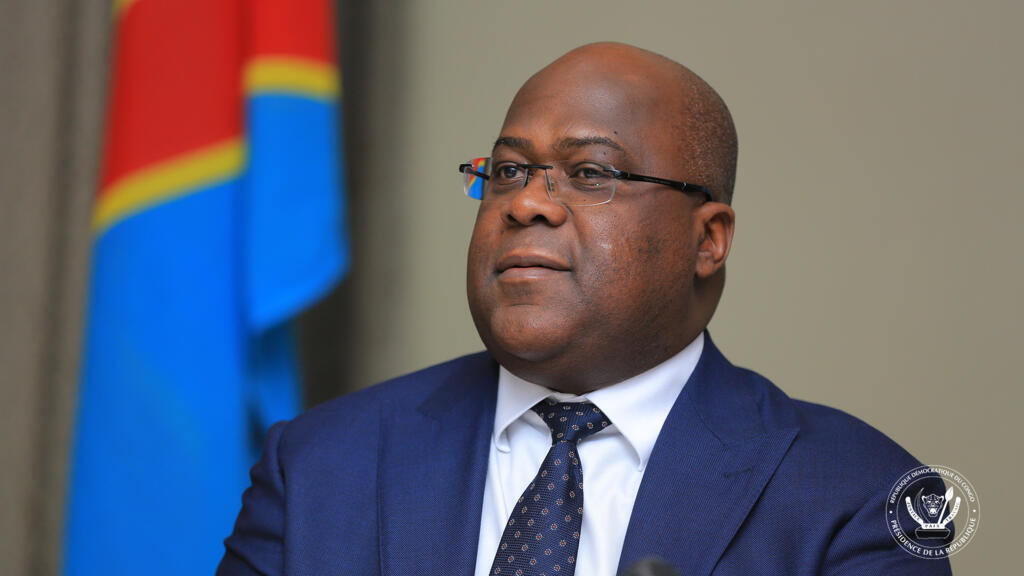
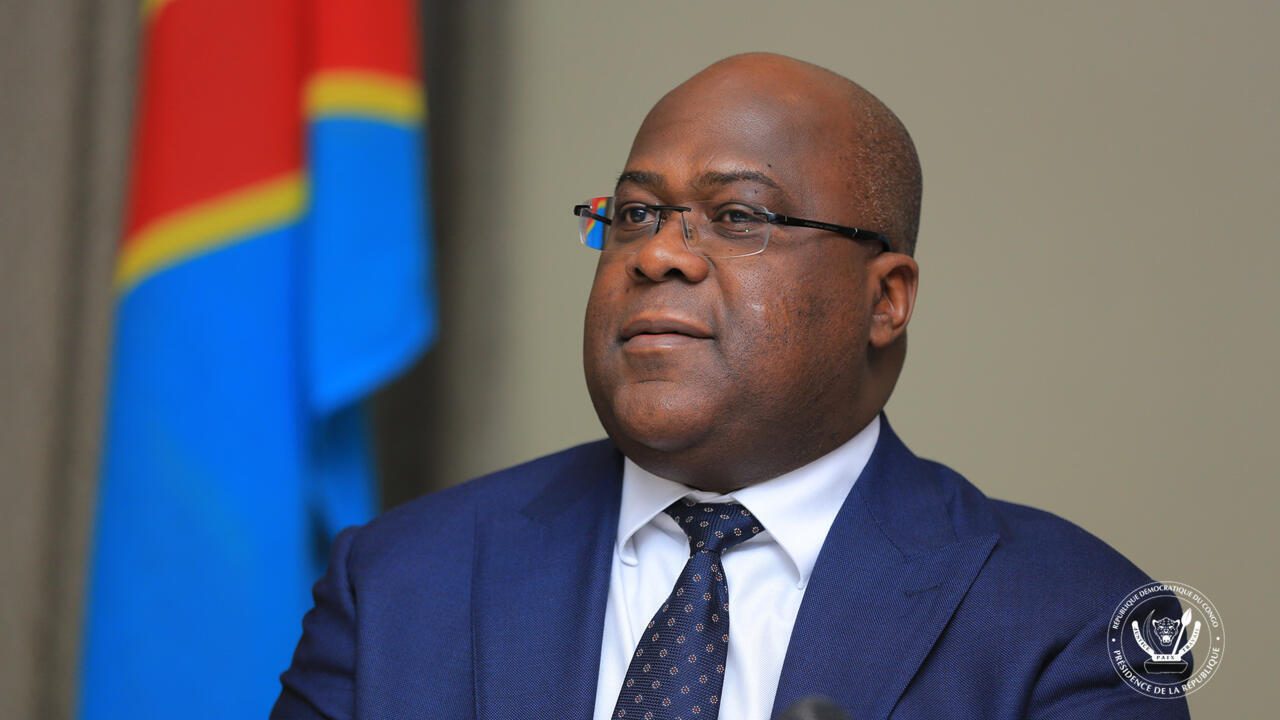
In the Democratic Republic of the Congo (DRC), the opposition has postponed a planned march but remains firmly opposed to a third term for President Félix Tshisekedi. They are demanding that the national dialogue, recently announced by the president, be convened before August 15. What does this ultimatum mean, and what can be expected from this dialogue?
why the opposition is pushing back
The opposition’s decision to delay its demonstration reflects deep concerns over the president’s potential bid for a third term. They argue that the national dialogue, intended as a platform for national reconciliation, must occur before the deadline they’ve set. The postponement is seen as a strategic move to allow more time for pressure to build on the government to meet their demands.
The opposition coalition has made it clear that they will not accept any constitutional changes that would enable Tshisekedi to run again. Their ultimatum—set for August 15—serves as a deadline for the government to act before they escalate their protests.
what the national dialogue aims to achieve
The proposed national dialogue is meant to address pressing issues in the DRC, including political stability, security, and governance. However, the opposition insists that its primary focus must be on preventing a constitutional amendment that would allow a third term. They argue that such a move would undermine democratic principles and trigger further instability.
The dialogue is also expected to address broader challenges, such as:
- security concerns: ongoing conflicts in eastern regions, including clashes involving armed groups like the M23;
- economic instability: rising inflation, unemployment, and resource mismanagement;
- governance issues: corruption, weak institutions, and lack of transparency.
While the government has expressed commitment to the dialogue, skepticism remains about whether it will lead to meaningful reforms. Critics question whether the process will be inclusive or merely a tool to legitimize the president’s agenda.
public reaction and expectations
The opposition’s ultimatum has sparked widespread debate among citizens, civil society groups, and international observers. Many Congolese are divided over whether the dialogue will bring tangible change or serve as a political maneuver.
Some citizens believe the dialogue is a necessary step toward addressing the country’s deep-rooted crises, while others view it as a distraction from the immediate threat of a third term. The postponement of the march has given more time for public discussions, but tensions remain high.
As the August 15 deadline approaches, all eyes are on the government’s response. Will the national dialogue proceed as planned, or will the opposition escalate its protests?