The Democratic Republic of Congo’s President, Félix Tshisekedi, has unexpectedly embraced a nationwide inclusive dialogue following a pivotal meeting with religious leaders in Kinshasa. This move, long demanded by opposition groups and civil society, now awaits concrete implementation through presidential decrees, facilitator appointments, and the establishment of a clear agenda and timeline. What prompted the Congolese leader’s decision to shift course after resisting such calls for over a year?
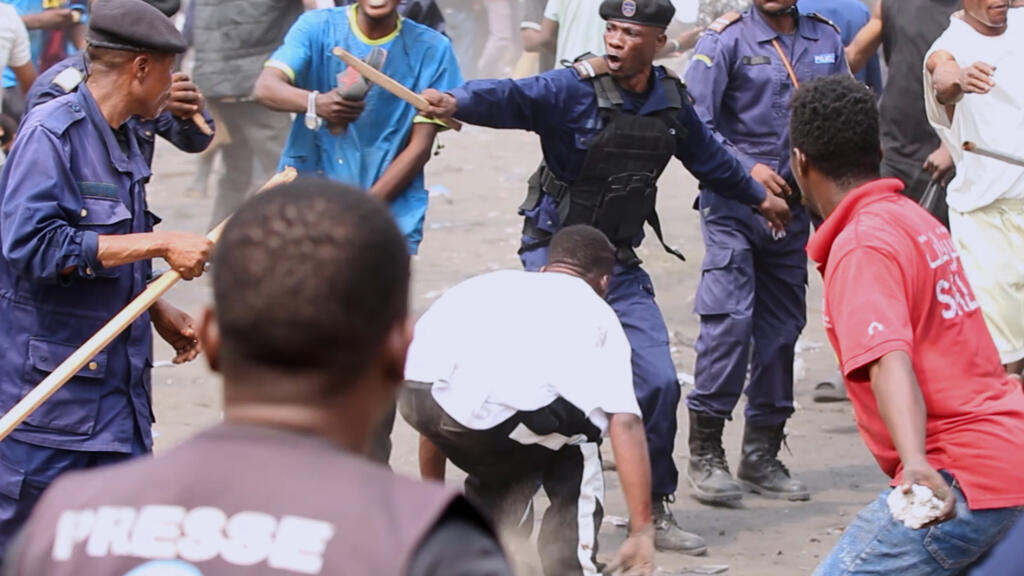
With pressure mounting, the opposition coalition C64 temporarily suspended its planned July 22 march but issued an ultimatum to the head of state: convene the dialogue by August 15. Is this deadline achievable, or will it further escalate tensions?
Key factors behind Tshisekedi’s shift
Several dynamics appear to have influenced President Tshisekedi’s decision:
- Religious mediation: The endorsement of the dialogue by influential faith leaders provided a moral and strategic impetus for the move.
- International and regional pressures: Calls from African and global stakeholders for political stability have intensified.
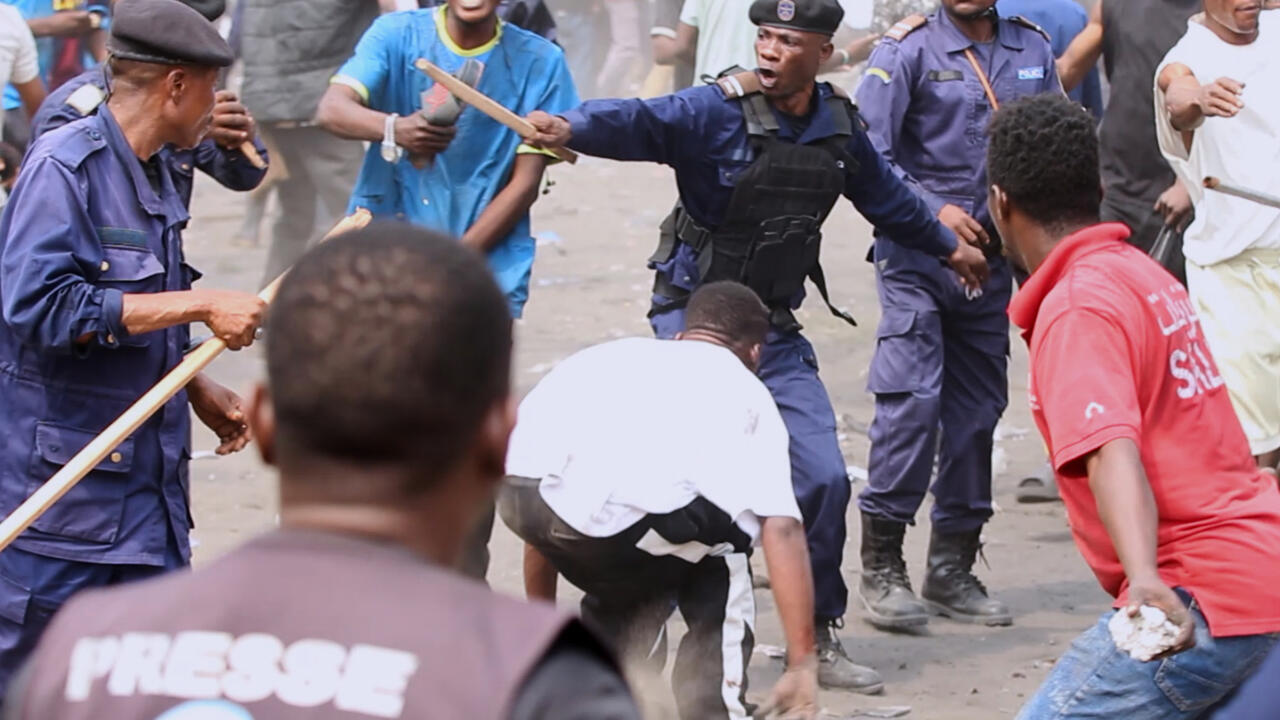
- Opposition momentum: The resurgence of protests and organized resistance has heightened the urgency for dialogue.
- Constitutional concerns: Public unease over potential constitutional amendments has galvanized demands for inclusive consultation.
The path forward remains uncertain. The president must now translate rhetoric into action by issuing formal orders, selecting impartial facilitators, and defining the scope and timeline of discussions. Failure to meet the opposition’s deadline could reignite mass demonstrations and deepen political fractures.
What’s next?
The coming weeks will be critical. Will the government adhere to the August 15 deadline? Can the proposed dialogue bridge divides between the ruling coalition and opposition forces? And will the process deliver tangible reforms that restore public confidence in DRC’s democratic institutions?
One thing is clear: after years of impasse, the stakes have never been higher for the Democratic Republic of Congo.