Cash before convictions? The real stakes behind the Sahel alliance’s $410 million opening to Washington
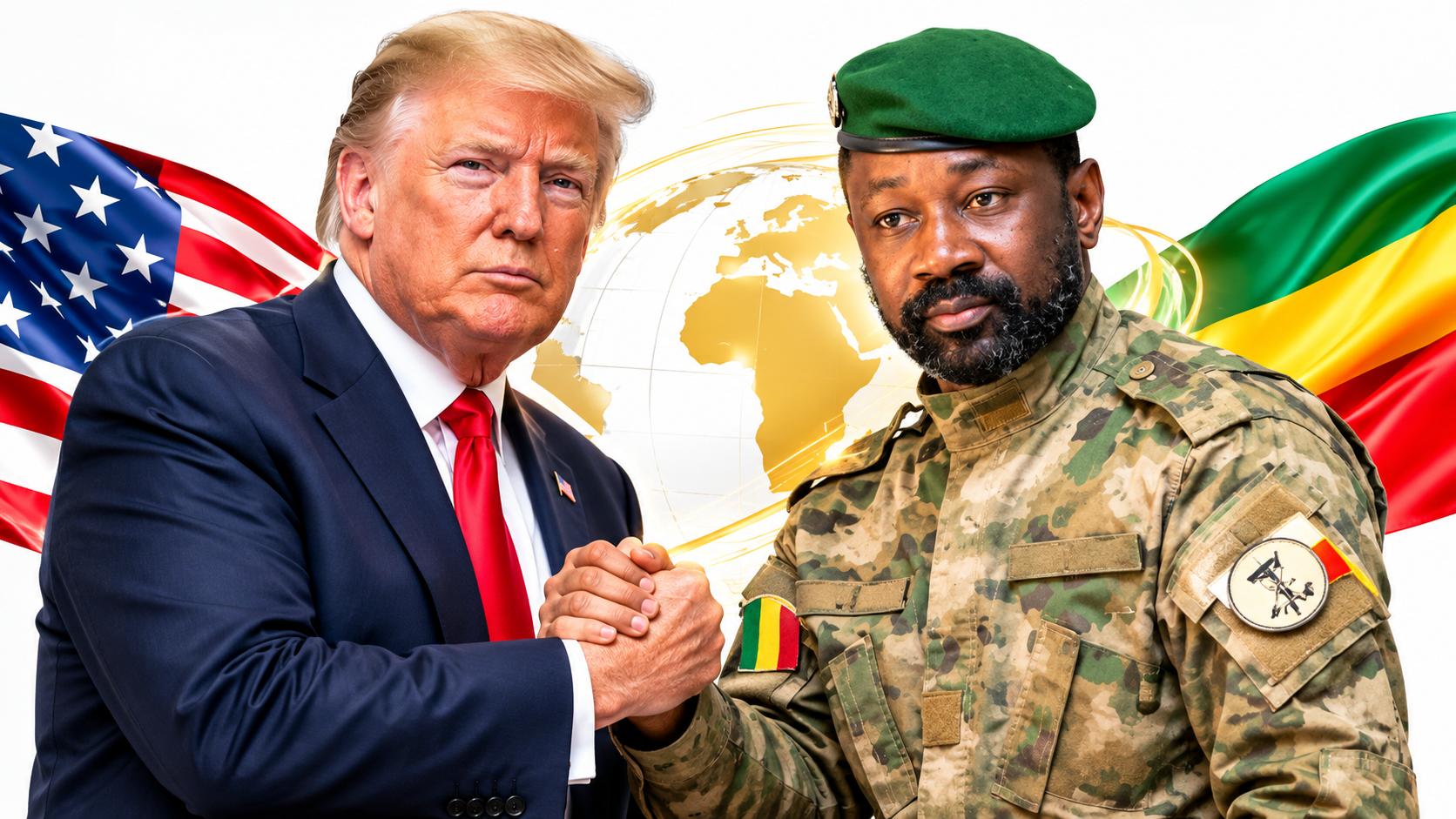
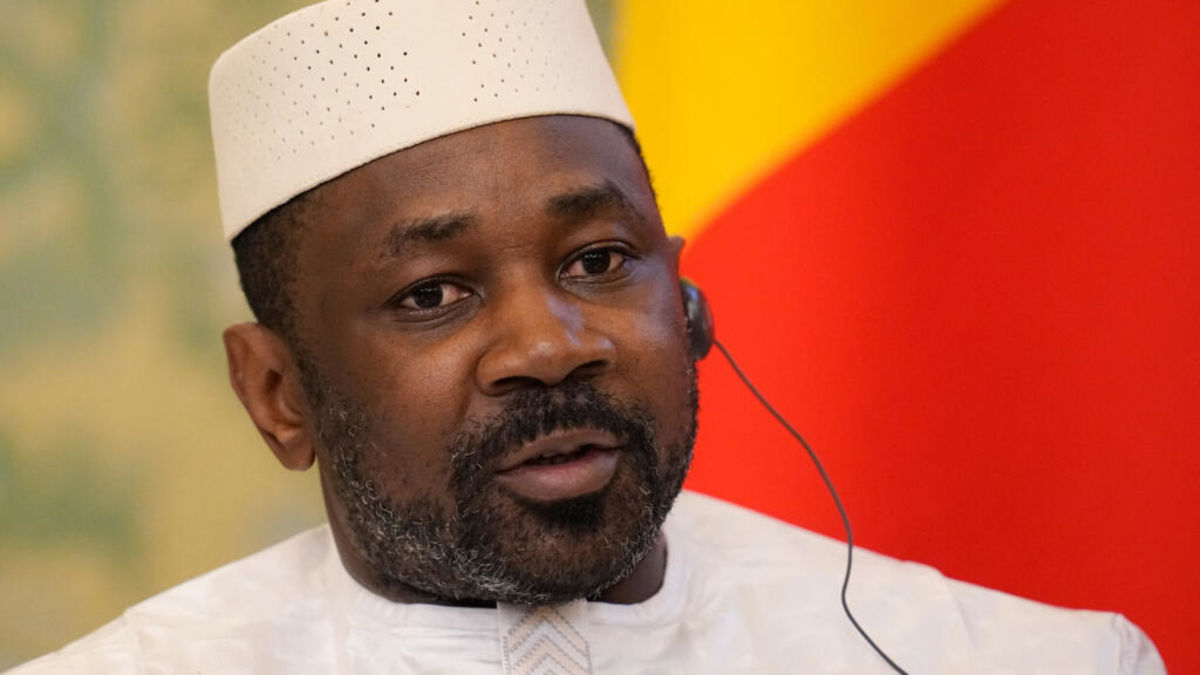
Is the Sahel alliance’s rupture with the West truly as absolute as its leaders proclaim, or is a $410 million migration contract quietly redrawing the line? That is the dilemma now hovering over the capitals of the Alliance of Sahel States (AES), where Mali, Niger and Burkina Faso have turned a radical ideological break with their traditional Western partners — the United States and France above all — into a founding political identity. Yet those same governments have left diplomatic and economic channels with Washington conspicuously open. The explanation sits…

Read More
Uncategorized

Mali at 66: what is really at stake when sovereignty is celebrated under siege?

On Tuesday 22 September 2026, Mali marks the 66th anniversary of its accession to international sovereignty. The question worth asking, six decades after the 1960 proclamations, is not whether the flag will be raised — it will — but what that flag still guarantees for a population living through a multidimensional crisis and an unprecedented security stalemate. This year, the national celebration unfolds under maximum security pressure, and the gap between official rhetoric and conditions on the ground has rarely looked wider. A national day staged behind a security cordon…

Read More
Uncategorized

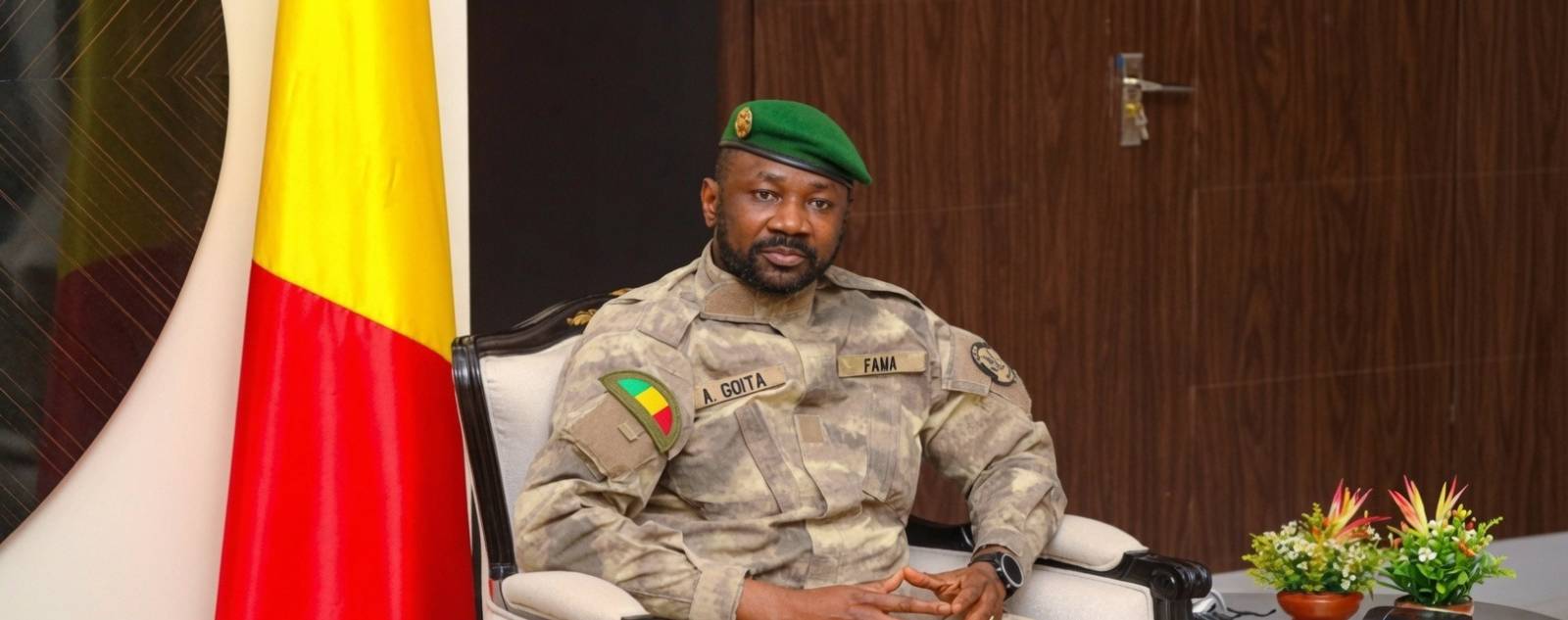
After Goïta’s independence address: what do Malians actually stand to lose?

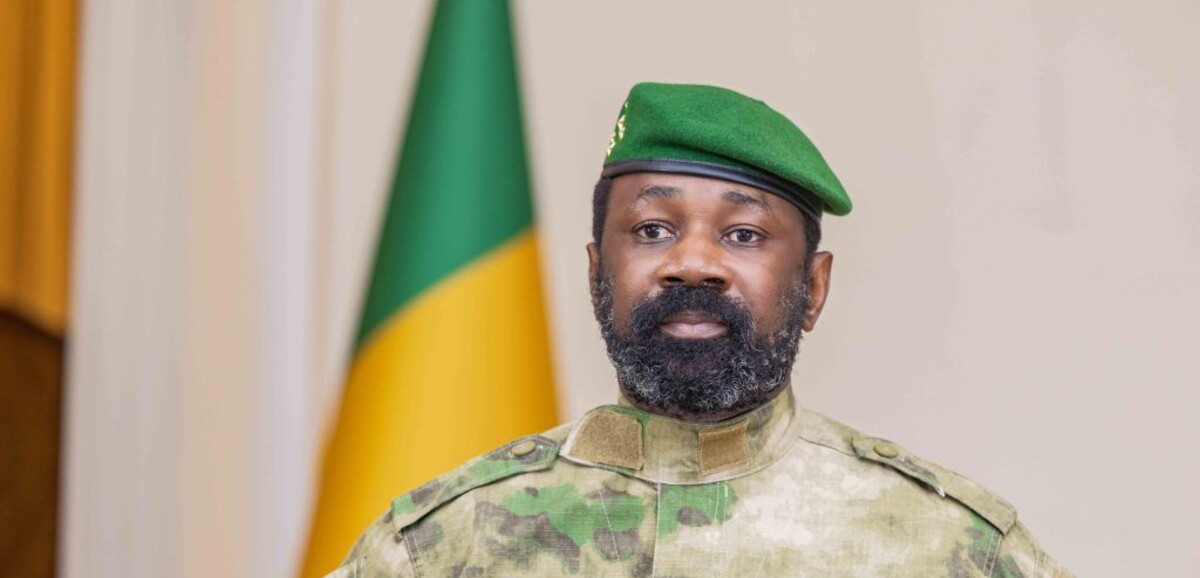
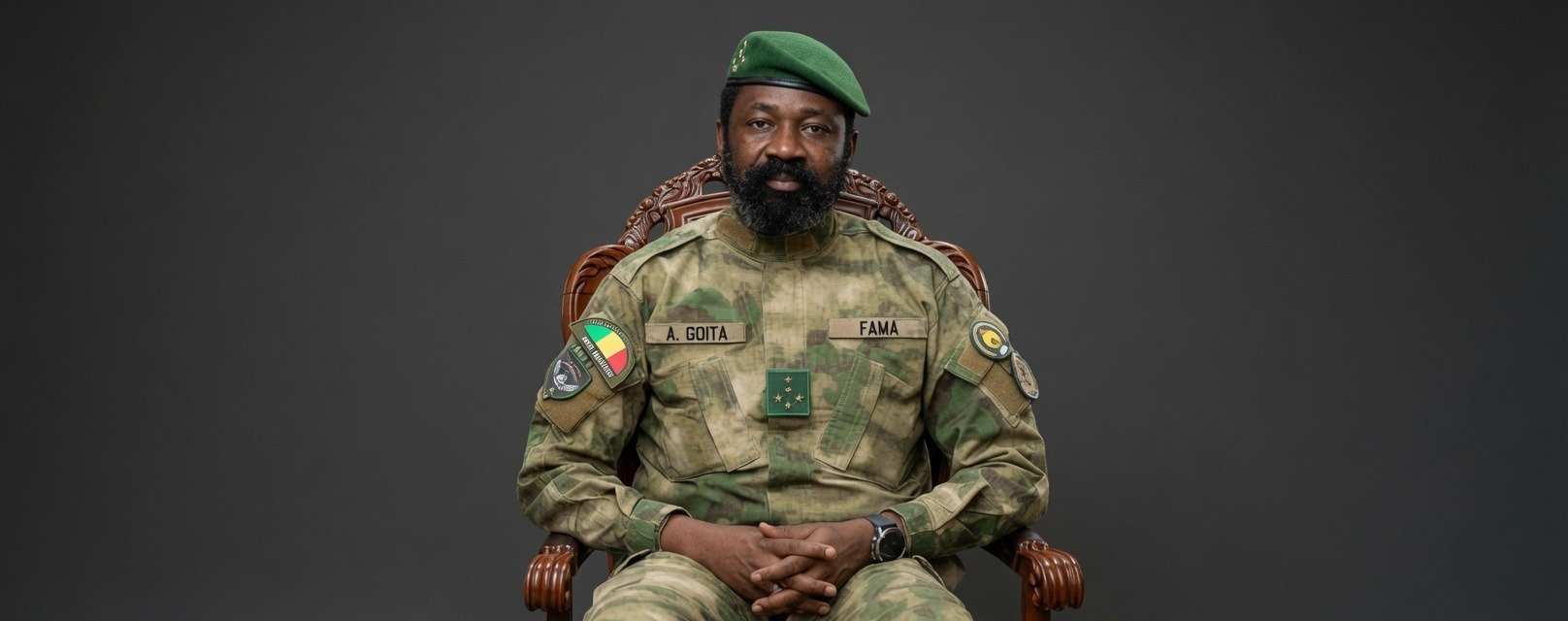
The independence day message delivered to the nation by the head of the Transition, army general Assimi Goïta, was built on a triumphant register: promises of economic growth, praise for a military on the rise and a heavy dose of sovereignty rhetoric. Yet the decisive question is not how forcefully that narrative was delivered from the podium — it is what happens to ordinary Malians when the promises are measured against the facts on the ground. That gap, and the price attached to it, is where the real stakes of…

Read More

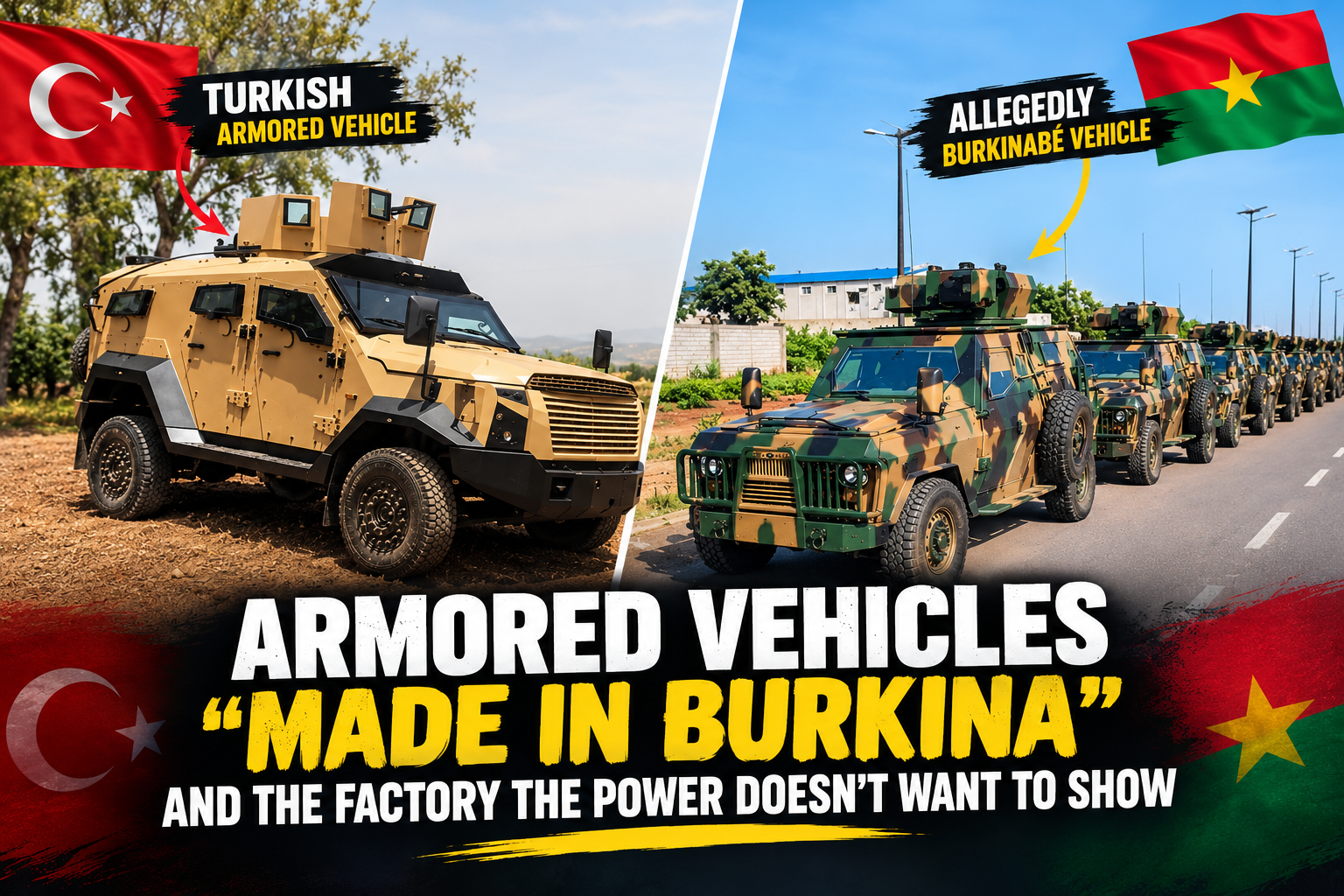
The Nanga dilemma: what Burkina Faso stands to lose if its ‘made in Burkina’ armour claim cracks

Nearly 300 armoured vehicles, a company nobody has ever seen, and a slogan: “made in Burkina Faso”. When Burkina Faso’s military leader, Ibrahim Traoré, presented the Nanga vehicles on 21 September as fresh proof that his country can equip its own army, he opened a debate that has not closed since. The reason is straightforward: the one piece of evidence capable of ending it a verifiable production line has never been put on display. Traoré says close to 300 vehicles have been produced or adapted in Burkina Faso since November…

Read More

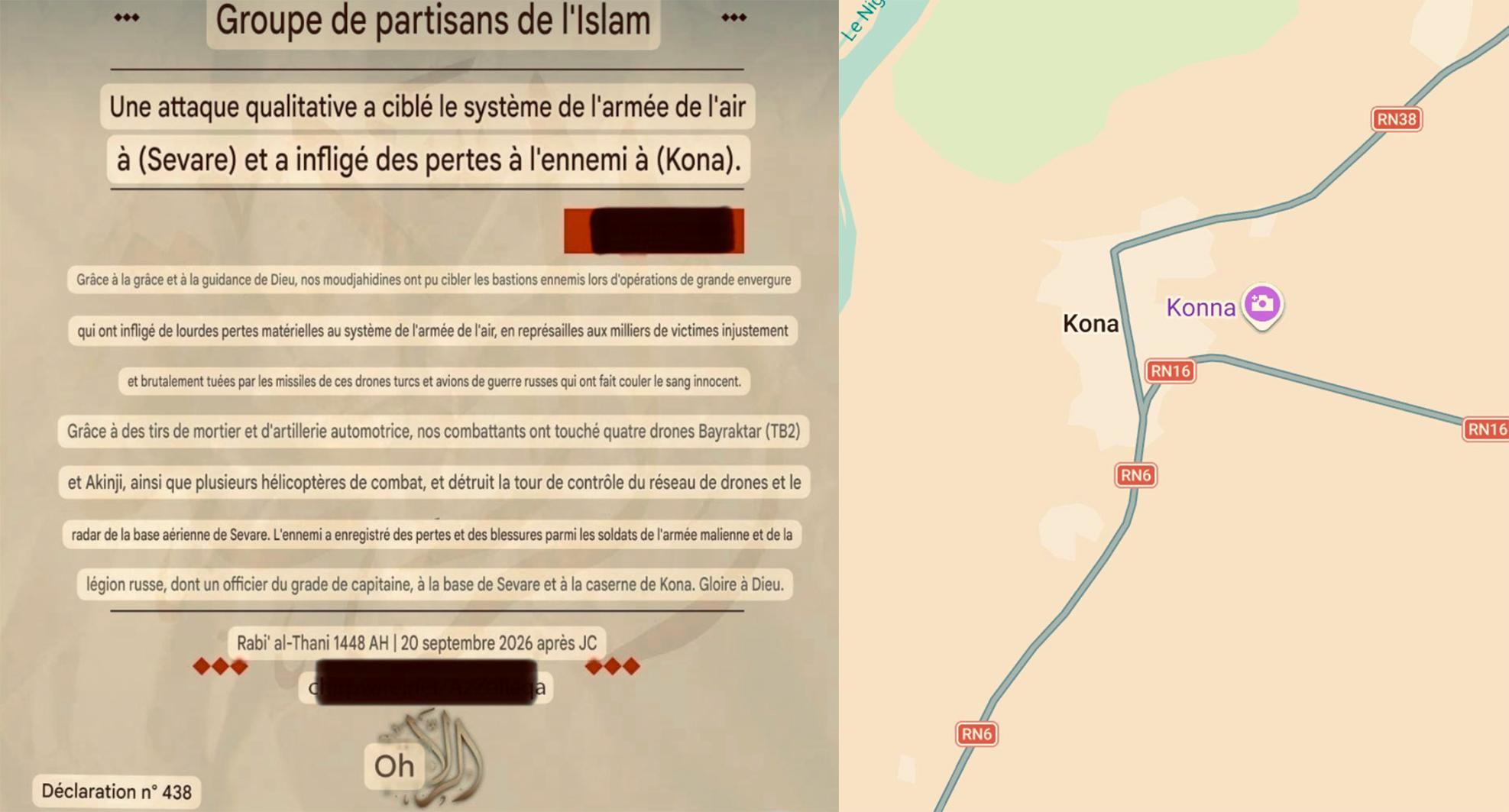
Sévaré airbase raid: what is Mali’s arsenal really protecting?

What is Mali’s security model actually protecting? That is the uncomfortable question left behind by the assault on the Sévaré airbase and the Konna barracks, claimed on Sunday 20 September by the Group for the Support of Islam and Muslims (JNIM), Al-Qaeda’s branch in the Sahel. The strike does not simply add another incident to a crowded list. It puts the central wager of Bamako’s defense policy on trial: the idea that sophisticated hardware, fresh alliances and a clean break with Western partners would finally secure the country. In its…

Read More

What does the JNIM’s deadly Dioura and Sévaré offensive mean for Mali’s future?

What does the JNIM’s deadly Dioura and Sévaré offensive mean for Mali’s future? In a matter of days, a wave of coordinated attacks by the jihadist group JNIM has left around 150 people dead, striking Malian army positions and their Russian partners in Dioura and Sévaré. The scale of the losses has sent shockwaves through Bamako and raised urgent questions about the country’s ability to contain an escalating insurgency. A multi-front assault that caught defenses off guard The attacks unfolded over several days, targeting military installations in two separate locations.…

Read More

Sèmè crude is back: what does Benin really gain from a 250,000-barrel cargo?

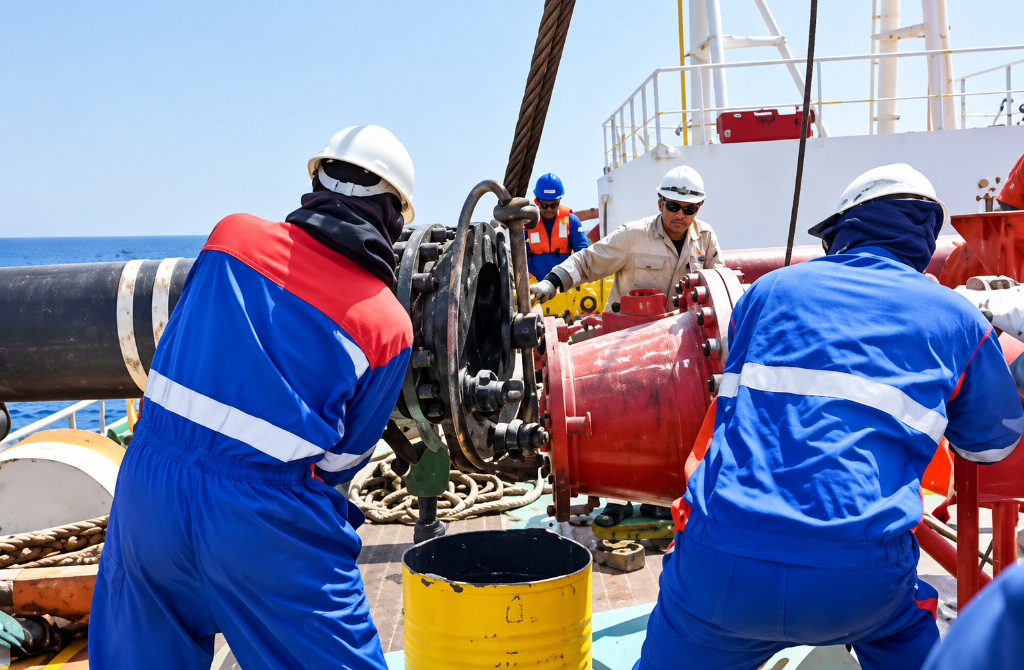
Benin is preparing to load and sell its first cargo of crude oil in decades — close to 250,000 barrels lifted from the offshore Sèmè field and bound for international buyers in October 2026. The real question is no longer whether the shipment will leave the terminal, but what the country can honestly expect to get out of it. The stakes reach far beyond a single tanker. A first sale of crude writes the international “identity card” of a nation’s oil, sets the benchmark for everything that follows, and tests…

Read More

Is Mali’s security bet on Moscow paying off? What the fall of Dioura means for the Sahel

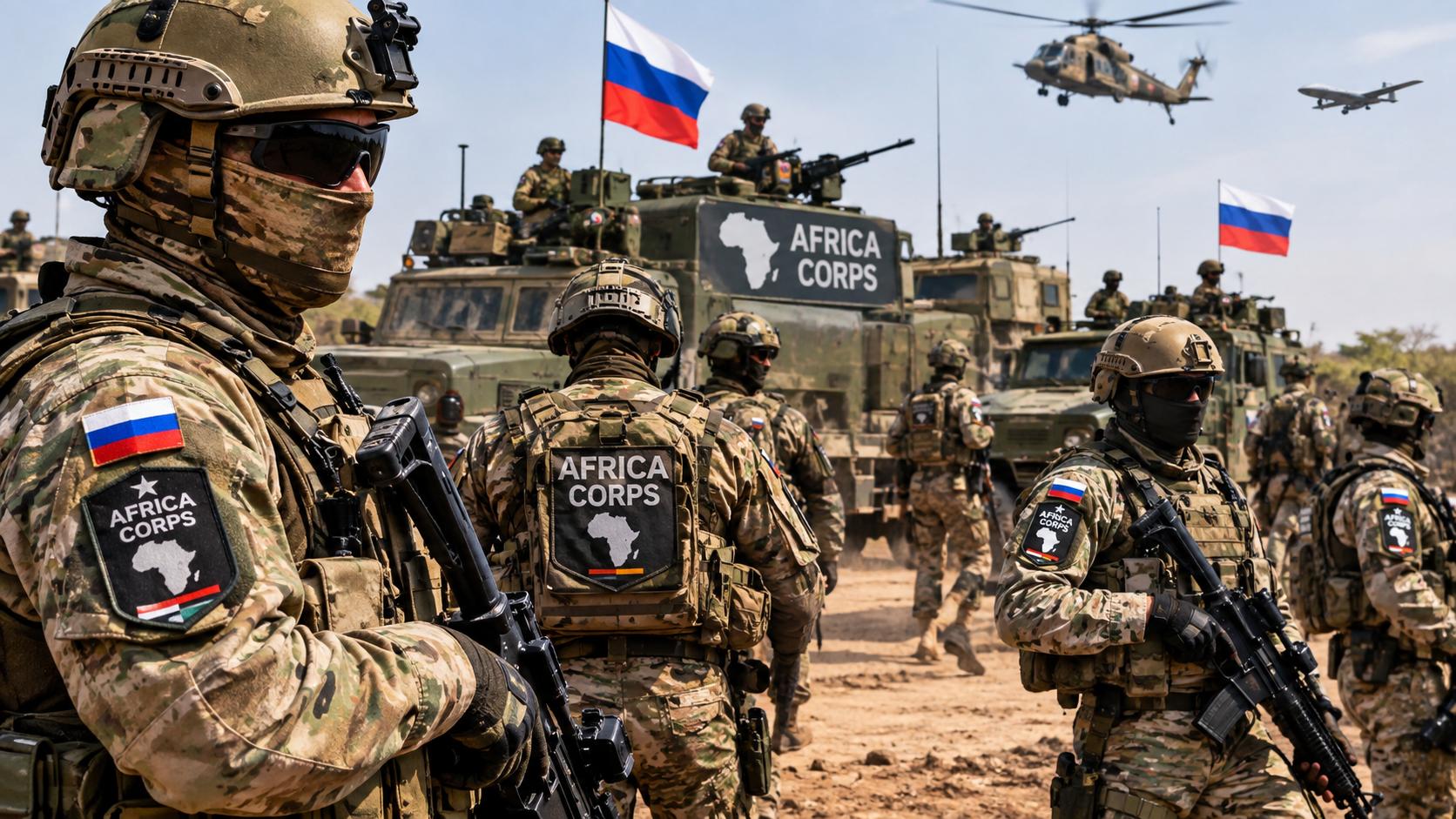
How much longer can the Alliance of Sahel States keep presenting its security model as a success story? That is the awkward question now hanging over Mali, Burkina Faso and Niger after the assault on Dioura — a defeat that has reopened the most sensitive debate of all: is the presence of Russia’s Africa Corps genuinely altering the course of the war, or simply adding firepower to a losing equation? What happened at Dioura, and why the casualty figures matter On 10 September, the Malian military camp at Dioura, in…

Read More

One writer, one hundred years: what is at stake in Olympe Bhêly-Quenum’s centenary?

The anniversary brings its own question: a century after his birth in Ouidah, does Olympe Bhêly-Quenum still carry the same weight in African letters? The novelist, journalist and literary critic, born on 20 September 1926, has now crossed the full hundred-year mark, and his name remains attached to one of the most enduring bodies of French-language writing produced on the continent in the second half of the 20th century. Yet the real stakes of the moment lie less in the tributes than in what the literary world does with them.…

Read More

Mali independence day: opposition leader Fakaba Sissoko demands accountability from power holders

As Mali marks its Independence Day on September 22, transitional leader General Assimi Goïta addressed the nation on September 21, highlighting the country’s economic progress, pledging to intensify efforts against armed terrorist groups, and advocating for national reconciliation. Goïta, who seized power over six years ago without elections and maintains his position with support from the Russian Africa Corps, also emphasized Mali’s continued pursuit of sovereignty within the Alliance of Sahel States (AES). Malians demand tangible results The president’s speech, however, has drawn sharp criticism from opposition figures both inside…

Read More

Mali’s toughest question: can Goïta really fight jihadists and reconcile at the same time?

Mali’s toughest question: can Goïta really fight jihadists and reconcile at the same time? In a rare radio and television address on Monday evening, Mali’s transitional president, General Assimi Goïta, laid out a dilemma that now defines his country’s future: intensify the war against armed jihadist groups while simultaneously extending an olive branch to fellow Malians. The dual message, delivered on the eve of the 66th independence anniversary, raises a crucial question — can a state escalate its military campaign and still bring divided communities back together? A call for…

Read More

Rosenior’s Chelsea exit: did Strasbourg’s owners cross a line they can’t uncross?

The fallout from Liam Rosenior’s mid-season exit to Chelsea refused to stay confined to the stands at Stade Jean-Bouin. Over the weekend, the debate spilled onto the Ligue 1 review panel, where journalist Jonathan Helbling joined the discussion after matchday five to dissect the tense closing scenes in Strasbourg, the January switch to Chelsea and the depth of supporter anger. His guiding principle throughout: explain the fans’ fury without ever excusing the insults. A boss with two businesses under one roof For Helbling, the resentment in the away section was…

Read More