Algeria’s parliament session sparks debate over Sahel military shift and regional fallout
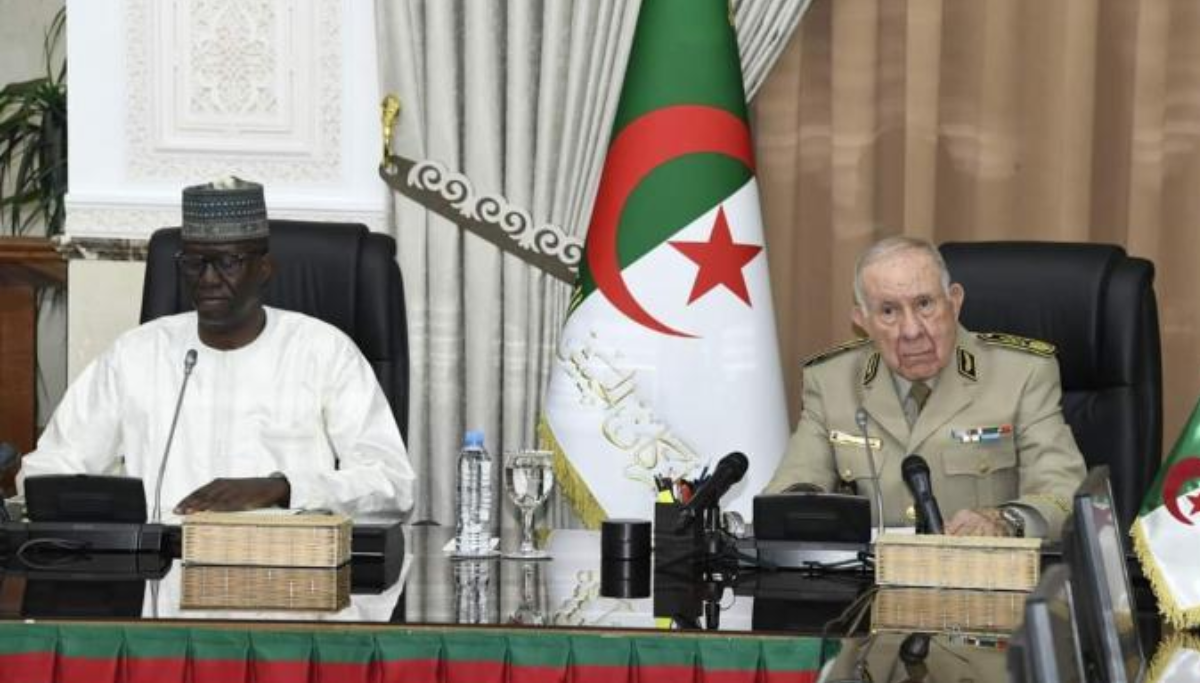
The urgent summoning of Algeria’s parliament on 25 October has reignited discussions about the nation’s evolving military role in the Sahel, with public attention fixed on the potential fallout of a deeper engagement in Niger. Beyond the spectre of direct intervention, the move raises broader questions about regional sovereignty, shifting alliances, and the future of security dynamics in a volatile area. Parliament’s role in shaping Algeria’s next military steps The extraordinary session of both parliamentary chambers has fuelled speculation about Algeria’s intentions. While no official agenda has been disclosed, the…

Read More

Benin’s economic freedom surge: how reforms catapulted it into the global top 100

Benin has achieved a historic milestone by climbing to the 99th spot in the 2026 Global Economic Freedom Index, securing its place among the world’s top 100 for the first time. This leap also positions the nation as the 11th most economically free country in Africa, a testament to years of strategic reforms designed to stimulate private sector growth, draw foreign investment, and modernise its financial and regulatory landscape. Understanding the metrics behind economic freedom The index assesses 165 economies across 46 unique variables, all scored on a scale from…

Read More

African lives lost in Ukraine war spark outrage and calls for accountability

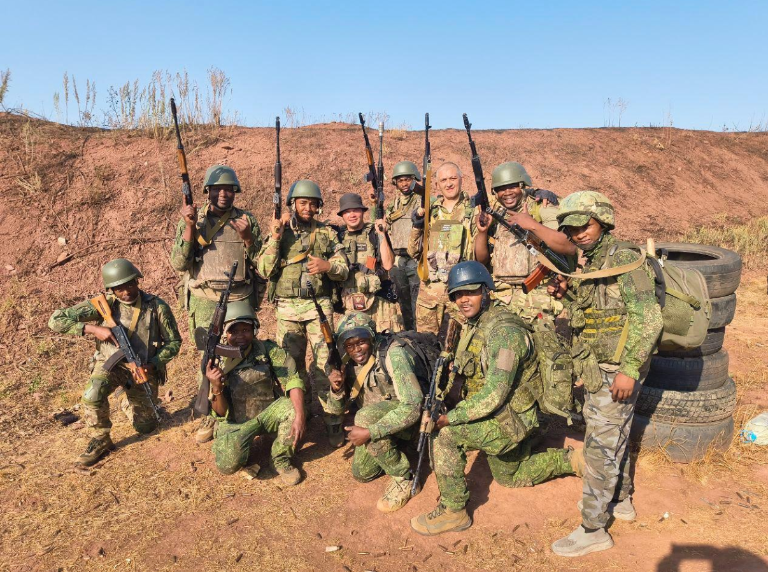
The death of Cameroonian sambo champion William Célestin Fokam on Ukraine’s battlefield has ignited a continent-wide debate. At 41, his fatal deployment under Russian command exposes a grim reality: a growing number of Africans are dying in a war far from home, raising urgent questions about recruitment practices and the human cost of foreign conflicts. Fokam, a celebrated athlete who claimed African sambo titles in 2022 and 2023, traveled to Russia for a sports competition—only to end up on the front lines. His story is not unique. Investigations reveal a…

Read More

Ukraine’s ceasefire offer sparks debate over sovereignty and next steps

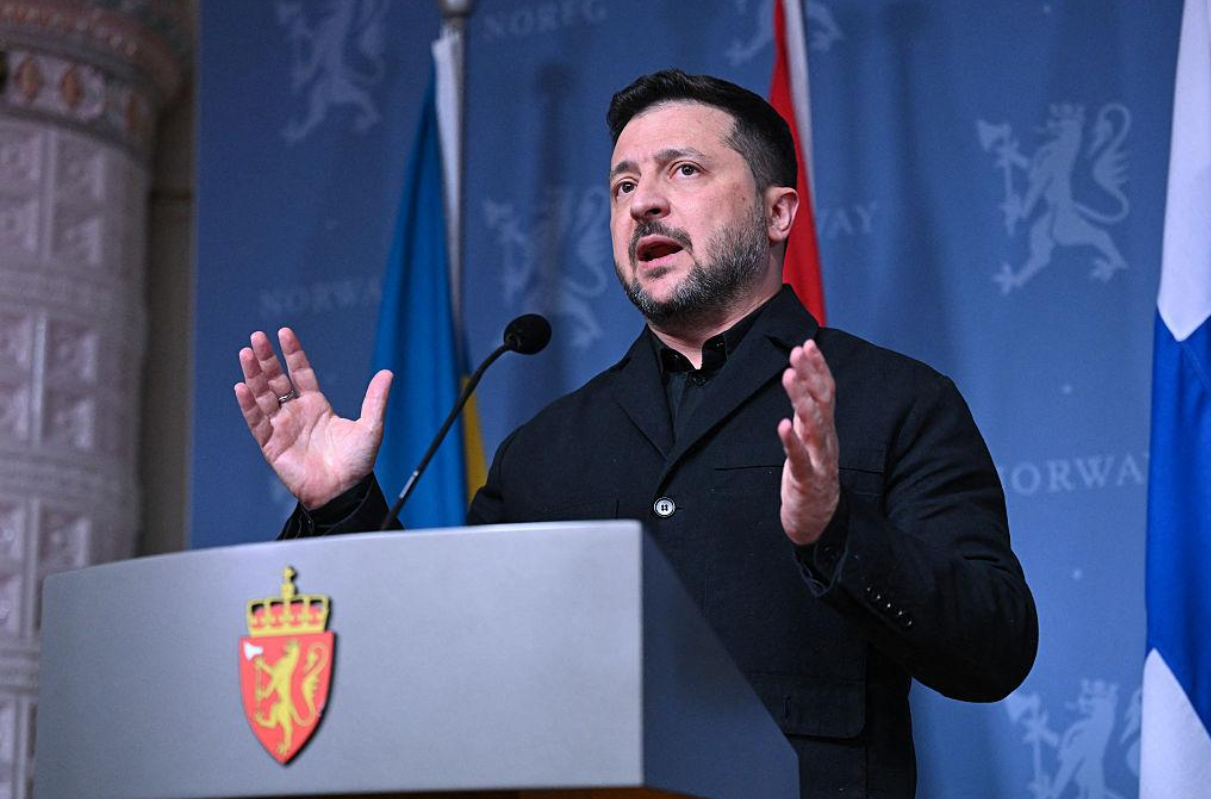
The global reaction to Ukrainian President Volodymyr Zelensky’s announcement of a potential frontline freeze has been swift, sparking intense debate over the future of the conflict and the feasibility of peace. On 21 October 2026, Zelensky declared Ukraine’s readiness to halt fighting along current military positions, paving the way for discussions on security guarantees with Washington and European capitals. Yet, in a follow-up interview with CNN the next day, he firmly ruled out territorial concessions, making it clear that any truce would not equate to recognising Russian control over occupied…

Read More

Mali’s military in crisis: public backlash and the road ahead after arms trafficking and desertions

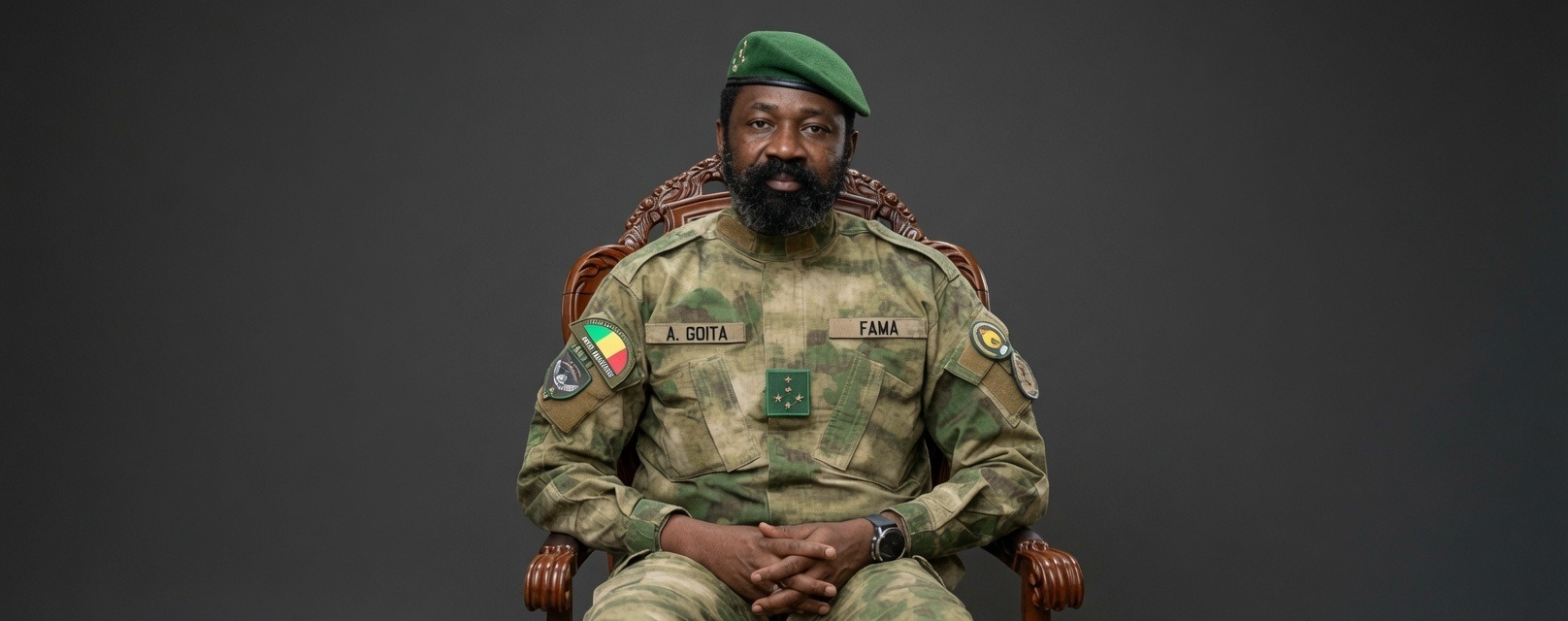
The official narrative from Mali’s transitional authorities paints a picture of growing strength within the Malian Armed Forces (FAMa) and unwavering control over national territory. Yet, the October 19, 2026, opening of the Military Tribunal of Mopti in Sévaré has exposed deep cracks in that story. With 72 defendants—69 of them military personnel—facing 43 cases ranging from arms trafficking to desertion and violent crimes, the courtroom has become a stage revealing an institution plagued by systemic failures from within. State weapons fueling the enemy: a damaging revelation Among the most…

Read More

Gabon’s decentralisation: uncovering the hidden barriers to local empowerment

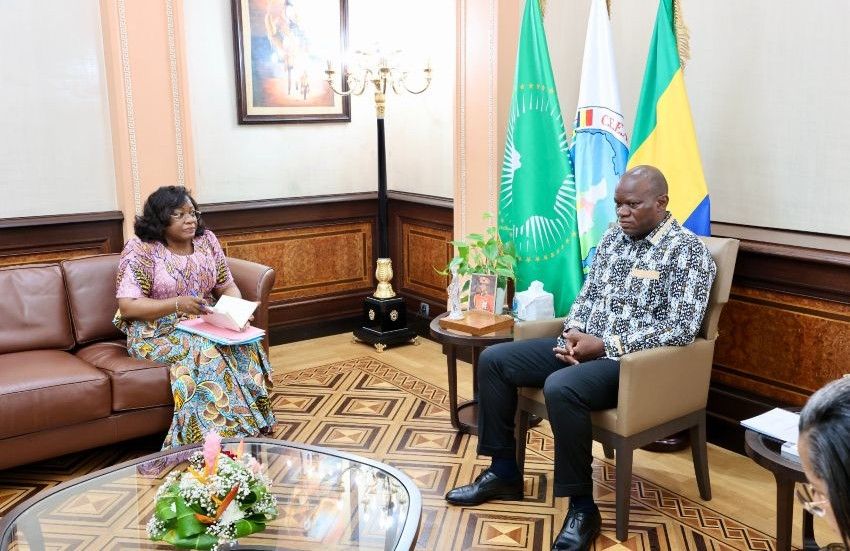
Libreville — President Brice Clotaire Oligui Nguema’s recent meeting with Senate President Huguette Nyana Ekoume Awori Onanga signals a renewed push for decentralisation in Gabon. Yet beneath the political will lies a critical question: how can territories gain real decision-making power without the financial and administrative means to exercise it? Decentralisation stands as one of Gabon’s most pivotal reforms, designed to bring governance closer to citizens. By empowering local authorities, the initiative aims to tailor public policies to provincial realities, address territorial inequalities, and respond more directly to community needs.…

Read More

Togo’s 2027 budget: public reaction and the road ahead after controversial cuts

The reaction to Togo’s 2027 budget has been swift and sharply divided. At 2,684.1 billion FCFA, the proposed fiscal plan lays bare the government’s priorities—security, economic transformation, and social cohesion—but also exposes deep uncertainties. Citizens, analysts, and lawmakers are now debating: which sectors will truly benefit from these allocations? How will the funding gaps be closed? And, most critically, what safeguards exist to ensure these budgets translate into tangible improvements for ordinary Togolese? The draft finance bill, approved by the Council of Ministers on 22 October 2026, aligns with the…

Read More

Bénin’s Démocrates party: fallout grows as appeal verdict looms and Atchadé tightens grip

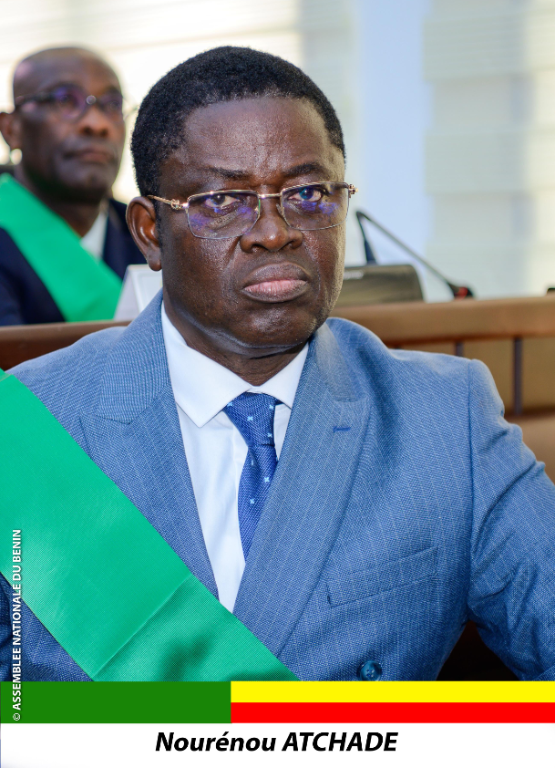
The protracted leadership battle within Bénin’s main opposition party, Les Démocrates, has entered a new phase of uncertainty. With the appeal trial in the Houndété-Atchadé dispute now postponed to 14 January 2027, the political fallout intensifies. Amid ongoing legal wrangling, Nourénou Atchadé’s faction solidified its position by securing his presidency during an extraordinary party congress on 11 October 2026, raising fresh questions about legitimacy, unity, and the party’s future direction. Public reactions and the deepening divide The postponement of the appeal hearing has done little to ease tensions. Instead, it…

Read More

Niger’s diplomatic shift: public debate and future outlook after eu tensions

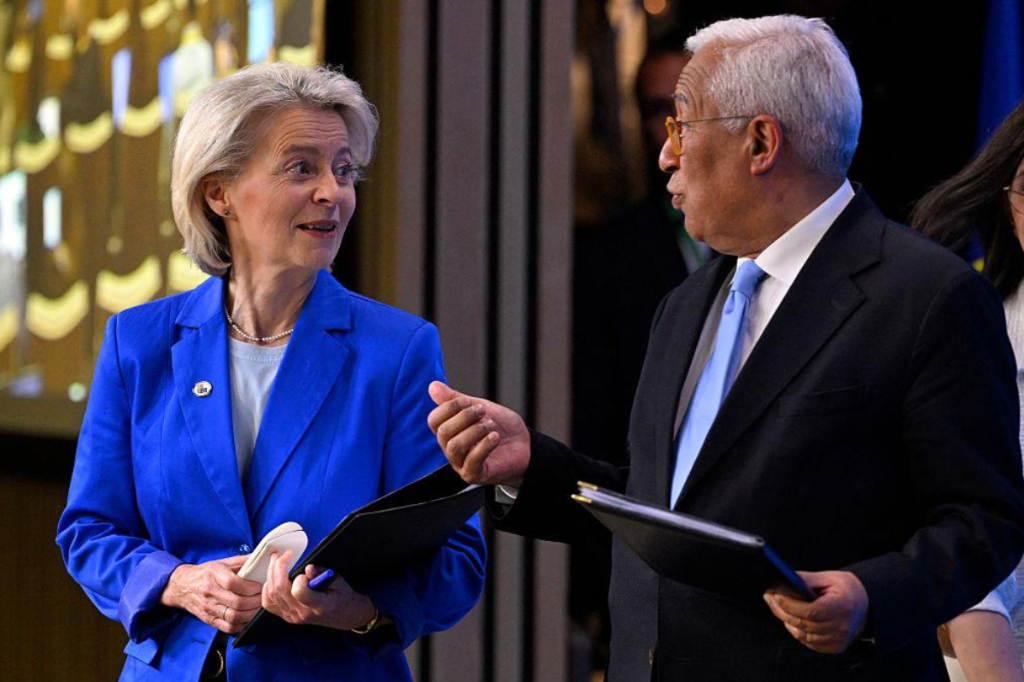
The recent accreditation of Nigerien diplomat Adamou Moumouni to the European Union has sparked intense debate: is this a genuine shift in Niamey’s approach toward Brussels, or merely a strategic move to sustain dialogue amid lingering tensions? On 22 October, Moumouni formally presented his credentials to António Costa, president of the European Council, and Ursula von der Leyen, president of the European Commission—a gesture that arrives against a backdrop of political discord, humanitarian aid disputes, and unresolved disagreements over the detention of former president Mohamed Bazoum. Public reaction: a test…

Read More

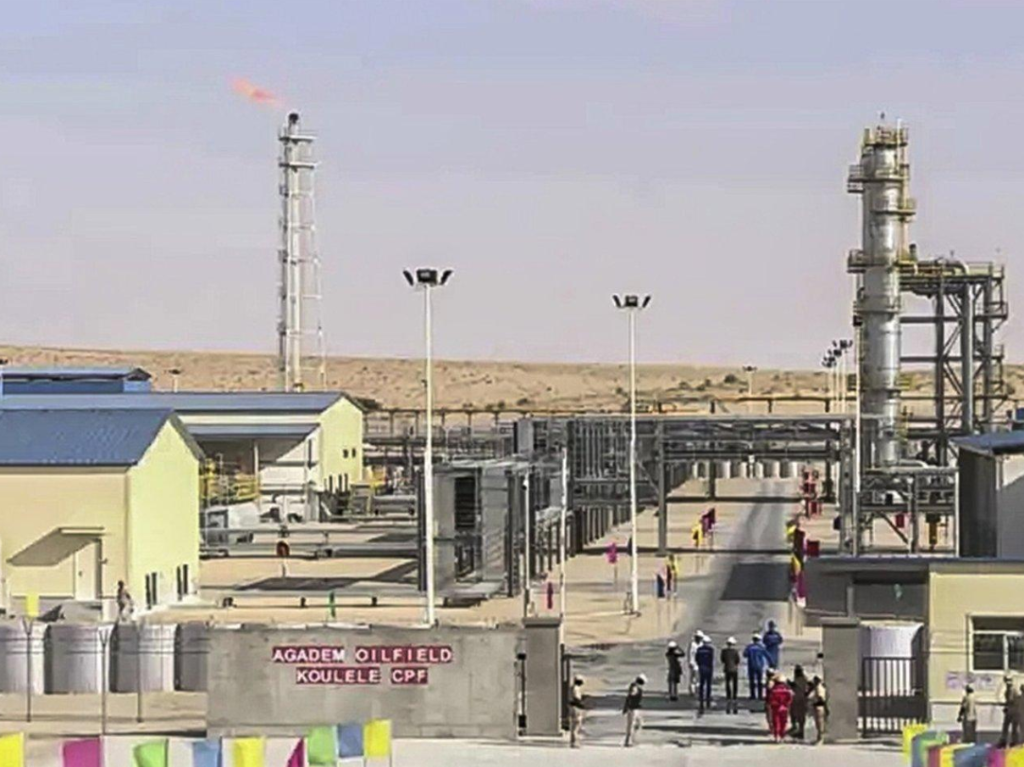
Niger’s oil spill fallout: public debate and the road ahead after goumeri w8

The eruption at Goumeri W8 has sparked more than just an environmental crisis in Niger. It has exposed deep fissures in a strategic oil partnership, as Niamey pushes to reclaim control over its natural resources amid mounting public scrutiny and diplomatic strain. The incident, which began on september 25, has escalated beyond a mere industrial accident. At the heart of Agadem’s oil basin—operated by CNPC Niger Petroleum—the spill has set off a chain reaction, entwining industrial urgency, financial stakes, and international relations. Industrial emergency raises unanswered questions A violent surge…

Read More

DR Congo’s constitution at 20: the untold story behind its struggles

Two decades after its adoption, the Democratic Republic of Congo’s constitution remains a subject of intense debate. Guy Loando Mboyo, minister of state for parliamentary relations, highlights the gaps and unaddressed issues that have shaped the nation’s legal and political landscape over the past 20 years. The roots of constitutional shortcomings According to Mboyo, the challenges stem from deep-seated structural and implementation flaws. The constitution, while ambitious in its design, has struggled to adapt to the evolving needs of DR Congo’s complex societal fabric. Political instability, institutional weaknesses, and shifting…

Read More

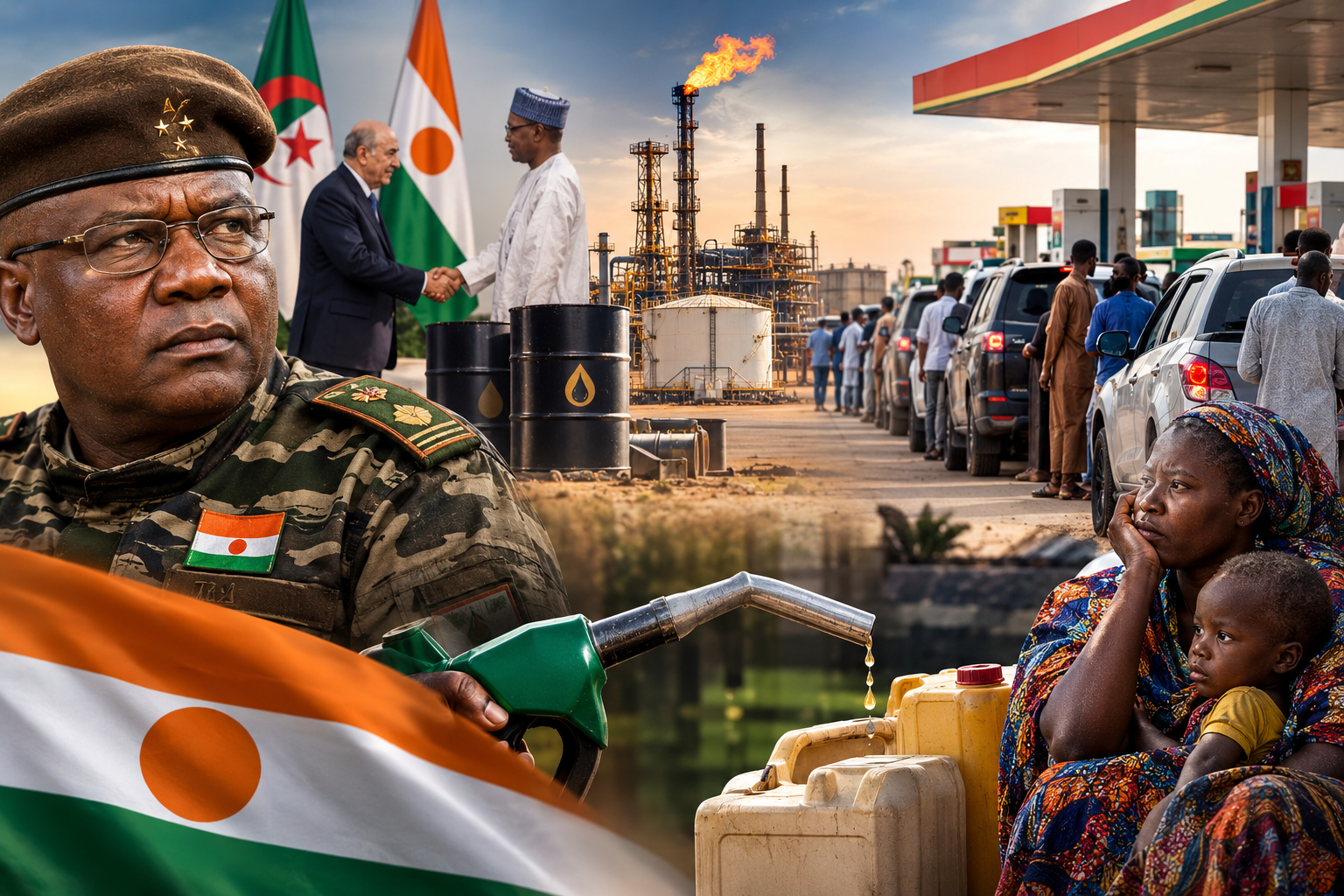
Citizens question Niger’s oil sovereignty as fuel shortages spark debate over Algeria pact

The recent security agreement between Niamey and Algiers has triggered intense public scrutiny rather than widespread celebration, as citizens grapple with severe domestic fuel shortages. Across the country, a fierce debate has erupted regarding the true meaning of national sovereignty when an oil-producing state cannot keep its own gas stations supplied, raising critical questions about what comes next for the nation’s energy strategy and social contract. Daily fallout and the reality on the ground The paradox of a nation extracting crude oil while enduring crippling domestic deficits is no longer…

Read More