The endorsement of the freshly revised UEMOA convergence pact by Alassane Ouattara, announced on October 23, 2026, marks a pivotal moment for West Africa’s economic bloc. Unlike symbolic gestures of the past, this act introduces a rigorous fiscal framework designed to address the lingering debt imbalances that have plagued the region for years. For Ivory Coast—home to nearly 40% of the UEMOA’s collective GDP—the commitment is anything but ceremonial. It represents a critical step in managing the nation’s debt trajectory and, by extension, safeguarding the stability of the franc CFA…
Read MoreMonth: October 2026
Uncovering the hidden forces shaping the Congo river’s sovereignty debate at Luanda’s biennale
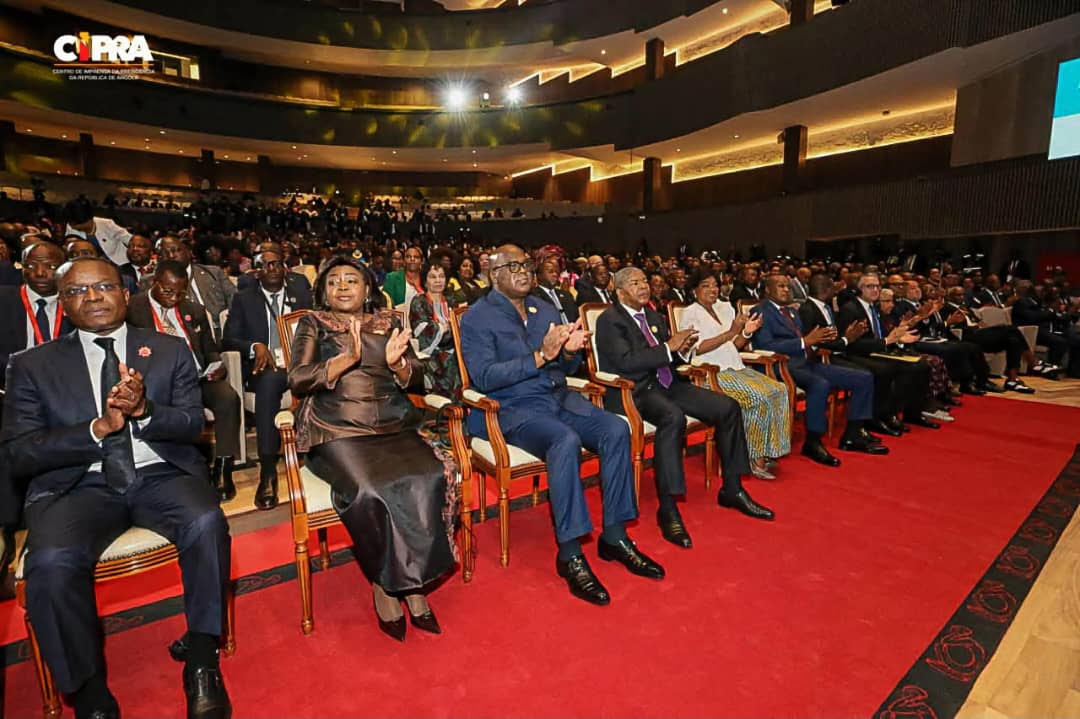
The Unseen Tides Behind the Congo River’s Sovereignty Struggle The fourth edition of the Luanda Biennale in October 2026 gathered African leaders under the theme of water governance as a tool for conflict prevention and resolution. Among the delegates, Félix-Antoine Tshisekedi Tshilombo, President of the Democratic Republic of Congo (DRC), delivered a keynote address that peeled back the layers of water diplomacy in Africa, exposing the tensions between national authority, regional collaboration, and ecological survival. His remarks at the UNESCO and African Union-backed summit were not merely diplomatic formalities—they laid…
Read MoreBehind the curtain: how Diomaye Faye and Sonko’s shifting stances are reshaping Senegal’s political landscape
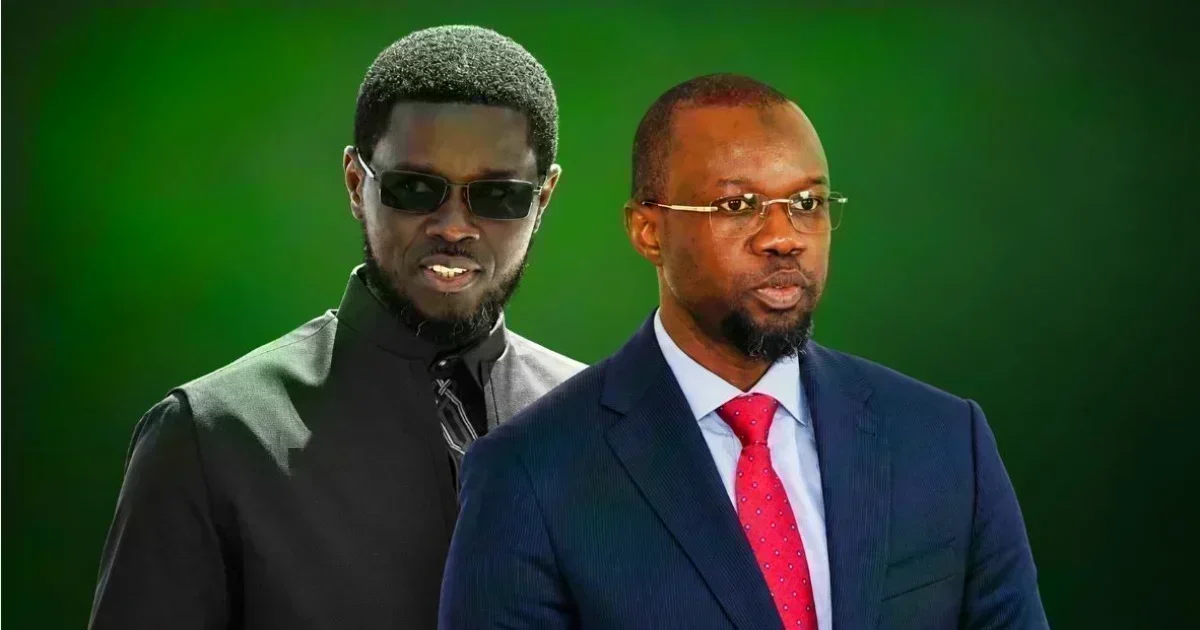
A deep dive into the behind-the-scenes shifts reveals why the once-united front between Bassirou Diomaye Faye and Ousmane Sonko is now fraying at the edges. Electoral analyst Ndiaga Sylla highlights the widening gap between rhetoric and reality, questioning whether the two leaders are prioritizing the urgent needs of Senegalese citizens. In an analysis titled “Between Republican ideals and power’s contradictions”, Ndiaga Sylla dissects the evolving positions of President Bassirou Diomaye Faye and Ousmane Sonko. His conclusion is stark: what Sonko once rejected as Prime Minister, Faye now embraces, and vice…
Read MoreNiger’s Diffa schools reopen to all communities amid heated debate on fundamental rights
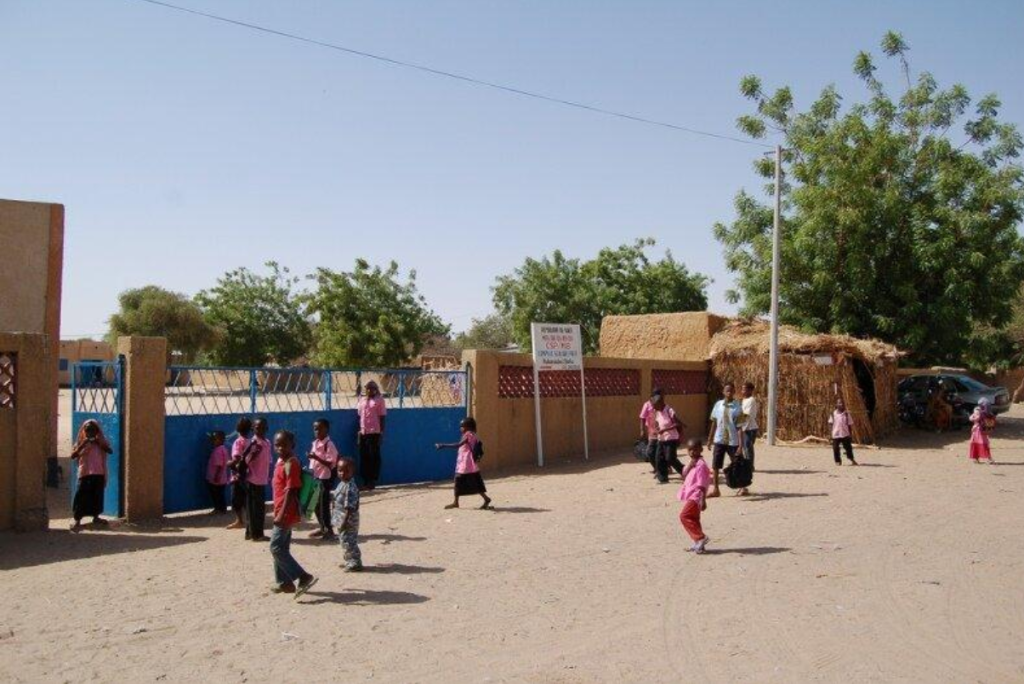
In a move that has sparked intense public debate, authorities in Diffa, Niger, have reversed controversial restrictions that previously limited school access for certain communities. The decision to reopen all educational institutions to every national community marks a pivotal moment in the ongoing struggle to uphold fundamental rights while addressing pressing security concerns. From exclusion to inclusion: The turning point in Diffa’s education landscape The recent blanket reopening of schools in Diffa to all communities represents a significant shift in policy, following months of heated discussions about civil rights and…
Read MoreIvory Coast’s rising social media tensions: the legal battle behind Maa Bio’s controversy
The escalating dispute involving popular Ivorian influencer Maa Bio has shifted from social media exchanges to legal corridors. This judicial confrontation follows accusations from evangelical leaders regarding her controversial online remarks about religious figures, including Pastor Wilfried Zahui. Legal Threats Emerge from Religious Leaders In a recent announcement, the Association of Evangelical Pastors of Ivory Coast revealed plans to file charges against Maa Bio for allegedly defamatory and disrespectful comments made about religious leaders on various social media platforms. The organization argues that such public humiliation of spiritual authority figures…
Read MoreBurkina Faso’s stalled public investments: where do the billions disappear?
Public outrage is growing across Burkina Faso as a new report reveals a staggering gap between promises and projects. Despite record budgets allocated to infrastructure and public services, only a fraction of these investments ever materialize, sparking fierce debates about accountability and the country’s economic future. Why 63% of public projects in Burkina Faso fail before completion Every year, the government allocates billions of francs to schools, roads, and water systems, yet development remains out of reach for millions. Official figures show that merely 37% of planned investments are ever…
Read MoreRussia’s naval expansion in southern Africa raises eyebrows amid global tensions
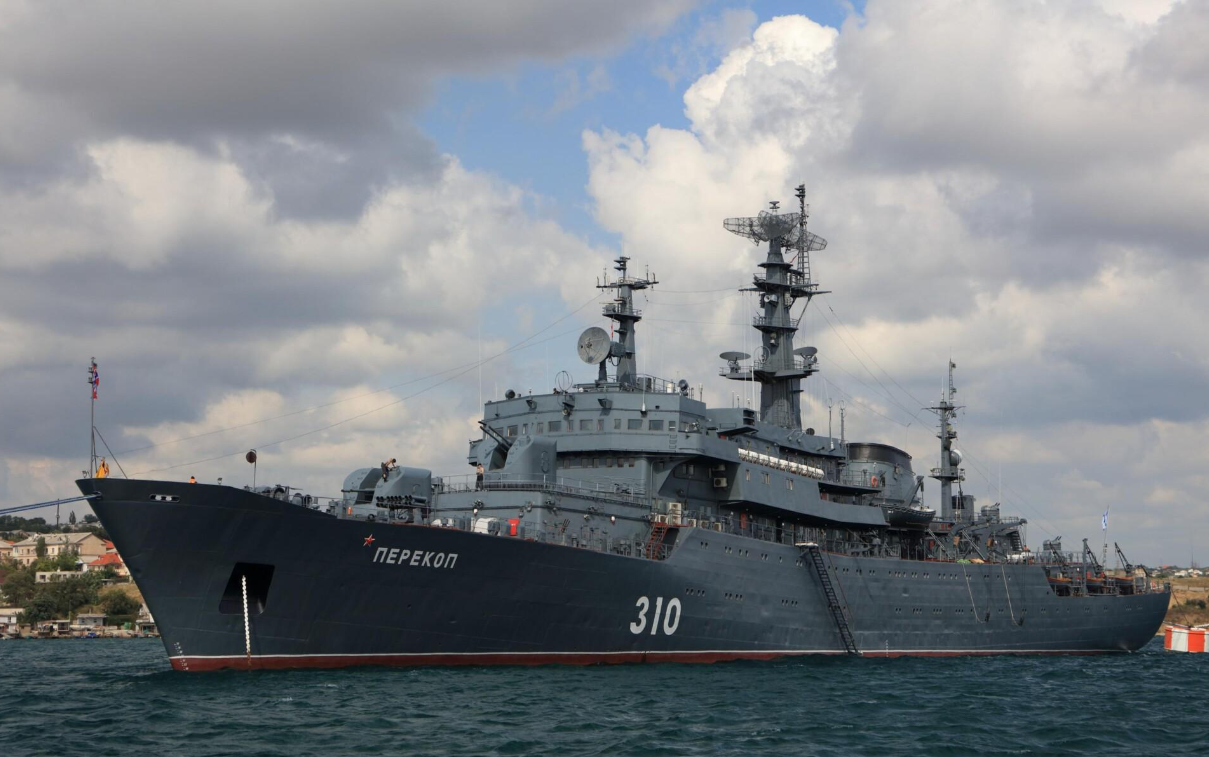
The arrival of the Russian navy vessel Perekop in Walvis Bay, Namibia, on October 20, 2026, was framed as a routine maritime training mission. Yet beneath the official narrative lies a broader geopolitical chess game, sparking intense debates about Moscow’s long-term ambitions in Africa. Anchoring Influence: What the Perekop’s Stop Really Signals The Perekop, a Baltic Fleet training ship, docked in Namibia’s key Atlantic port after a seven-day voyage covering over 1,800 nautical miles. Russian officials insist the mission is purely educational—training future naval officers in navigation, route planning, and…
Read MoreLibyan mediation ends 18-month ordeal for European hostages in Niger
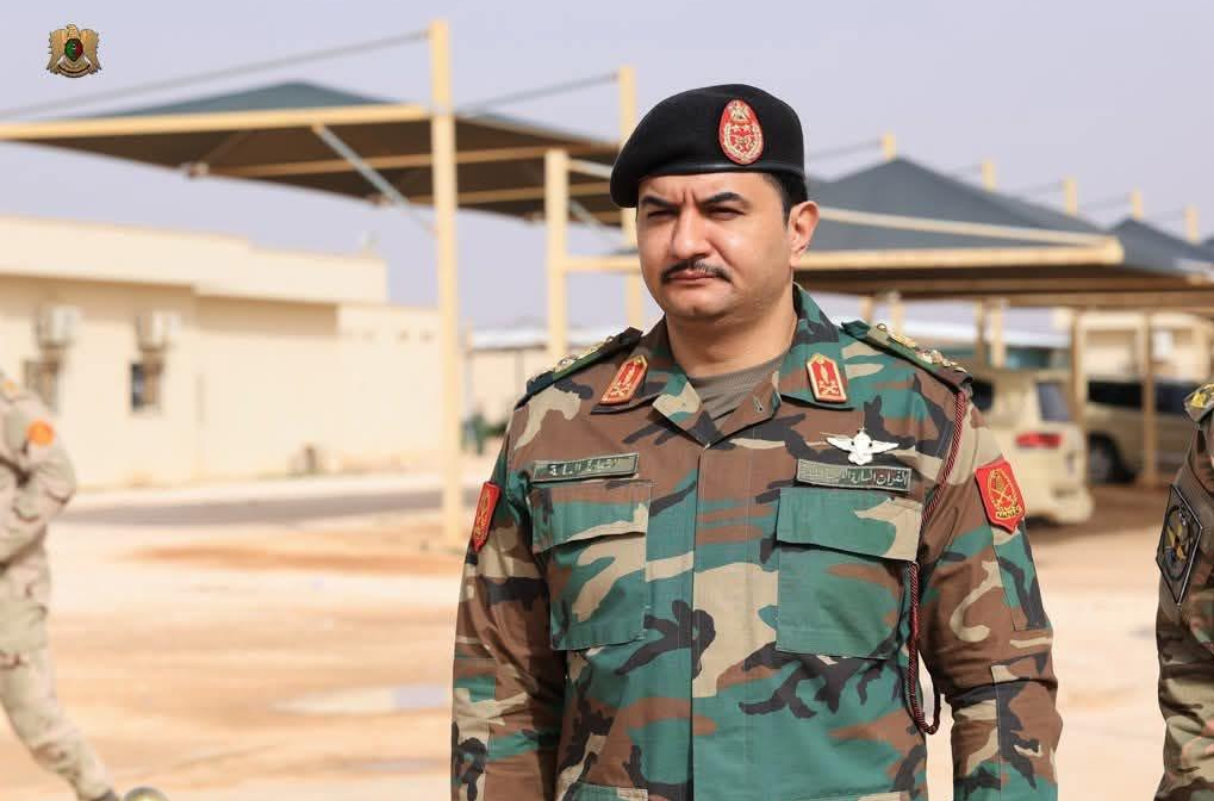
The long road to freedom: two Europeans finally released after 18 months in Niger After a grueling 18 months in captivity, Austrian national Eva Gretzmacher and Swiss citizen Claudia Abbt have been freed following separate kidnappings in northern Niger. Their arrival in Benghazi, Libya, marks a rare moment of relief in a region plagued by persistent kidnapping threats and shifting geopolitical alliances. Yet the circumstances surrounding their release have ignited a fierce debate over the role of Libyan actors in Sahelian hostage negotiations—and what this means for the future of…
Read MoreTogo’s airport crisis sparks debate over private sector takeover after sanitation scandal
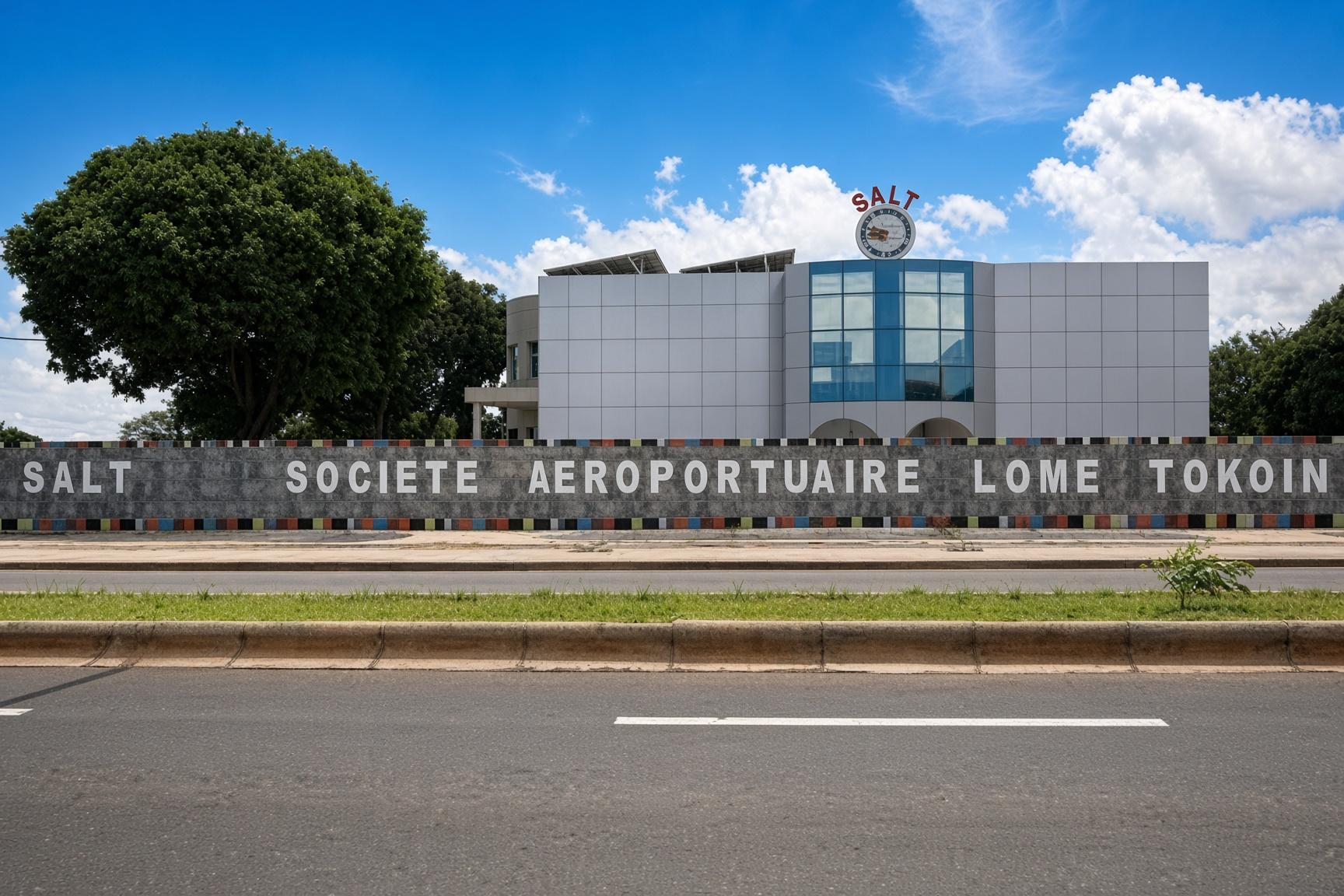
The aftermath of Lomé’s airport sanitation scandal: why the state turned to a French giant The scandal involving the overflowing sewage systems at Lomé’s Gnassingbé Eyadéma International Airport (AIGE) has left no room for ambiguity. What began as an isolated maintenance failure has escalated into a full-blown governance crisis, forcing the Togolese government to confront a harsh reality: its own structures are incapable of managing a flagship infrastructure without external intervention. The incident, which left travelers wading through a literal fecal storm in the departure hall, became a viral symbol…
Read MoreCritical PHP vulnerabilities spark global security debate and urgent action
Global fallout emerges as PHP security flaws ignite urgent debate Two newly disclosed PHP vulnerabilities have triggered an international security crisis, with far-reaching implications for digital infrastructure and sparking heated public debate about the future of web security. While patches have been released, the rapidity of deployment will determine whether organizations can avert data breaches, service disruptions, or worse. The fallout from these revelations highlights not just technical risks but fundamental questions about how society protects its digital backbone. These two PHP vulnerabilities could disrupt millions of websites The technical…
Read MoreNiger’s scorched earth: how unchecked oil greed fuels a silent climate disaster
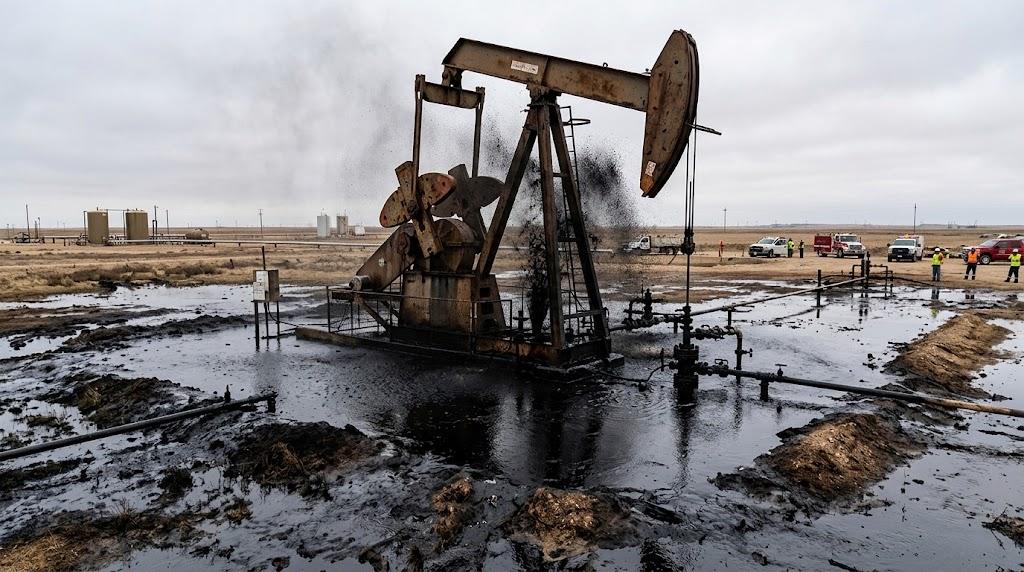
The unfolding environmental scandal in Niger’s Agadem oil field What began as a technical malfunction has spiraled into one of the most catastrophic industrial failures in Africa’s modern energy history. On September 25, 2026, a violent rupture at well Goumeri W8 in Niger’s Agadem oil block sent a toxic cocktail of crude oil and hydrocarbons erupting into the Sahara Desert. With no containment measures in place, the spill spread unchecked, while an invisible but deadly plume of methane began poisoning the atmosphere. Seventeen days passed before the Nigerian government acknowledged…
Read MoreNiger’s energy paradox: fuel shortages spark scrutiny of military governance
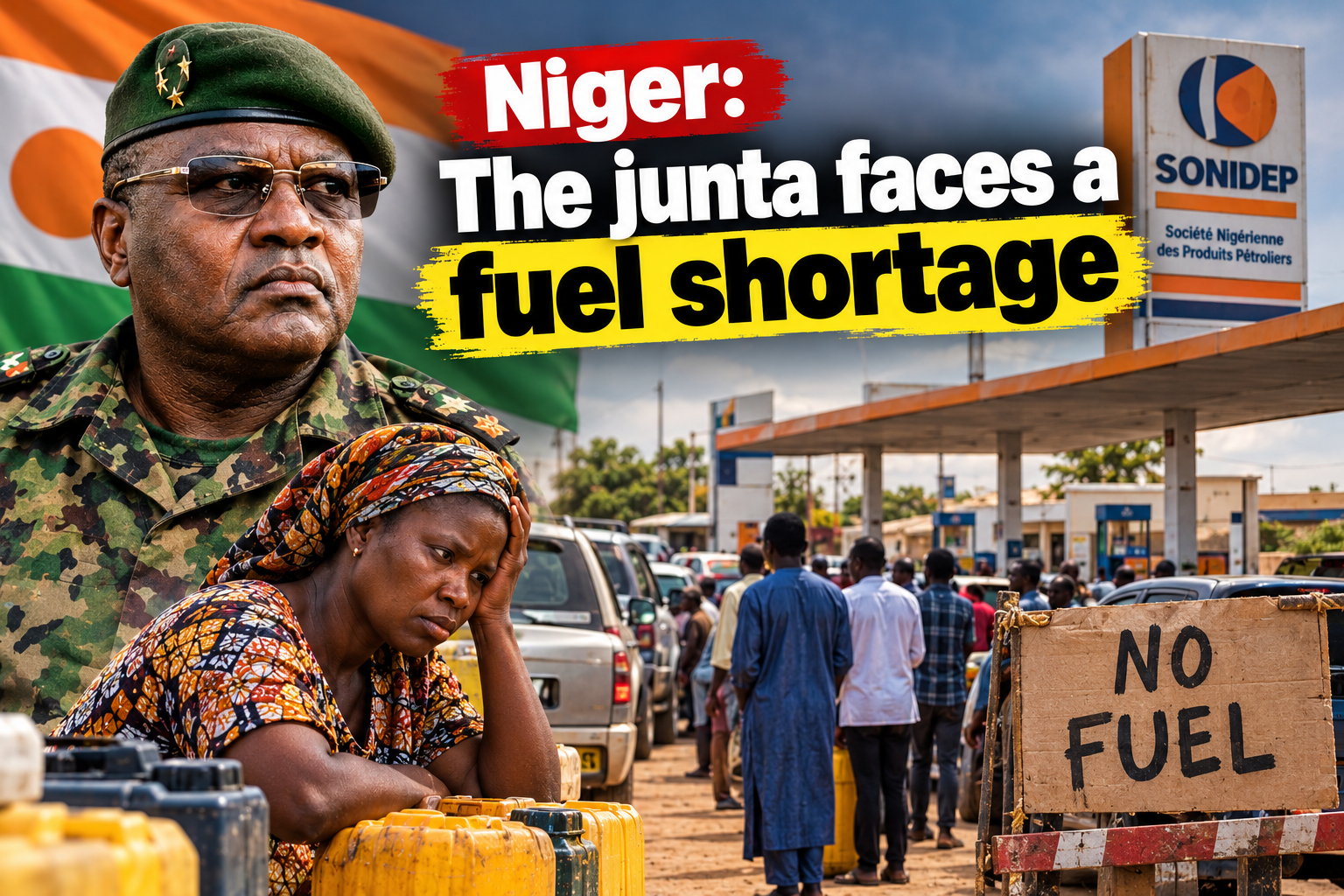
The recent fuel shortages in Niger have not only disrupted daily commutes and commercial activities in Niamey but also ignited a broader debate about the military government’s capacity to manage the country’s energy resources. As citizens grapple with unreliable access to essential fuel, the crisis underscores deeper questions about governance, economic sovereignty, and the tangible benefits of national resources. The ripple effects of fuel scarcity on Niger’s economy What began as sporadic supply disruptions has escalated into a systemic challenge, with fuel shortages now paralyzing transportation networks, stalling small businesses,…
Read More