Anié market fire: Togo’s decisive moment as a nation’s economic heart goes up in flames
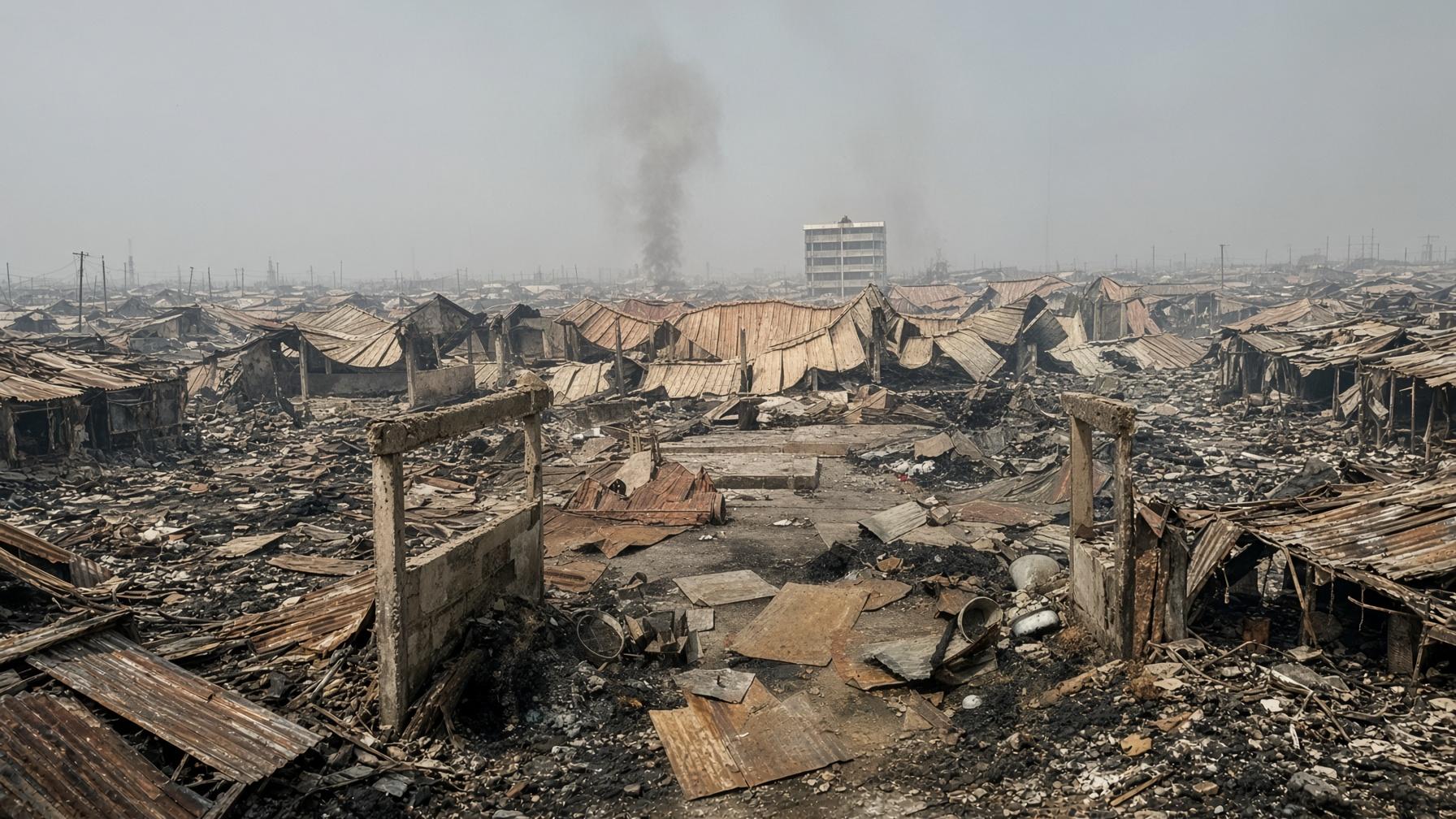
The night the Grand Marché of Anié burned, the Plateau region’s commercial backbone was shattered in a matter of hours. The main building was completely consumed by flames, reduced to ash while traders stood by, powerless to intervene. No lives were lost, but the material toll is catastrophic: hundreds of families have been ruined overnight, their goods, their stock, and their savings wiped out in a single blaze. This is more than a tragedy to mourn. It is a turning point that exposes the chronic lack of state foresight and…

Read More
Uncategorized

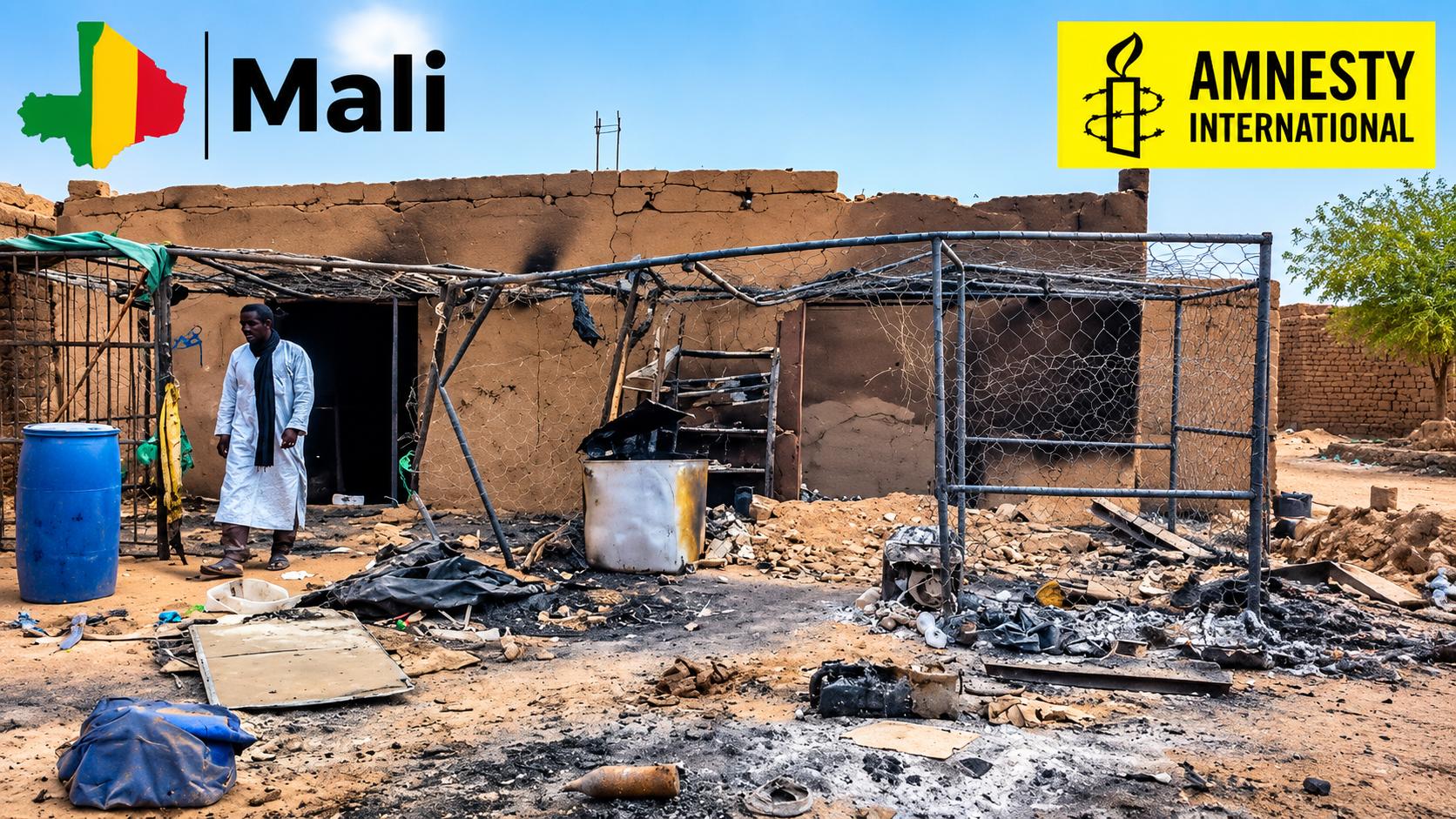
Mali war crimes report: a breakthrough moment as Amnesty International forces accountability onto the agenda

Bamako — A decisive shift is underway in how Mali’s conflict is being scrutinized. Amnesty International’s latest investigation, released on 28 September 2026, marks a turning point by directly accusing members of the Malian Armed Forces (FAMa), operating alongside foreign fighters from the Wagner group, of committing war crimes against civilians between 2023 and 2025. The report’s findings have injected new momentum into a long-stalled debate over impunity. Momentum builds behind a landmark investigation Titled “No one is spared,” the report draws on research conducted in Mauritania among Malian refugees.…

Read More

Niger’s competitive dialogue at a breaking point: the reform that never found its stride

The moment Niger’s procurement reform hit a wall When Decree No. 2022-743/PRN/PM was signed on 29 September 2022, it was presented as a decisive turning point for public procurement in Niger. By introducing the competitive dialogue procedure, the government promised to streamline public spending, strengthen transparency, and give the state access to the technical expertise needed for major development projects. Three years on, that turning point has become a dead end. The reform has delivered no tangible results for Niger’s economy, leaving businesses and taxpayers with little more than a…

Read More

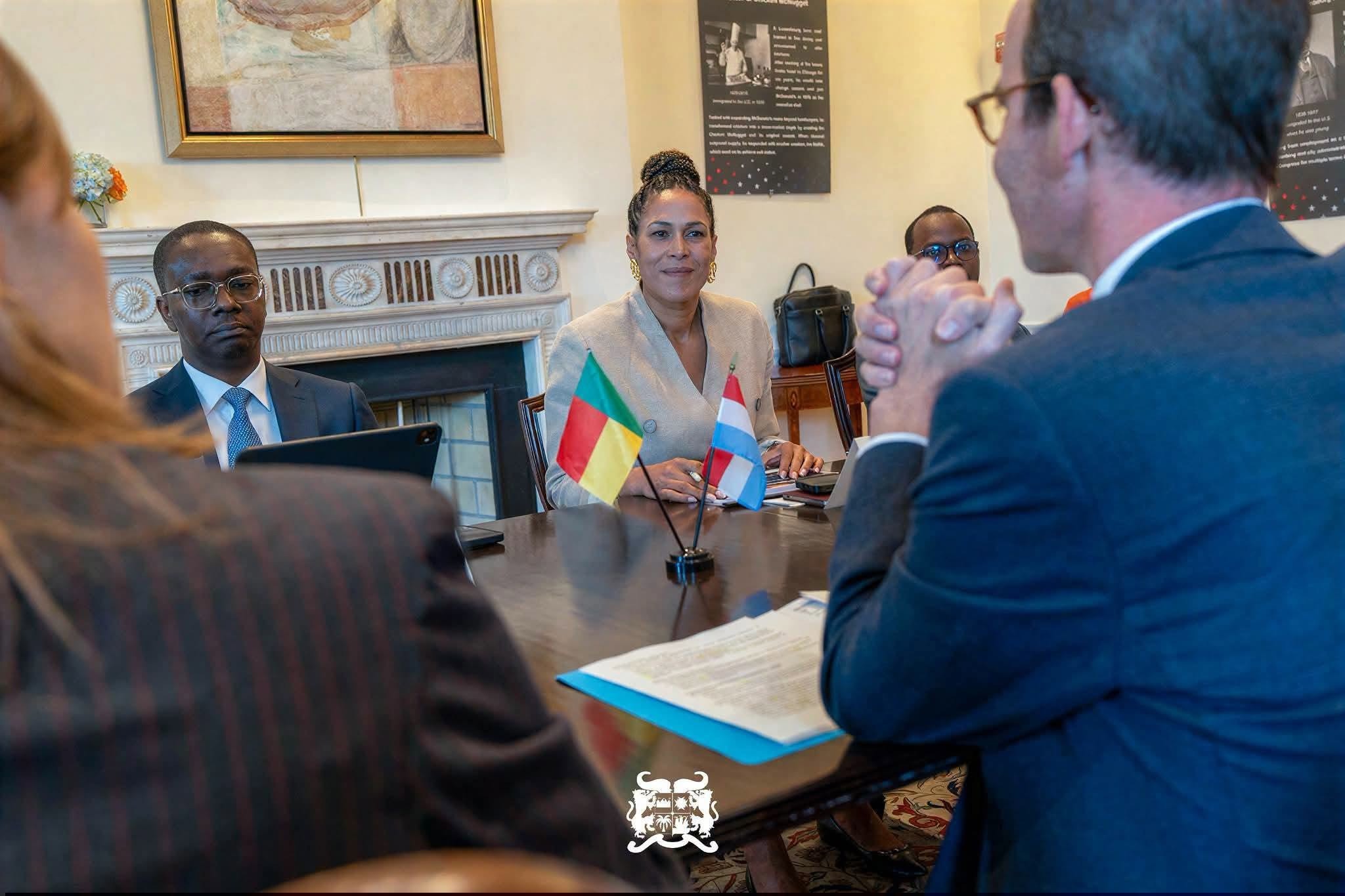
Benin’s UN diplomacy: a decisive push for regional security and multilateral cooperation

The voice of Benin resonated at the United Nations headquarters in New York. Foreign Minister Corinne Amori Brunet delivered the country’s national statement on the final day of the general debate of the 81st session of the UN General Assembly. She spoke alongside the permanent mission led by Ambassador Marc Hermanne Araba, Benin’s permanent representative to the intergovernmental body. This intervention came in a particularly scrutinized order of speakers, with Benin’s top diplomat taking the podium right after the delegations of Mali, Burkina Faso and Niger. UN principles translated into…

Read More

Ghana’s decisive break: Accra rejects $109 million US health pact in a sovereignty turning point

Accra has drawn a line in the sand, turning down a sweeping health agreement with Washington over medical data access, pathogen information, and alleged constraints on drug oversight. The move signals a decisive shift in Africa’s health sovereignty debate. ACCRA — Ghana has just posed a question that reaches far beyond the walls of its health ministry: what is a nation’s sovereignty worth when foreign financial aid comes with sensitive strings attached? Accra’s answer is now clear: not $109 million. The Ghanaian government turned down a new health agreement proposed…

Read More

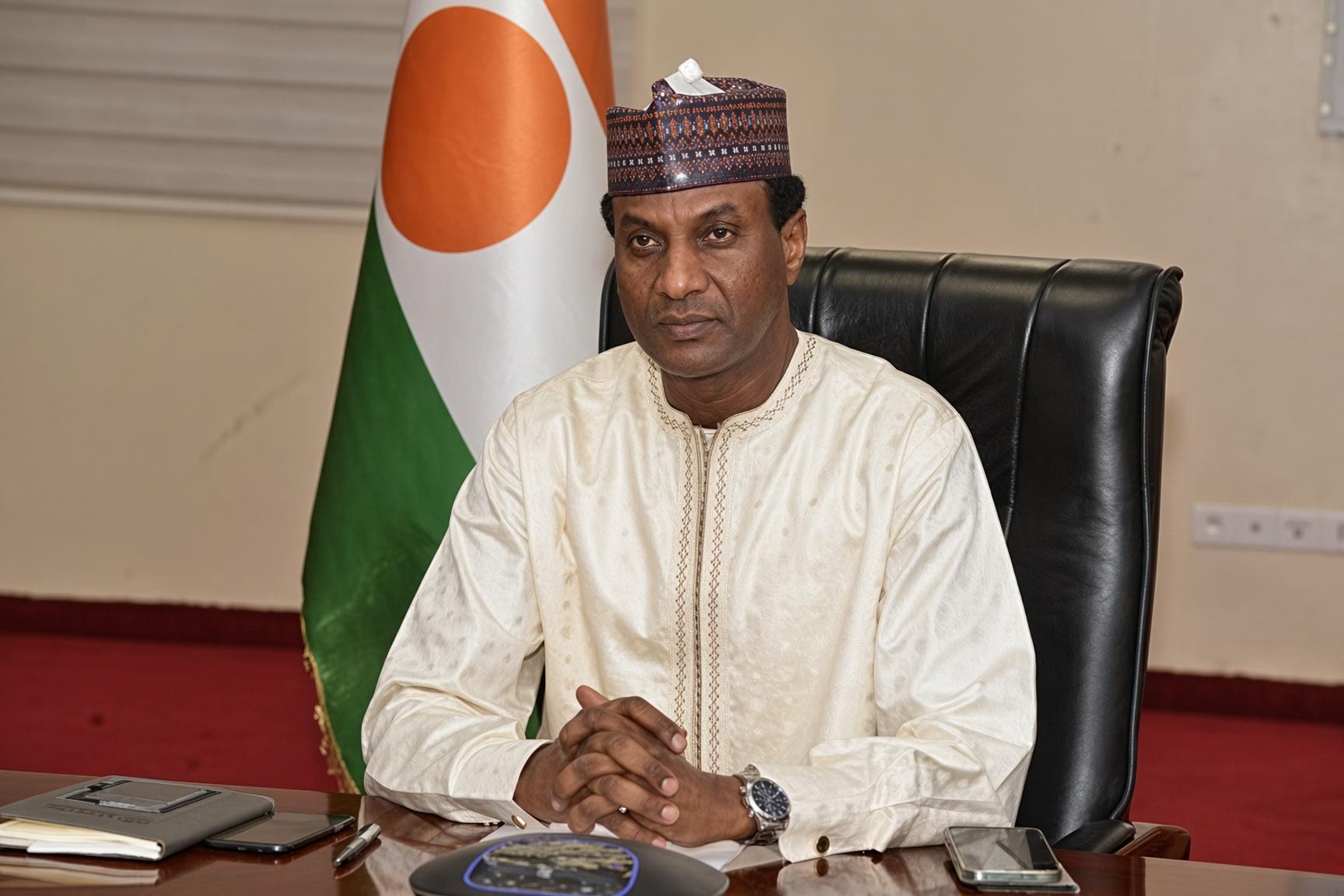
Niger’s breakpoint: when the SOMAÏR and SONIDEP collapse became impossible to ignore

The moment of truth arrived not in a conference room in Niamey, but on the world’s most visible stage. At the 81st United Nations General Assembly, Prime Minister Ali Mahaman Lamine Zeine delivered yet another soaring sovereignty speech, repeating the CNSP’s familiar watchwords: reclaiming national resources, economic independence, breaking with neocolonialism. The applause has faded. The numbers have not. Behind the patriotic curtain, two state-owned giants — the SOMAÏR and the SONIDEP — are sinking under chaotic management, and the financial wreckage is now hitting Nigerien households directly. This is…

Read More

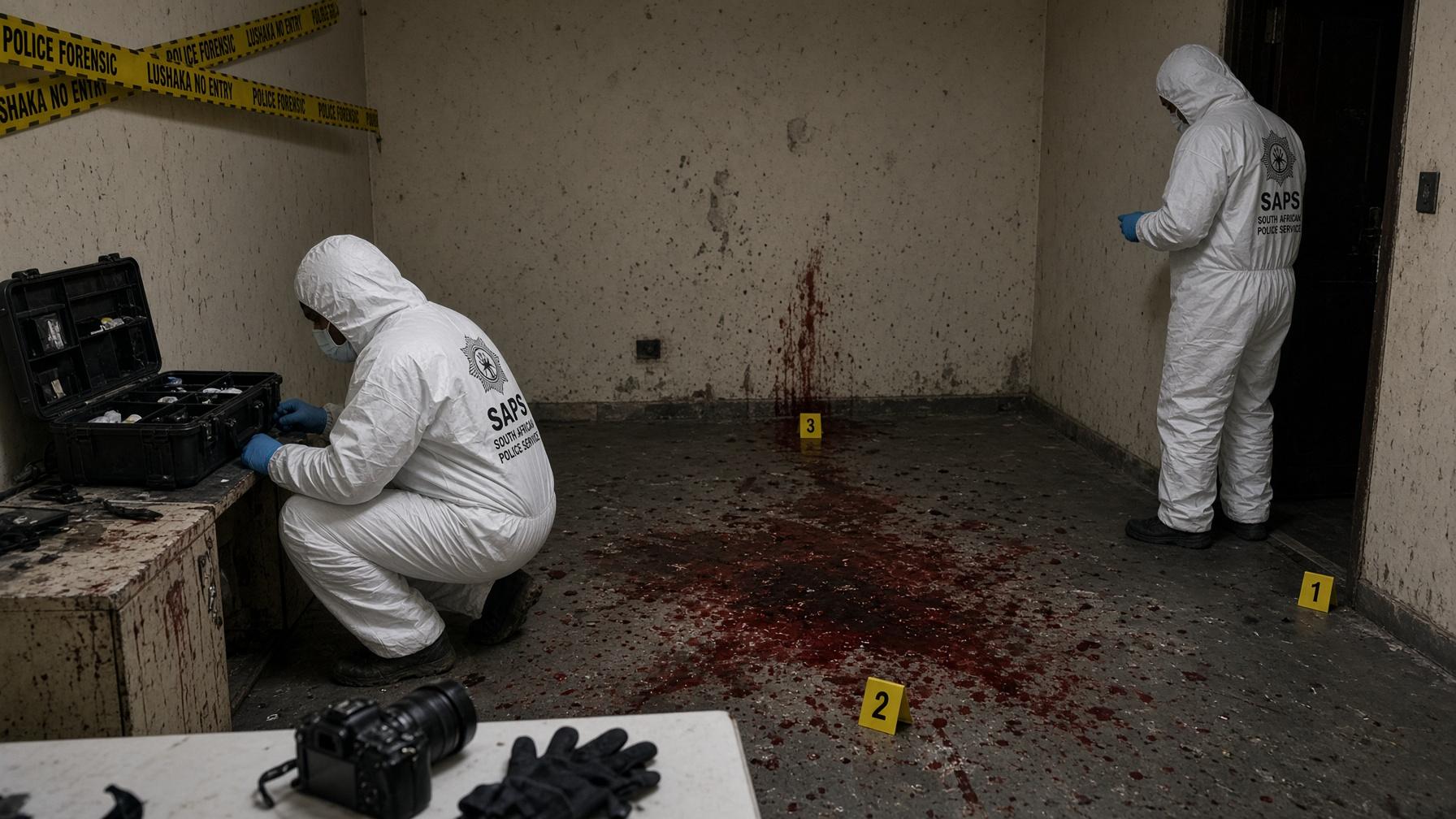
South Africa’s decisive crackdown: 27 killed in Johannesburg and Cape Town shootings spur urgent action

In a dramatic escalation of armed violence, South Africa has been rocked by two separate mass shootings that claimed at least 27 lives in Johannesburg and the Cape Town area. This surge in deadly attacks marks a critical juncture, pushing the nation to confront its deepening security crisis with renewed urgency. Within hours, unidentified gunmen unleashed indiscriminate fire on groups of people in two distinct incidents, leaving at least 27 dead and several others critically wounded. The attacks struck Johannesburg, the economic powerhouse, and Cape Town, the country’s premier tourist…

Read More

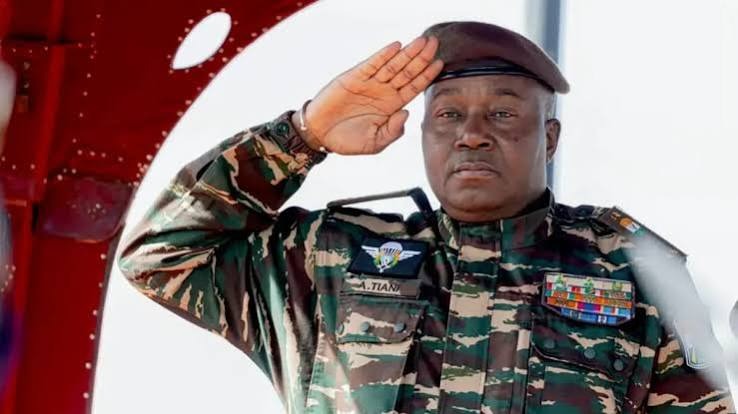
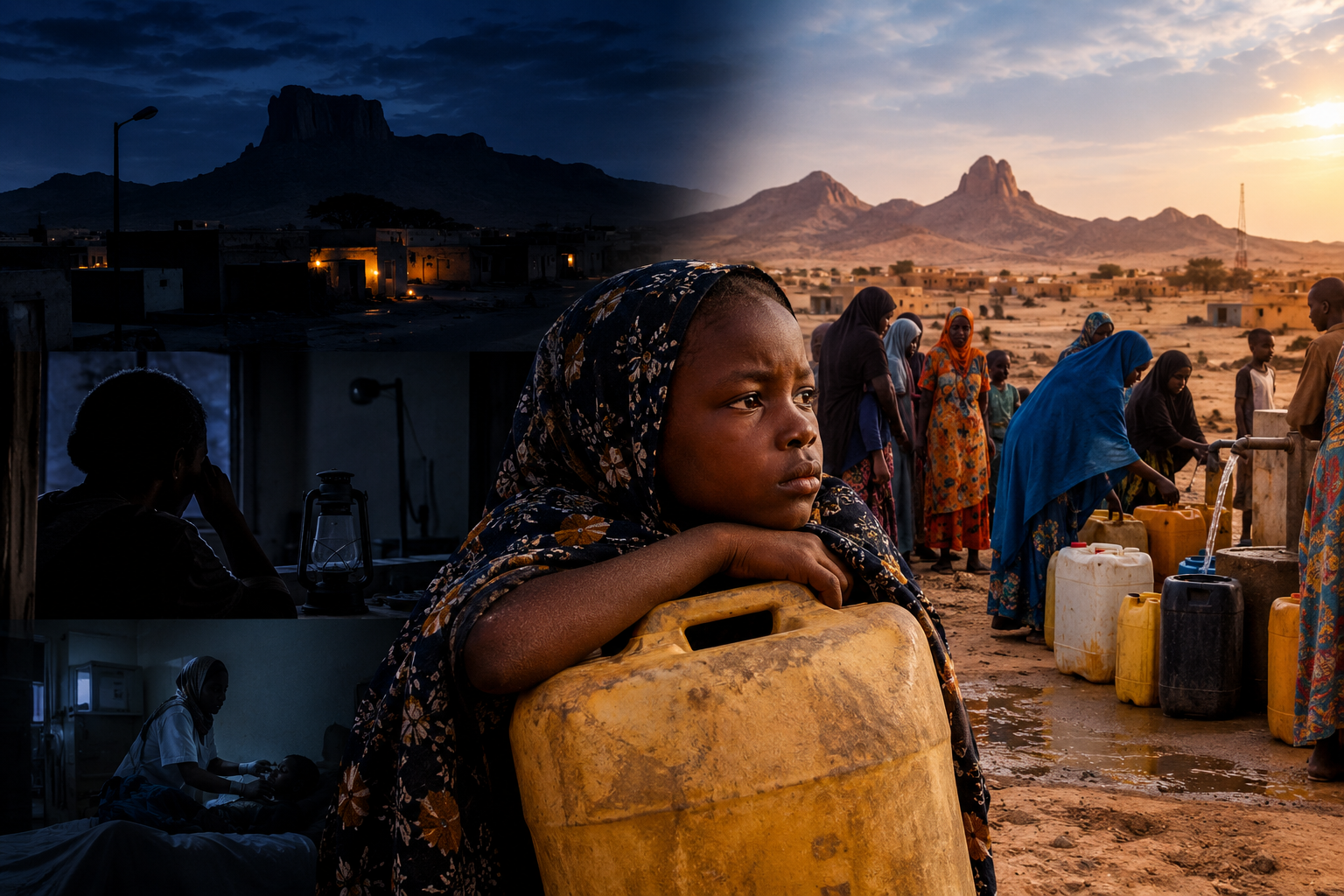
Northern Niger’s turning point: decisive momentum to end the darkness and thirst under Tiani

A decisive shift becomes imperative as Agadez, Arlit and Tchirozérine endure months of darkness and water scarcity The reality across northern Niger cannot be captured by official statements or announcements of new energy capacity. In several localities, residents have been grappling with two elemental necessities water and electricity for the past two months. This is the moment when rhetoric must give way to tangible results, and the urgency of that shift has never been clearer. Entire cities plunged into darkness The situation is no longer a matter of occasional outages.…

Read More

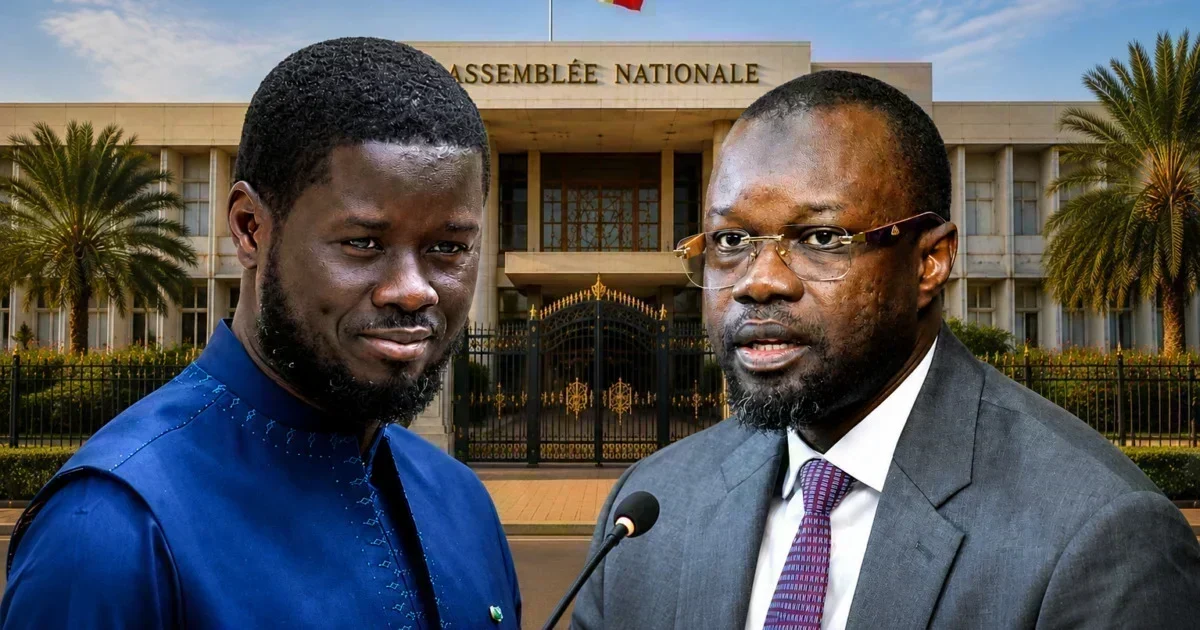
Senegal’s critical juncture: How Ousmane Sonko could reshape the 2026 budget battle

In a dramatic shift of power, Ousmane Sonko now holds the presidency of Senegal’s National Assembly, giving him unprecedented leverage to challenge Bassirou Diomaye Faye’s 2026 budget rectification law—a decision that could redefine the nation’s economic trajectory amid IMF negotiations and public discontent. From Prime Minister to Parliament Speaker: A Power Shift in Dakar The political landscape in Dakar has undergone a seismic transformation. Ousmane Sonko, once the Prime Minister under Bassirou Diomaye Faye, now occupies the speaker’s chair in the National Assembly, a role that comes with constitutional tools…

Read More

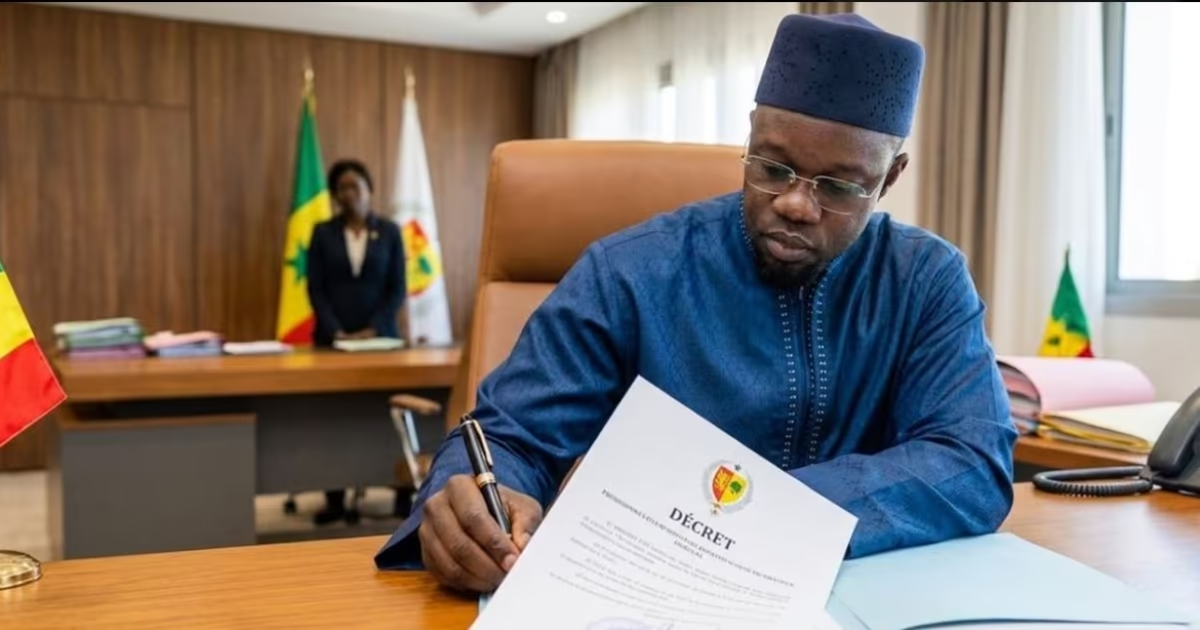
Senegal’s December 2, 2026 turning point: how power dynamics will shift

The countdown begins. On December 2, 2026, Senegal’s political landscape faces a historic inflection point as President Bassirou Diomaye Faye gains the constitutional authority to dissolve the National Assembly—a move that could reshape governance, alliances, and the nation’s trajectory. With the Assembly’s term nearing its two-year mark, the stage is set for a strategic gamble that could either consolidate power or trigger a fresh cycle of electoral uncertainty. The constitutional trigger: why December 2, 2026 matters The date is no coincidence. Article 87 of Senegal’s Constitution empowers the president to…

Read More

Senegal’s 2026 budget revision sparks growth and investment crisis

Dakar’s 2026 revised budget, officially submitted to the National Assembly in September 2026, marks a pivotal shift in Senegal’s economic trajectory. The government has dramatically slashed growth projections from 5% to just 2.7%, exposing a widening chasm between fiscal ambitions and reality. With revenue shortfalls amounting to 451.4 billion FCFA, authorities have resorted to slashing 555 billion FCFA from investment expenditures—a move that prioritizes short-term stability over long-term development. Budget Cuts Reveal Fragile Economic Foundations in Senegal The PLFR 2026 adjustment underscores a harsh economic reality: Senegal cannot sustain wealth…

Read More

Senegal’s 2026 fiscal reckoning: the vote that will break or define the Pastef era

The revised 2026 budget bill has thrust Senegal’s National Assembly into a defining moment. With the deficit now projected at 1.735 trillion FCFA — representing 7.6% of GDP compared to the original 5.4% target — the Pastef majority faces an impossible choice: endorse a FMI-backed austerity plan or risk being branded as political saboteurs blocking essential state functions. Since its presentation on September 18, the revised finance bill has become the most uncomfortable vote of the legislative term. The Pastef coalition must now decide between two unpalatable options: approve a…

Read More