Benin’s €544,042 UNAIDS pledge: a momentum shift in the HIV response
A decisive move on the global health stage New York, September 2026 — As the 81st session of the United Nations General Assembly unfolded across the city, the Government of the Republic of Benin made a move that signals a clear shift in momentum. In a global climate where health and development financing faces mounting pressure, Benin signed a fresh contribution of €544,042 to support UNAIDS operations in the country for 2026-2027. This is not business as usual. Under the leadership of President Romuald Wadagni, Benin is turning commitments into…

Read More

Cameroon opposition on the move: Nourane Foster exits PCRN ahead of 2027 vote

Politics Cameroon’s opposition in flux: Nourane Foster’s decisive split from PCRN A defining moment is reshaping Cameroon’s political landscape as prominent opposition figure Nourane Foster announces her immediate departure from the Cameroonian Party for National Reconciliation (PCRN), citing deep ideological rifts and a loss of confidence in the party’s direction. Advertisement The breakup that signals change In a bold political move that ripples across Cameroon’s opposition bloc, Nourane Foster has formally withdrawn from the PCRN, sending shockwaves through the party hierarchy. The decision was communicated via a resignation letter addressed…

Read More

The real question behind HAKILI Mousso: can Burkina Faso turn a contest into a scientific pipeline?

When a neighbouring state begins to adopt an educational course already tested elsewhere, comparison becomes difficult to avoid. The more pertinent question, however, is not whether Burkina Faso is imitating Benin, but whether a single national competition can genuinely transform the way a country nurtures its female scientific talent. That is the dilemma now embodied by HAKILI Mousso, and the stakes reach well beyond a prize-giving ceremony in Ouagadougou. A strategic question the region can no longer defer For several years, Benin has placed academic and scientific excellence at the…

Read More
Uncategorized

Libya’s direct flight offer to Cameroon: a strategic opening or a premature gamble?

Yaoundé has already set up working groups to scrutinise Tripoli’s proposal in depth — but can a direct Libya-Cameroon air link realistically take off amid lingering security concerns? On 23 September 2026, Cameroon’s Minister of Transport, Jean Ernest Masséna Ngallè Bibehè, held a meeting with a Libyan delegation led by Adel Shawi, Chargé d’affaires at the Libyan embassy in Cameroon. The two sides discussed the possibility of opening a direct air route between their countries. Cameroon welcomed the initiative and proposed establishing technical working groups that would bring together the…

Read More

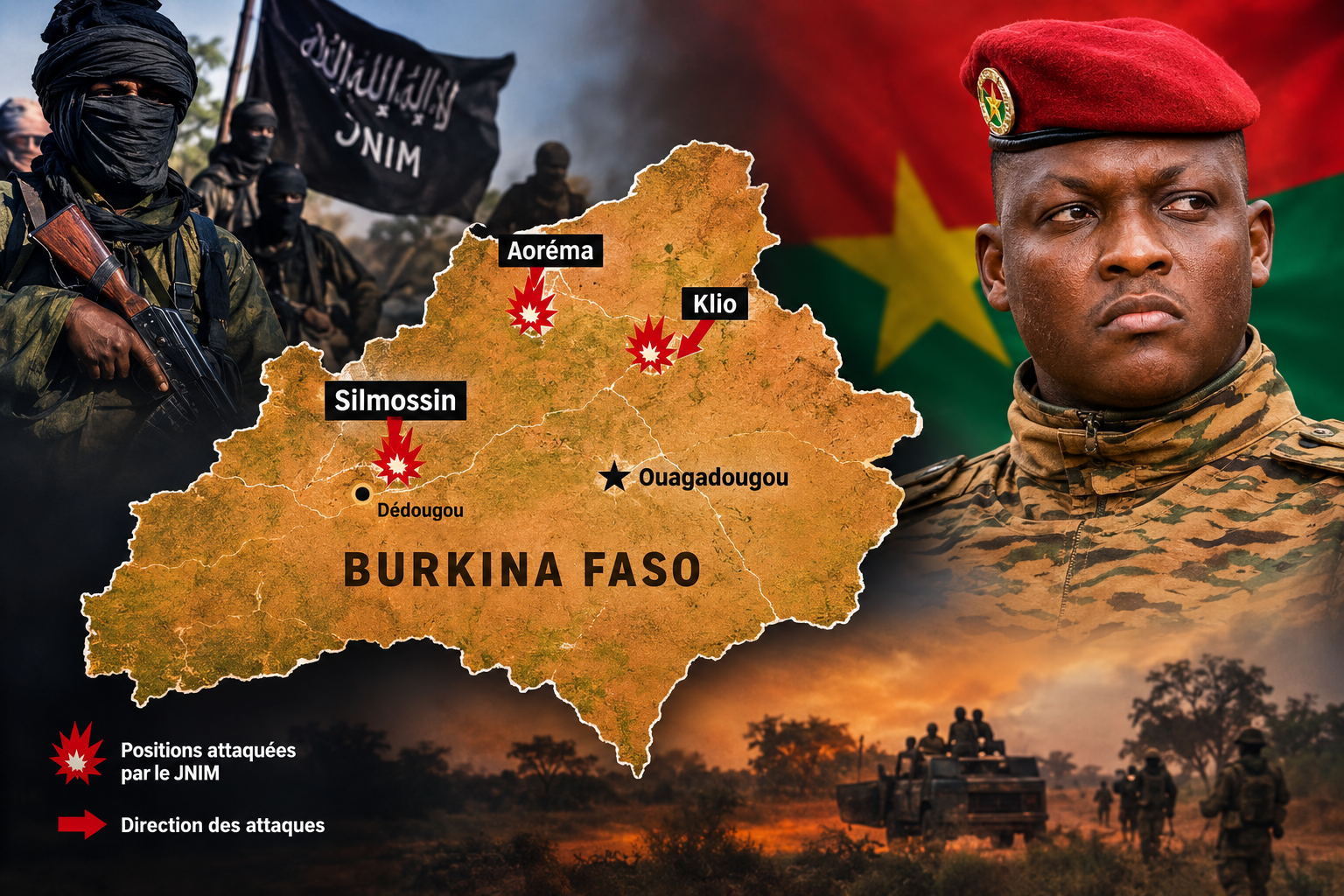
Why does Silmossin keep changing hands? The question Burkina Faso’s security strategy cannot dodge

On the evening of Friday, 25 September 2026, the JNIM announced it had seized full control of several militia positions at Silmossin, close to the town of Dédougou. The statement came on the same day the group said it had overrun two positions held by the Burkinabè army and the Volunteers for the Defence of the Homeland (VDP) at Aoréma and Klio, in the north of the country. Beyond the accuracy of any single claim, the sheer repetition poses the question now hanging over Ouagadougou: how much real protection does…

Read More

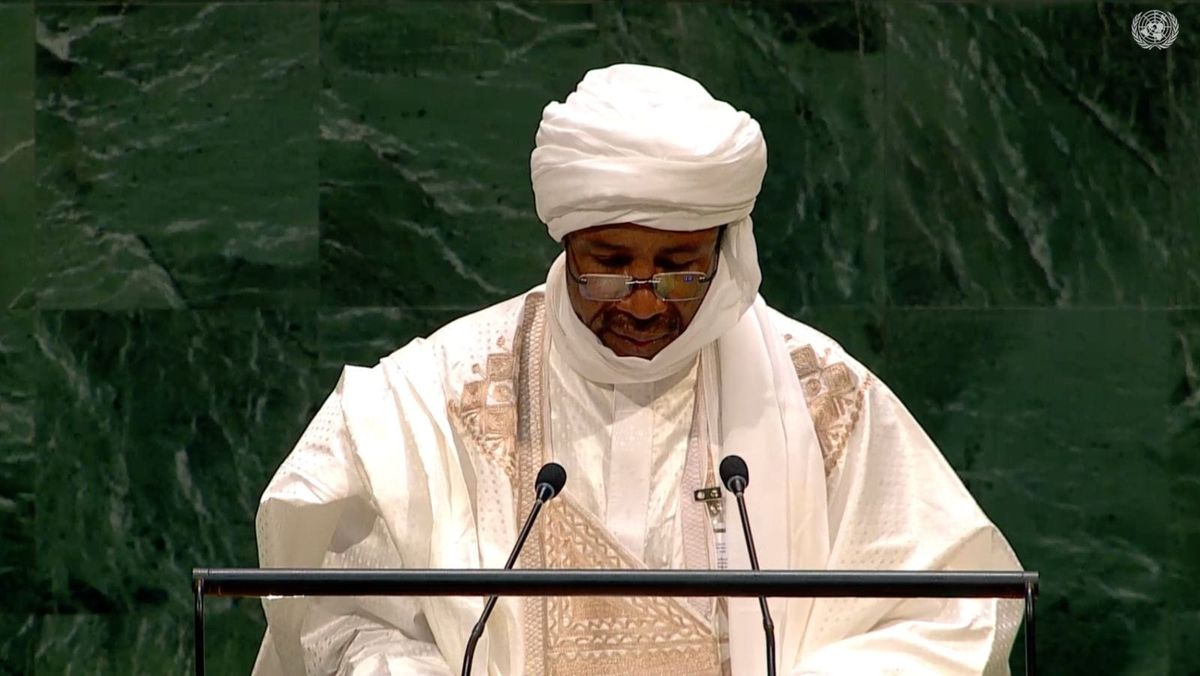
Can Chad’s UN appeal halt the Ennedi-East airstrikes?

International Can Chad’s UN appeal halt the Ennedi-East airstrikes? At the 81st UN General Assembly, Chad’s Health Minister Abdelmadjid Abdelrahim Mahamat delivered a forceful plea, highlighting the nation’s humanitarian and security commitments while condemning recent airstrikes on its territory. Alwihda Info 26 Sept 2026 — 1 min read Share At the podium of the 81st United Nations General Assembly, Chad underscored its pivotal role in regional stability. In a speech read by Dr Abdelmadjid Abdelrahim Mahamat, Minister of Public Health and Prevention, on behalf of President Mahamat Idriss Déby Itno,…

Read More

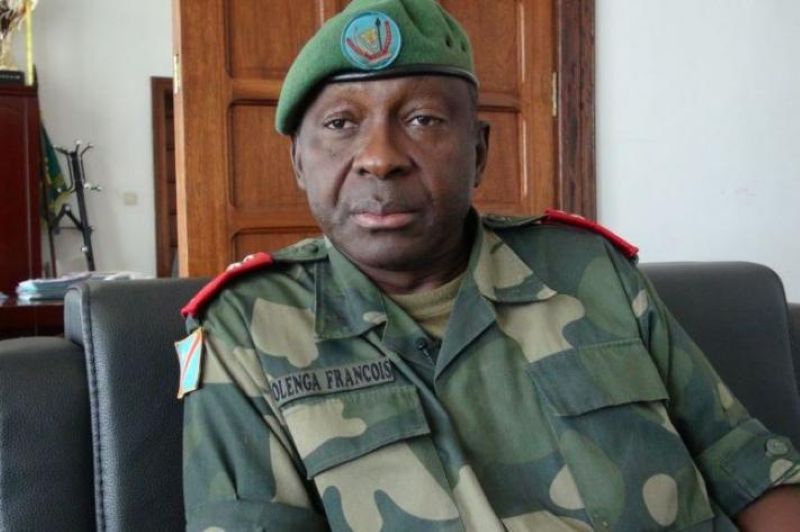
Can a Congolese general really walk away from nine years of US sanctions unscathed?

Can a Congolese general really walk away from nine years of US sanctions unscathed? What happens when a man who spent nearly a decade on America’s financial blacklist suddenly finds the door reopened? That is the question now facing Kinshasa after the US Treasury Department’s Office of Foreign Assets Control (OFAC) formally removed retired four-star General François Olenga Tete and his Safari Club from its sanctions list. The decision, confirmed in a notification to his legal team, ends a nine-year freeze that had barred him from any dealings with US…

Read More

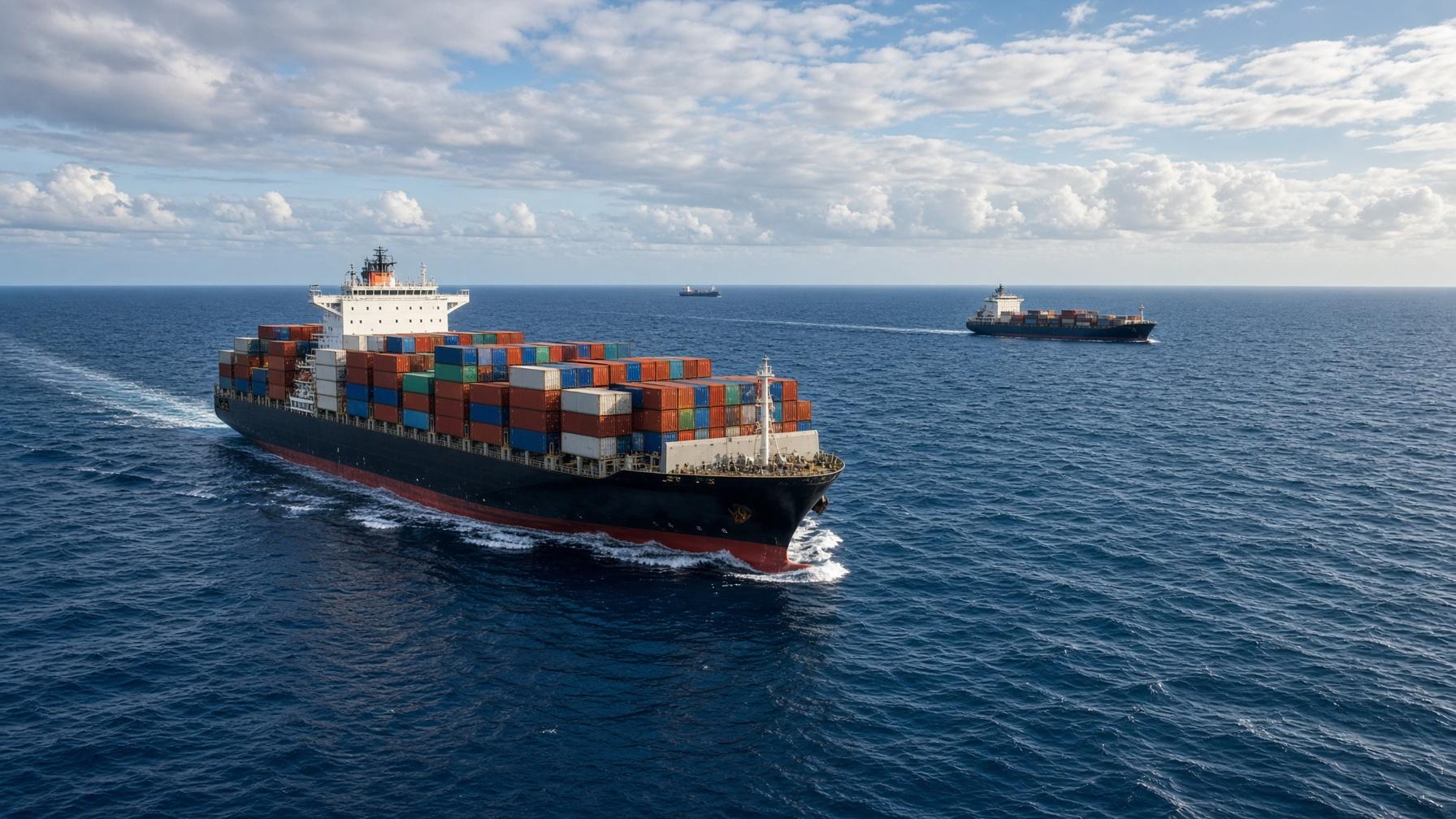
Hormuz: strike a seven-day deal with Tehran, or risk a global energy meltdown?

Can seven days of diplomacy undo a blockade that has sent shockwaves through the global economy? That is the question now dominating the corridors of the United Nations headquarters in New York, where Iran’s top diplomat announced he had handed Washington a concrete plan to restore shipping through the strait of Hormuz within a week. Speaking before a crowd of foreign correspondents, Iranian foreign minister Abbas Araghchi said the offer had been formally passed to the American envoy Steve Witkoff on Tuesday. His message was blunt: the decision now belongs…

Read More

Can Senegal’s elections truly reflect the people’s will? The case for a bold electoral overhaul

Is Senegal’s current electoral system capable of delivering a National Assembly that genuinely mirrors the votes cast by its citizens? That is the pressing question at the heart of a new contribution by Khalidou dit Mbaye Sokoma, president of the Mouvement Patriotique pour un Développement Durable (MPPD) / AND DEFAR SUNU REEW. In a detailed proposal, he argues that the country’s hybrid voting mechanisms fall short of true democratic representation and calls for a far-reaching national conversation on how lawmakers are elected. The limits of the current hybrid system Senegal’s…

Read More

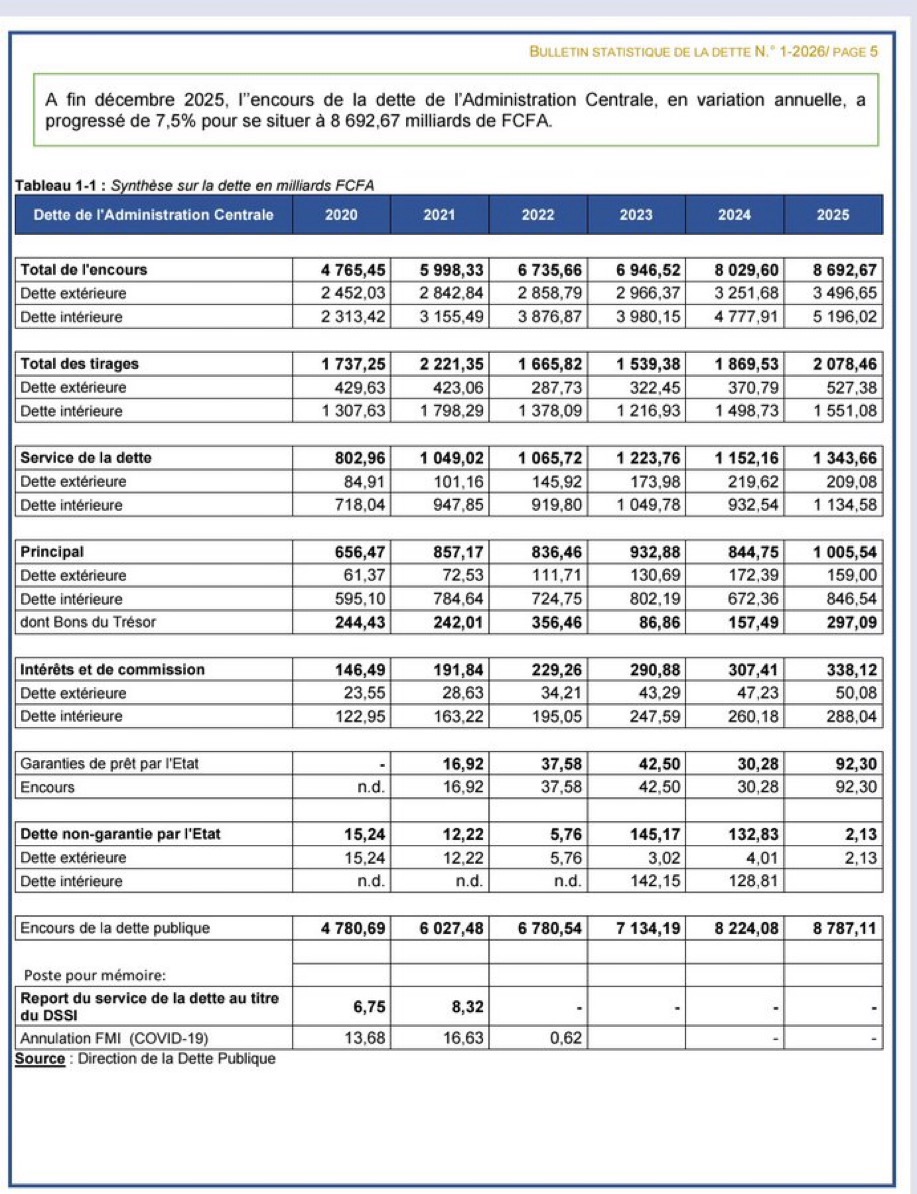
How much does sovereignty cost? The 8,731.5 billion FCFA debt question Burkina Faso must answer

Can an administration that has built its political identity on rejecting dependence explain a public debt that has swelled by close to 4,000 billion FCFA in a little over five years? That is the awkward question now confronting Burkina Faso’s authorities, and it sits at the centre of the country’s economic debate. Ibrahim Traoré has made self-reliance a founding element of his message. He states repeatedly that Burkina Faso must count on its own strength, and that the country does not need to borrow in order to construct its development.…

Read More

Can one Ivorian jurist’s three-decade push really transform West Africa’s business law?

Some legal careers are measured not by titles but by the institutional footprints they leave behind. Bakari Traoré, an Ivorian business lawyer and tax specialist, has spent thirty years quietly laying the groundwork for West Africa’s commercial legal framework — a contribution whose scale raises a critical question: can a single jurist’s persistence truly reshape how an entire region does business? The overlooked flaw that sparked a regional overhaul In the late 1990s, Traoré — a doctor of business and economic law — alerted his minister to a glaring problem:…

Read More

Burkina Faso’s army: was it really undertrained, or is today’s strategy the real failure?

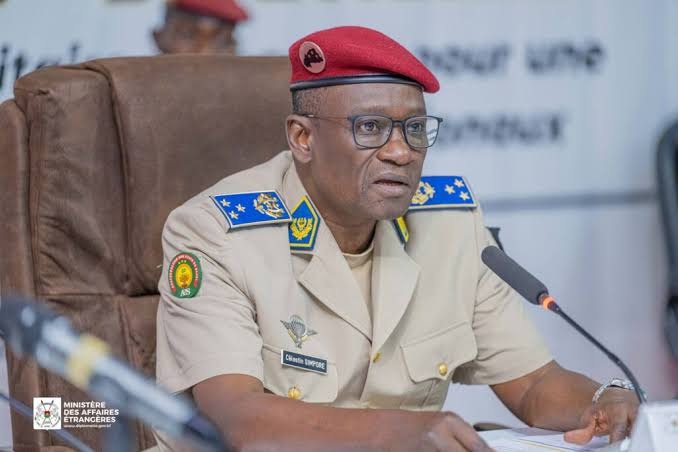
It was supposed to be a routine television appearance, a chance to celebrate the security record of Captain Ibrahim Traoré’s government. Instead, Defence Minister General Célestin Simporé turned it into something far more revealing. To explain why the fight against armed groups keeps deteriorating, he reached for a single argument: the Burkinabè army, he said, was historically “poorly trained”. The claim may have been designed to deflect blame, but it has ignited a far more uncomfortable question across Burkina Faso — if yesterday’s supposedly deficient force managed to contain the…

Read More