Can Bambali’s new agro-industrial park deliver on its billion-franc promise?
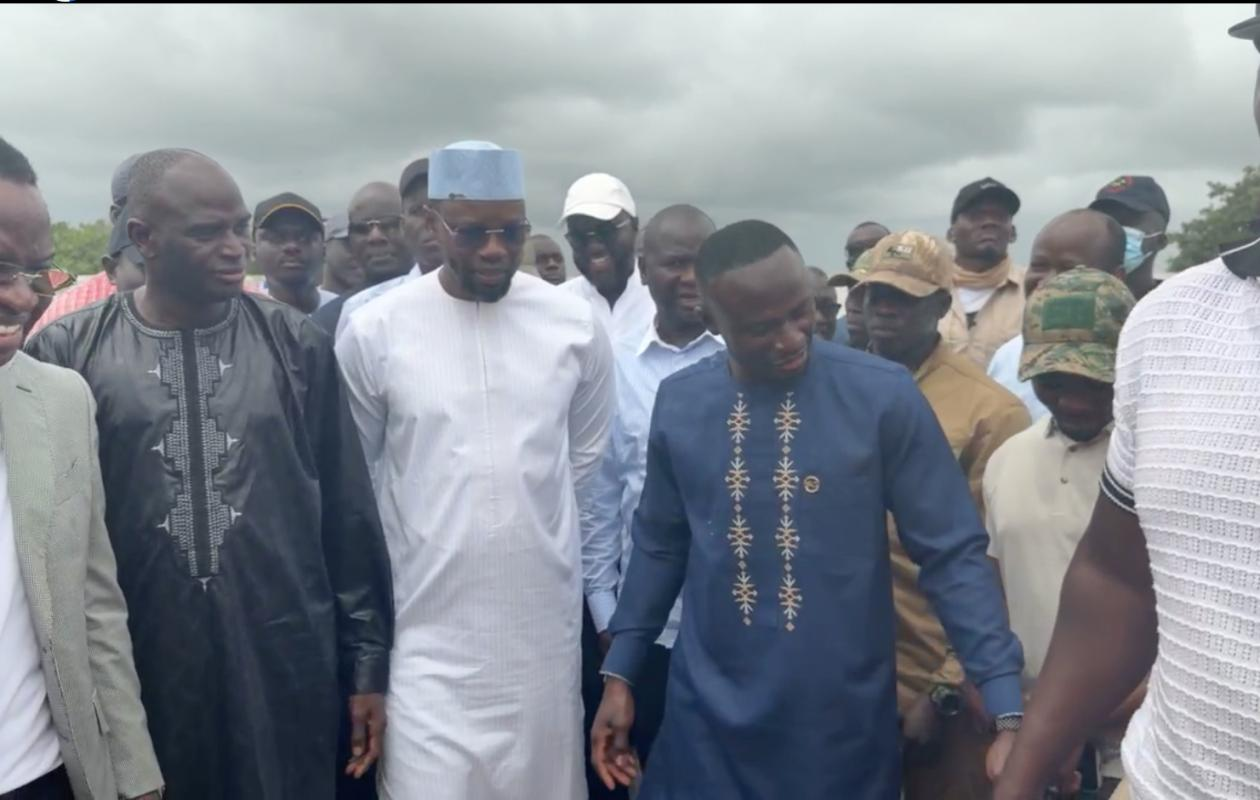
Can a single agro-industrial project transform an entire region? That is the question hanging over Bambali, the village in Sédhiou where Ousmane Sonko, president of the National Assembly, joined football star Sadio Mané to launch the SM10 Agro initiative. The event drew a crowd of officials, including Trade Minister Serigne Guèye Diop, and marked the official start of a massive agricultural processing complex. Sonko accepted Mané’s invitation and traveled to the village, where he was welcomed by the promoter himself. The presence of such high-profile figures underscores the stakes: can…

Read More

Senegal’s palm oil bet: can 60,000 hectares and Indonesian know-how finally end a costly import habit?

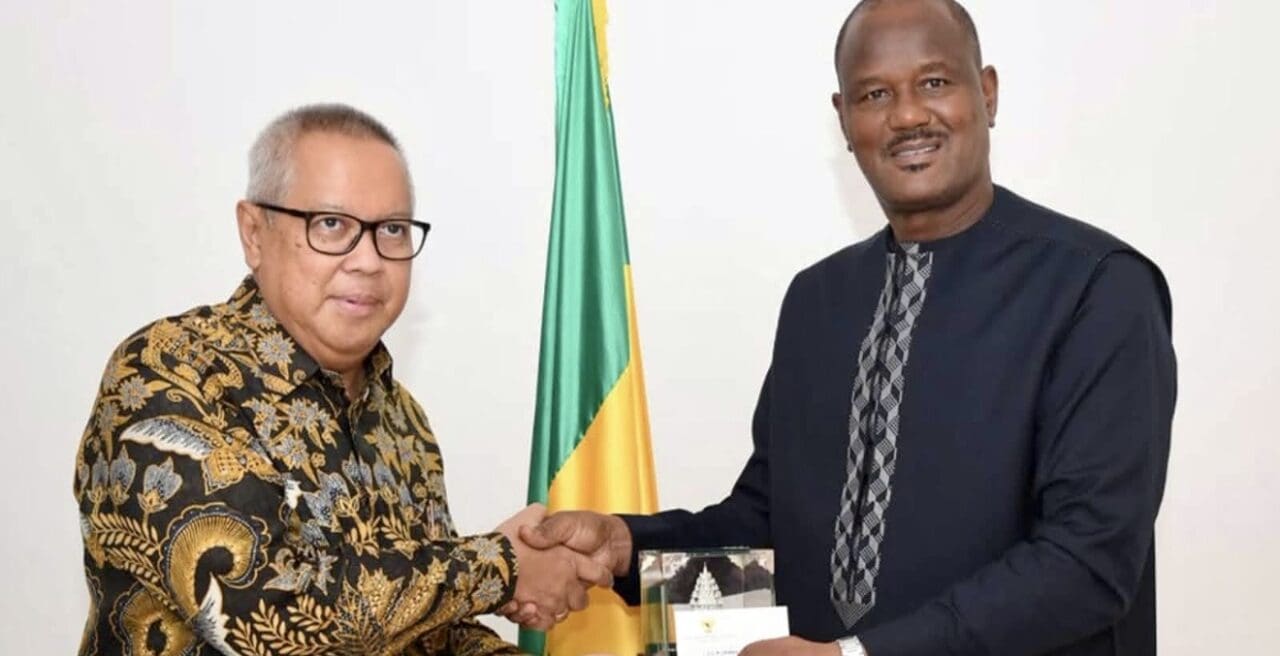
Senegal is weighing a high-stakes question: can a single partnership undo a decade of stagnation in its palm oil sector? With a 60,000-hectare plan and Indonesian expertise on the table, Dakar is betting that the answer is yes—but the obstacles are as vast as the ambition. A low-key meeting in Dakar on 11 September could prove to be the turning point for a sector that has been stuck in neutral for ten years. Senegal’s Ministry of Agriculture, Food Sovereignty and Livestock (MASAE) presented an ambitious proposal to Indonesia’s ambassador: 60,000…

Read More

Cameroon’s B-/B rating: will the political transition decide the country’s economic fate?

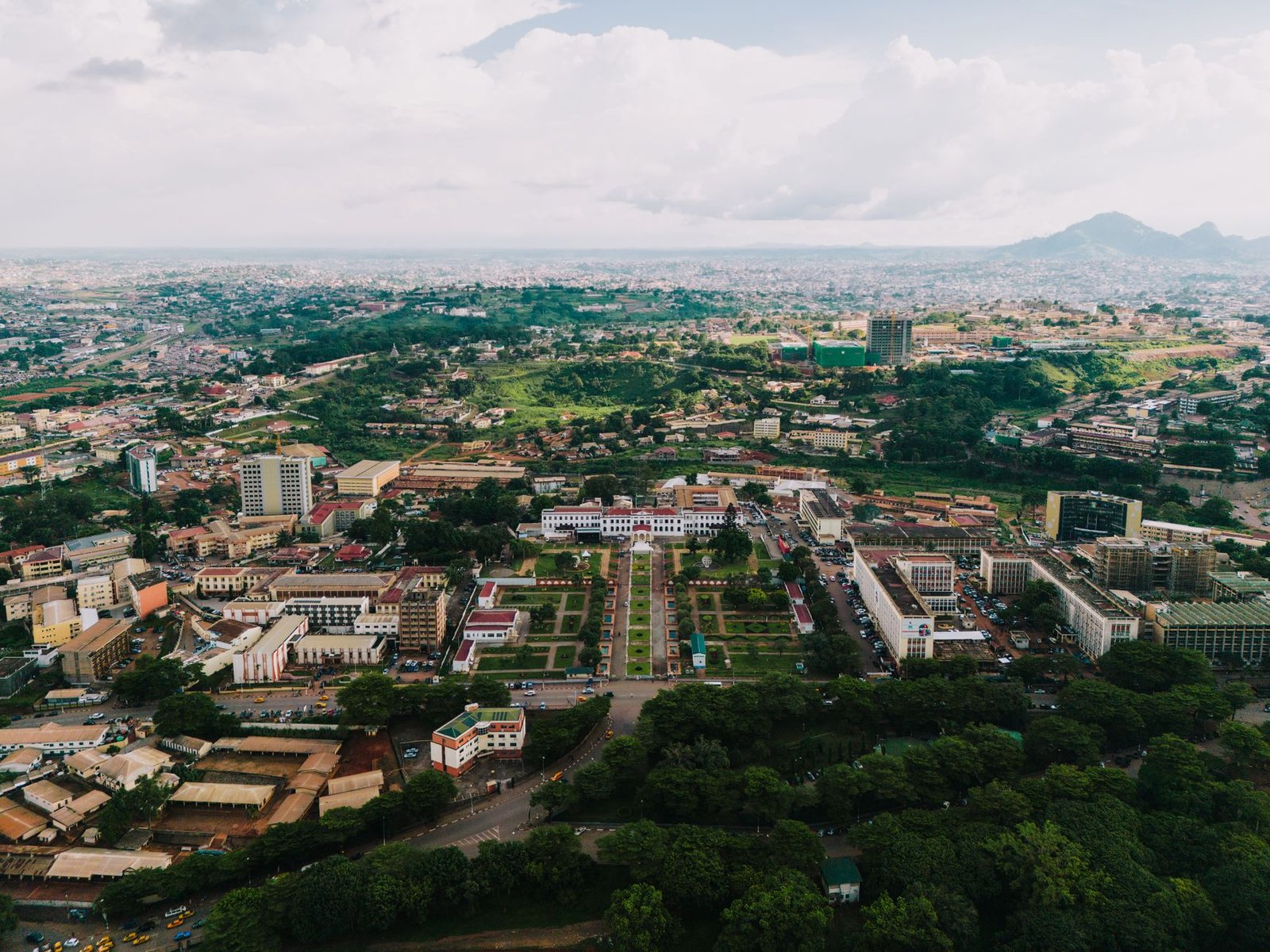
Standard & Poor’s (S&P) has reaffirmed Cameroon‘s sovereign credit rating at “B-/B” with a stable outlook—a verdict that, beneath its reassuring surface, thrusts the political transition in Yaoundé to the forefront of market concerns. The decision, made public in mid-September, arrives at a pivotal moment when the long-taboo presidential succession is becoming a central variable in assessing country risk. For investors and multilateral partners alike, the rating’s reaffirmation serves less as a stamp of approval than as a cautionary signal. A rating renewed, but a barely veiled warning By extending…

Read More

Senegal’s revised finance bill 2026: can the budget timetable still hold after Sonko’s outburst?

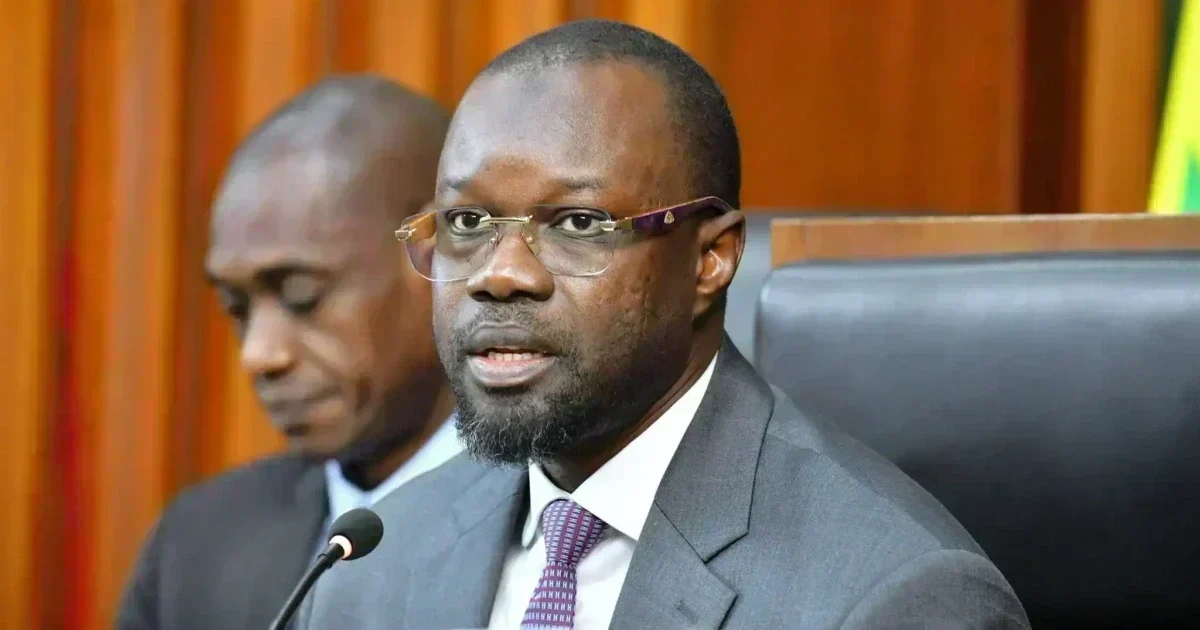
The standoff that almost derailed Senegal’s budget revision For days, the fate of Senegal’s 2026 revised finance bill hung in the balance. A deadline set by the Prime Minister’s office came and went. Accusations flew. And the President of the National Assembly, Ousmane Sonko, publicly declared he had received no notification of the text. The question on everyone’s mind: would the government miss its own budget timetable, or would the bill finally arrive? On Friday, September 18, 2026, the National Assembly announced it had received the draft revised finance bill…

Read More

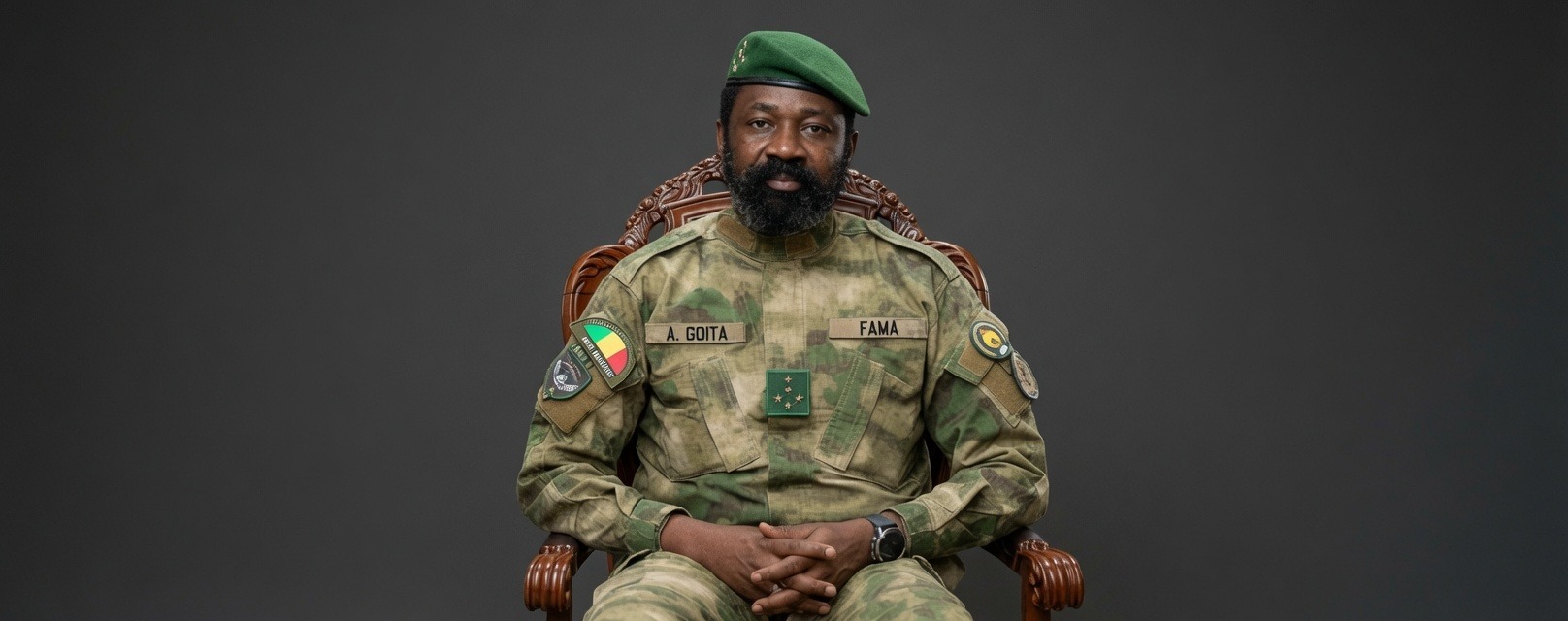
Dioura: denial or disclosure — which path can Mali’s junta still afford?

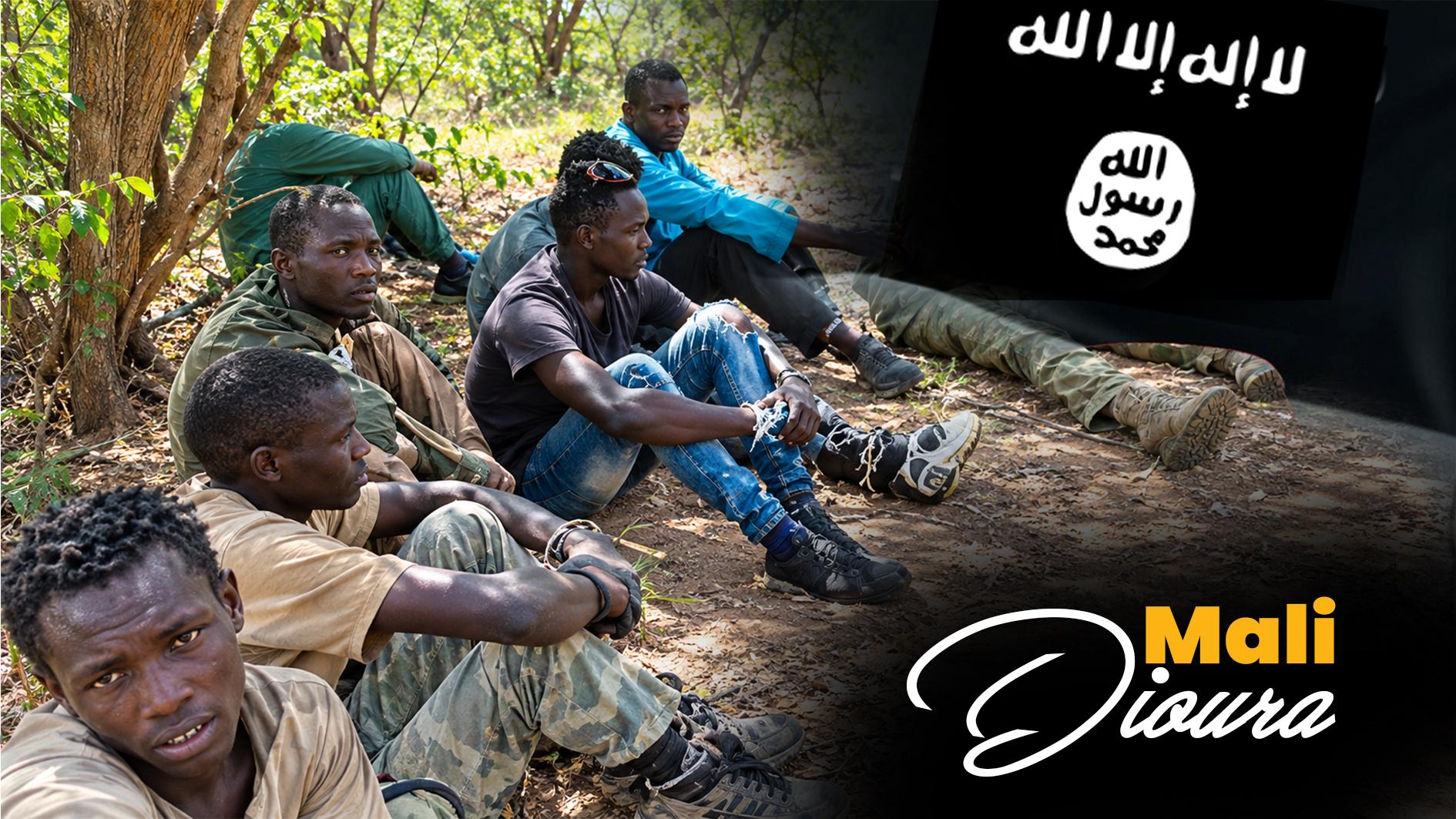
One sentence was meant to close the file. Asked about the situation around Dioura, Mali’s chief of defence staff replied curtly that there was ‘nothing’ there. Hours later, the Group for the Support of Islam and Muslims (JNIM) answered with a communiqué, photographs and video footage — and the question now hanging over Bamako is a blunt one: can an authority that denies a battle still decide how that battle will be remembered? By claiming the assault with unusual precision, detailing casualties, captives and seized equipment, the Al-Qaeda branch in…

Read More

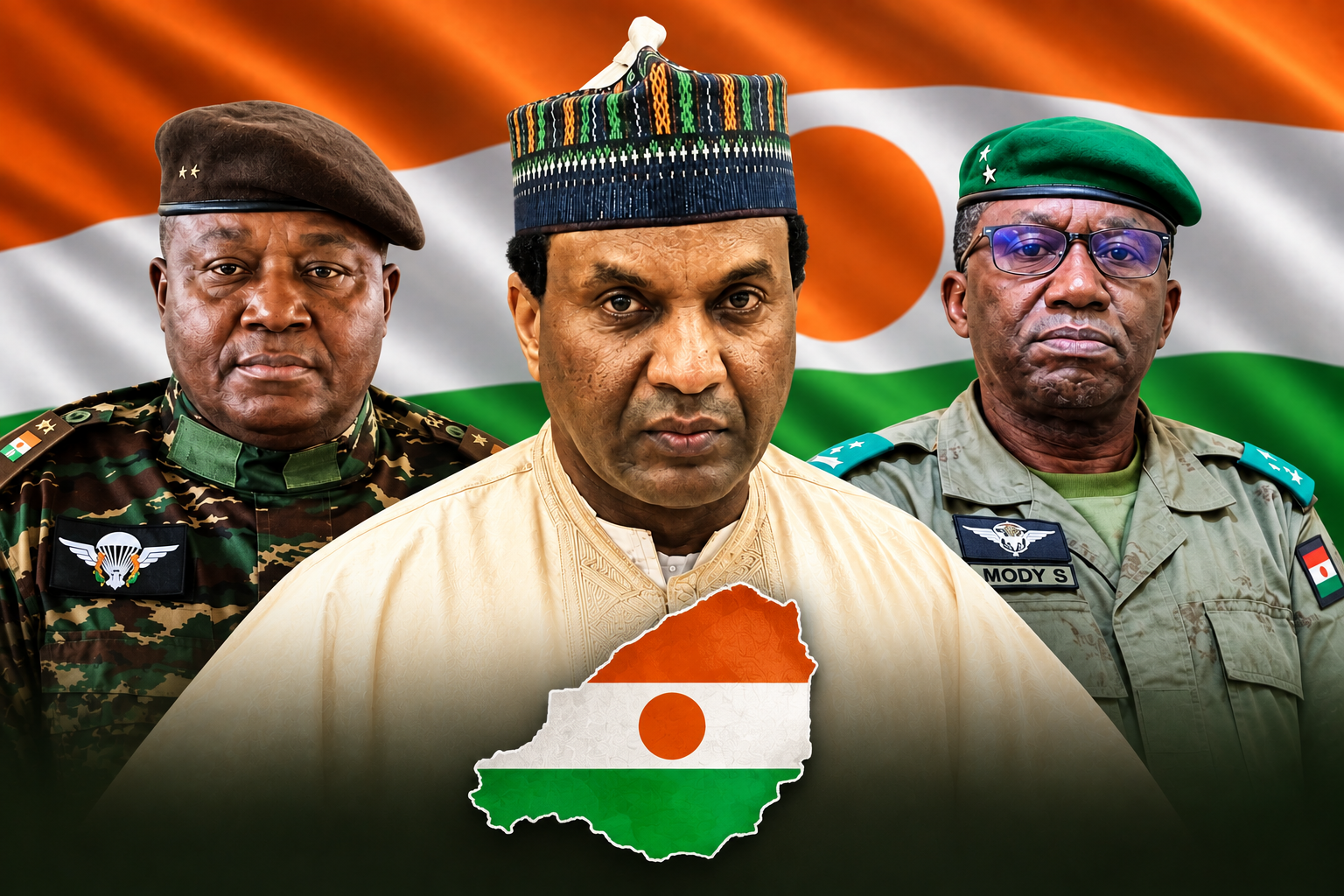
Niger: can a regime that revokes citizenship outlast the anger it breeds?

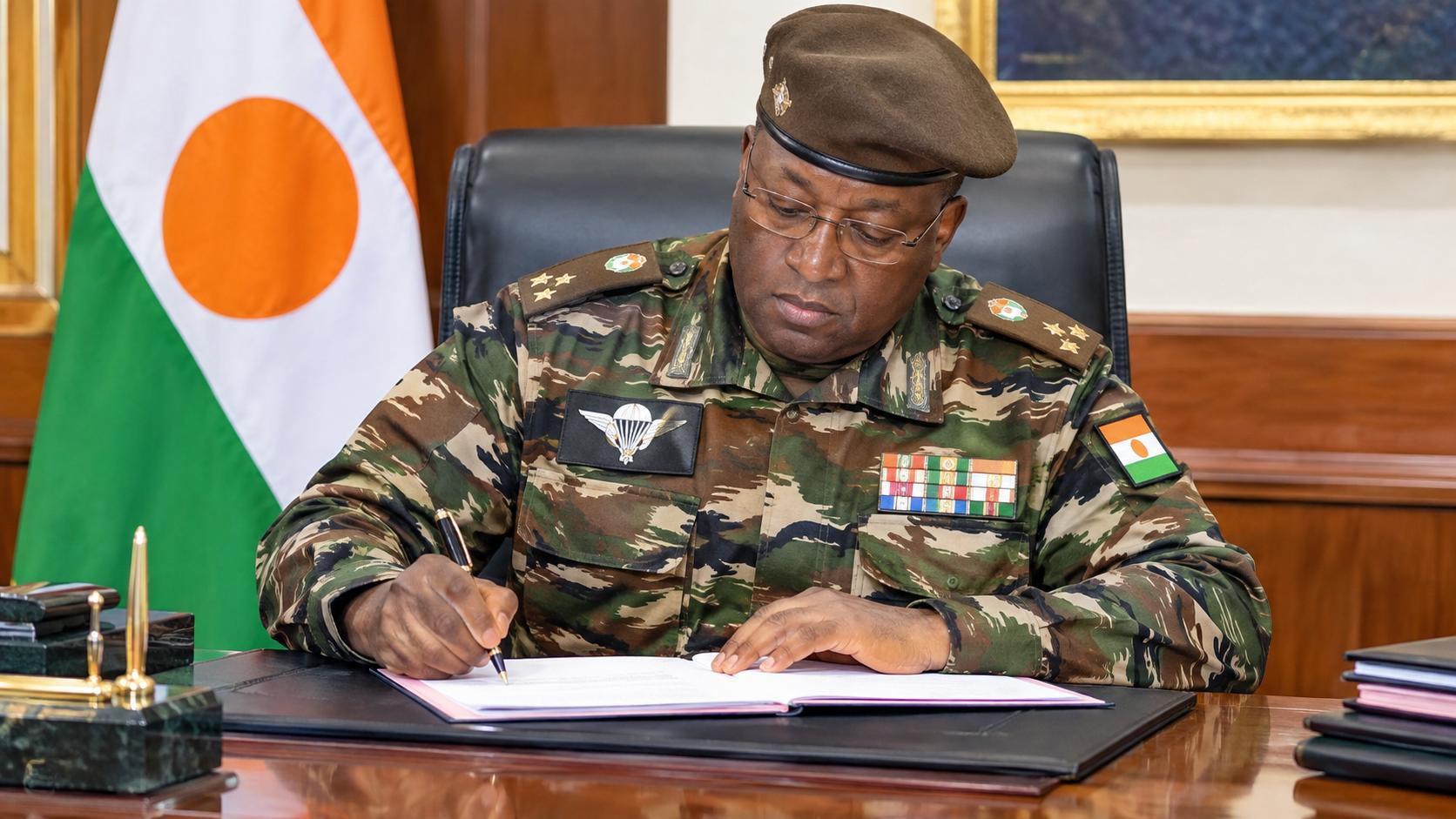
What does it really mean when a state can delete one of its own citizens with a single signature? In Niger, that question stopped being theoretical a long time ago. Since the National Council for the Safeguard of the Homeland (CNSP) took power by force in July 2023, the hunt for dissenting voices has entered a far more dangerous phase. General Abdourahamane Tiani no longer settles for prison sentences or forced exile — his administration now wipes out the legal existence of its opponents. By elevating citizenship revocation to the…

Read More

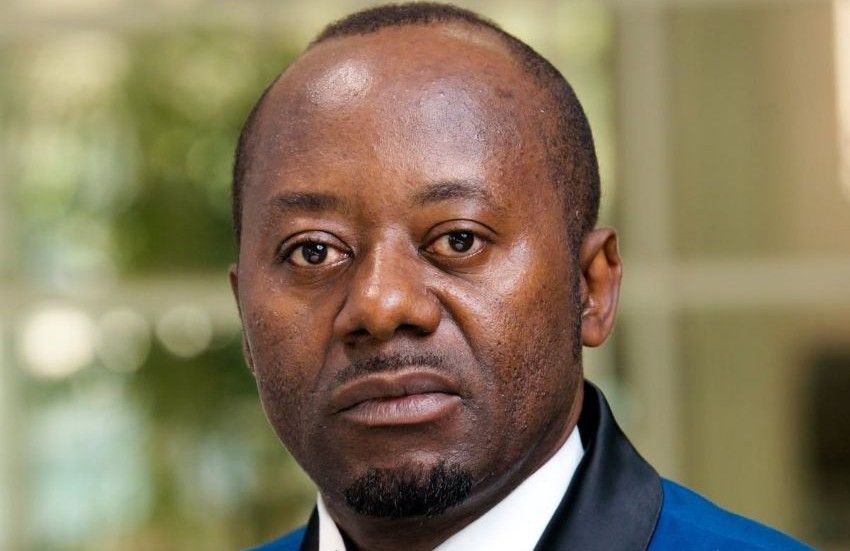
Libreville’s top prosecutor job: can Alain-Georges Moukoko turn green justice credentials into real results?

Libreville’s top prosecutor job: can Alain-Georges Moukoko turn green justice credentials into real results? Libreville, Friday 18 September 2026 – The general prosecutor’s office in Libreville is changing hands at a moment when Gabon’s judiciary is under pressure to prove it can be faster, tougher and more credible. On 16 September 2026, in Port-Gentil, the Superior Council of the Judiciary appointed Alain-Georges Moukoko as general prosecutor at the Libreville Judicial Court of Appeal. He takes over from Eddy Narcisse Minang as part of a sweeping reshuffle decided at the highest…

Read More

Can Tiani tell ally from enemy in Niger — and who ends up paying the price?

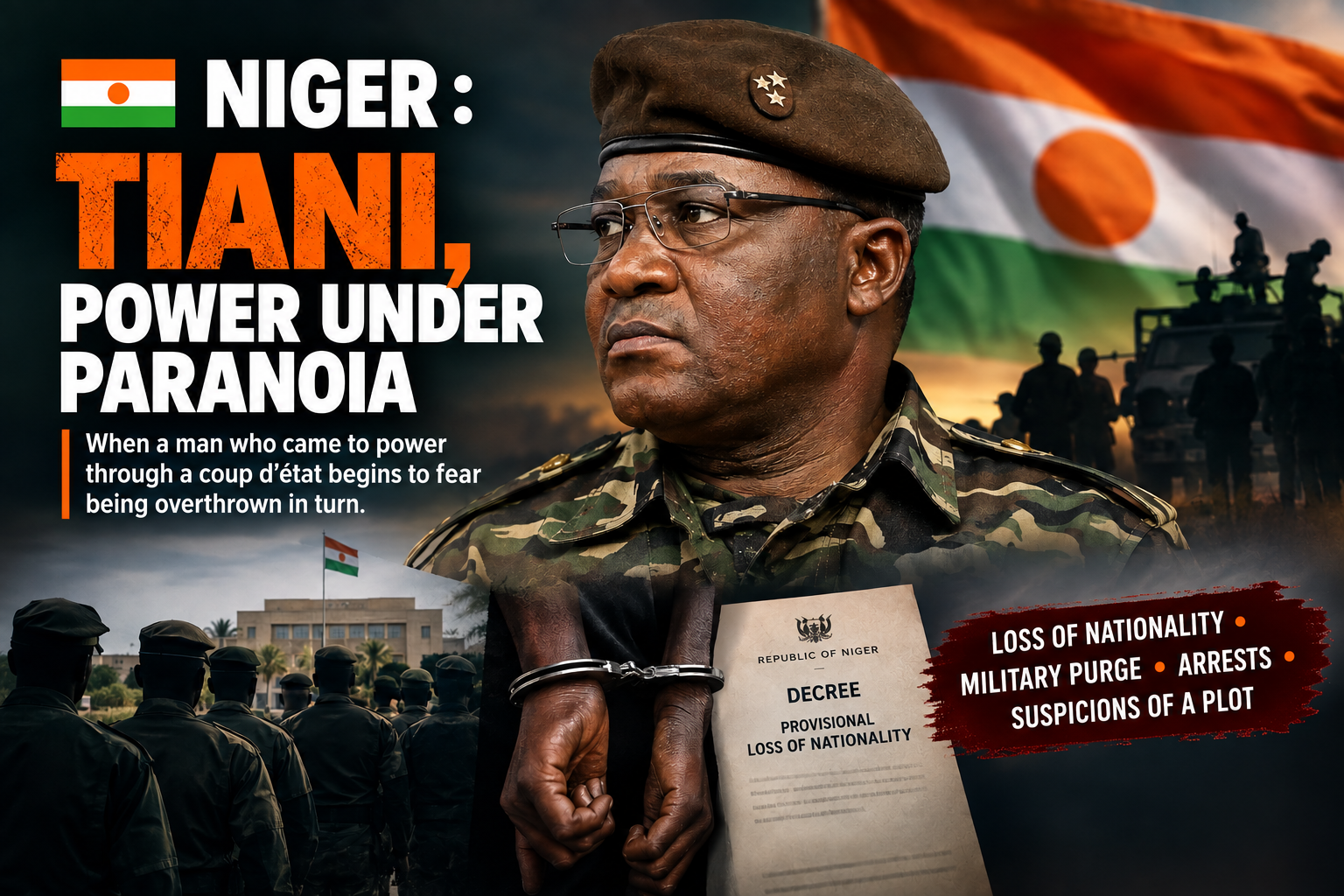
How does a man who took power by force convince himself that the same manoeuvre cannot one day be used against him? That is the awkward question now hanging over Abdourahamane Tiani’s Niger, after a failed assault on his presidency, a widening purge inside the armed forces, and a decree that has provisionally stripped five citizens of their nationality. On one side stands a junta that says it is simply securing the state. On the other, a growing list of soldiers, ministers and former officials who have been removed, arrested…

Read More

Niger’s security dilemma: does the CFPD’s 1.8 billion FCFA monthly fund serve the nation — or the men who run it?

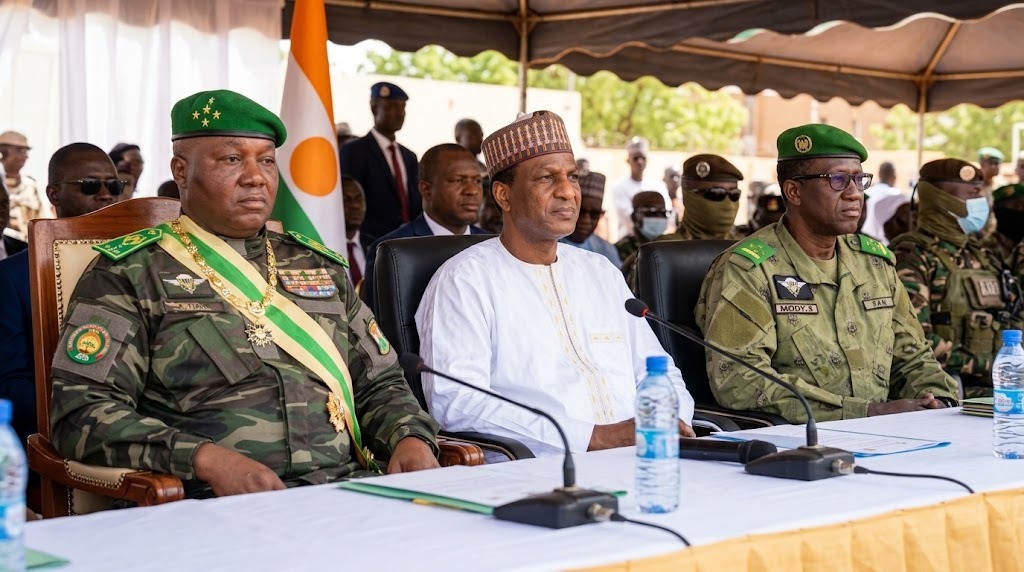
At the summit of Niger’s power structure, one question has become impossible to sidestep: when a security programme is worth 1.8 billion FCFA a month, who gets to decide how it is financed — and what happens to the people who try to block it? The answer runs straight through the Commandement des Forces de Protection et de Développement (CFPD), an arrangement that has turned General Salifou Mody, CNSP leader Abdourahamane Tiani and former finance minister and prime minister Lamine Zeine into open rivals. On paper, the CFPD exists to…

Read More

Mali’s press reform dilemma: self-regulate now, or be regulated later?

The show of unity that surrounded Mali’s latest employers’ consultations — and the planned prefiguration cell for media self-regulation — struggles to hide what is really happening on the ground. Behind the polite endorsement and the lukewarm “yes, but” voiced by the Cadre de concertation des faïtières (ASSEP, Groupement patronal, UNAJEP), this gathering was never a spontaneous clean-up operation. It is the inevitable destination of several years of muted anger, turf battles and profound disagreements within Mali’s press. A consultation born of crisis, not of progress Employers’ leaders now repeat,…

Read More

Niger’s turning point: how 1.8 billion FCFA reshapes state power and defense control

From decree to uncertainty: the birth of a financial and military riddle The signing of presidential decree n°2024-309/P/CNSP/MDN on May 9, 2024, marked a pivotal moment in Niger’s defense architecture. Officially labeled the Command of Protection and Development Forces (CFPD), the structure was presented as a safeguard for critical economic assets: mining sites, oil fields, the WAPCO pipeline, CNPC-NP, SORAZ facilities, and vital development corridors. Yet beneath its stated mission lies a more profound shift one revolving not around soldiers or strategy, but around money, authority, and the very structure…

Read More

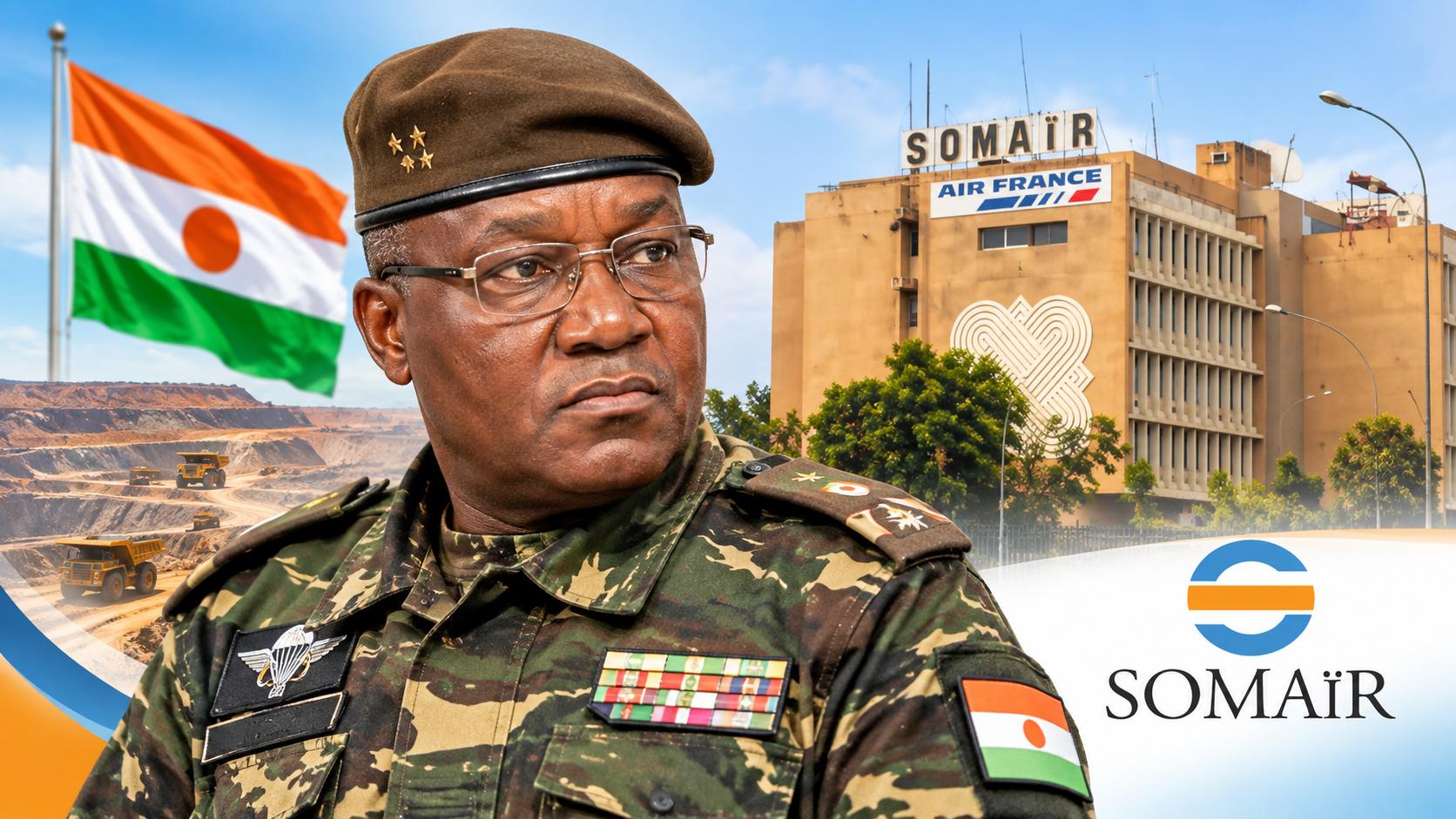
Niger’s uranium breakthrough: how Dasa’s surge challenges France’s SOMAÏR legacy

The sudden shift in Niger’s uranium sector is reshaping the country’s economic and geopolitical landscape. With the collapse of SOMAÏR’s operations and the rise of Dasa, a new chapter in mineral extraction is unfolding—one that signals a decisive pivot toward American investment and away from France’s long-standing dominance. From blocked mines to economic crossroads: the fall of SOMAÏR SOMAÏR, once Niger’s flagship uranium producer under French operator Orano, has seen its output plummet by over 80% in recent years. The decline stems from a perfect storm of logistical and political…

Read More
Uncategorized