Somalia faces catastrophic hunger crisis warns Red Cross

Somalia on the brink of severe famine, warns ICRC Somalia stands at the precipice of an unprecedented humanitarian disaster as the International Committee of the Red Cross (ICRC) raises alarms over a deepening food crisis. Nearly 6.5 million people are already grappling with extreme food insecurity, exacerbated by relentless drought conditions that have crippled livelihoods across the nation. Collapse of pastoralist economy worsens hunger Following two consecutive seasons of inadequate rainfall, experts warn of a looming return to the devastating hunger levels last seen in 2022. The pastoralist sector, the…

Read More

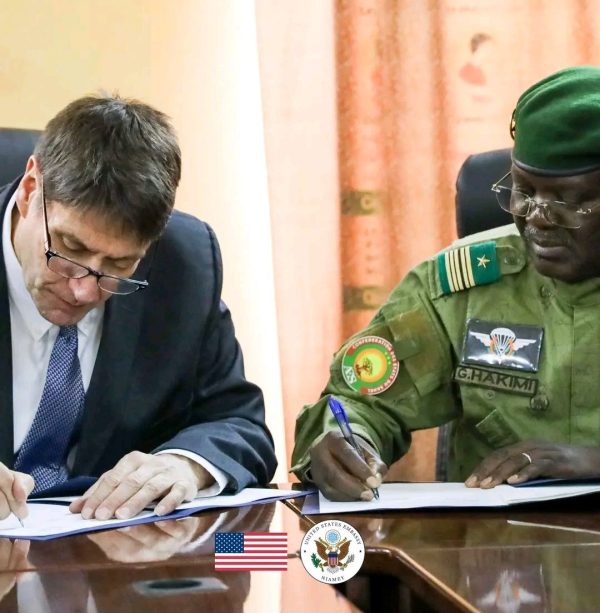
1,1 milliard d’euros pour le Niger, Burkina et la RDC : le plan sanitaire des USA pour l’Afrique poursuit sa vague d’adhésion

1,1 milliard d’euros pour le Niger, Burkina et la RDC : le plan sanitaire des USA pour l’Afrique poursuit sa vague d’adhésion Muriel EDJO, Agence Ecofin Ces conventions visent le renforcement des capacités de la RDC et du Burkina Faso à répondre aux menaces sanitaires avant qu’elles se propagent hors de leurs territoires. DR By Aïcha Abdou — Senior correspondent

Read More

Niger united states health deal sparks data sovereignty debate

When the government of Niger and the United States inked a health cooperation protocol in Niamey on February 26, 2026, the financial scale of the agreement—178 million USD (approximately 99.6 billion XOF)—immediately commanded attention. Yet beneath the impressive figures lies a complex web of questions about public health priorities, national budget commitments, and the long-term implications of foreign partnerships. At the heart of this bilateral health initiative is a clear mandate: combat malaria, strengthen infectious disease surveillance, prevent polio outbreaks, and improve maternal and child health outcomes. These goals align…

Read More

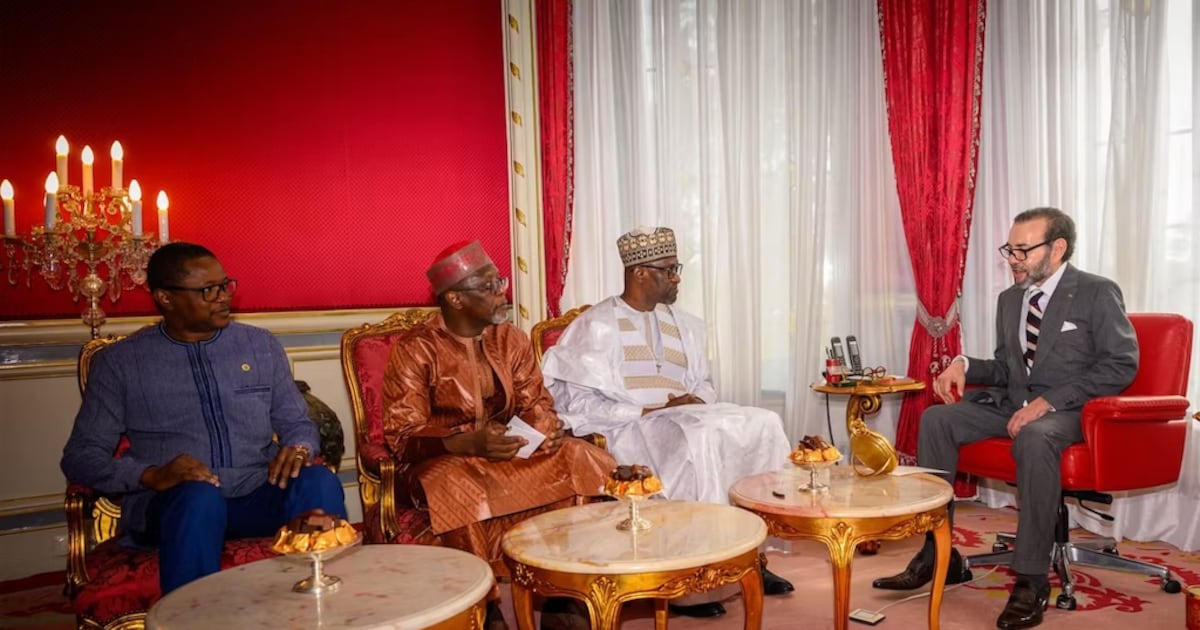
Regional powers vie for influence in the Sahel

The Sahel region, a vast geographical expanse stretching from Mali to Chad, hardly presents itself as an economic haven. Far from being a new Singapore for foreign direct investment, nations like Mali, Burkina Faso, and Niger grapple with significant economic challenges. Mali, for instance, faces a demographic reality where 47% of its 25.9 million citizens are under 15, with only 25% of its land being arable. Ranking 188th out of 193 countries on the Human Development Index, Mali also sees nearly 45% of its population living below the poverty line.…

Read More

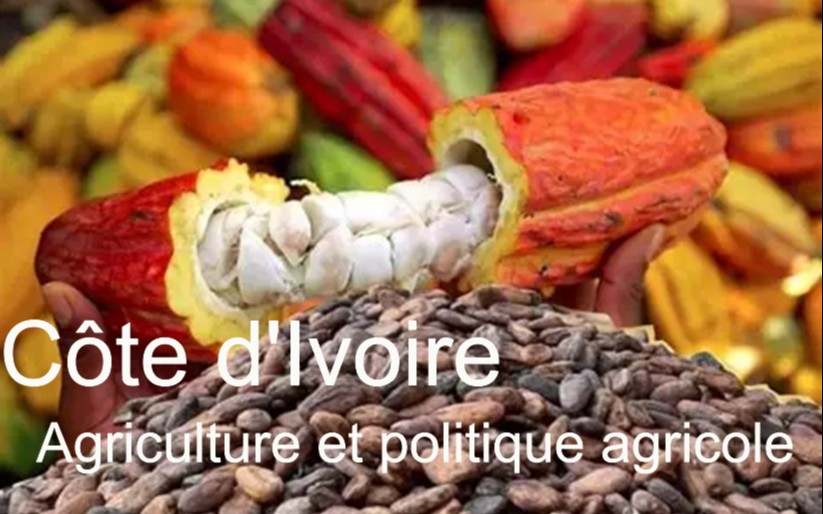
Côte d’Ivoire’s agriculture and farming policies explained

article Côte d’Ivoire’s agriculture and farming policies explained Côte d’Ivoire stands out as one of West Africa’s most vibrant economies, with agriculture serving as its backbone since independence. While the agricultural sector accounted for nearly 50% of the GDP at that time, its share has since declined to 15.9% in 2024. Despite this shift, agriculture remains the primary employer, engaging 46% of the workforce directly. The country’s trade surplus is heavily reliant on agricultural products, which constituted 51.5% of exports in 2025. Poverty rates are significantly higher in rural areas,…

Read More

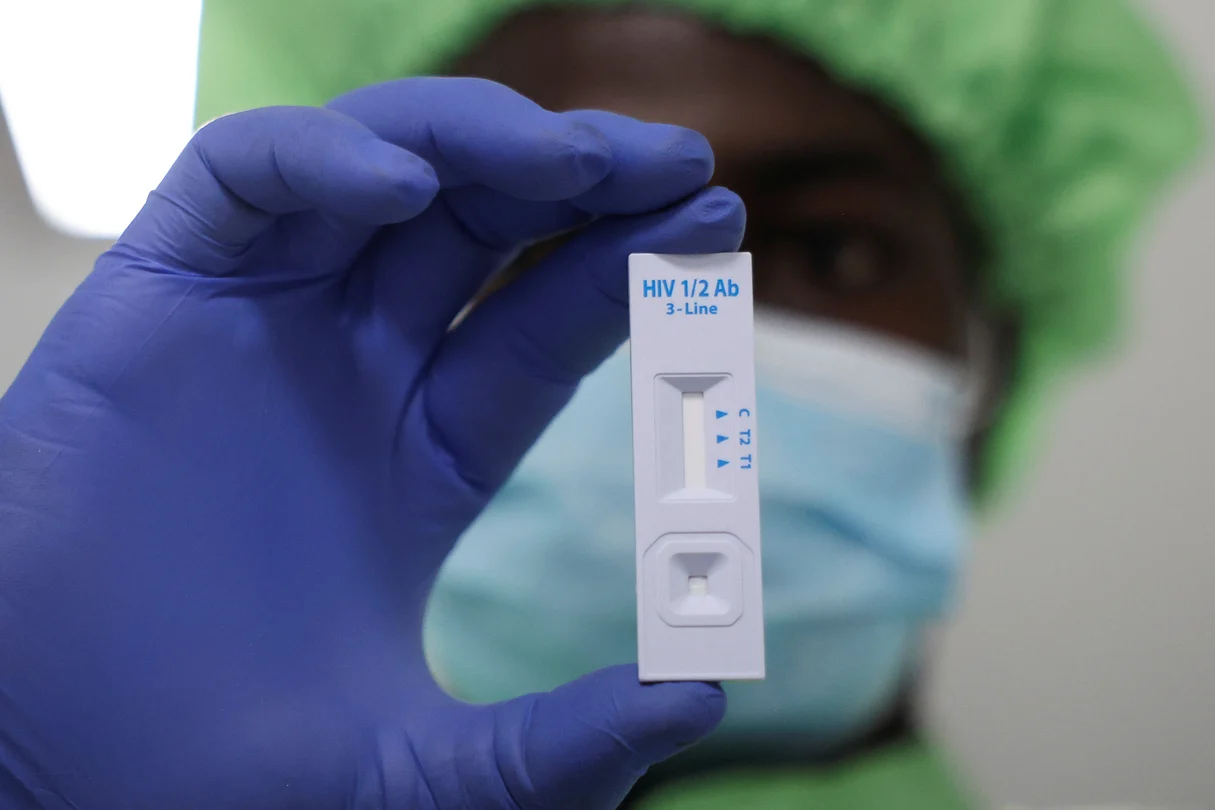
Us Botswana partnership bolsters global health funding by $147 million

The United States Department of State has finalized a five-year bilateral memorandum of understanding (MoU) with Burkina Faso, channeling a total of $147 million in financial support. This landmark agreement underscores a shared commitment to combating infectious diseases such as HIV/AIDS, malaria, and other public health threats while bolstering the nation’s epidemiological surveillance and emergency response capabilities. According to the official announcement, the partnership lays the groundwork for enhanced collaboration, empowering Burkina Faso to strengthen its defenses against communicable diseases and improve overall health security. As part of this initiative,…

Read More

Us-Burkina Faso health partnership boosts fight against infectious diseases

Strengthening health security in the Sahel through a five-year pact A landmark five-year agreement has been forged between the United States and Burkina Faso to elevate health security as a shared priority. This partnership is designed to equip Burkina Faso with the tools needed to independently tackle infectious threats while simultaneously safeguarding public health in both nations. At its core, the initiative champions locally managed, resilient health systems capable of anticipating, detecting, and responding swiftly to outbreaks in a region where rapid intervention is critical. Building a sustainable bilateral health…

Read More

International journalist federations decry political meddling in Côte d’Ivoire’s journalists’ union affairs

On February 20, a legal injunction, initiated by a collective asserting adherence to established regulations, led a summary proceedings judge to order the suspension of the ordinary congress for the renewal of leadership within the National Union of Journalists of Côte d’Ivoire (UNJCI). In response to this judicial intervention, the UNJCI promptly announced its intention to appeal the decision, a development closely watched across African politics and by Panafrica News outlets. Given the inability to convene the ordinary congress within the statutory timeframe, and with the incumbent leadership’s mandate expiring…

Read More

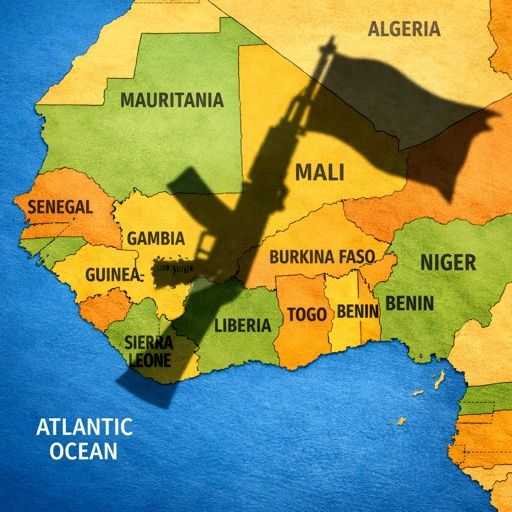
JNIM and the strategic challenges of jihadist expansion beyond the Sahel

The strategic expansion of JNIM beyond the Sahel: A complex dilemma A specialized seminar hosted by the research group Africa: citizenship, violence and politics and the Africa Programme at CERI examines the evolving security landscape in African politics. Since its formation in 2017, the Al-Qaeda affiliate known as Jama’at Nusrat al-Islam wal-Muslimin (JNIM) has emerged as a dominant non-state actor in the Central Sahel. Through its various katibas, the organization has established significant control over territories in Mali, Niger, and Burkina Faso, often competing directly with state authorities for local…

Read More

Military coups in west africa and the fate of civilian allies

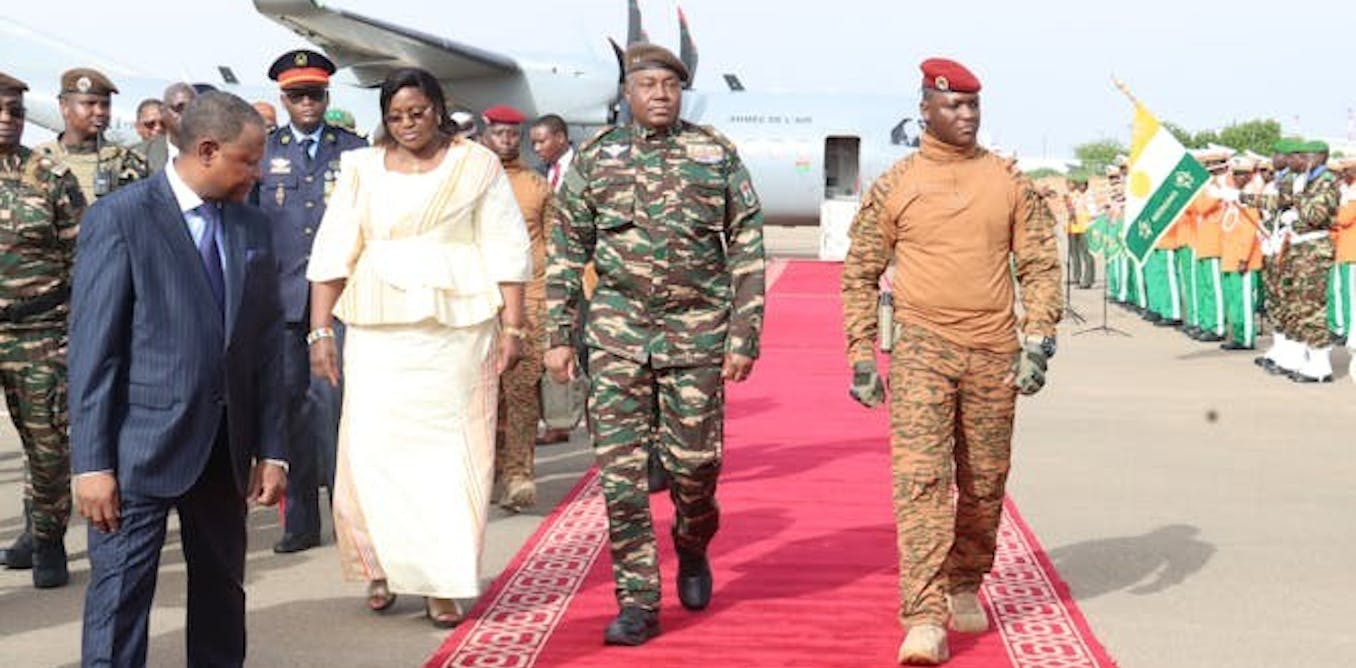
The late January 2026 decision by Burkina Faso’s interim leader, Captain Ibrahim Traoré, marked the formal end of political pluralism in the country. On January 29, all registered political parties—including those that had backed his September 2022 takeover—were officially dissolved. While parties had already been suspended after Traoré’s rise, the junta framed the permanent ban as part of a sweeping state restructuring aimed at reducing social divisions. In reality, the move stripped away the last remnants of independent civic engagement and consolidated power firmly under the captain’s control. Party assets…

Read More

Burkina Faso makes historic malaria progress as cases drop by 32% in 2025

The Burkina Faso government has achieved a historic milestone in its fight against malaria, with a dramatic reduction in both cases and fatalities in 2025 as the nation pushes toward elimination by 2030. During a press briefing in Ouagadougou, Dr. Lucien Jean-Claude Kargougou, Minister of Health, unveiled striking declines in malaria statistics. Total cases plummeted from 10,805,000 in 2024 to 7,329,000 in 2025—a 32% drop. Among children under 5, the reduction exceeded 1,900,000 cases, representing a 38% decrease. Malaria-related deaths also fell sharply from 3,523 in 2024 to 1,900 in…

Read More

Africa news english: why allowing coup leaders to run in elections undermines democracy

At the conclusion of the 39th African Union summit, a bold declaration echoed through the halls of Addis Ababa: silencing the guns and ending unconstitutional power transfers once and for all. But in a region grappling with political instability, can such promises truly hold weight? Paul-Simon Handy, a Cameroonian researcher and Regional Director for East Africa at the Institute for Security Studies (ISS), was present in Addis Ababa during the landmark gathering. In an exclusive interview on Africa Midi, he shed light on the summit’s outcomes and the challenges facing…

Read More