African union summit faces criticism over coup leaders in elections
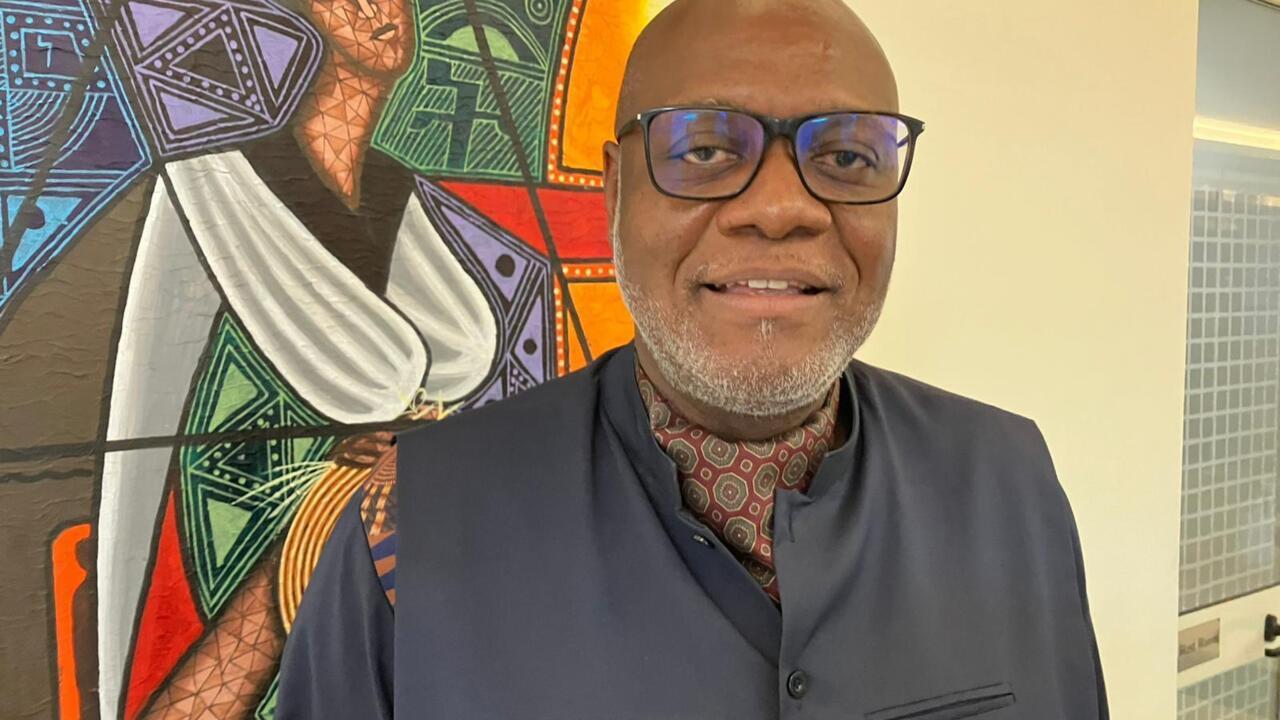
Invité Afrique Midi «It is unacceptable for coup plotters to be democratically elected» Listen – 05:45 The 39th African Union summit concluded with a bold declaration: to “silence the guns” and end unconstitutional power grabs. But can this stance hold? Prominent Cameroonian researcher Paul-Simon Handy, Regional Director for the Institute for Security Studies (ISS) in East Africa, who attended the Addis Ababa gathering, joins Africa Midi to dissect the continent’s shifting political landscape. The 39th African Union summit in Addis Ababa wrapped up with a firm commitment to eradicate unconstitutional…

Read More

Powering care: solar energy transforms niafounké hospital in Mali

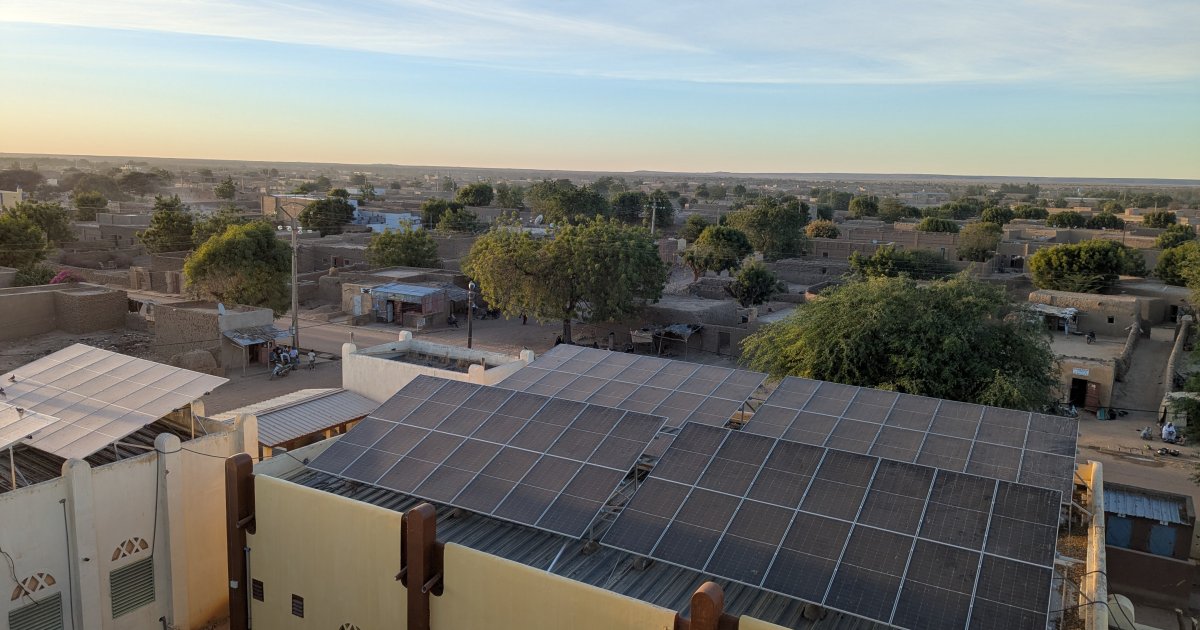
i Vue des panneaux solaires installés par MSF à l’hôpital de Niafunké, dans le nord du Mali. © Lamine Keita solar energy revolutionizes healthcare in niafounké, northern Mali In Mali’s Timbuktu region, Médecins Sans Frontières (MSF) has recently equipped the Niafounké hospital with a cutting-edge solar panel installation. This vital energy transition strengthens the hospital’s operational autonomy and ensures more consistent healthcare delivery in a remote area grappling with persistent insecurity. Previously, the hospital relied almost entirely on a diesel-powered thermal plant, which was prone to frequent power outages. To…

Read More

Mali’s anti-corruption efforts: a deeper look into its latest transparency international ranking

Deux personnes échangent des billets de Banque à Bamako, le 27 octobre 2023 📷 Studio Tamani/Fondation Hirondelle Mali has experienced a setback in the 2025 Transparency International Corruption Perception Index (CPI). The West African nation slipped from the 135th position to 136th globally, now finding itself behind regional allies Niger and Burkina Faso, members of the AES confederation. The Corruption Perception Index is a crucial tool for evaluating countries’ efforts in combating corruption. In 2025, a total of 182 nations were assessed. Mali, scoring 28 out of 100, landed at…

Read More

Us strategy shifts focus to Sahel trade and security ties

The recent visit of Nick Checker, head of the U.S. State Department’s African Affairs Bureau, to Mali signals a renewed Washington presence in the Sahel. However, this engagement comes with a strategic pivot—three core priorities now guide American policy in the region: a stronger economic focus on trade, particularly in minerals; a recalibrated security approach that reduces permanent military deployments; and a shift away from broad humanitarian aid toward targeted economic and security partnerships. Expert analysis: insights from Dr. Gnaka Lagoke Driving forces behind U.S. policy in West Africa DW:…

Read More

Military juntas in west africa and Sahel escalate repression

In West Africa and the Sahel, military juntas have escalated their crackdown on freedoms while consolidating power throughout 2025, according to recent findings. Civilian populations and critical infrastructure have borne the brunt of repeated attacks by both Islamist armed groups and government forces, alongside their allies. Click to expand Image authoritarian trends threaten regional stability Human Rights Watch has highlighted a disturbing pattern of repression across West Africa and the Sahel. Military juntas in countries like the Burkina Faso, Mali, Niger, and Chad have systematically weakened democratic institutions, silenced dissent,…

Read More

Niger’s human rights crisis in 2025 under military rule

Since the military coup in July 2023, Niger has witnessed a sharp decline in human rights, with authorities intensifying repression against political opponents, dissidents, union leaders, and journalists. Arbitrary detentions remain rampant, including that of former President Mohamed Bazoum and his wife, former government officials, journalists, and human rights activists. These individuals are held incommunicado, with no access to legal counsel or family visits. The security situation has deteriorated further as Niger continues to battle multiple Islamist armed groups, including the Islamic State in the Sahel (EIS), the Support Group…

Read More

Challenges of free movement for AES countries after CEDEAO exit

challenges of free movement for AES countries after CEDEAO exit The withdrawal of Mali, Burkina Faso, and Niger from the Economic Community of West African States (ECOWAS)—intended as a move toward greater sovereignty—has created significant hurdles for free movement of people and goods within the Alliance of Sahel States (AES). Travel documentation, such as passports, national IDs, and driver’s licenses, has become a major obstacle for citizens of the AES seeking to move within the broader ECOWAS region. Even among AES member states, challenges persist in ensuring smooth cross-border travel.…

Read More

US maintains security ties with west african junta-led states

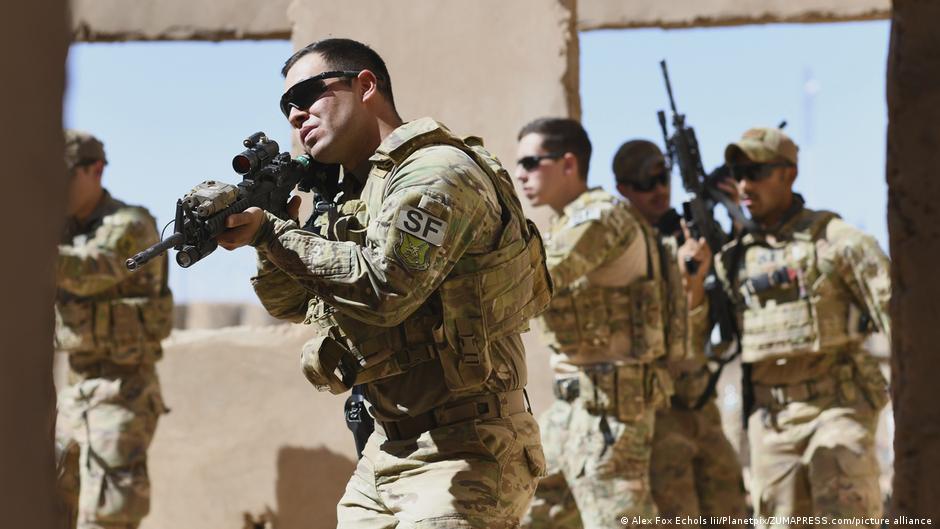
The United States continues to engage in security cooperation with the military-led governments of Burkina Faso, Mali, and Niger—nations governed by juntas that came to power through coups. This strategic alignment was confirmed by General John Brennan, Deputy Commander of U.S. Africa Command (AFRICOM). “We are still collaborating. In fact, we have shared intelligence with some of these governments to target key terrorist cells, though the landscape has shifted dramatically compared to just two or three years ago”, Brennan stated. “Our goal is to work with them to clarify our…

Read More

Vaccin r21/matrix-m transforms malaria prevention in Mali

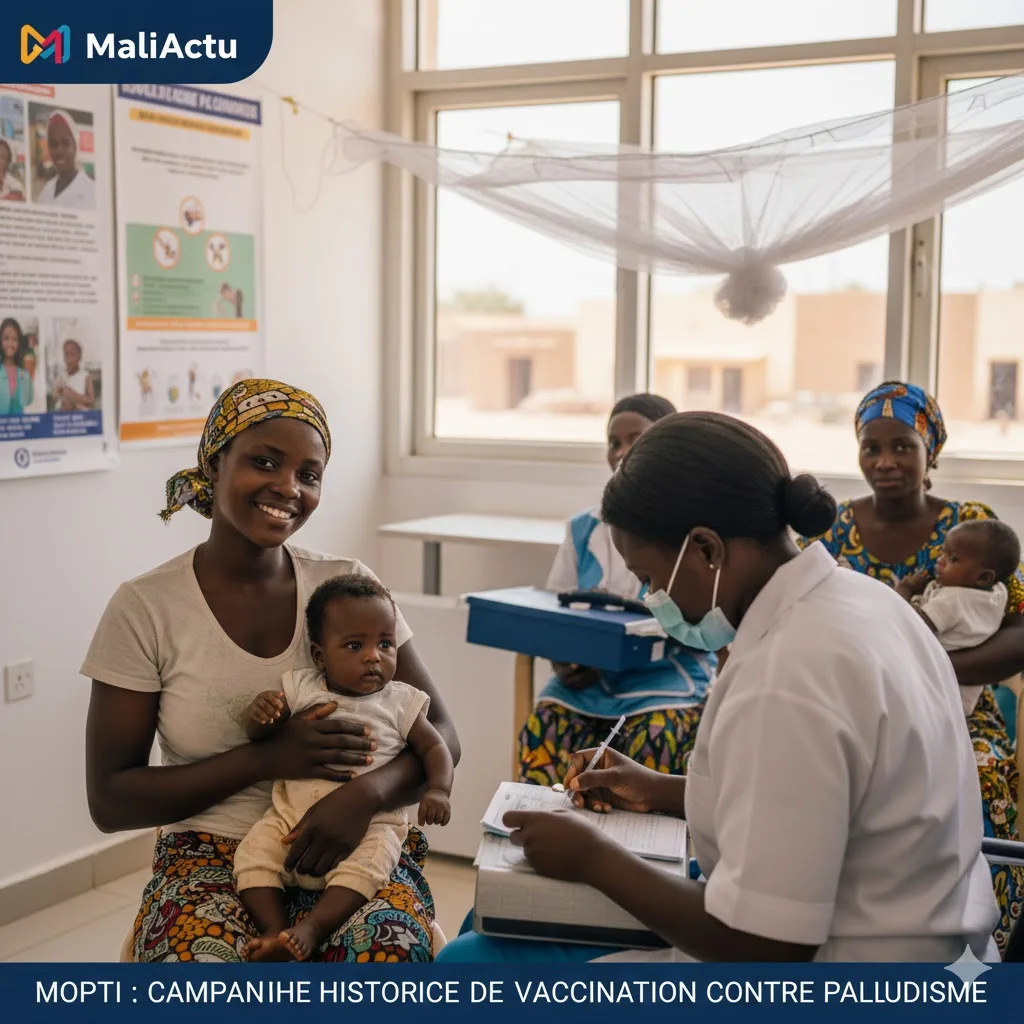
The Republic of Mali is making significant strides in its fight against malaria with the introduction of the R21/Matrix-M vaccine, endorsed by the World Health Organization (WHO). In the regions of Kayes and Mopti, health authorities are implementing an innovative hybrid vaccination strategy that combines precise timing with targeted delivery to shield thousands of Malian children from this deadly disease. Under the guidance of the WHO, Gavi, and UNICEF, Mali has integrated the R21/Matrix-M malaria vaccine into its Expanded Programme on Immunization (EPI). This groundbreaking initiative focuses on 19 high-risk…

Read More

Brussels hosts powerful photo exhibition on the humanitarian emergency in Mali

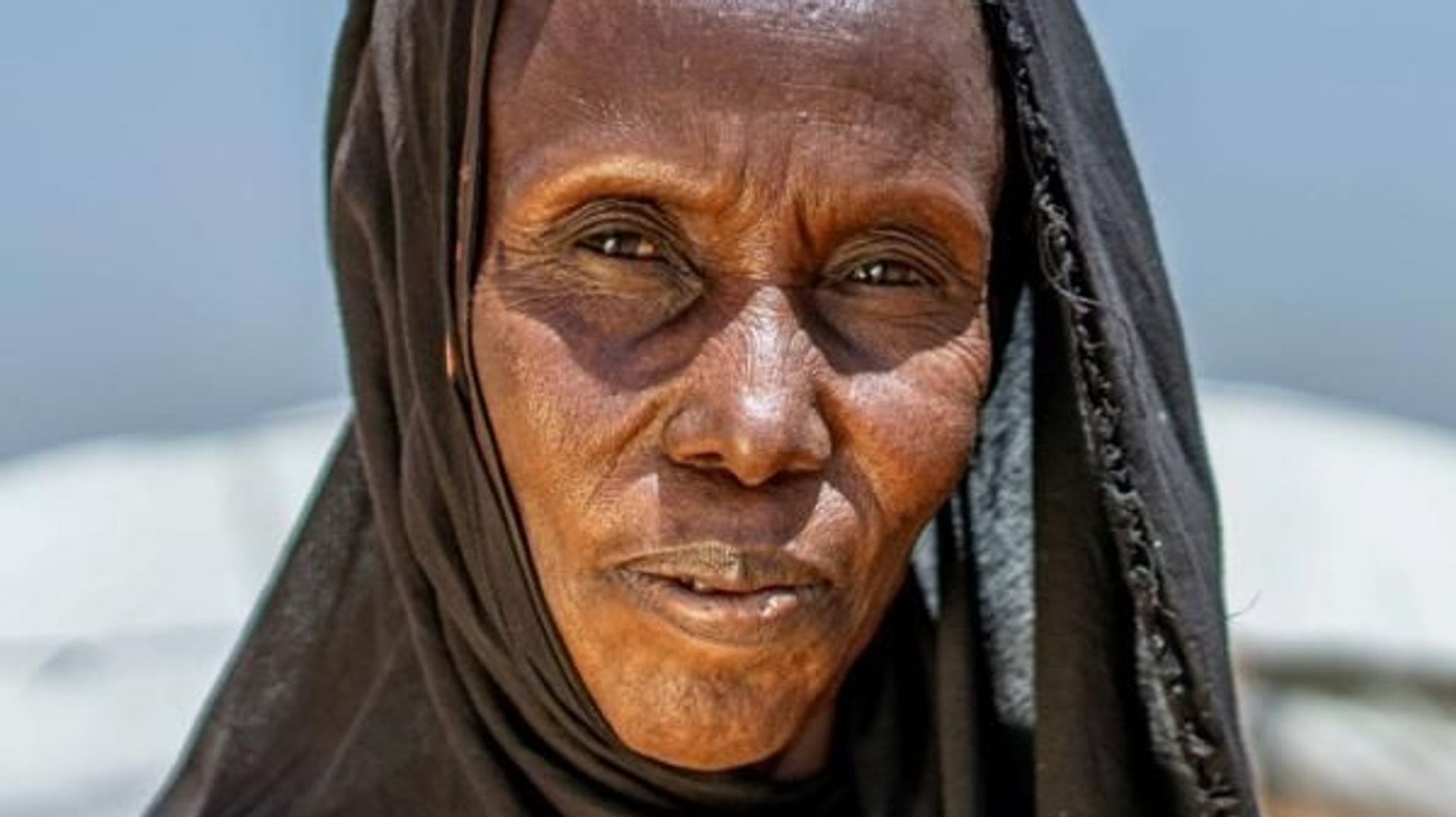
From 23 January to 12 February, the Halles Saint-Géry in Bruxelles will serve as the venue for a poignant photographic journey into the heart of the Mali humanitarian emergency. The exhibition, titled “In Their Eyes,” is designed to raise awareness about a situation that currently impacts more than 6.4 million individuals across the country. A collaborative effort to highlight the crisis This initiative is a joint production by several major organisations, including Médecins du Monde, Action contre la Faim, the Norwegian Refugee Council, the Danish Refugee Council, International Medical Corps,…

Read More

Mali bans jeune afrique magazine: union of african press journalists condemns censorship

In a bold move that has sparked widespread concern, the Union of African Free Press Journalists (UAFPJ) has vehemently denounced the Malian authorities’ decision to prohibit the sale and distribution of the renowned Jeune Afrique magazine across the country. The organization views this restriction as a severe violation of press freedom, freedom of expression, and the Malians’ fundamental right to access independent, balanced, and unbiased information. Jeune Afrique, a long-standing pan-African publication, has played a pivotal role in fostering democratic discourse and providing insightful analysis on the continent’s political, economic,…

Read More

West africa hunger crisis escalates amid funding cuts and violence

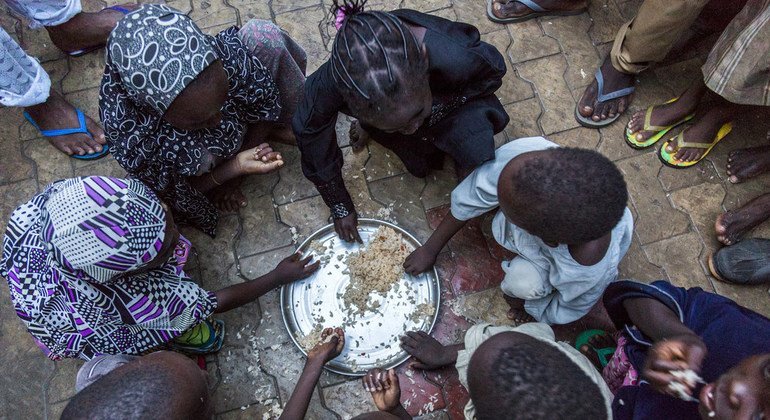
Millions in West and Central Africa face severe food shortages Violent conflicts and drastic budget cuts are pushing millions of people in West and Central Africa toward a catastrophic food crisis. The World Food Programme (WFP) warns that 55 million people, including 13 million children, are at risk of severe starvation this summer. Without immediate action, the situation could escalate into a full-blown humanitarian disaster. In a recent assessment, the WFP reveals that over three million people in the region are expected to face emergency-level food insecurity (IPC Phase 4)…

Read More