Sénégal politics: Faye-Sonko rift shouldn’t mask accountability gaps
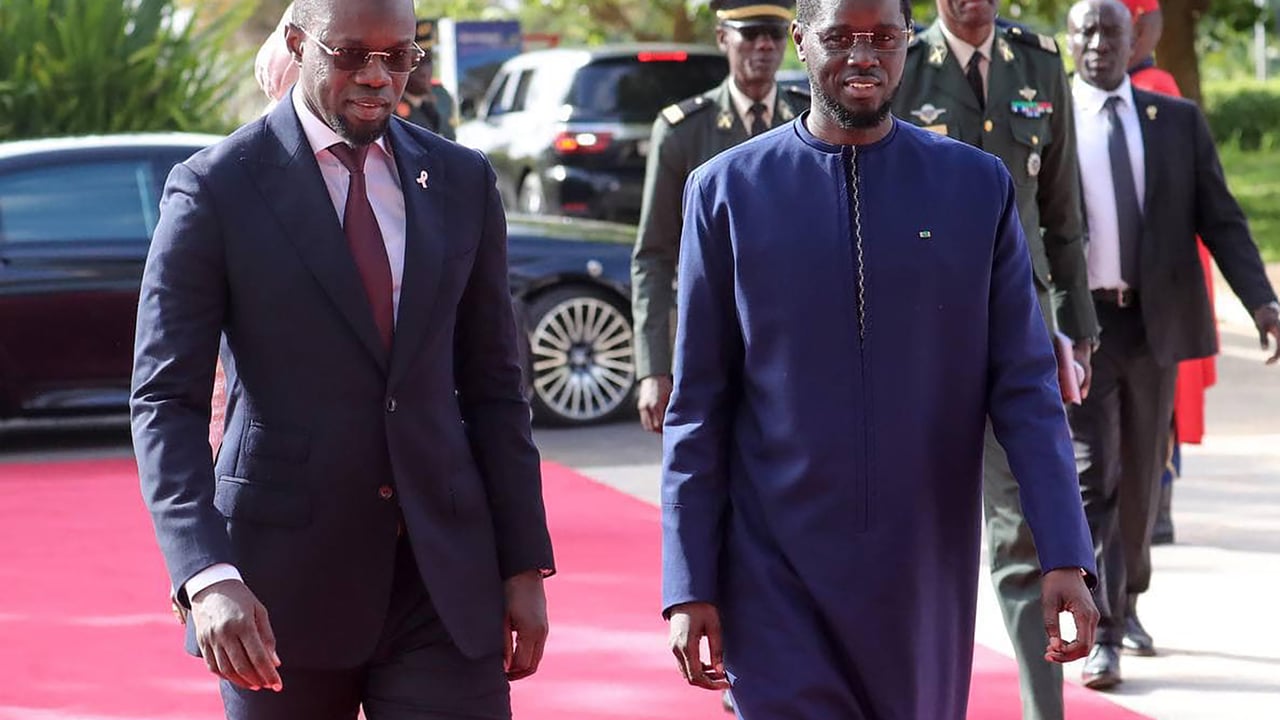
Their alliance was meant to safeguard the President’s position within the Superior Council of the Judiciary, despite the promised reforms. It was also forged to disregard calls for transparent leadership recruitment, which were explicitly outlined in their shared agenda. They vowed to repeal the amnesty law but left it unchanged in practice. Political funds were distributed without scrutiny, even though the reform to regulate them required only a parliamentary majority—one they secured months after taking office. Accountability under scrutiny The Assembly, a cornerstone of the Republic, deserves better than political…

Read More

Maroc’s pivotal role in french spy’s release in Mali

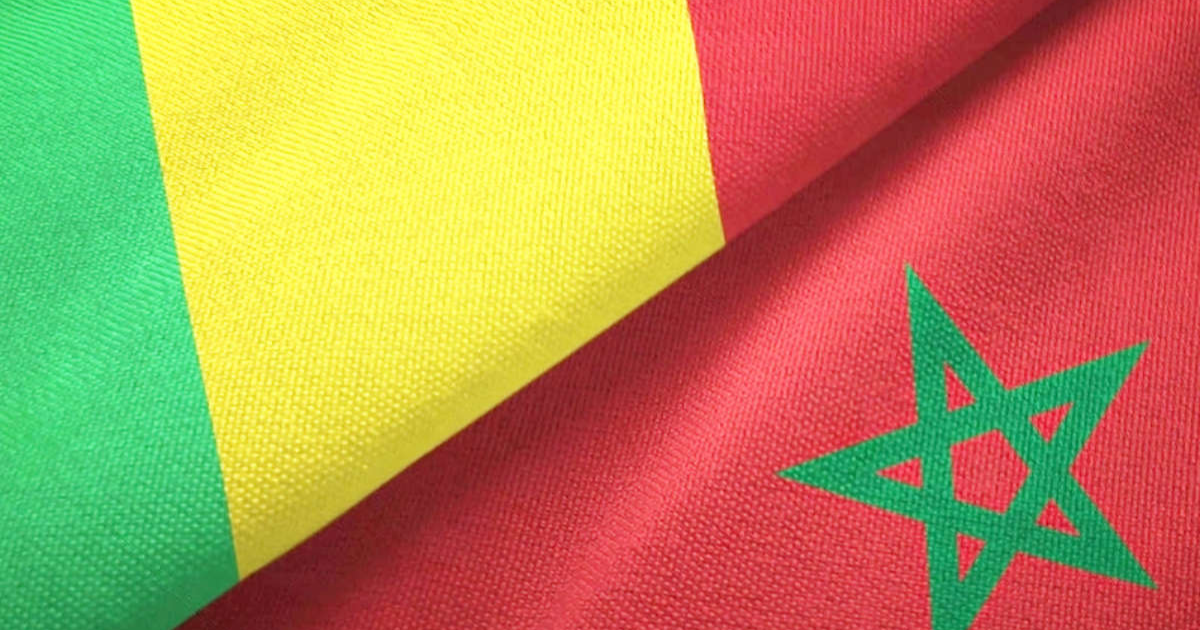
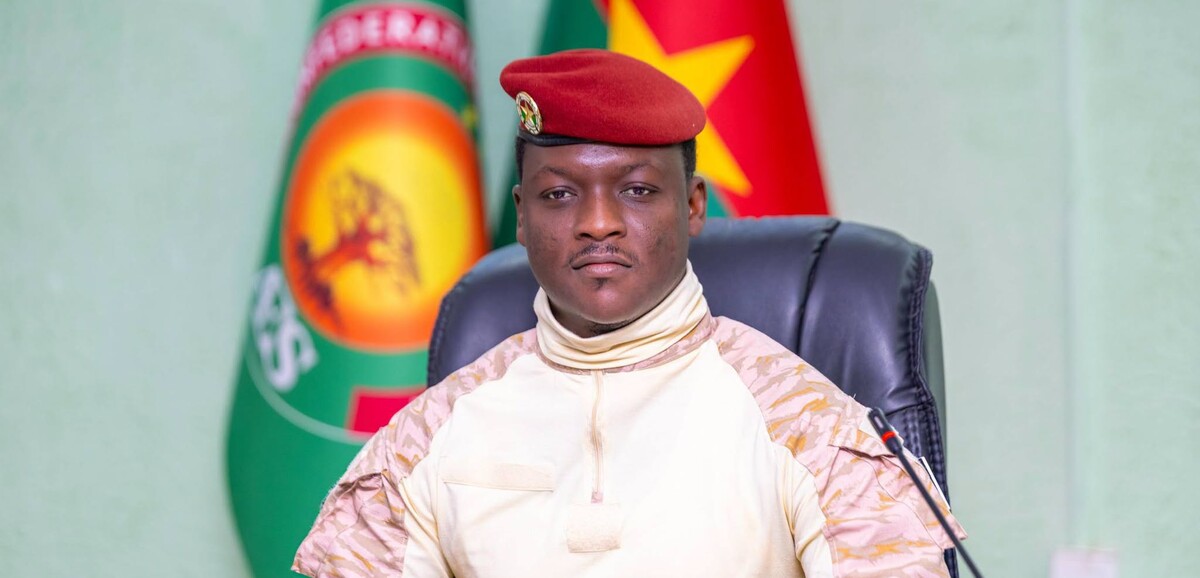
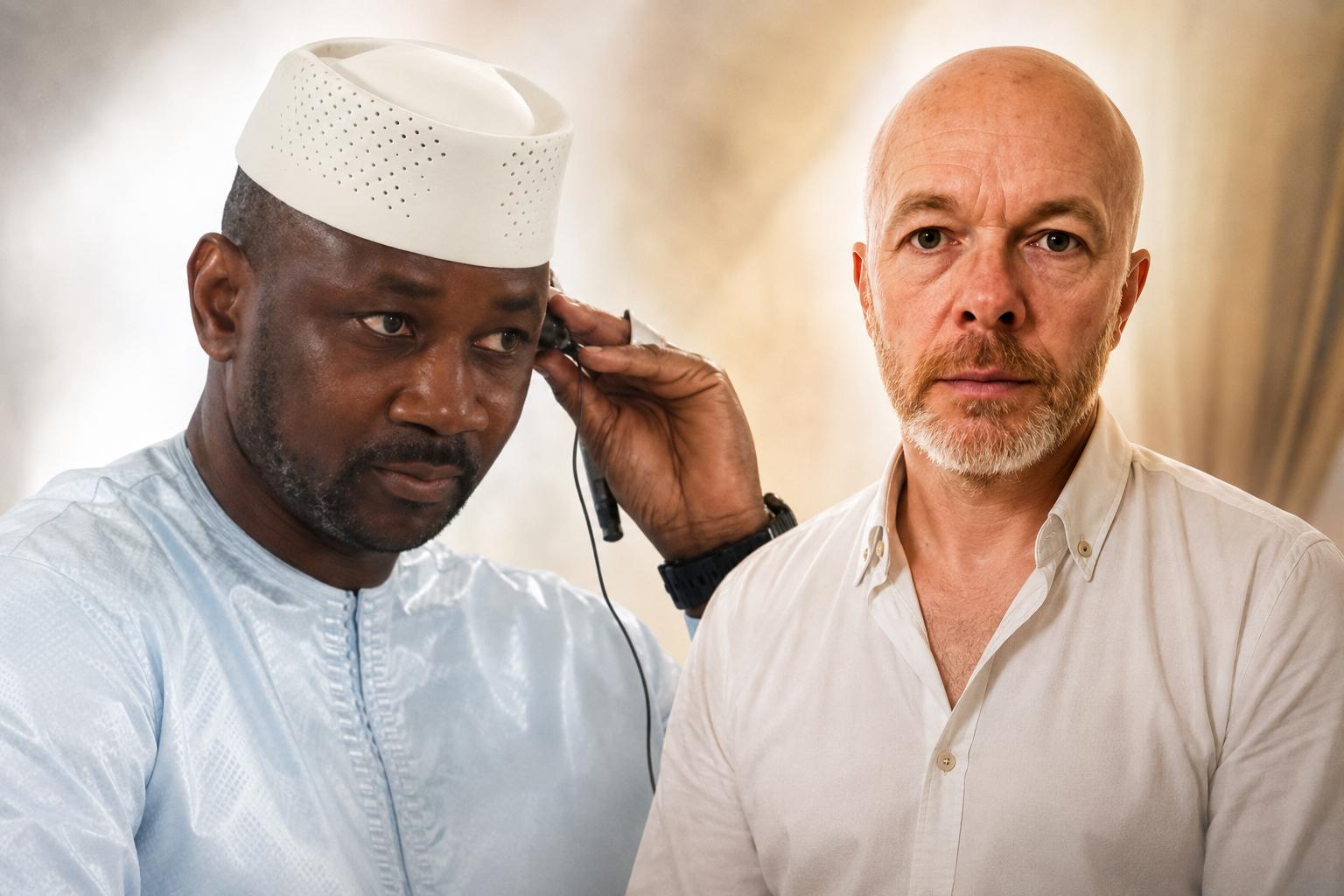
Morocco’s pivotal role in the release of a french spy in Mali In a remarkable display of diplomatic influence, Morocco has emerged as the linchpin in securing the release of Yann Vézilier, a French intelligence operative held in Mali for nearly a year. The breakthrough came when Malian President Assimi Goïta granted Vézilier a presidential pardon on August 13, 2026, allowing him to leave the country. Vézilier, a DGSE agent, had been detained since August 2025 and sentenced to 20 years in prison in June 2026 on charges of undermining…

Read More

Chad’s political pardon: a step towards reconciliation or strategic maneuver?

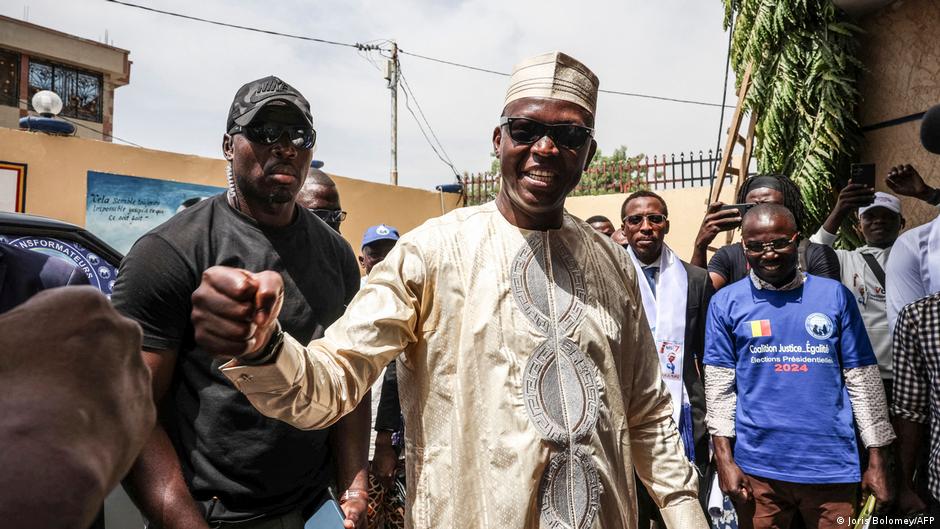
In a significant development for Chadian politics, President Mahamat Idriss Déby has issued a decree granting a full pardon to opposition figure and former Prime Minister, Succès Masra. Masra had been serving a 20-year prison sentence for over a year. This executive clemency not only applies to Masra but also extends to eight other prominent opposition leaders, completely nullifying their prison terms. While the government frames this action as a gesture aimed at fostering national appeasement, many political analysts and actors in Chad are adopting a cautious perspective. They often…

Read More

Burkina Faso: military training for 44 journalists stirs press freedom debate

In Burkina Faso, a group of 44 journalists recently concluded several days of military training focused on “patriotism.” This development has prompted Reporters Without Borders (RSF) to voice serious concerns, viewing it as another alarming indicator for press freedom in the nation. An extraordinary scene recently unfolded: Burkinabè journalists, clad in military fatigues, rifles in hand, standing at attention. For nearly a week, 44 media professionals from both public and private sectors participated in a specialized training program. This initiative, spearheaded by the Ministry of Security, took place at the…

Read More

Tchad presidential pardon of opponents sparks political debate

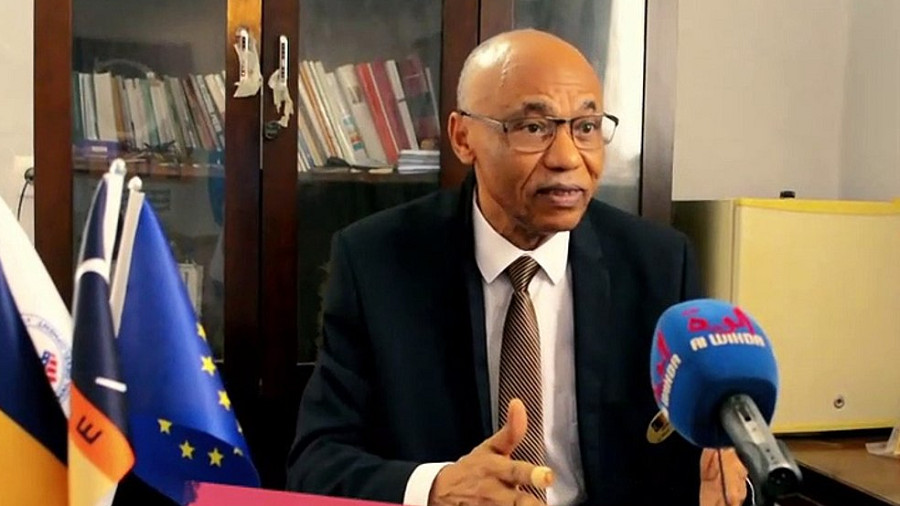
The recent presidential pardon granted to prominent opposition figures in Chad represents a significant political gesture, according to conflict management expert Dr. Ahmat Yacoub Dabio. As head of the Centre for Development Studies and Extremism Prevention, he views this move as a temporary relief valve, easing tensions and creating space for political détente. Yet the analyst cautions against conflating clemency with lasting political reconciliation. The core challenge remains establishing the conditions for sustainable easing of hostilities. This urgency is compounded by the continued ineligibility of several key opposition leaders, a…

Read More

Senegal politics: the last two real opposition leaders still active on the ground

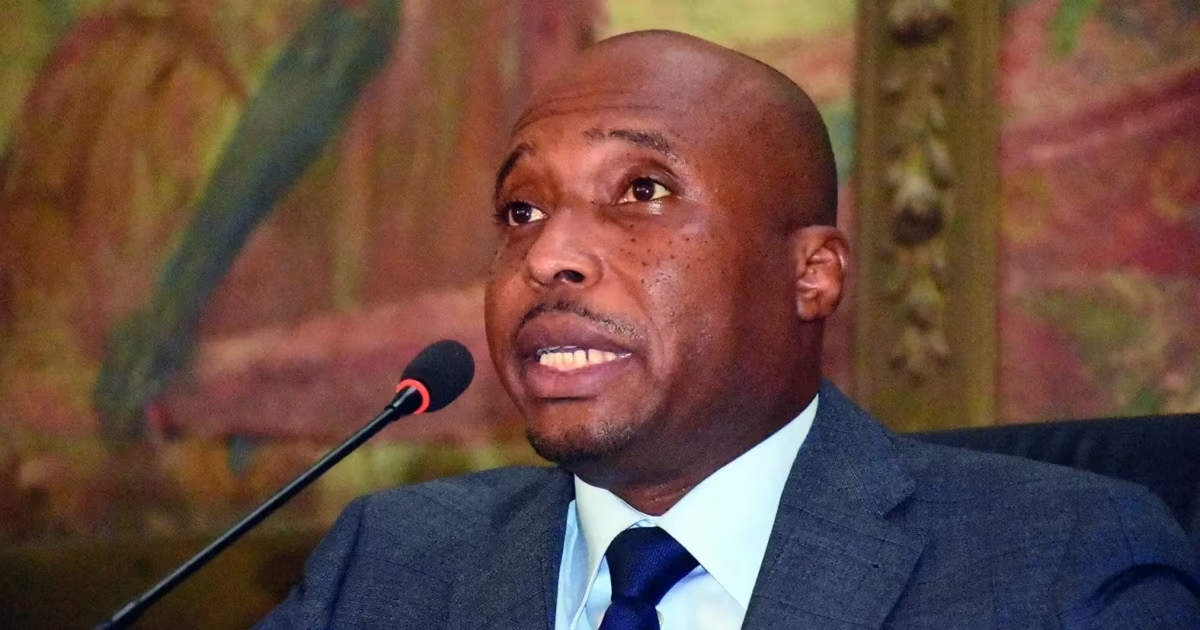
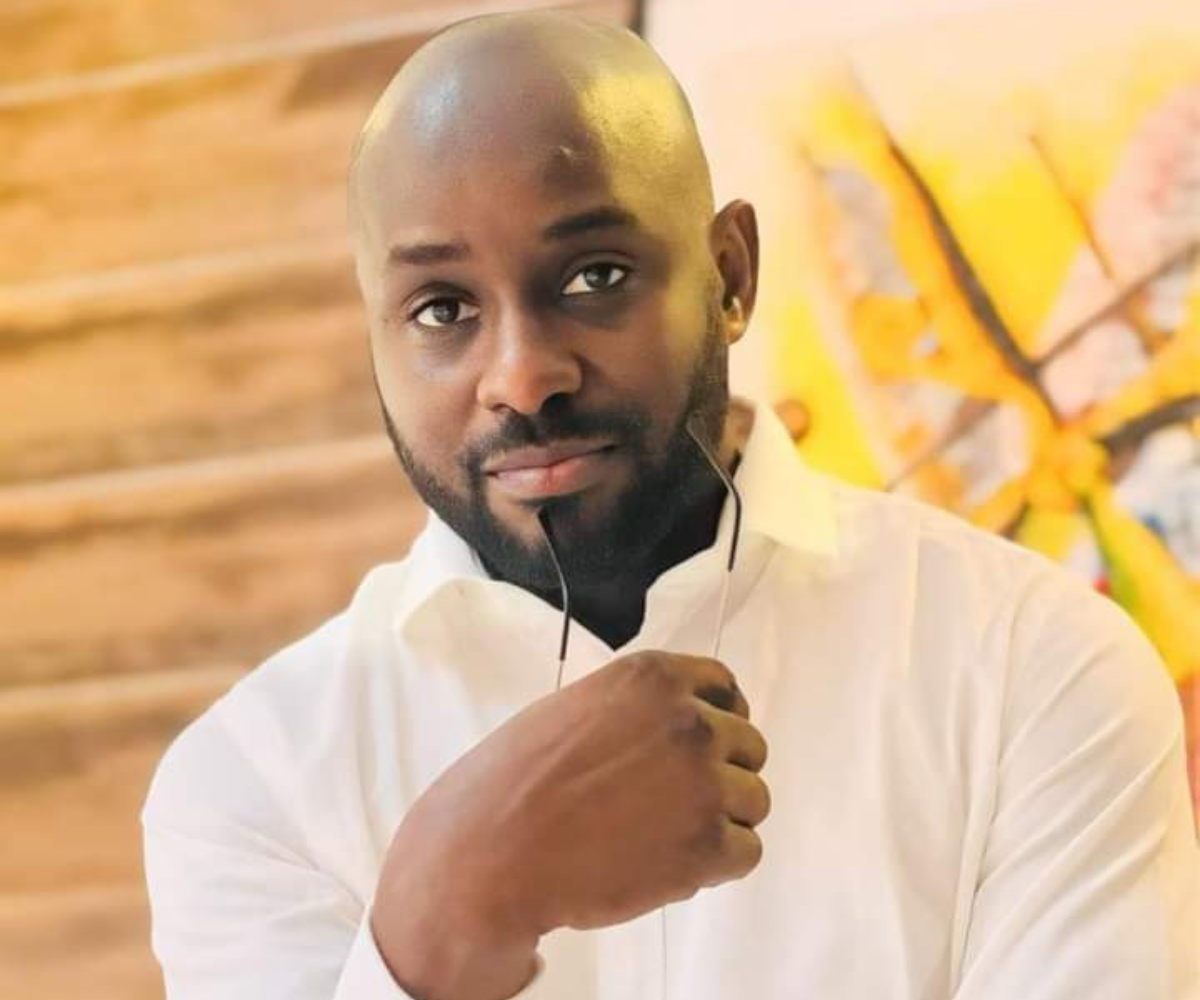
In Senegal’s political landscape, where most opposition figures remain confined to Dakar’s meeting rooms, two leaders stand out for their relentless grassroots engagement. Barthélémy Dias, former Dakar mayor, and Maguette Sène have become the rare voices investing time and energy beyond the capital’s elite circles. Their approach contrasts sharply with other opposition figures—particularly those aligned with the Front for the Defense of the Republic and Democracy (FDR)—who focus primarily on issuing statements or organizing formal meetings. While these groups debate electoral processes or internal party disputes, Dias and Sène are…

Read More

Chadian opposition leaders granted clemency but remain ineligible

President Mahamat Idriss Déby’s recent clemency decree has sparked both praise and criticism across Chad’s political landscape. While the move has been welcomed by some, it has also exposed deep divisions within the opposition and civil society. Among those released is former Prime Minister Succès Masra, who had been serving a 20-year prison sentence for incitement to insurrection. His release, along with eight other opposition leaders affiliated with the GCAP coalition, marks a significant shift in the government’s approach to political dissent. However, the clemency does not erase their criminal…

Read More

Congo democratic republic president Tshisekedi responds to opposition pressure over referendum plans

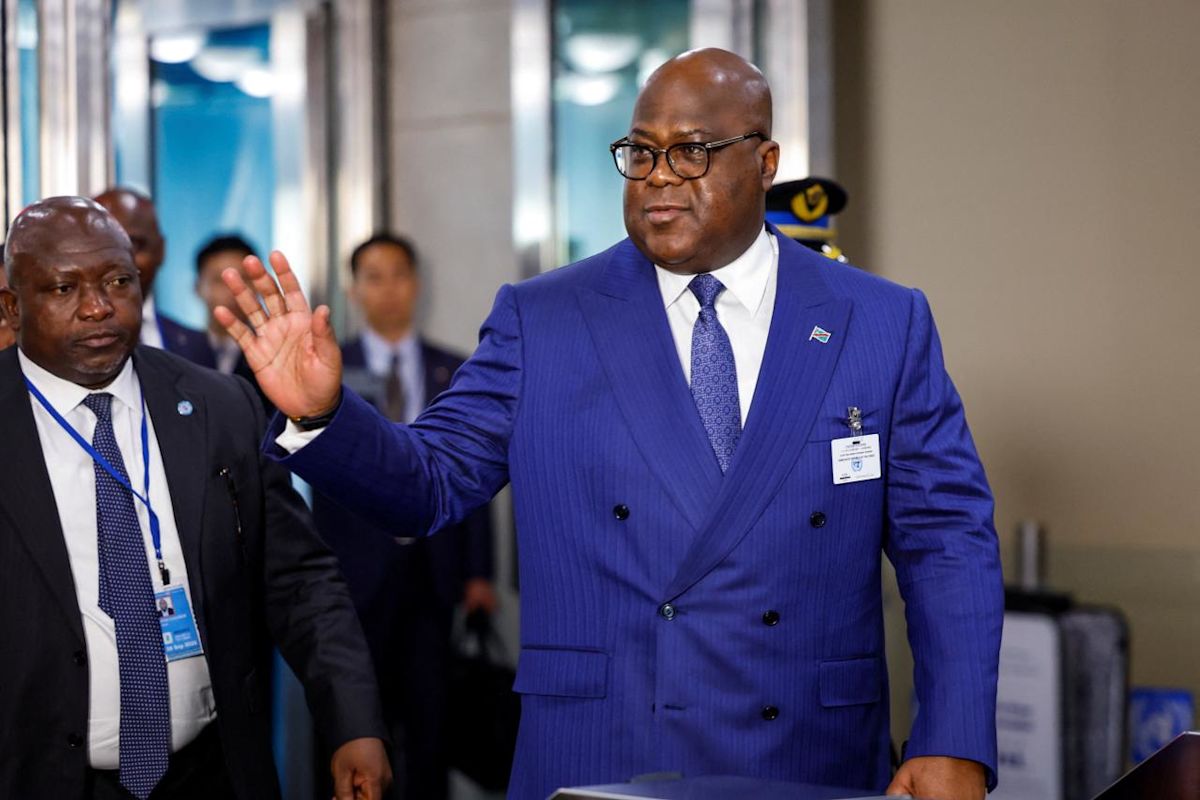
Democratic Republic of the Congo: president Tshisekedi backs down amid opposition outrage On August 13, faced with mounting pressure from the Article 64 Coalition (C64)—a united front of major opposition parties launched in May—President Félix Tshisekedi requested a parliamentary review of the draft law outlining conditions for a constitutional referendum. The coalition, which includes prominent figures like Moïse Katumbi, has long accused the government of using the reform to enable the president to seek a third term, a move prohibited by the 2006 Constitution. The previous day, Kinshasa witnessed a…

Read More

Oicha general hospital in Nord-Kivu receives vital ambulance for emergency care

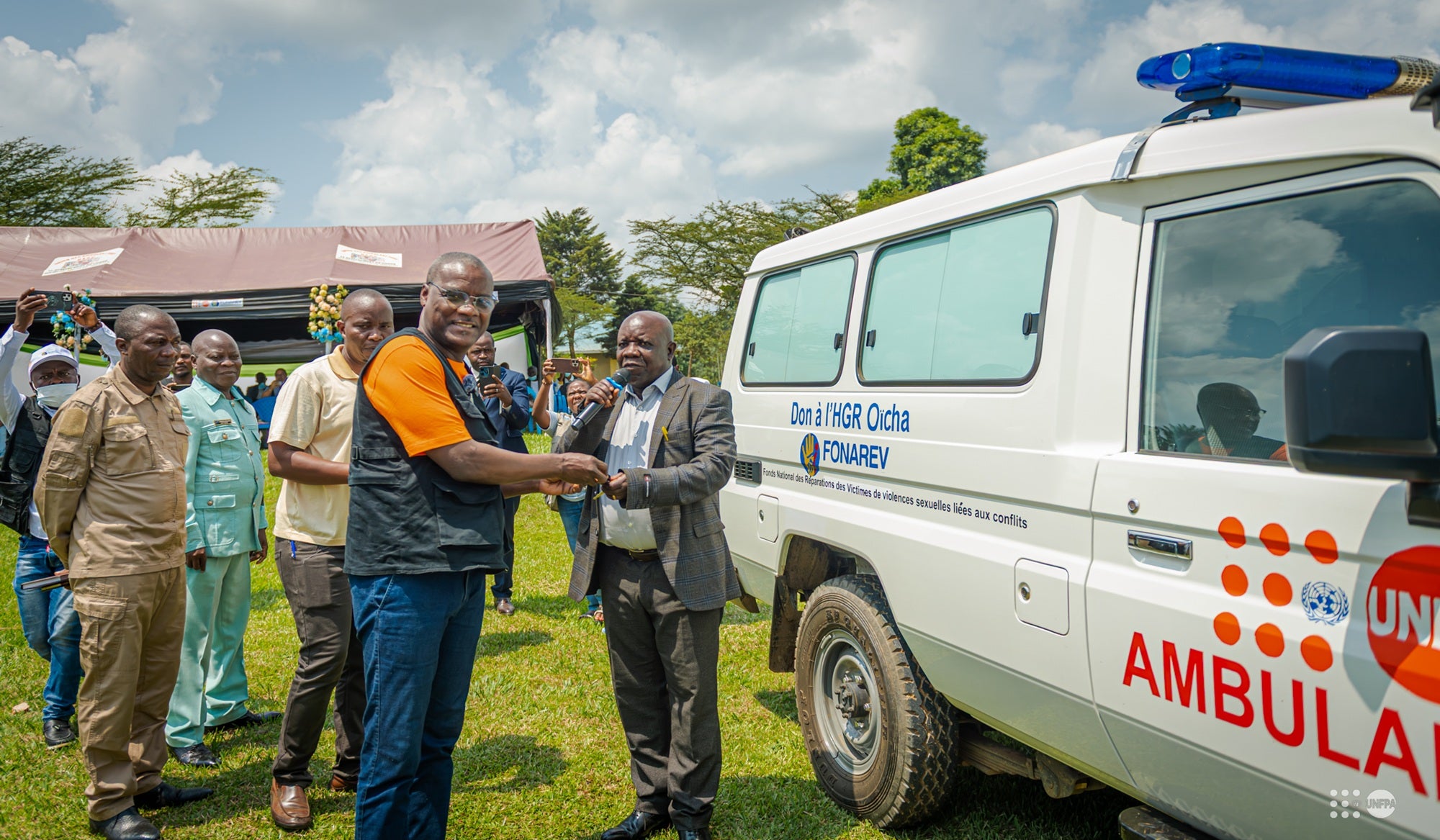
Alain Akpadji, the UNFPA Representative, recently delivered a fully equipped, medicalized ambulance to the Oicha General Reference Hospital. Specifically designated for the maternity and obstetrics department, this crucial vehicle will ensure the swift and free transfer of medical emergencies to appropriate healthcare facilities. This life-saving transport primarily benefits pregnant women experiencing complications, survivors of sexual violence, critically ill children, and those wounded in conflict. Previously, the lack of suitable medical transportation often turned patient transfers into a perilous, frequently fatal ordeal. The provision of this ambulance aligns directly with the…

Read More

Mali’s presidential pardon: unveiling the hidden deal behind Yann Vézilier’s release

From conviction to clemency: the staged justice behind Yann Vézilier’s case In a carefully orchestrated political performance, Malian authorities have transformed the fate of Yann Vézilier, a French intelligence officer detained in Bamako, into a high-stakes diplomatic maneuver. After a year behind bars and a 20-year prison sentence handed down in June for alleged “attempted destabilization,” the general in charge of the transition has now granted him a presidential pardon. Yet this act of clemency is far more than a gesture of benevolence—it is the final act of a meticulously…

Read More

Senegal’s political tensions escalate over disputed assets

A new political standoff in Senegal centers on asset disputes Political tensions in Senegal have reached a critical point as a fresh dispute over state-owned assets threatens to deepen divisions between government leaders. At the heart of the controversy lies a disagreement over the management and allocation of valuable national properties, with President Bassirou Diomaye Faye and Prime Minister Ousmane Sonko locked in a sharp disagreement. Escalating disagreements over national assets The conflict centers on a series of high-value properties whose ownership and control have become a point of contention.…

Read More

Cameroon president Paul Biya’s prolonged swiss retreat fuels uncertainty

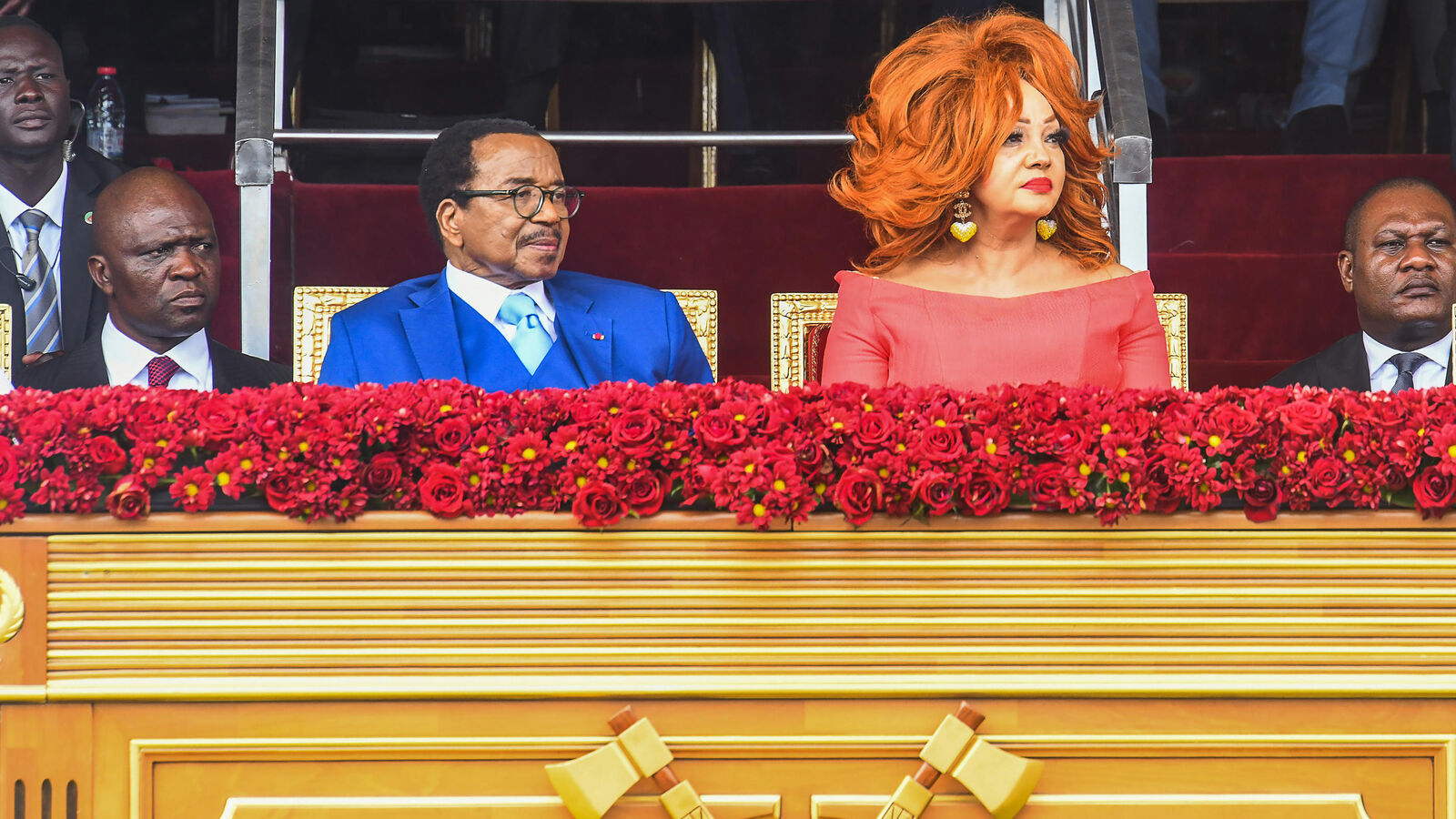
Cameroon president Paul Biya’s prolonged Swiss retreat fuels uncertainty Switzerland emerges as the de facto center of power as Paul Biya marks over 65 days away from Cameroon, sparking concerns and opposition criticism. Geneva’s quiet streets have become an unlikely backdrop for Cameroon’s political drama. For more than two months, President Paul Biya—Cameroon’s leader for 43 years—has remained in Switzerland, raising questions about his health and the country’s governance. His absence, now surpassing 65 days, marks an unprecedented chapter in a presidency that has long operated behind closed doors. The…

Read More