Geopolitical tensions in west africa after Niamey airport attack
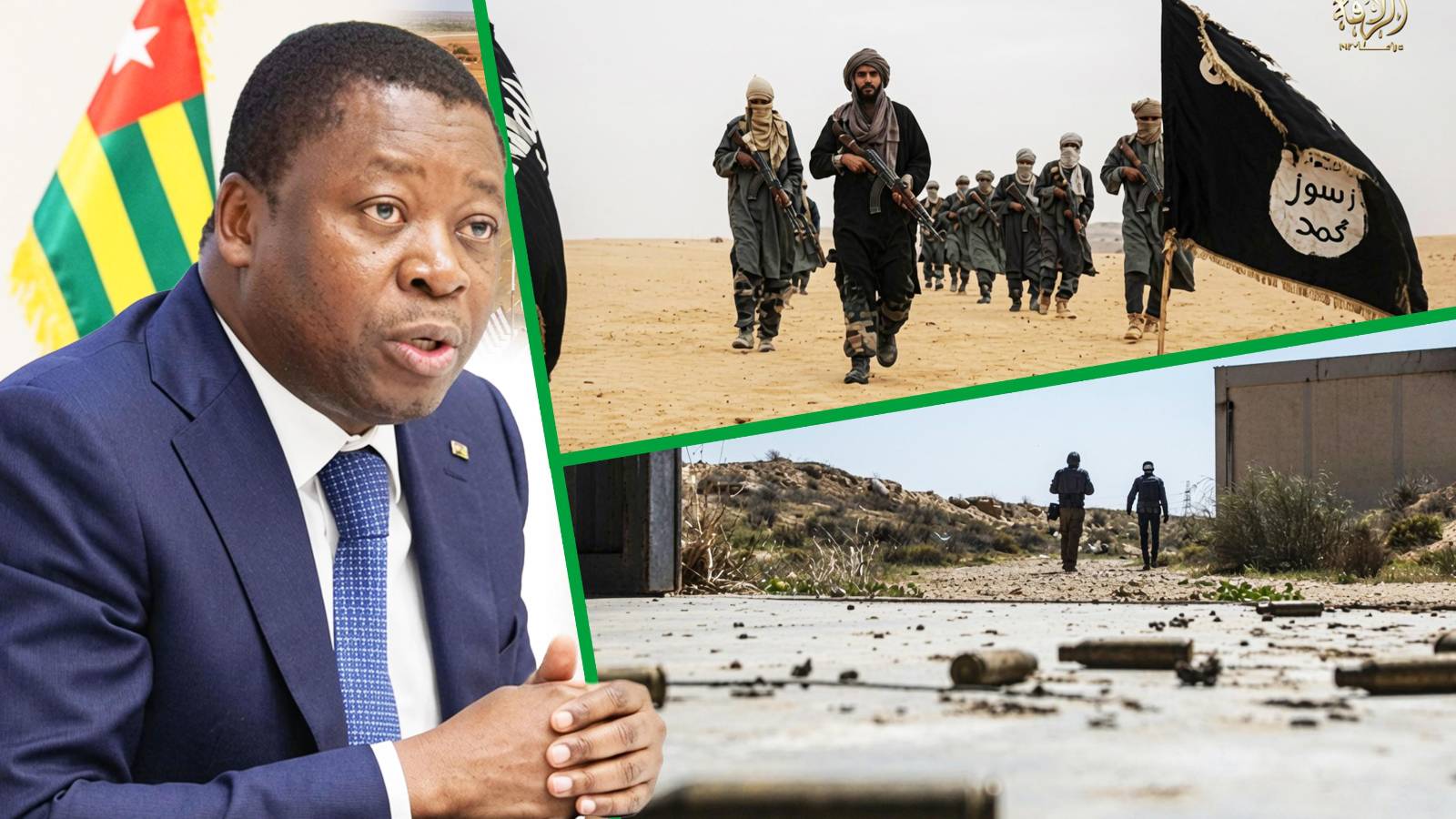
An unprecedented act of violence unfolded on June 18, 2026, in Niamey, sending shockwaves through West Africa. As diplomatic negotiations between Benin and Niger approached a critical phase regarding border reopening, the assault on Niamey International Airport abruptly derailed diplomatic momentum. Analysts now suspect the incident may be linked to deeper economic rivalries, with allegations pointing toward an orchestrated move by external actors. A suspected proxy operation Investigations into the attack indicate that the Group for Support of Islam and Muslims (JNIM) may have executed the operation. However, the precision…

Read More

Bénin secures 12.5 billion FCFA from Islamic Development Bank for agricultural financing

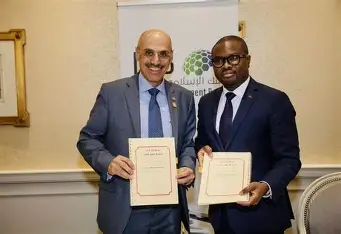
The Republic of Bénin has taken a decisive step toward reinforcing its agricultural sovereignty by securing a substantial financial commitment from the Islamic Development Bank (IDB). The newly approved funding, amounting to 12.57 billion FCFA, will be allocated to modernizing the nation’s agricultural sector, with a primary focus on restoring soil fertility—a challenge exacerbated by the intensifying impacts of climate change. Strategic financial diversification to bolster agricultural resilience Beyond the sheer financial scale of this initiative, the decision to engage the IDB reflects a deliberate shift in Bénin’s fiscal and…

Read More

Burkina Faso’s security challenges intensify as jnim targets ouahigouya

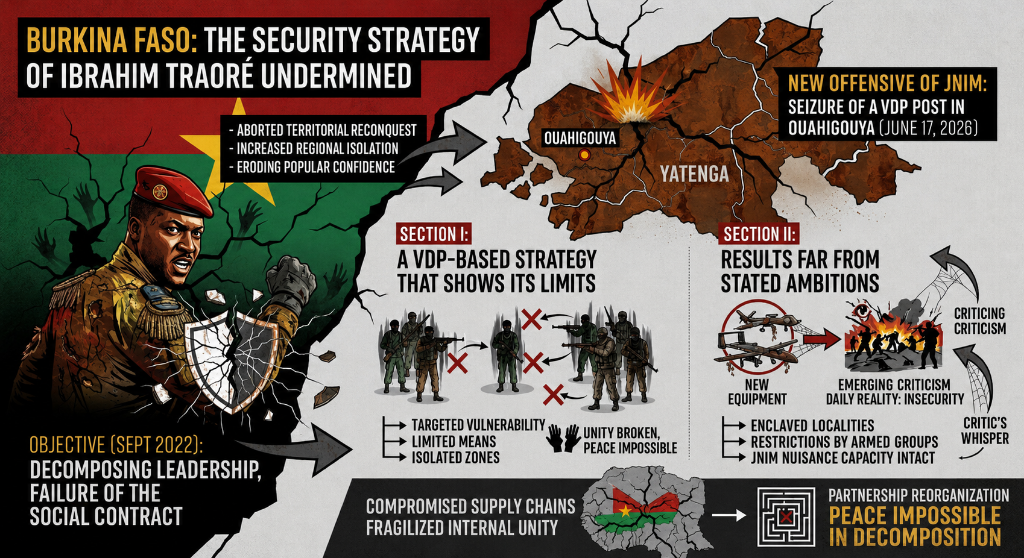
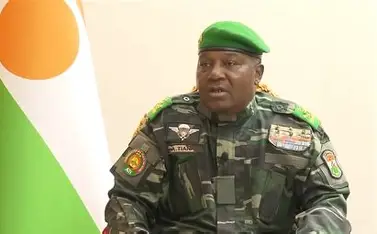
The security landscape across Burkina Faso continues its concerning trajectory of deterioration. The Jama’at Nusrat al-Islam wal Muslimeen (JNIM), an entity aligned with Al-Qaeda in the Sahelian region, has asserted responsibility for an assault on June 17, 2026, which resulted in the capture of a position held by the Volunteers for the Defense of the Homeland (VDP) within the Ouahigouya area, the principal urban center of Yatenga province in the country’s northern reaches. This latest offensive represents an additional setback for the transitional government’s stated strategy of territorial reclamation. Captain…

Read More

Burkina Faso’s communication council levies fine against Canal+ amidst sovereignty debate

The Superior Council of Communication (CSC) has imposed a penalty of 50 million FCFA on Canal+ for its decision to cut off access to Burkina Faso’s public television channels once certain customer subscriptions had expired. While framed as a measure to safeguard the nation’s informational sovereignty, this ruling has reignited discussions concerning its financial ramifications and the viability of the current operational framework. The assertion of informational sovereignty underscores the imperative for citizens to maintain uninterrupted access to state-owned media outlets. However, this stance prompts a fundamental inquiry: if such…

Read More

Unveiling the complexities of Burkina Faso’s Faso Mêbo agency: visible projects and accountability concerns

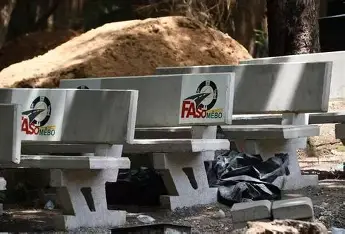
Established by the transitional authorities as a cornerstone of national rejuvenation and reclaimed sovereignty, the « Faso Mêbo » agency, initiated under the leadership of Captain Ibrahim Traoré, is now facing intense public inquiry. While the official narrative extols patriotism, collective endeavor, and tangible developments across numerous urban centers, a growing number of observers are highlighting concerns regarding opaque resource management and the allocation of public and citizen contributions. Despite governmental pronouncements emphasizing transparency and stringent oversight in project execution, various economic analysts and informed sources indicate significant financial irregularities,…

Read More

Ivory Coast extends cooperation to Mali and Burkina Faso amidst escalating terror threat

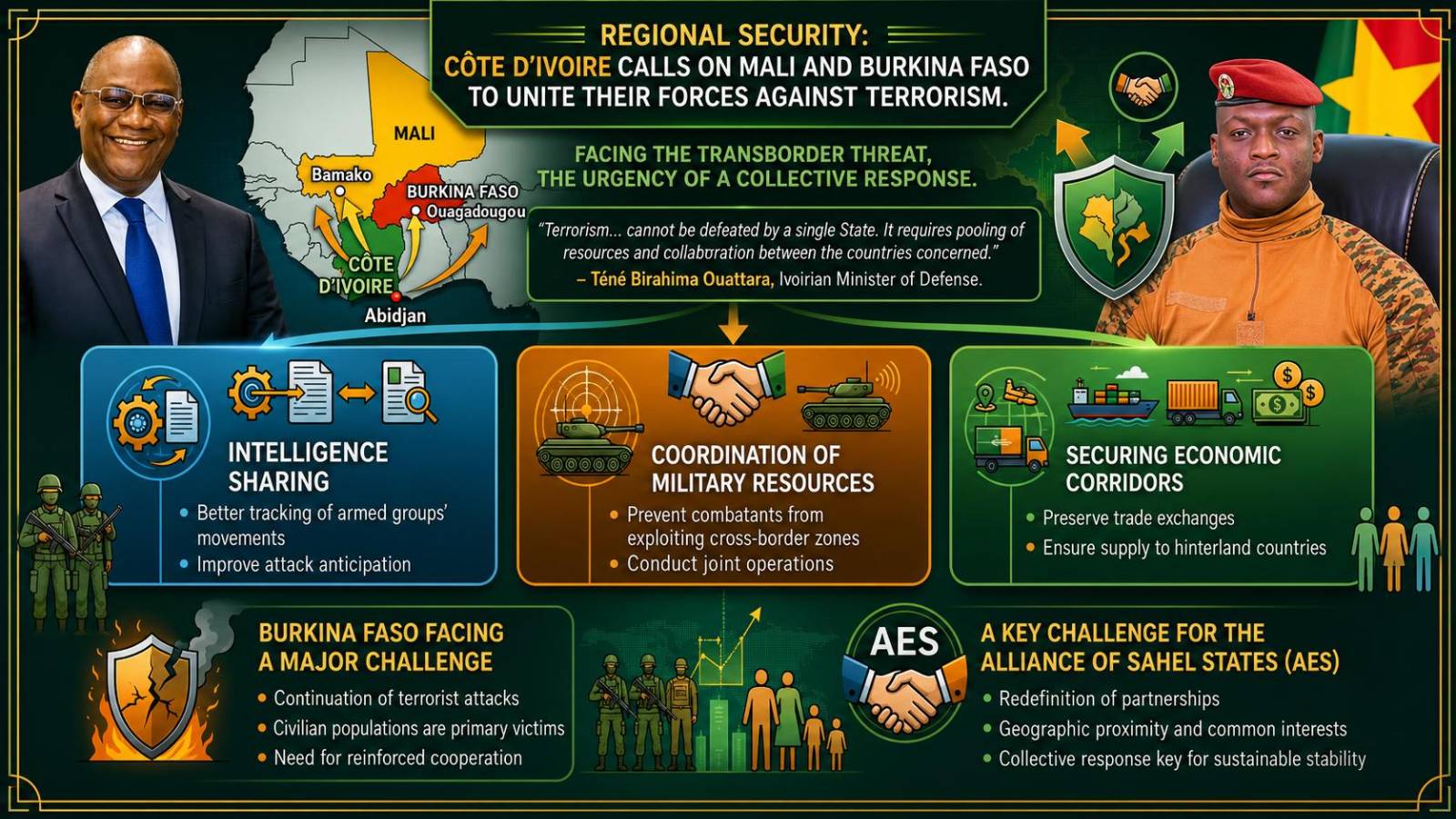
In the face of intensifying terrorist assaults across the Sahel region, Abidjan has unequivocally reaffirmed the critical need for a unified front. Given the pressing security imperative, Captain Ibrahim Traoré is urged to prioritize pragmatism and foster collaboration with the Ivorian state to effectively contain a menace that transcends national borders. Across West Africa, the moment has passed for diplomatic disagreements and ideological posturing; the paramount concern is now collective survival. As armed terrorist groups continue their relentless advance, inflicting profound sorrow upon the Sahel and imperiling coastal nations, Ivory…

Read More

Benin’s decisive action against skin lightening products for public health

The government of Bénin has initiated a direct offensive against the market for skin-lightening products. Effective May 5th, numerous creams, lotions, and other substances designed to lighten skin tone are officially prohibited from sale across the entire national territory. This robust measure targets a pervasive practice whose health consequences are increasingly alarming authorities. Halting the ‘tchatcho’ phenomenon In Bénin, the use of skin-lightening products, locally known as ‘tchatcho’, affects a significant portion of the population, irrespective of social standing. These items were previously readily available, from the bustling stalls of…

Read More

Togo: unconditional support for gnassingbé family raises public concern

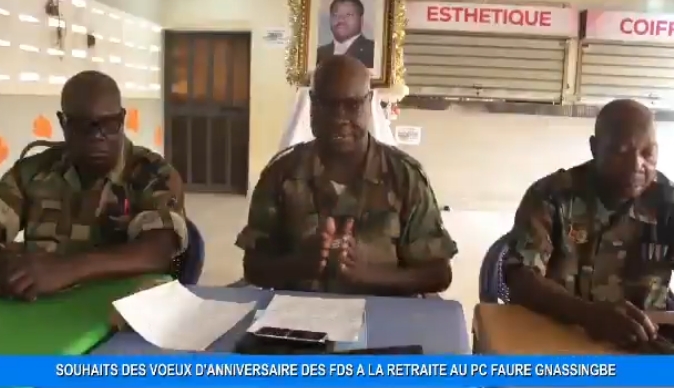
In a political climate marked by escalating polarization, recent declarations attributed to groups identified as loyalist militias or paramilitary elements have provoked strong reactions across Togolese civil society and opposition factions. Recordings and public appearances circulated on social media show individuals asserting their resolve to «defend the Gnassingbé family’s power to the death», even in the face of significant popular dissent. Such pronouncements, which abandon the republican duty of neutrality, reignite discussions concerning the safeguarding of the political sphere and the true nature of forces backing the current administration. Absolute…

Read More

Niger’s robust penal code: unprecedented sanctions target corruption

Niger has embarked on a significant legislative overhaul, introducing a revised penal code that marks a decisive shift in its anti-corruption strategy. This recently promulgated legislation establishes an unprecedented toughening of penalties for economic crimes and the misappropriation of public funds. Under the new provisions, public officials, state representatives, and intermediaries implicated in financial misconduct now face exceptionally severe sentences. These can range from lifelong incarceration to, in the most egregious circumstances, the imposition of the death penalty. Sanctions proportional to misappropriated sums A pivotal innovation within this reform is…

Read More

Benin’s strategic shift: conditional incentives to boost cotton output and agricultural autonomy

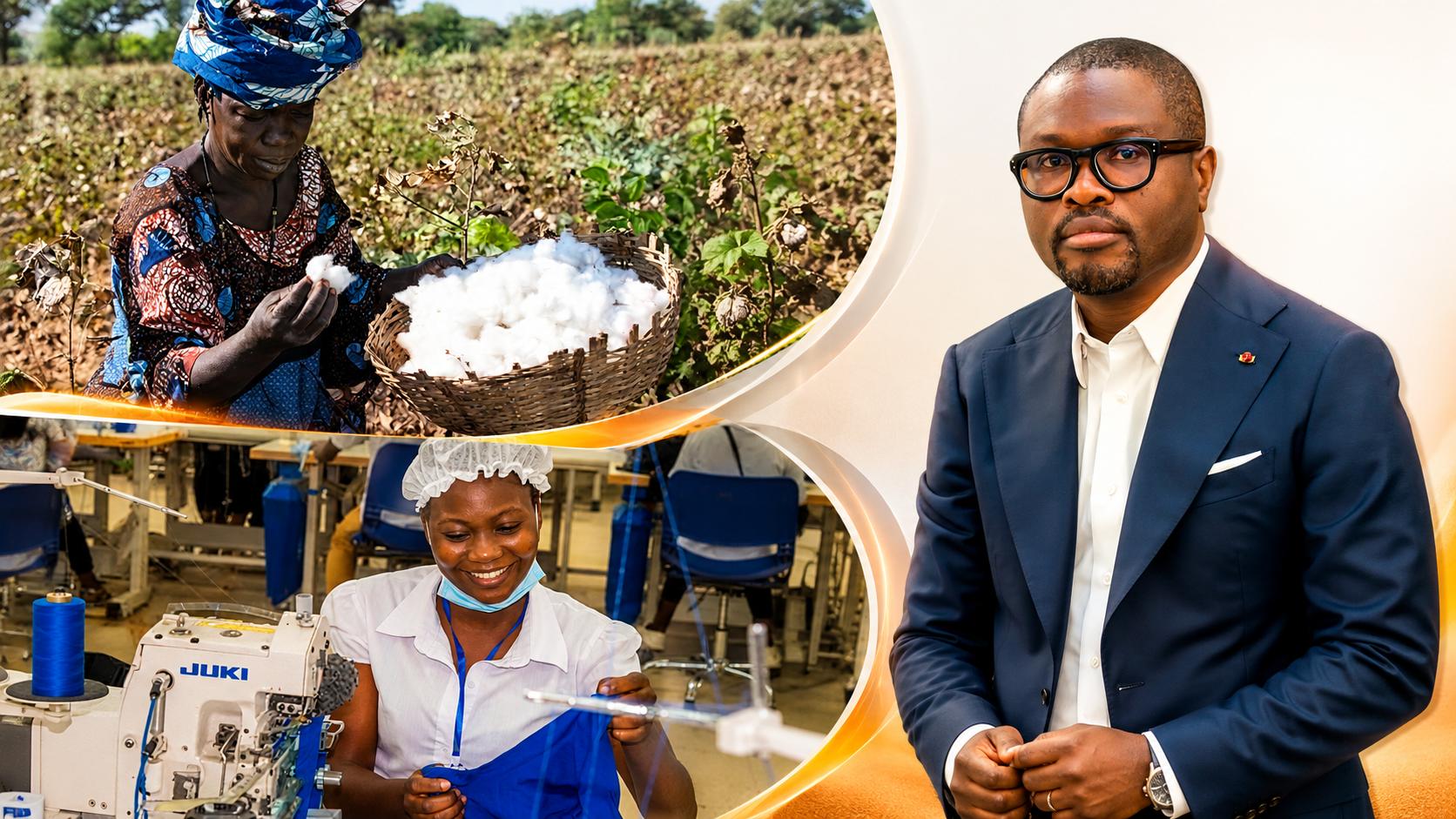
A significant policy adjustment has been unveiled within the West African agricultural landscape. For the upcoming 2026-2027 cotton cultivation season, the government of Bénin has committed to providing an extraordinary bonus of 10 FCFA per kilogram to cotton growers. This substantial incentive, however, is contingent upon a singular prerequisite: the nation’s total cotton output must achieve or surpass a critical benchmark of 700,000 tonnes. This pivotal decision signals a profound reorientation in Bénin’s approach to agricultural support. The state is moving beyond the traditional model of systematic assistance to producers,…

Read More

Terror attack in ayorou leaves two dead and one abducted

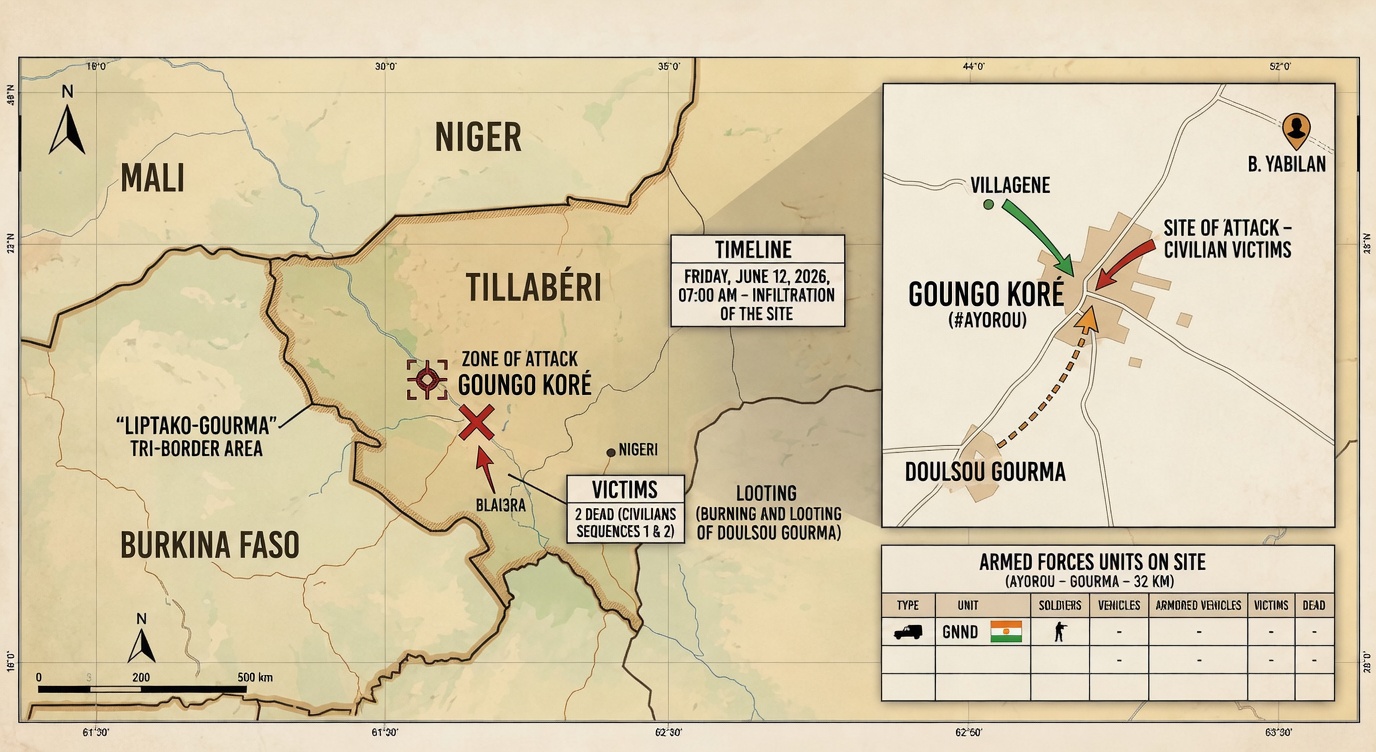
The Tillabéri region remains a hotspot for armed violence, with yet another tragic incident unfolding in the early hours of the morning. Around 7:00 AM on Friday, June 12, 2026, the village of Goungo Koré, located in the Ayorou municipality, fell victim to a violent ambush carried out by a terrorist armed group. The assault resulted in the deaths of two innocent civilians. targeted killings and a second abduction The attackers stormed the village, indiscriminately opening fire and instilling fear among the residents. Two villagers were killed instantly in the…

Read More

Niger secures IMF funding to bolster economic reforms

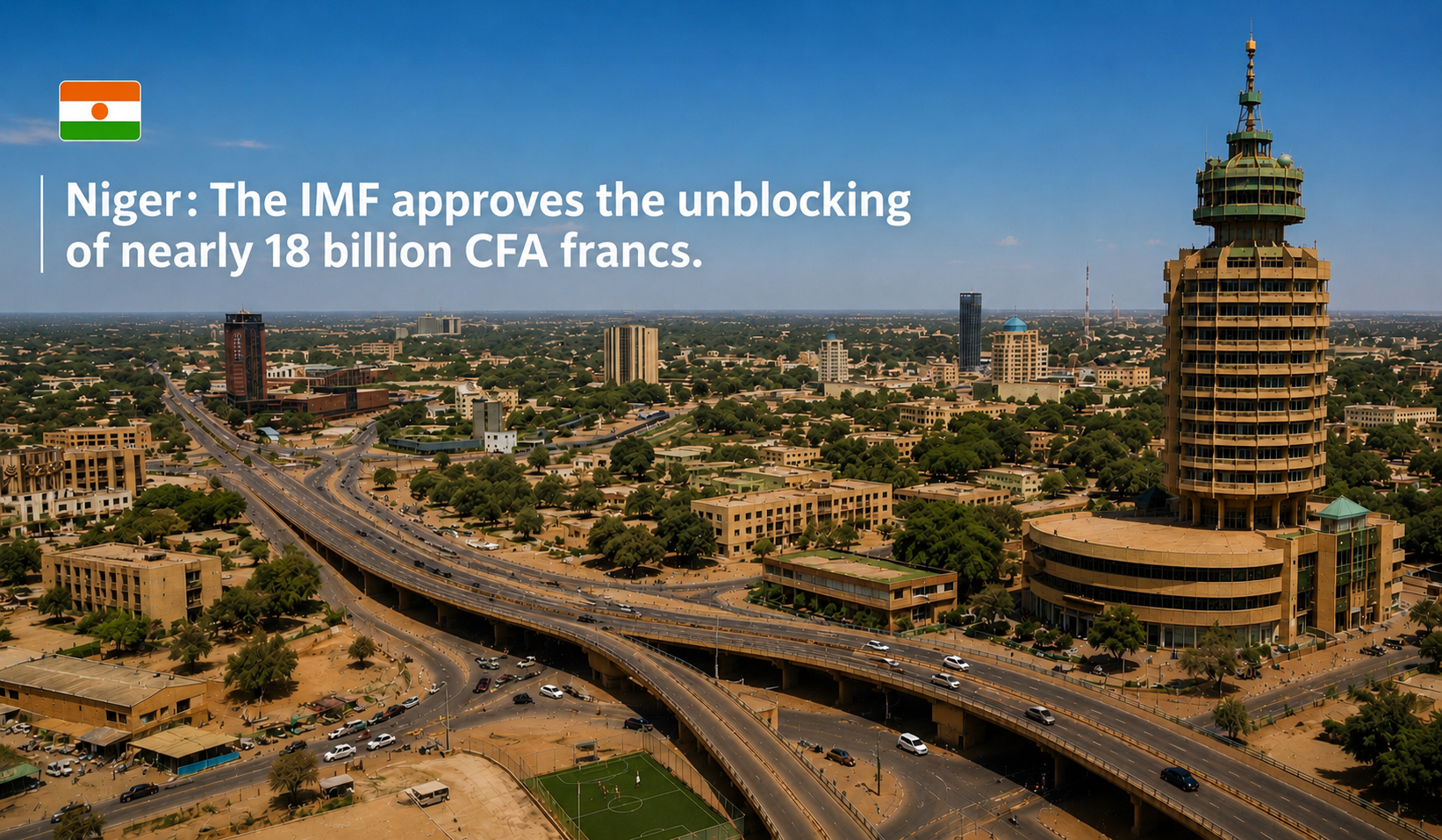
The International Monetary Fund (IMF) has finalized a staff-level agreement with Nigerien authorities, paving the way for a disbursement of 26.3 million dollars—approximately 17.8 billion West African CFA francs—to reinforce macroeconomic stability and advance structural reforms. This financial injection arrives at a pivotal moment for Niger’s public finances. Following intensive negotiations in Niamey, both parties reached a consensus under the Extended Credit Facility (ECF) and the Resilience and Sustainability Facility (RSF) frameworks. Pending formal approval from the Washington-based institution’s Executive Board in the coming weeks, this technical green light signals…

Read More