Burkina Faso opposition figure Guy Hervé Kam hospitalised, remains in detention without trial for over 18 months

The case of Guy Hervé Kam continues to raise numerous questions in Burkina Faso. The lawyer, co-founder of the Balai Citoyen movement and president of the political party Sens, was hospitalised in early June 2025 after experiencing health problems, while having been detained since January 2024 without yet facing trial. A prominent figure behind bars A well-known figure in Burkinabe civil society, Guy Hervé Kam was arrested amid a tightening political and security environment. More than a year and a half after his apprehension, no trial date has been made…

Read More

From Mali to Lake Chad: the Sahel’s security vacuum fuels global jihadism

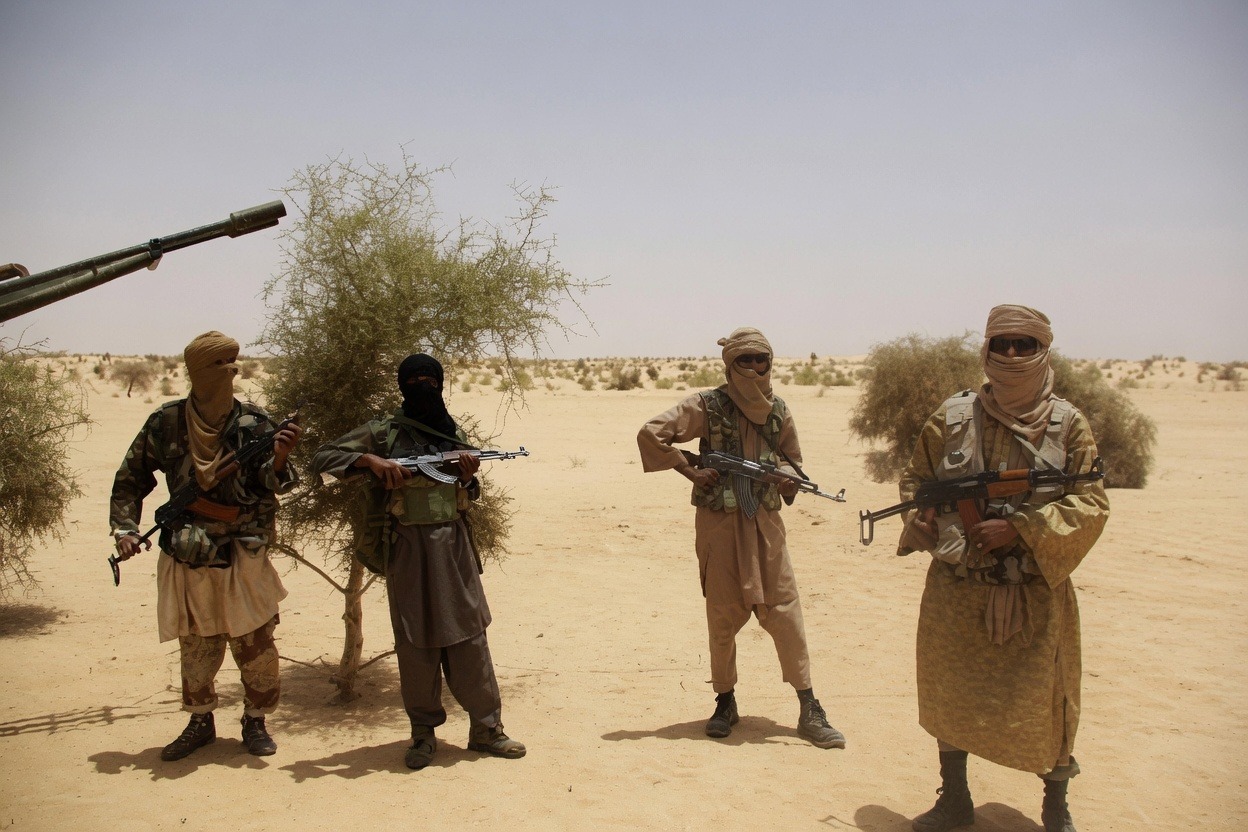
The Sahel-Sahara region has officially become the global jihadist epicentre. From western Mali to the edges of the Lake Chad basin, millions of Sahelian civilians now live under the yoke of groups linked to Al-Qaeda or the Islamic State. Bans on farming, ultra-violent social rules, and constant fear of the next raid make daily life an ordeal. But the most dramatic aspect of this downward spiral is not just the strength of the attackers—it is the glaring absence of any real security policy to contain the fire in the Sahel.…

Read More

Russian cultural centers in africa: soft power or strategic influence

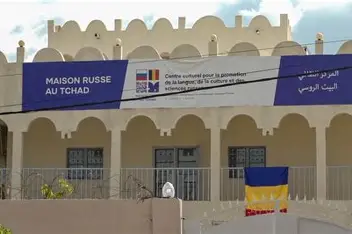
From Bamako to Bangui, with Niamey included, the so-called Russian Houses have evolved into one of Moscow’s most potent tools for exerting influence across Africa. Officially established to foster cultural and educational collaboration, these centers now operate in over twenty nations, serving as a cornerstone of Russia’s soft power strategy on the continent. education and culture as instruments of influence The Russian Houses achieve their objectives through a multifaceted approach: offering Russian language courses, hosting cultural events, and awarding thousands of university scholarships annually. By engaging directly with African youth,…

Read More

Niger initiates formal withdrawal from the international criminal court

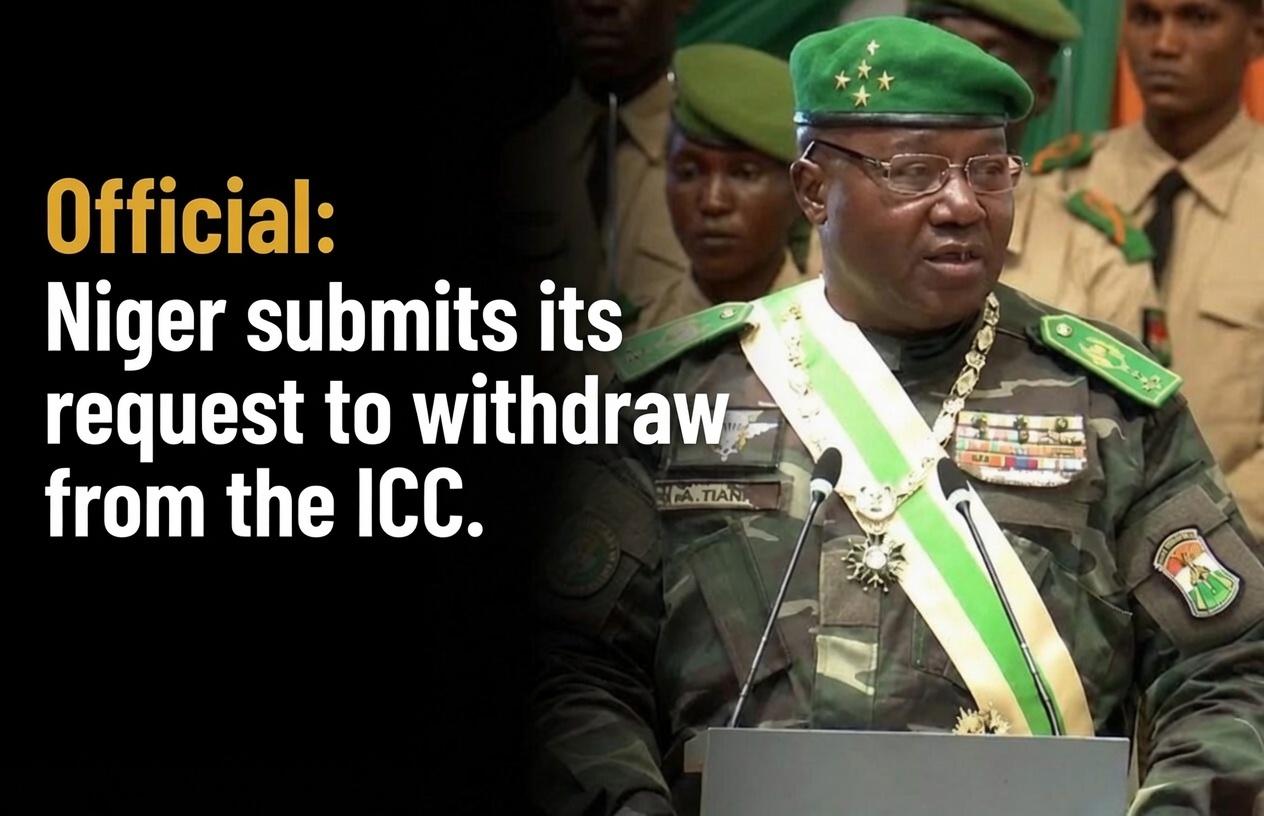
The Republic of Niger has officially initiated the process of withdrawing from the International Criminal Court (ICC), a move aligned with the policy of disengagement pursued by the military-led administration since it assumed power in July 2023. This decision underscores Niamey’s resolve to uphold national sovereignty and challenge the operations of an institution that has faced persistent criticism across the African continent. a contested institution The Nigerien authorities have long contended that the ICC disproportionately targets African nations. Since its establishment in 2002, the vast majority of investigations and prosecutions…

Read More

Niger’s security crisis persists despite Russian military partnership

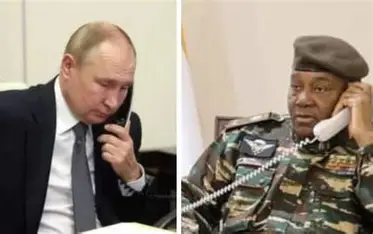
Military cooperation with Russia fails to curb escalating jihadist threat Three years after the July 2023 coup d’état that prompted a strategic military alignment with Russia, Niger continues to grapple with a worsening jihadist insurgency. Despite the government’s stated objective of restoring peace and stability through this partnership, coordinated attacks on military positions have intensified, resulting in significant losses for the Nigerien armed forces. Security reports indicate that at least 265 Nigerien soldiers were killed in a series of coordinated assaults on multiple bases within a three-day period. These attacks…

Read More

Burkina Faso faces scrutiny as EU confronts military regime over human rights

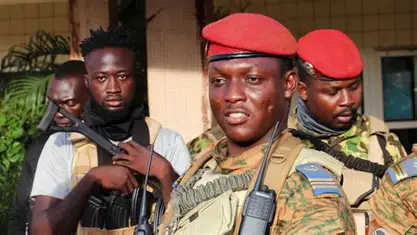
The military-led administration in Burkina Faso, which assumed power following the September 2022 coup, has opted to respond to a recent European Parliament resolution criticizing the nation’s human rights and public freedoms situation with diplomatic confrontation rather than transparency. Observers argue that a more constructive approach would involve tangible engagement. If officials in Ouagadougou genuinely believe their policies have led to significant territorial pacification and development under Captain Ibrahim Traoré’s leadership, inviting a delegation of European lawmakers for an on-site assessment could provide undeniable evidence of progress. Such a move…

Read More

Burkina Faso’s economic narrative under Traoré: separating fact from propaganda

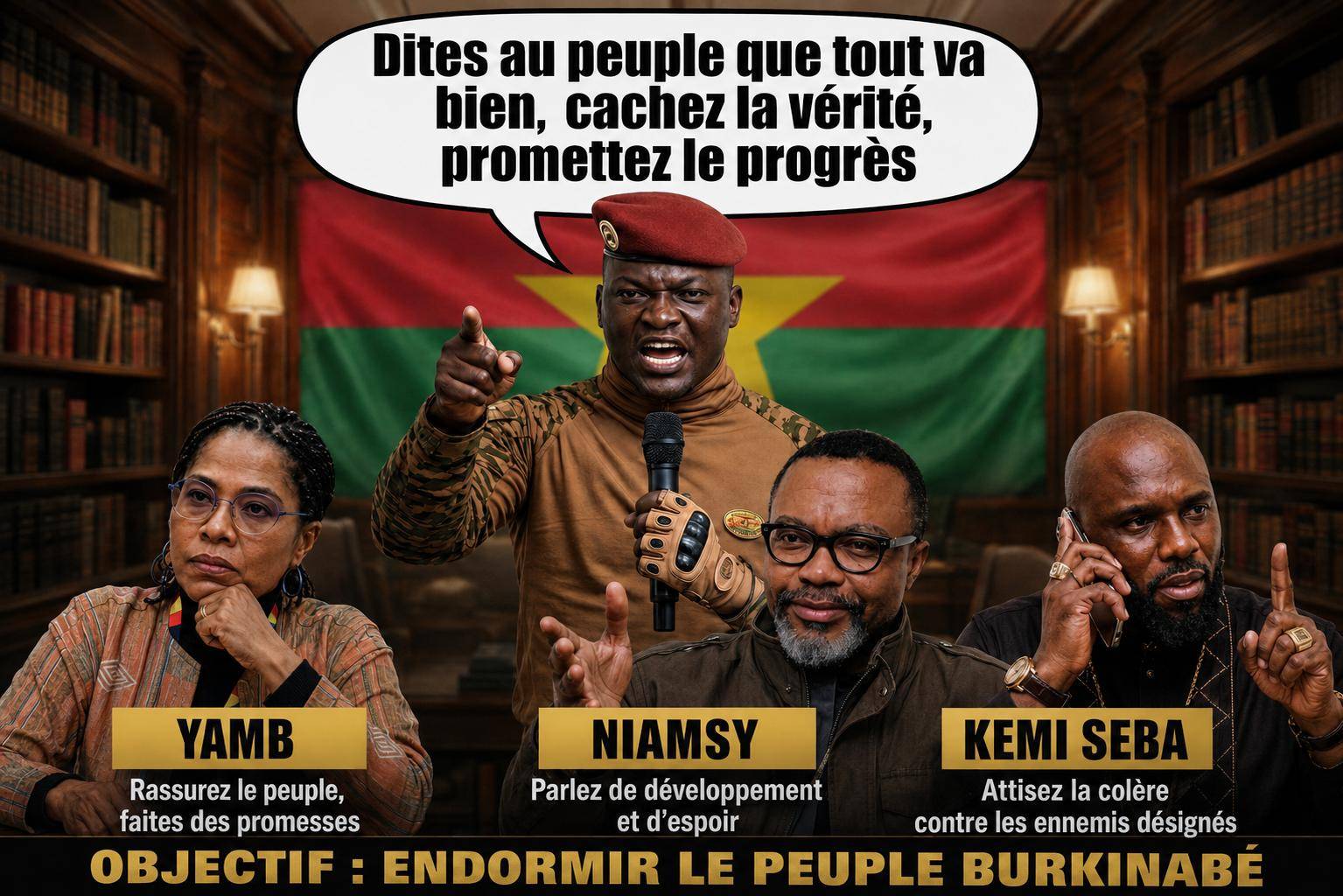
The ascension of Captain Ibrahim Traoré to power in Burkina Faso has positioned him as a prominent voice in the discourse surrounding African sovereignty. Through an assertive communication strategy and a robust presence on digital platforms, the transitional authorities aim to propagate the notion of a significant economic resurgence within the country. Controversy surrounding the economic narrative This optimistic portrayal is actively promoted by a network of panafricanist influencers and political activists, including prominent figures such as Nathalie Yamb, Franklin Nyamsi, and Kemi Seba. These individuals frequently amplify the government’s…

Read More

Togo: Marguerite Gnakadé’s prolonged detention highlights opposition challenges

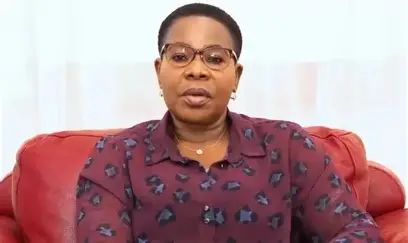
The case of Marguerite Gnakadé has emerged as a defining moment in Togo’s ongoing political struggles. A former Minister of Defense from 2020 to 2022—making her the first woman to hold this position—she has been held in detention for 277 days after openly challenging Faure Gnassingbé’s leadership and advocating for a peaceful political transition. Despite her familial ties to the Gnassingbé clan, Gnakadé repeatedly criticized the government’s policies. She argued that the President’s continued rule failed to address the aspirations of the Togolese people and called for systemic change through…

Read More

Togo: unresolved investigations into child deaths under faure gnassingbé

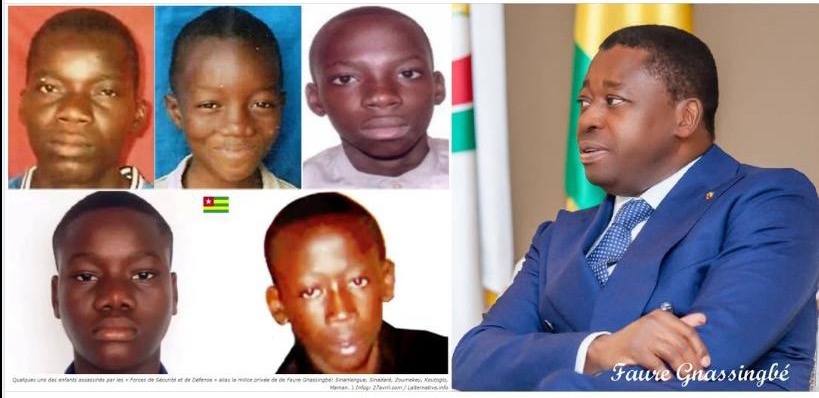
On June 16, Africa observed African Children’s Day, a date traditionally marked by solemn pledges and high-level summits. This year’s theme—universal access to water, sanitation, and hygiene—highlighted critical gaps in youth welfare across the continent. In Togo, however, such declarations ring hollow. Behind the official rhetoric of progress, the reality for children remains dire: state forces have repeatedly used lethal force against them, leaving families bereaved and justice elusive. From Soweto to Lomé: the brutal cost of political survival The origins of African Children’s Day trace back to the 1976…

Read More

Gabon’s strategic role in Africa’s economic reshaping

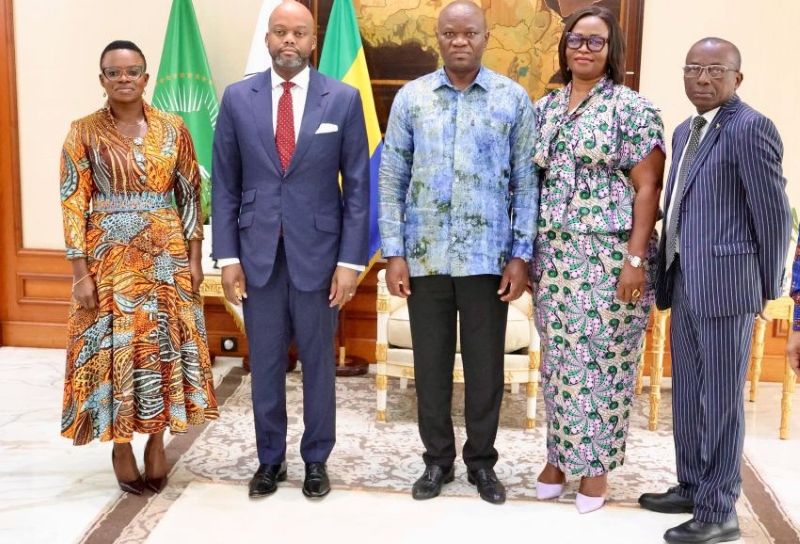
Economy Gabon’s strategic role in Africa’s economic reshaping Editorial Team June 20, 2026 Libreville, June 20, 2026 – Africa is undergoing a profound economic transformation. Historically constrained by colonial-era borders, the continent is now forging the world’s largest integrated market by number of participating nations. The meeting held Friday in Libreville between Gabonese President Brice Clotaire Oligui Nguema and Wamkele Mene, Secretary-General of the African Continental Free Trade Area (AfCFTA), was far more than a routine diplomatic exchange. It symbolized Gabon’s determination to emerge as a key player in Africa’s…

Read More

Burkina Faso’s economic reality: financing agreements expose debt challenges

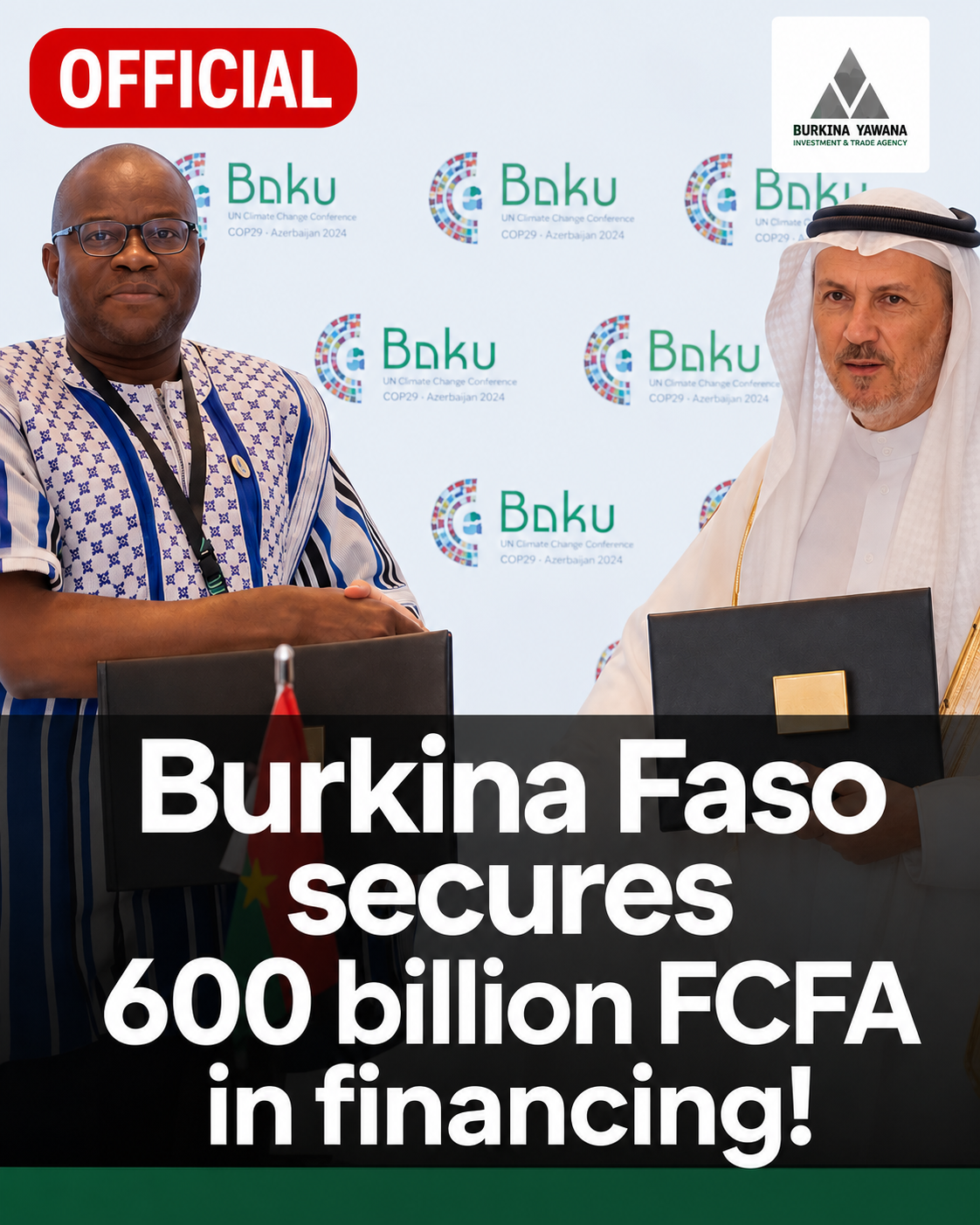
The signing of a new financing agreement between Burkina Faso and the International Islamic Trade Finance Corporation (ITFC) in Baku underscores a critical moment for the nation’s economy. Under this accord, funds will be allocated to essential sectors such as energy, agriculture, and small and medium-sized enterprises (SMEs), providing much-needed liquidity to a struggling market. While the agreement may not have garnered significant public attention, its impact on Burkina Faso’s economic stability is undeniable. Without this financial infusion, maintaining adequate fertilizer supplies for agricultural cycles or stabilizing fuel prices would…

Read More

Burkina Faso’s russian gold deals spark new sovereignty concerns

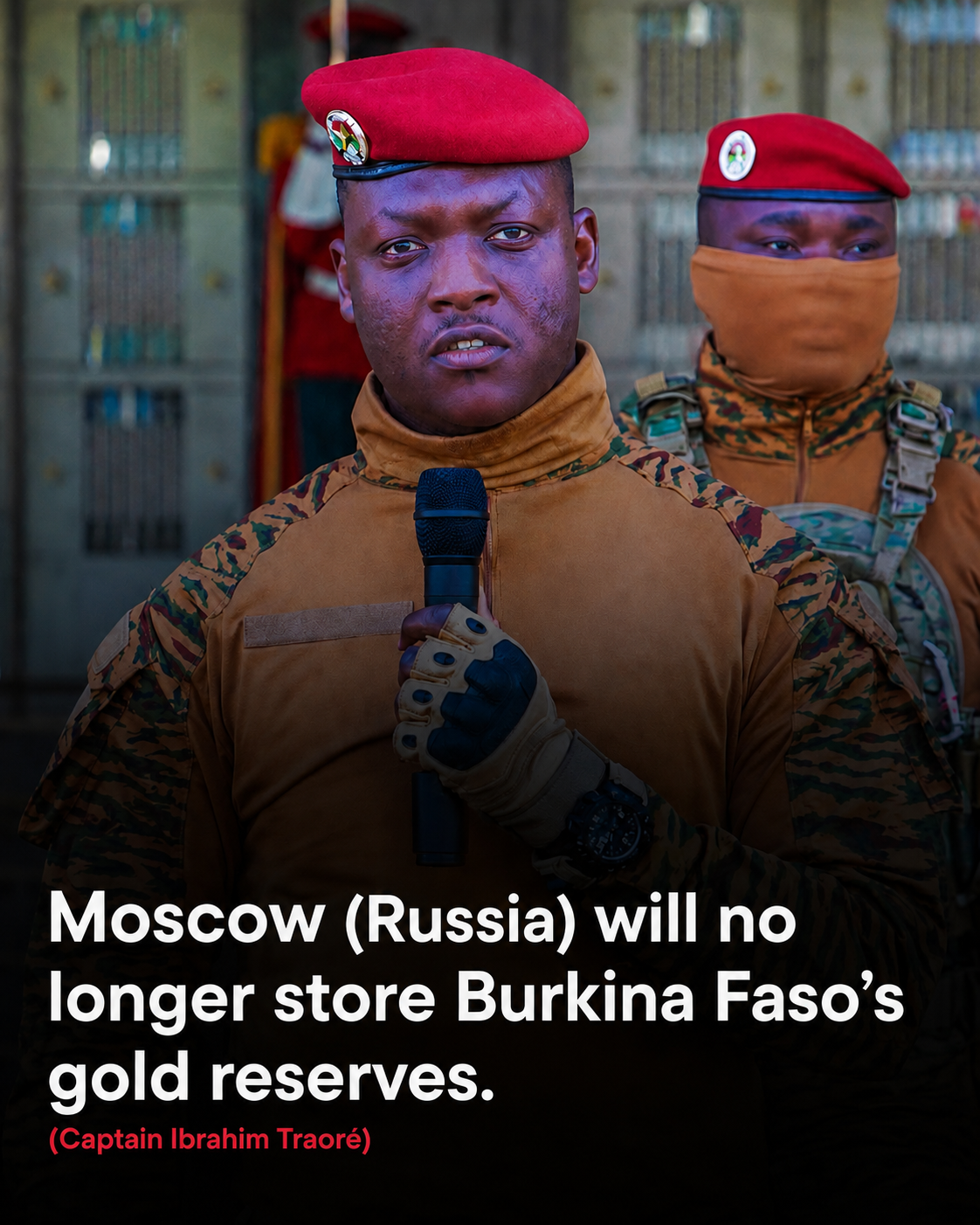
The recent surge in Burkina Faso’s strategic and financial partnerships with Russia, under the guise of breaking free from colonial legacies, has begun to reveal a troubling paradox. While the rhetoric of national sovereignty resonates deeply with a population longing for emancipation from former colonial powers, the reality unfolding in Ouagadougou suggests a shift rather than a break from external control. From colonial shadows to Russian embrace Since Captain Ibrahim Traoré’s transitional government took charge, the narrative has been clear: reclaiming Burkina Faso’s autonomy. This message has struck a chord…

Read More