Cameroon’s anglophone regions under lockdown: a decade of unrest and the fallout on october 1st
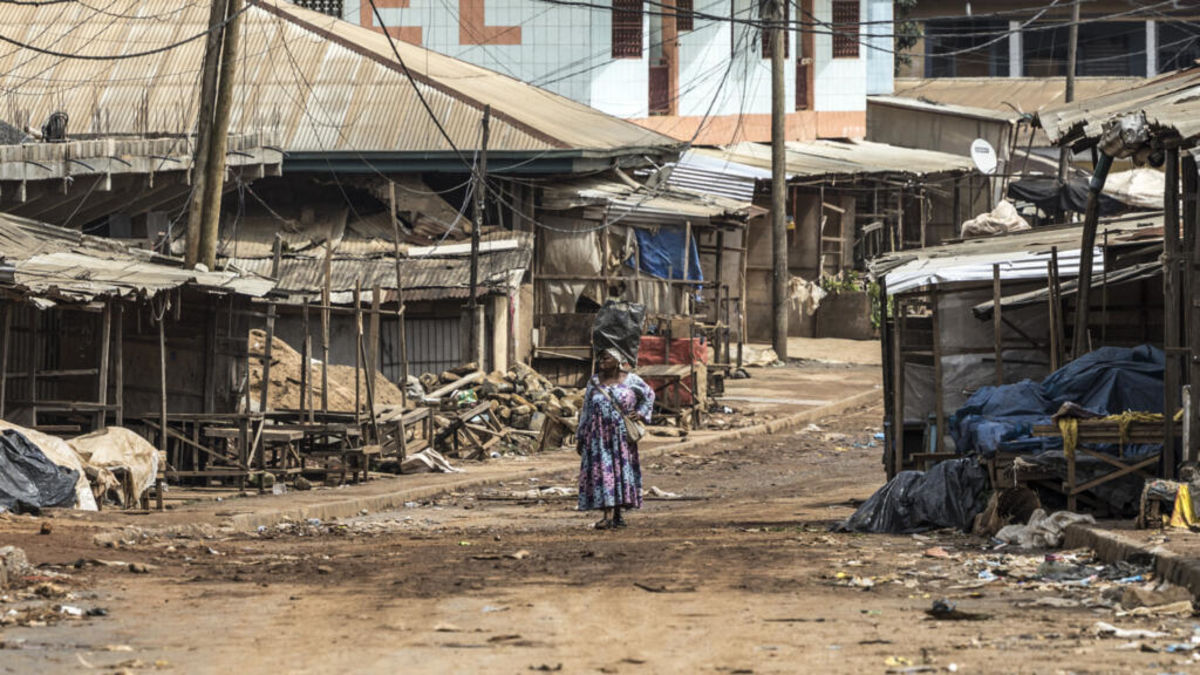
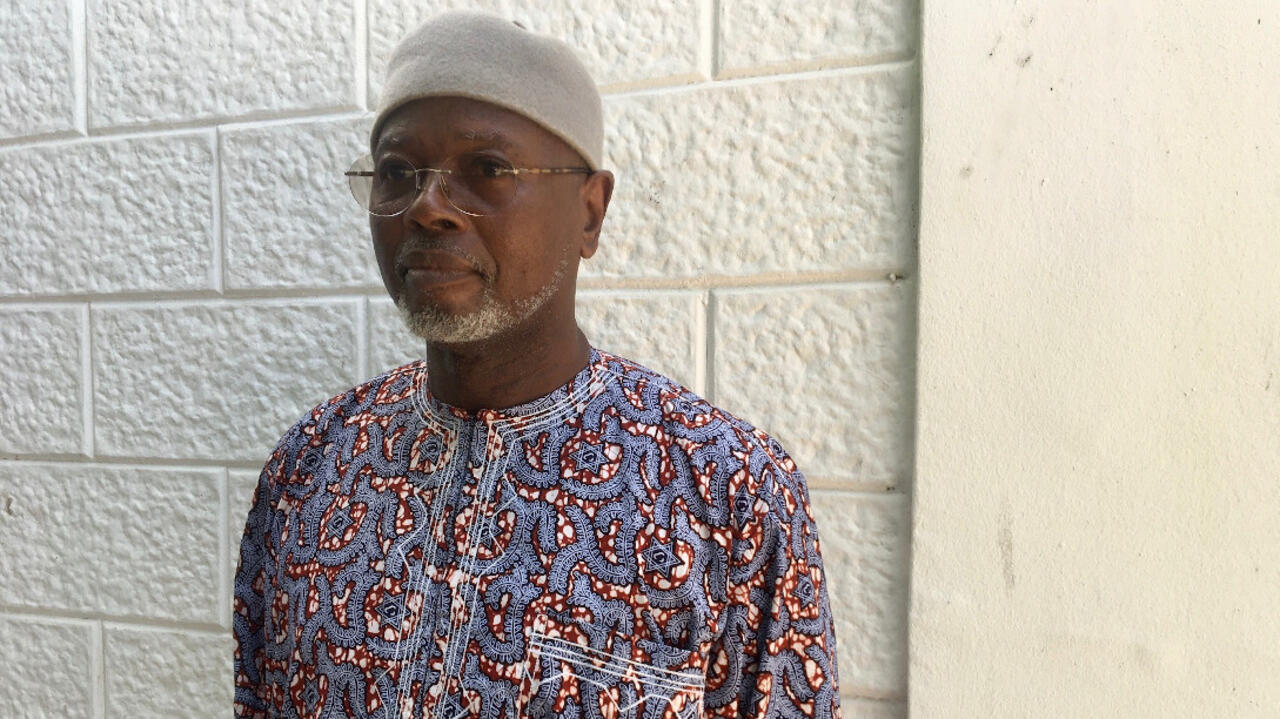
Cameroon’s anglophone regions under lockdown: a decade of unrest and the fallout on october 1st The symbolic date of October 1st has once again exposed deep divisions in Cameroon’s anglophone regions, where a decade-long crisis continues to reverberate through the North-West and South-West. As separatists called for a « ghost town » strike, security forces were deployed in force, but the real battle may now be fought in the court of public opinion and on the streets of Bamenda and Buea.
Read More

Benin’s €500 million bond: what the landmark deal means for the region’s future

Cotonou — The fallout from Benin’s latest foray into international capital markets is still being digested, and the debate it has ignited stretches well beyond the finance ministry. Working alongside the African Development Bank Group, the Beninese government has secured €500 million to bankroll a series of high-impact investments. The operation, which builds on the country’s Government Action Programme, is being read as a turning point in how public debt is managed across sub-Saharan Africa — and it has set off a wider conversation about what comes next for African…

Read More

Inside Burkina Faso’s twin attacks: what Lalgaye and Ouahigouya reveal about the jihadist playbook

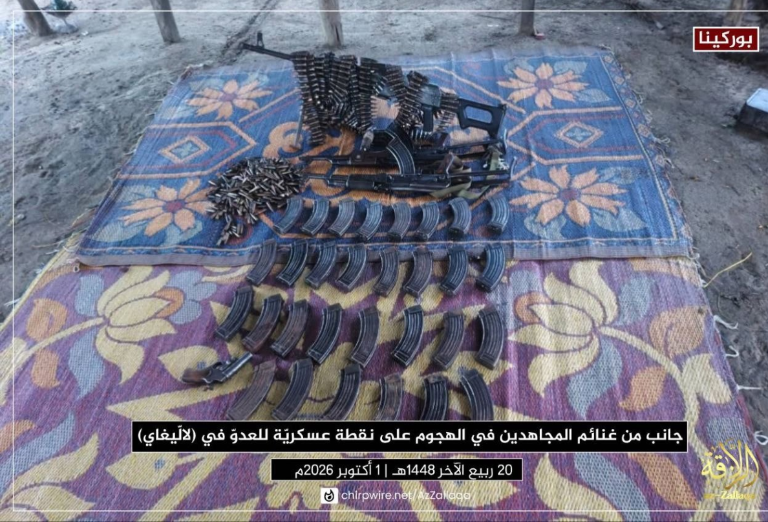
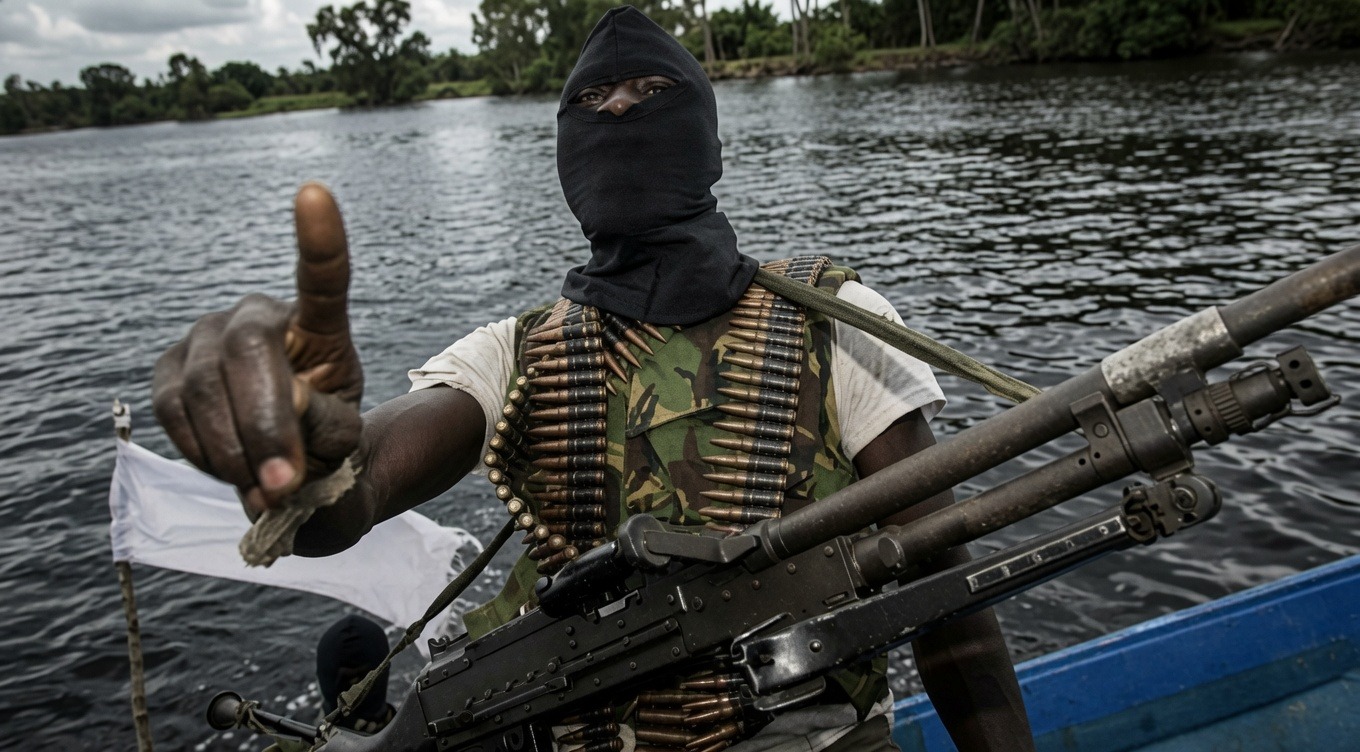
When militants struck two distant points in Burkina Faso on the same day, the pattern behind the violence became clearer than any single battlefield report. On Saturday 26 September, a Burkinabè soldier was killed during an assault on a military position in Lalgaye, in the Koulpélogo province of the Centre-Est region. Hundreds of kilometres away, around Ouahigouya in the north, coordinated incursions destroyed heavy equipment. The claim of responsibility, issued on Thursday 1 October by the Group for the Support of Islam and Muslims (JNIM), did more than confirm the…

Read More

Behind Burkina Faso’s four-year military rule: what the official narrative hides

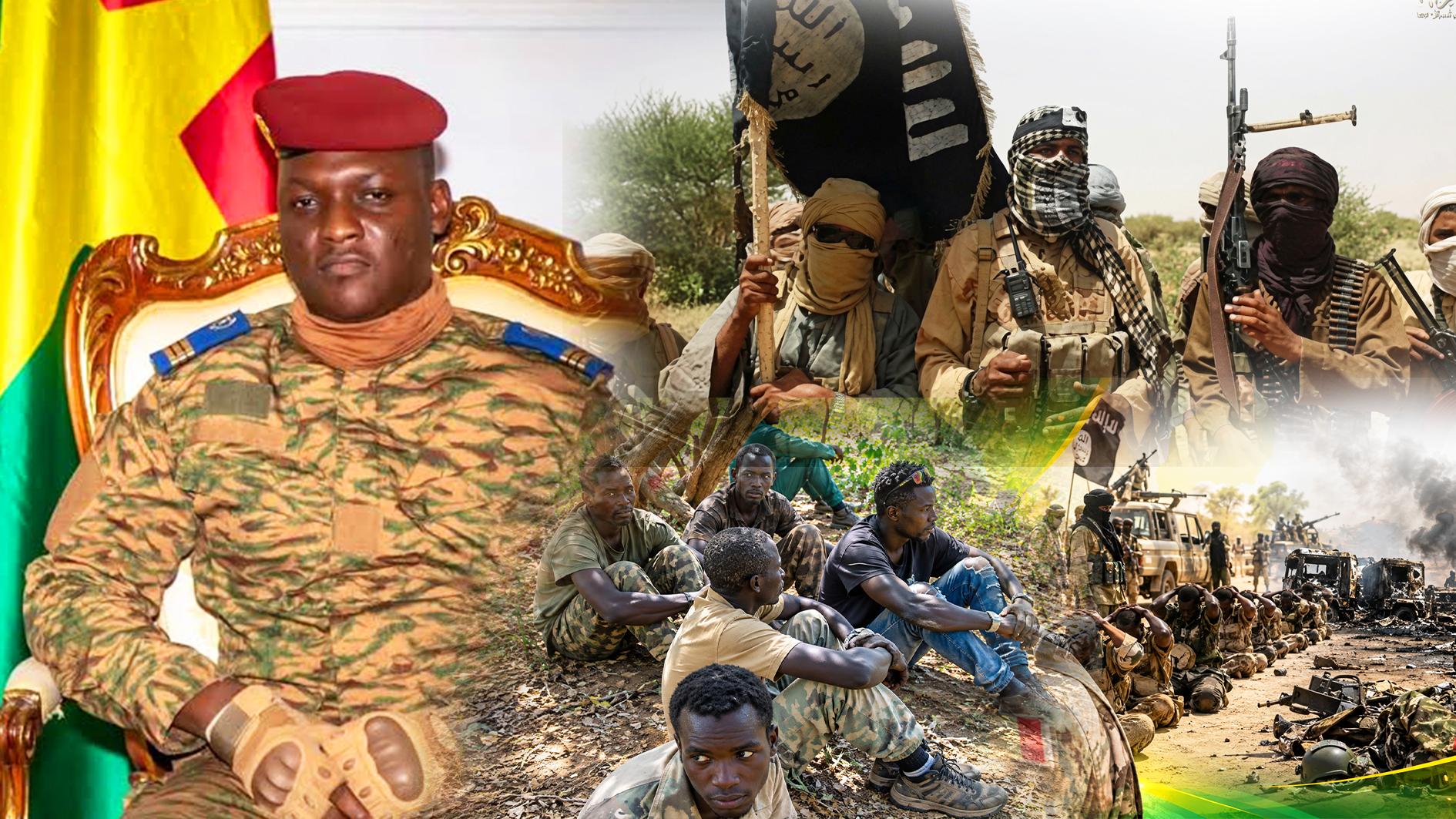
When Captain Ibrahim Traoré seized power in Burkina Faso on 30 September 2022 by toppling Lieutenant-Colonel Paul-Henri Sandaogo Damiba, he promised a radical break with the past. Four years on, the junta leader portrays his tenure as a story of territorial reconquest, a strengthened army, restored national sovereignty and a clean rupture with several Western partners. Yet beneath that carefully managed narrative, a closer look reveals a far more complicated reality — one shaped by persistent insecurity, mass displacement and a steadily shrinking civic space. How the counter-insurgency strategy was…

Read More

Why Benin’s Romuald Wadagni joined East Africa’s biggest oil gamble at Lamu

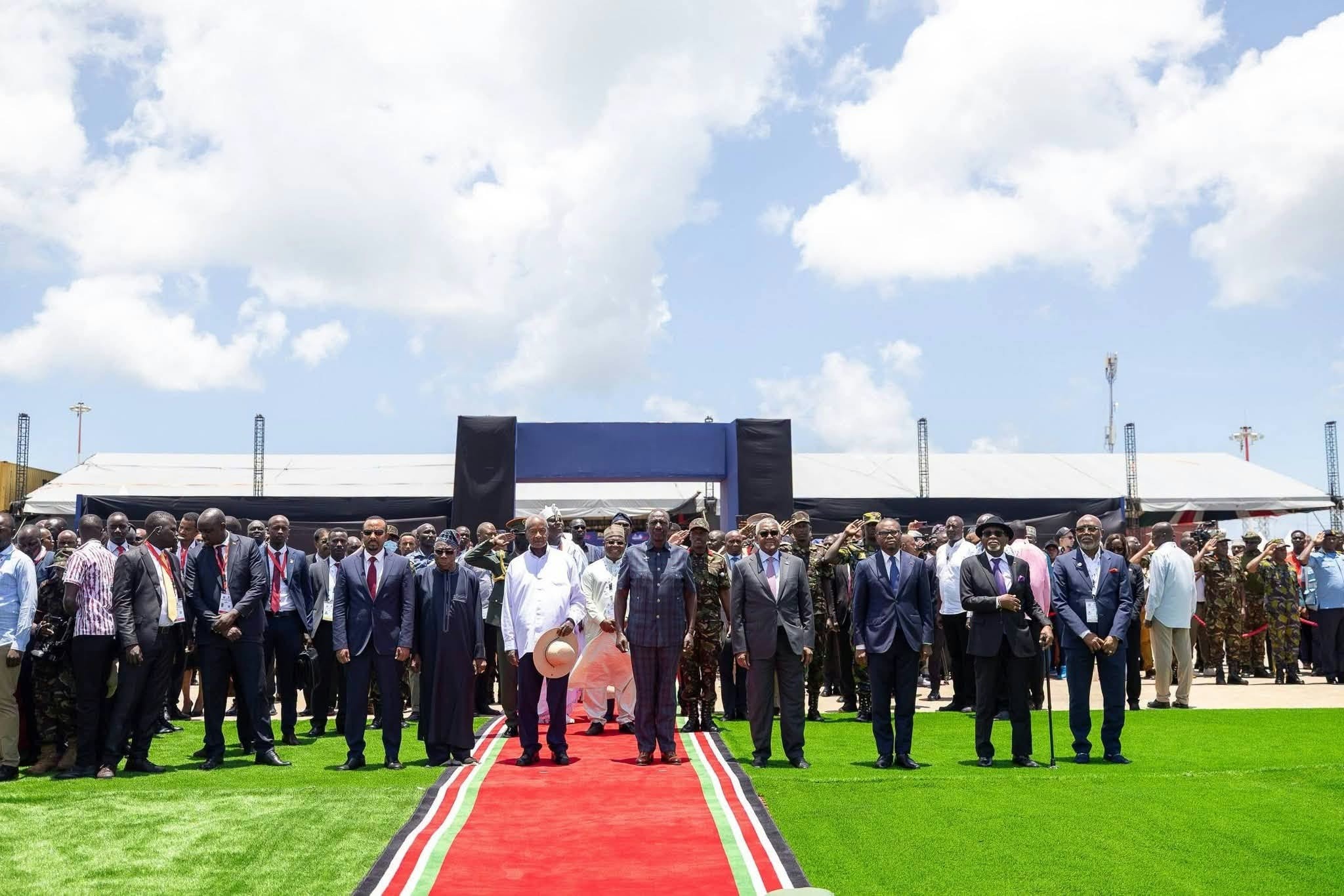
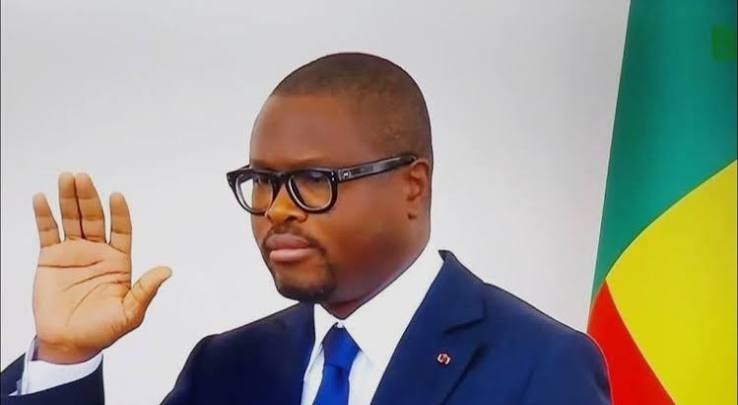
Lamu, Kenya — When Romuald Wadagni, president of the Republic of Benin, stood on Kenya’s northern coast this Wednesday, 30 September 2026, he was not simply attending another groundbreaking ceremony. He was taking part in the launch of East Africa’s future refinery, a venture driven by the group of Nigerian billionaire Aliko Dangote, and his presence says as much about the shifting logic of African industrial cooperation as it does about the project itself. The wider context behind a single ceremony For an event with clear regional weight, the Beninese…

Read More

Inside Air Sénégal’s crew suspension: what really happened on the Dakar-Paris route

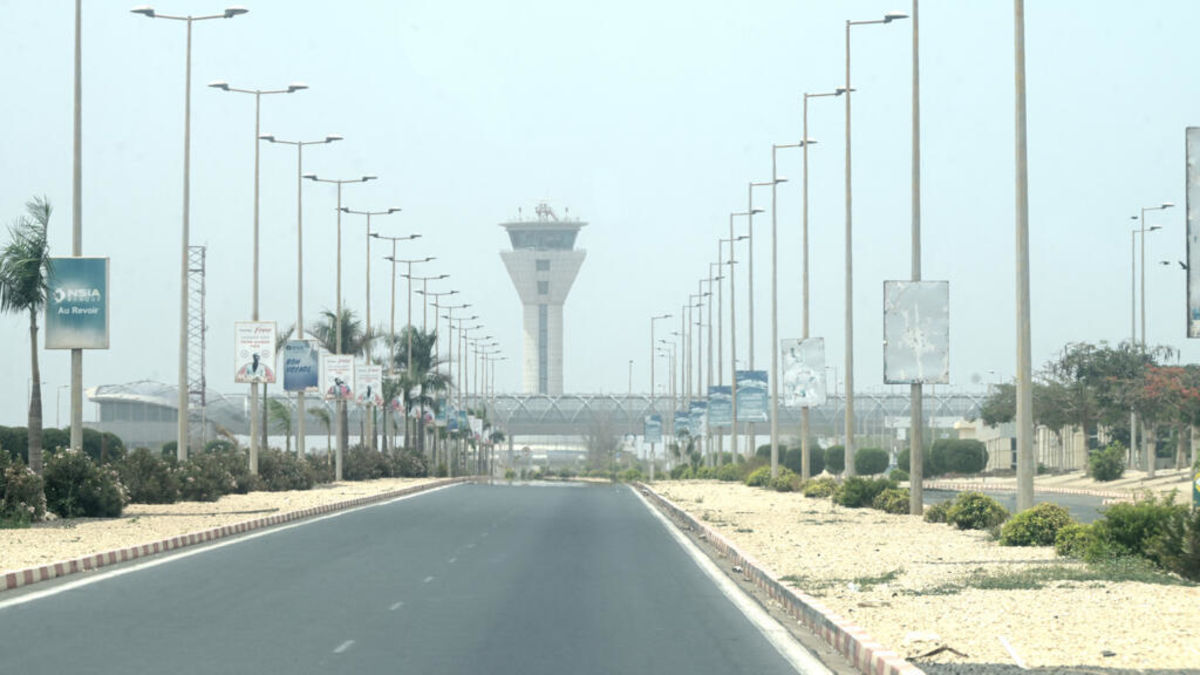
Inside Air Sénégal’s crew suspension: what really happened on the Dakar-Paris route Thu, October 1, 2026 at 9:45 AM UTC When Air Sénégal quietly grounded its entire cabin crew on the Dakar-Paris route in mid-September, few outside the airline understood the scale of the problem. The decision, taken on September 17, was not a routine scheduling adjustment. It was the result of mounting suspicions that some crew members had been using their positions to transport parcels for payment—a practice strictly forbidden by the company. The internal investigation, according to sources…

Read More

Niger’s press freedom crisis: Moussa Kaka’s disappearance sparks urgent African response

In a dramatic turn of events that has sent shockwaves across West Africa, the Nigerien journalist Moussa Kaka has been missing since August 31, igniting a firestorm of criticism over what observers describe as shocking indifference from African and international bodies. The situation has reached a critical juncture, with prominent human rights advocate Alioune Tine condemning the forced disappearance and demanding immediate action. From silence to mobilization: The turning point in Kaka’s case The disappearance of Moussa Kaka, a well-known voice in Niger’s media landscape, has become a rallying cry…

Read More

Lyon’s women’s team hit by Chelsea stalemate in Champions League breakthrough bid

In a tightly contested showdown at Groupama Stadium, Olympique Lyonnais Féminin saw their Champions League ambitions momentarily stalled as they were held to a scoreless draw by Chelsea. This result marked the first time Lyon failed to score or win a match this season, signaling a potential turning point in their quest for European dominance. Defensive resilience stifles Lyon’s attacking prowess The French champions, known for their relentless offensive style, found themselves frustrated by Chelsea’s disciplined backline. Despite dominating possession and creating several high-quality chances, Lyon could not breach the…

Read More

DRC crisis sees breakthrough as Tshisekedi renews push for AU-backed stability talks

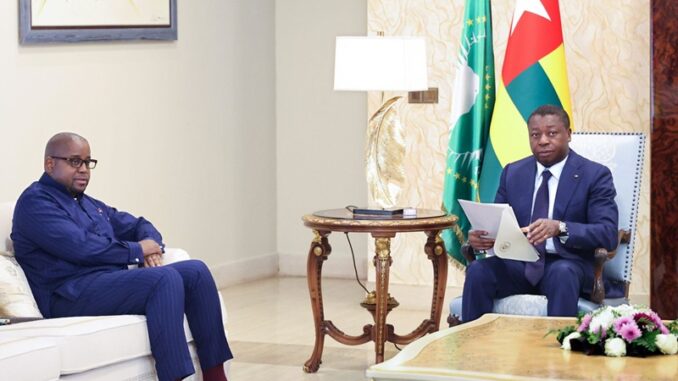
Major diplomatic shift signals new momentum in eastern DRC peace efforts The long-standing crisis in the Democratic Republic of Congo (DRC) has reached a critical turning point as President Félix Tshisekedi sends a fresh diplomatic signal to Togo’s President Faure Gnassingbé. Acting as the African Union’s peace mediator, Gnassingbé received a high-level delegation from Kinshasa on September 29, carrying a critical message from Tshisekedi regarding the stabilization of the eastern DRC. New urgency in regional peace negotiations During the meeting in Lomé, the Congolese delegation—led by the Minister of Regional…

Read More

Mali: JNIM’s deadly ambush on Russian Africa Corps near Niono signals a turning point in the Sahel conflict

The ambush of a Russian Africa Corps convoy by the JNIM on September 28, 2026, north of Niono, in central Mali, has become a defining moment in the Sahel’s security crisis. The attack, which resulted in both human and material losses for the Russian paramilitary unit, marks a decisive shift in the jihadist group’s ability to strike at the heart of foreign military operations. How the ambush unfolded On the morning of that Monday, a military convoy carrying fighters from Africa Corps—the Russian paramilitary structure that replaced the Wagner Group…

Read More

Mali’s hunger crisis reaches a breaking point as 2027 funding gap looms

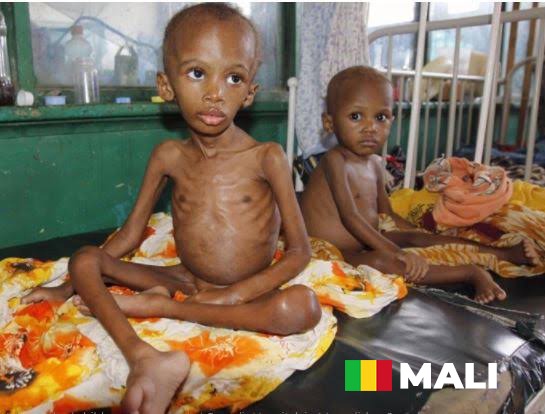
Mali stands at a decisive moment. With the World Food Programme (WFP) warning of a $73.6 million shortfall needed to keep its operations running until February 2027, the country’s food crisis has shifted from a slow-burn emergency into a full-blown test of whether the humanitarian system can hold the line. The numbers now on the table reveal that hunger is no longer confined to a handful of vulnerable households — it is woven into a broader fabric of entrenched poverty, mass displacement and collapsing livelihoods. A funding shortfall that could…

Read More

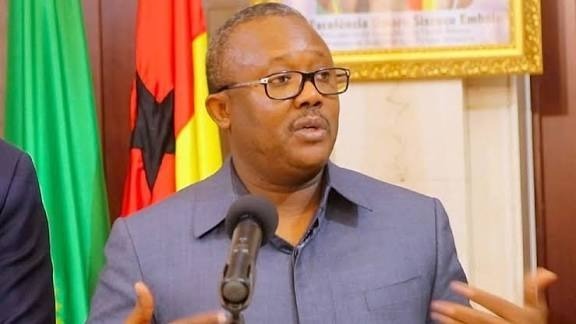
Guinea-Bissau’s pivotal shift: why Embaló’s bid could redefine the 2026 race

Ten months after being toppled by the military, Umaro Sissoco Embaló is preparing a comeback in Guinea-Bissau. The former president, now in exile, has declared his candidacy for the presidential election scheduled for December 6, 2026. This is a pivotal moment that could reshape the country’s political trajectory, especially as the disputed 2025 vote remains unresolved and the army continues to wield decisive influence. A breakthrough announcement that changes the game The declaration carries symbolic weight and represents a major political challenge. Embaló, who was ousted on November 26, 2025,…

Read More