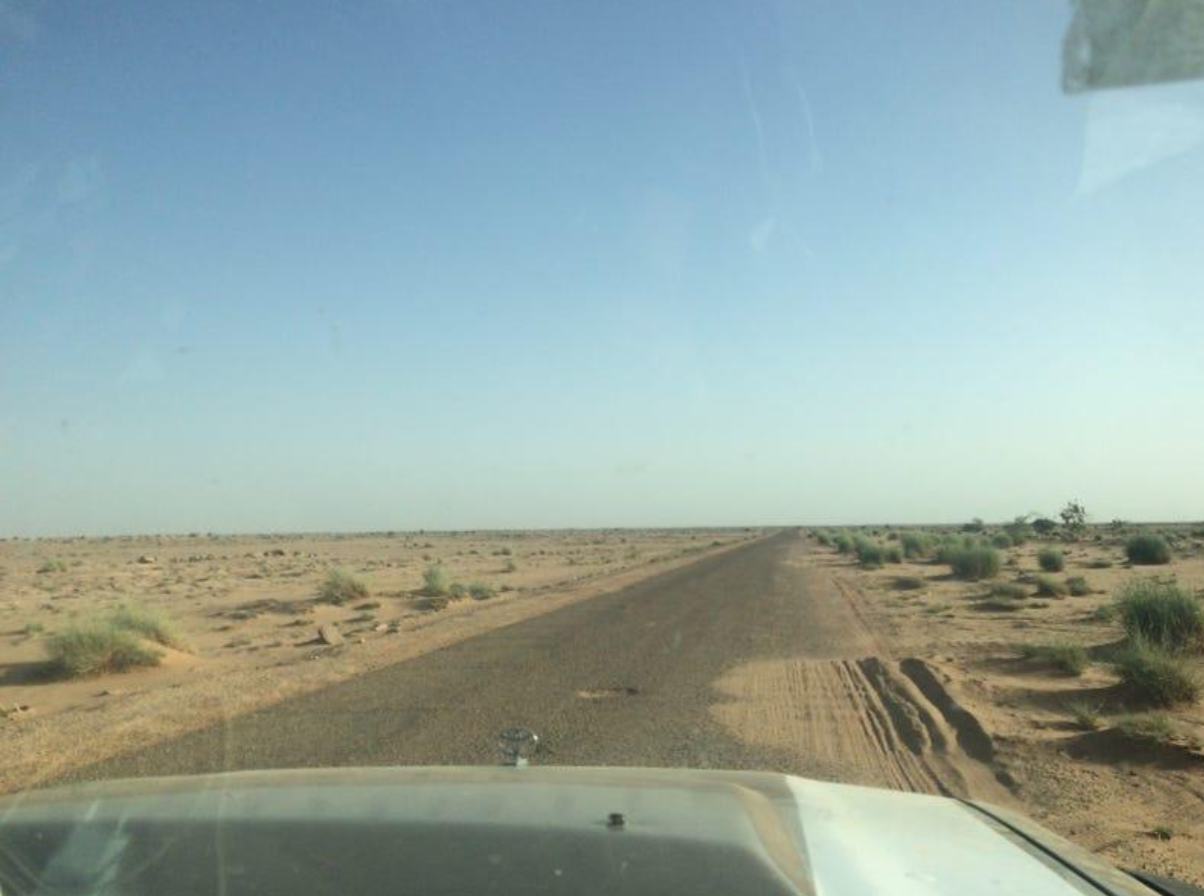
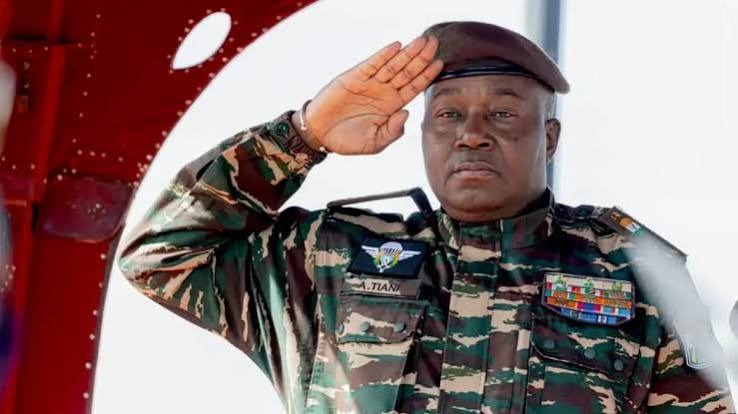
The deadly ambush on the Agadez-Arlit highway in northern Niger has sparked intense public debate over road safety and the government’s ability to secure critical transport corridors. As families mourn the victims and survivors seek answers, the attack underscores the fragile state of travel security in a region already on edge. What happened on the Agadez-Arlit highway? On the evening of October 20, 2026, armed assailants ambushed a convoy of passenger buses approximately 35 kilometers from Agadez, along the strategic route leading to Arlit. Initial reports indicate the attackers used…
Read MoreCategory: News
Burkina Faso jihadist surge: public backlash and shifting security strategies after latest attacks
Following the latest attacks near Fada N’Gourma and in Bam Province, Burkina Faso’s jihadist groups are facing mounting public scrutiny over their growing influence and the government’s response. The Group for the Support of Islam and Muslims (JNIM), linked to Al-Qaeda in the Sahel, has publicly claimed responsibility for two assaults, reigniting debates over the country’s deteriorating security situation. Public reaction and political fallout from the attacks The JNIM’s claims have sparked sharp reactions across Burkina Faso, with citizens and analysts questioning the effectiveness of counter-terrorism efforts. The attacks, which…
Read MoreBurkina Faso cracks down on illegal trade: fallout and future of anti-contraband efforts
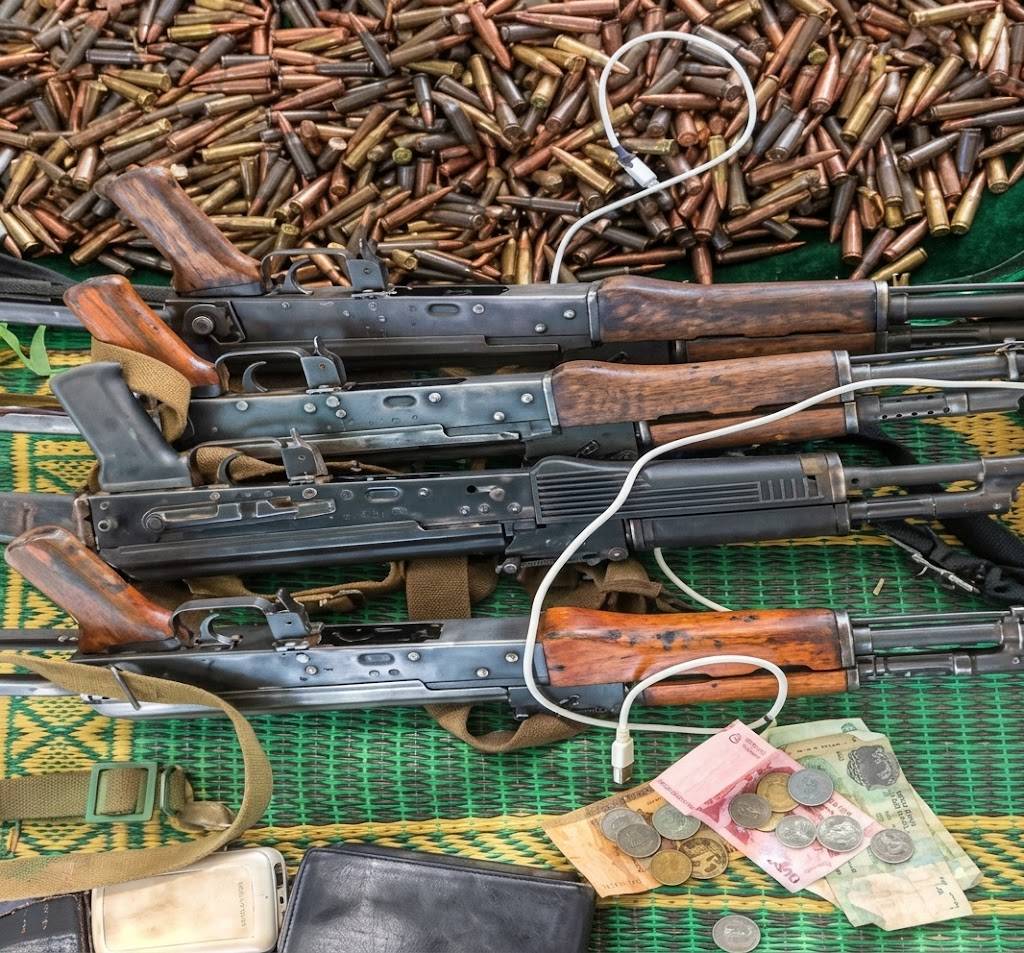
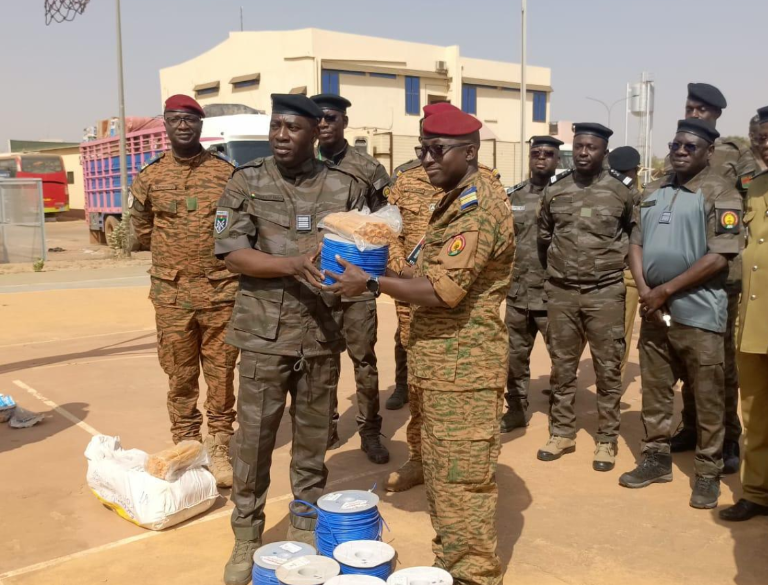
Revelations from Operation ‘Magnan’ and the growing debate The General Directorate of Customs (DGD) of Burkina Faso has just delivered a sobering assessment of its three-month anti-contraband Operation ‘Magnan’, revealing a staggering haul of illicit goods worth over 10 billion West African CFA francs. The findings, presented in Ouagadougou on October 20, 2026, have ignited a national debate over public health risks, economic stability, and the evolving tactics of criminal networks operating in the shadows of West Africa’s informal trade corridors. Breaking down the illegal cargo: medicines lead the charge…
Read MoreAfrican customs in flux: public debate intensifies over Nigeria, Cameroon and Benin digital integration plans
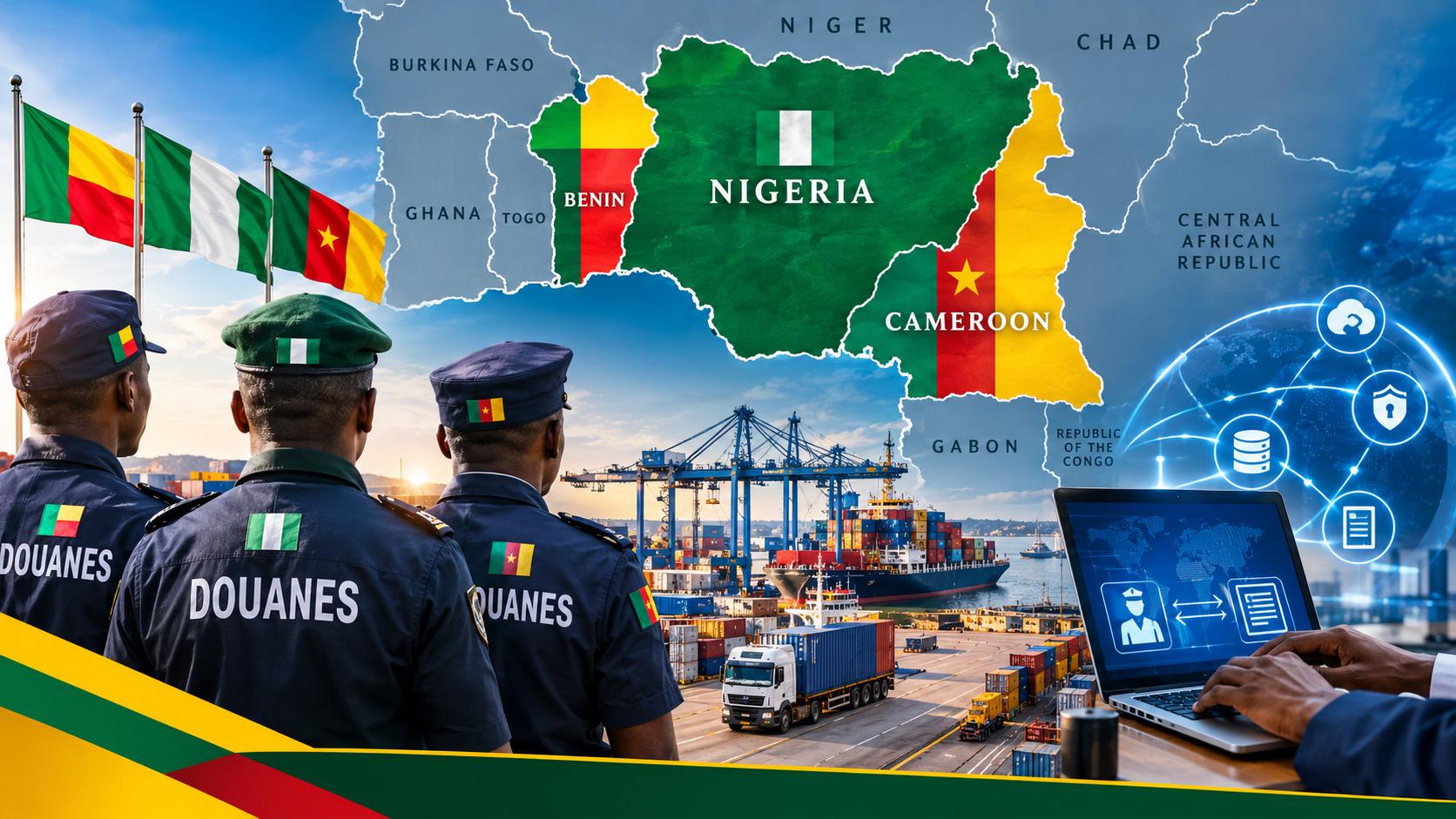
The decision by Benin, Nigeria, and Cameroon to interconnect their customs systems has ignited a wave of discussion across the continent. While proponents highlight faster trade flows and reduced delays, critics question the practical hurdles and long-term sustainability of such a regional initiative. Public reactions underscore both optimism and skepticism Since the October 2026 announcement in Cairo, stakeholders have divided sharply over the proposed digital customs integration. Business associations welcome the move, emphasizing that streamlined procedures could significantly lower trade barriers. However, logistics operators voice concerns about implementation challenges, particularly…
Read MoreNigeria grapples with imported Ebola case amid waning regional alertness
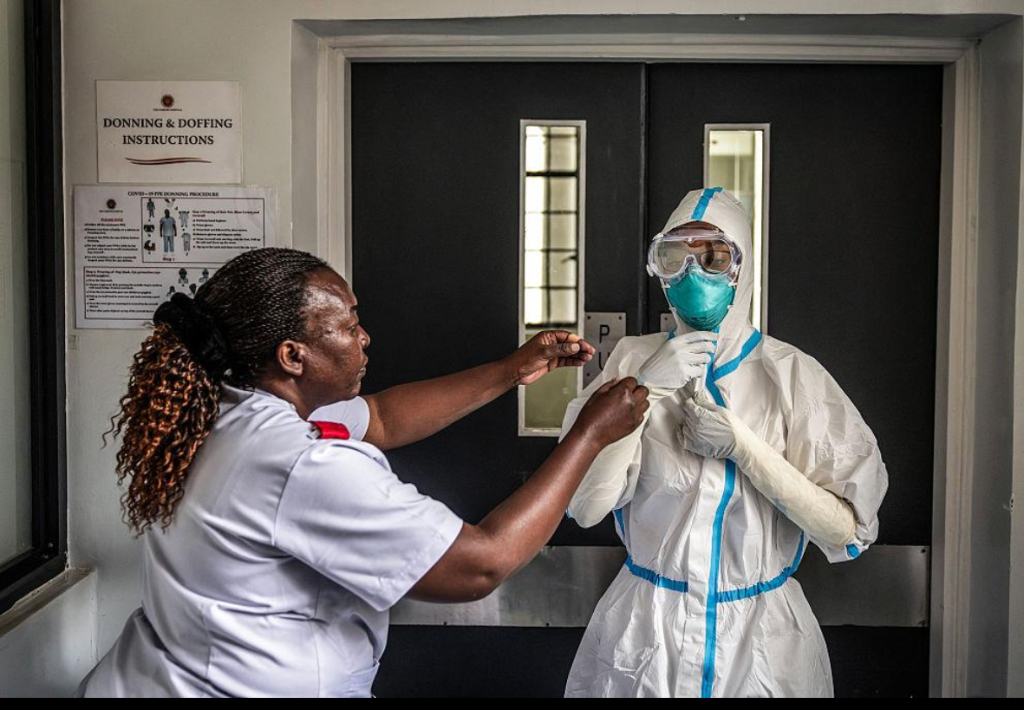
With the confirmation of Nigeria’s first Ebola case in years, public health officials and citizens alike are confronting a fresh wave of unease. The arrival of the Bundibugyo virus strain—imported into Abuja through a recent traveler—has reignited debates about the country’s preparedness and the broader risks facing West Africa as the epidemic spreads beyond Central and East Africa. From containment to reaction: how Nigeria’s health system is responding The Nigerian government announced late Tuesday that a woman who had recently traveled through East Africa had tested positive for Ebola virus…
Read MoreBurkina Faso’s capital punishment revival: a security cure or a step toward authoritarianism?
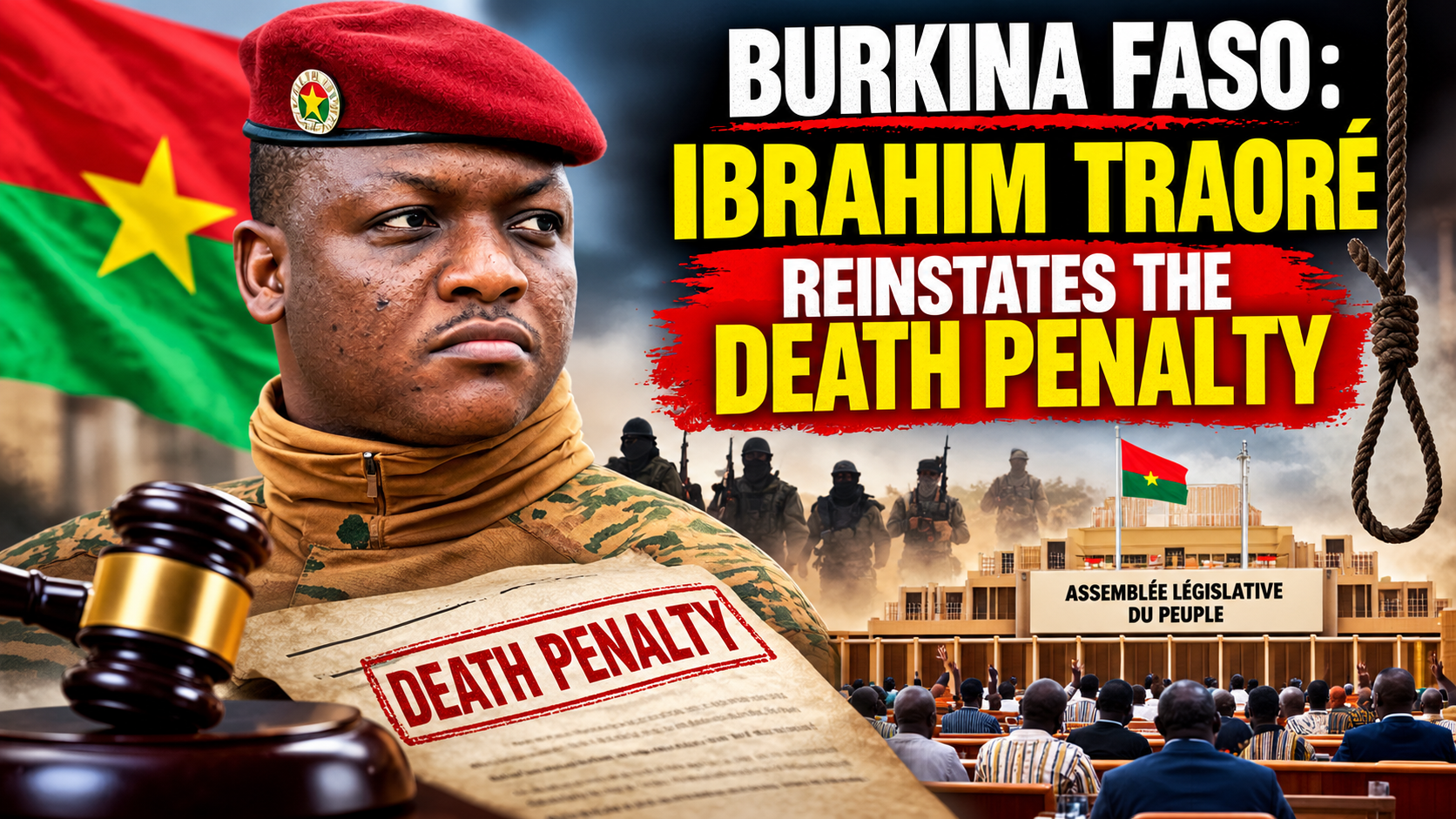
After the vote: how Burkina Faso’s capital punishment debate is reshaping national discourse Burkina Faso has entered uncharted legal territory after lawmakers approved a sweeping penal reform reintroducing capital punishment. While authorities frame the move as a necessary weapon against rising jihadist violence, critics warn it risks entrenching fear rather than restoring order. The unanimous passage of the new penal code by the legislative assembly signals not just a shift in criminal policy, but a broader transformation in how governance and justice are perceived under Captain Ibrahim Traoré’s leadership. The…
Read MoreSenegal’s unfolding crisis: how 72-hour strike exposes deeper social fractures
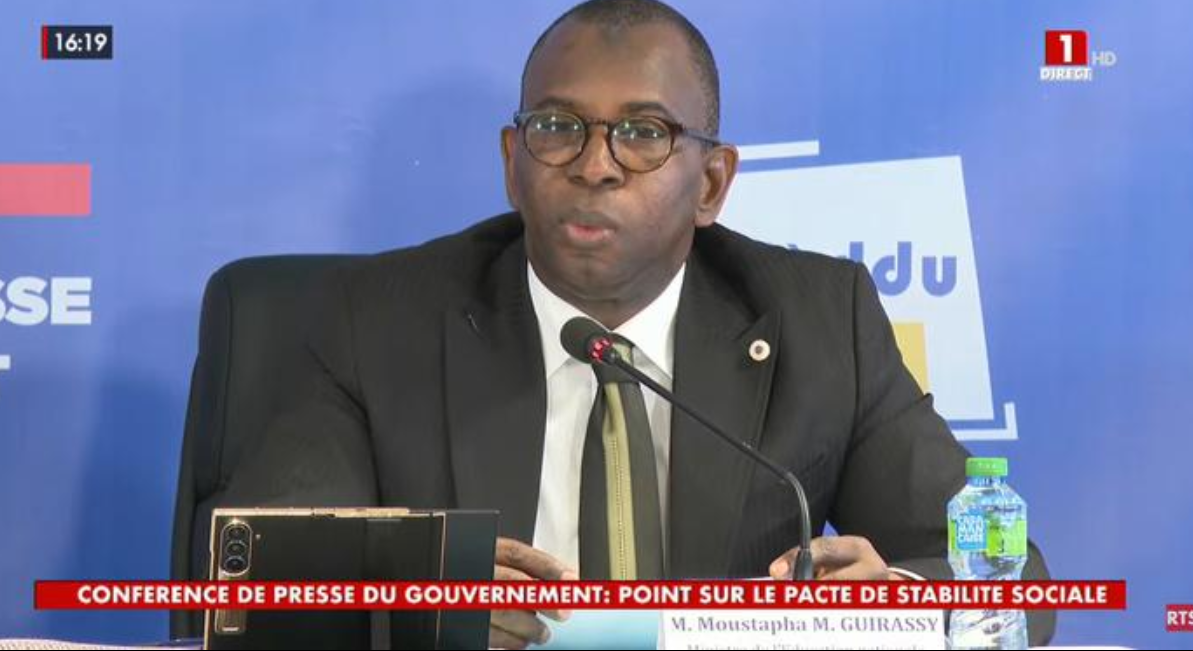
Why Senegal’s three-day strike has rattled the nation The 72-hour nationwide strike in Senegal entered its second day amid escalating tensions between workers’ unions and the government. With key sectors at a standstill, the mobilization has crystallized long-standing frustrations over unmet promises, delayed payments, and deteriorating working conditions. As the government scrambles to balance public pressure with legal strictures, analysts warn the standoff could redefine labor relations in the country ahead of critical events on the horizon. What the unions are demanding — and why it matters The strike spearheaded…
Read MoreMali : Plus de 40 civils massacrés à Tagadayat, Africa Corps face au défi de la protection des populations
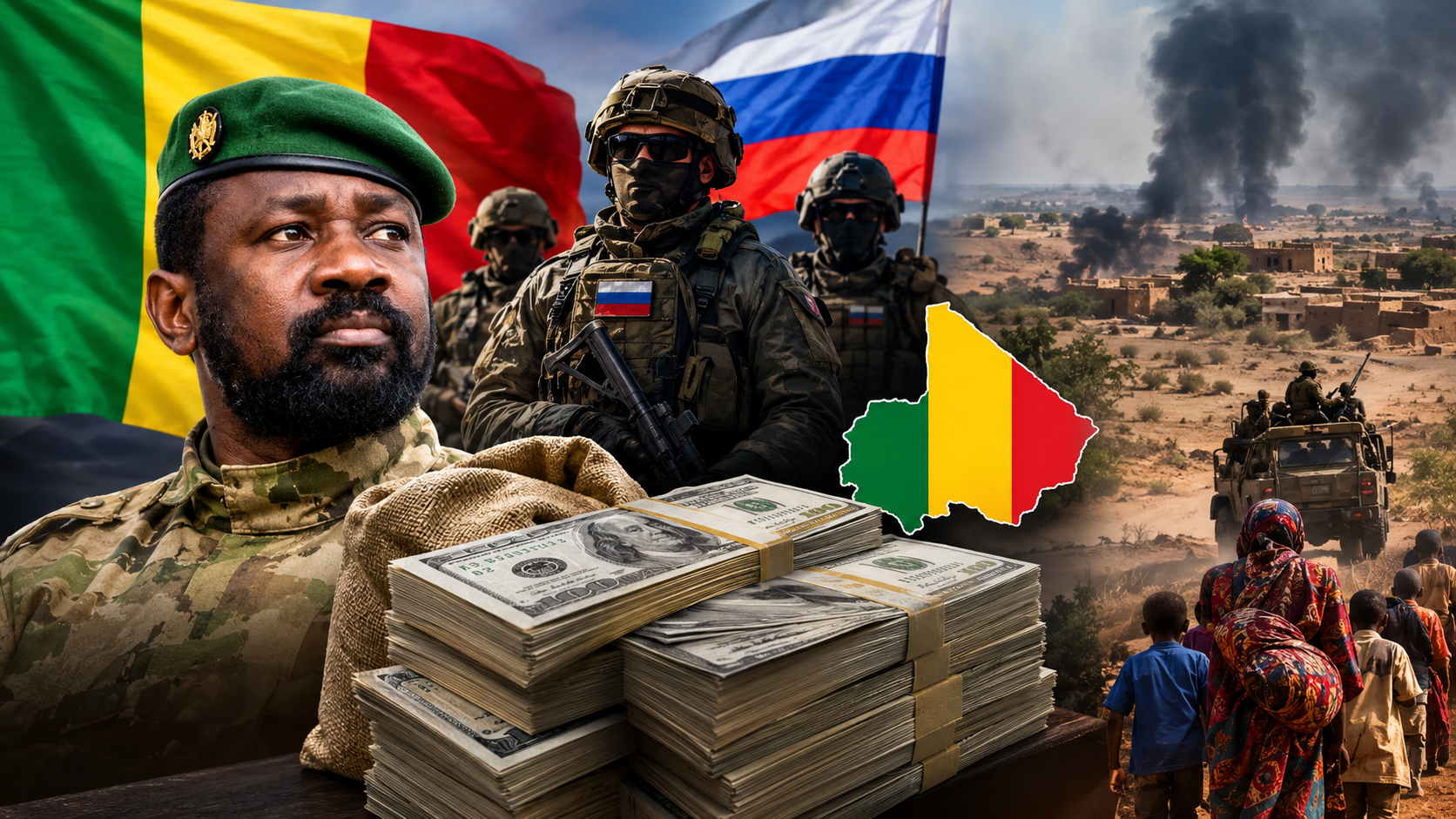
Alors que les attaques continuent de frapper le nord-est du Mali et de provoquer des déplacements de population, le massacre de Tagadayat relance les interrogations sur l’efficacité de la stratégie sécuritaire du pays. Des enquêtes journalistiques antérieures estiment à près de 900 millions de dollars le coût du partenariat militaire russe entre 2021 et 2025. Un montant considérable qui pose la question des résultats obtenus sur le terrain. MÉNAKA, Mali — Le bilan est une nouvelle fois lourd pour les populations civiles. Plus de 40 personnes ont été tuées dimanche…
Read MoreNiger faces fuel crisis protests: government clamps down amid energy sovereignty debate
As Niger grapples with soaring fuel shortages and mounting public frustration, the transitional authorities have taken a decisive—and controversial—step to suppress dissent. On October 21, the Ministry of Interior, led by General Mohamed Toumba, banned all demonstrations related to oil management, effectively silencing calls for accountability in the exploitation of the Agadem oil fields and the use of petroleum revenues. From policy failure to public outcry: how Niger’s energy model unraveled The timing of the ban is revealing. Across Niamey, long queues snake outside gas stations, a stark contrast for…
Read MoreMali’s billion-dollar gamble with Russian military support under scrutiny
Public backlash grows over Mali’s costly Russian military partnership The Malian government’s decision to pivot toward Russian military support first through Wagner Group fighters and later via the Africa Corps framework has sparked intense debate. With expenditures reportedly reaching nearly $1 billion, taxpayers and political observers are demanding accountability for a strategy that promised security but continues to face severe scrutiny. The sheer scale of the financial commitment raises pressing questions: After diverting vast public funds toward this alliance, what tangible outcomes can Bamako demonstrate to justify such an investment?…
Read MoreRussia’s African ventures: when security deals trade sovereignty for gold
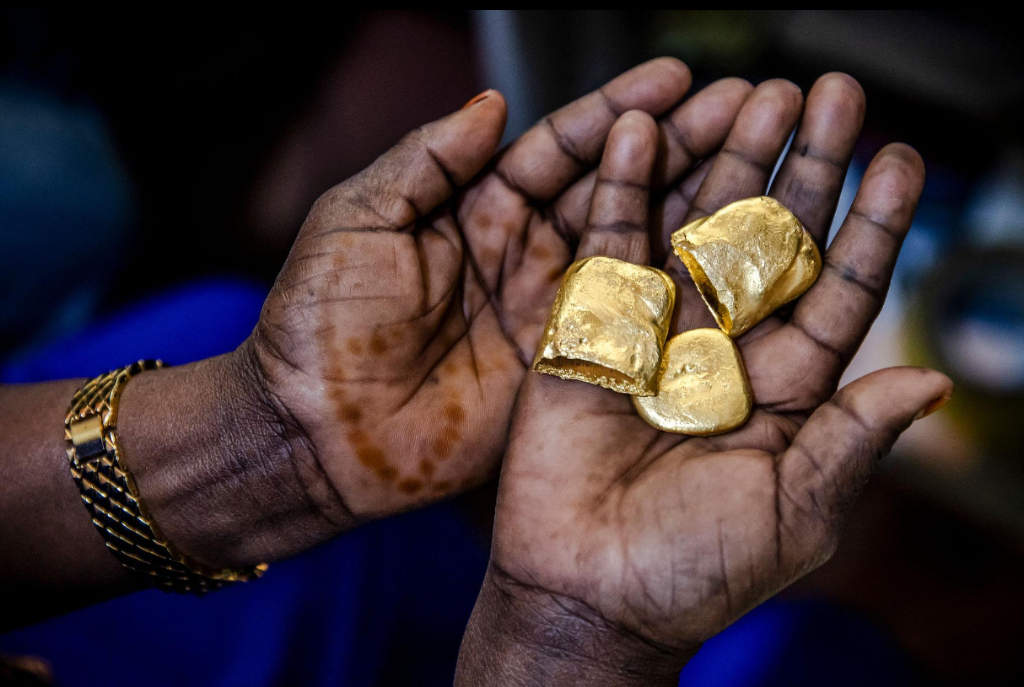
The fallout: public debate erupts over Russia’s shadowy Sahel deals The death of Wagner Group’s founder in 2023 left behind a sprawling business empire now allegedly worth over $400 million annually. But behind these staggering figures lies a troubling question: is Moscow’s security-for-resources model in Africa trading long-term sovereignty for short-term gains? In the Central African Republic, the fallout of this arrangement is sparking fierce debate—one that resonates deeply across the Sahel’s Alliance of States, where fragile governments are weighing similar partnerships against their own strategic autonomy. From military shield…
Read MoreBenin’s AIIB funding pipeline sparks debate on future economic impact
Benin’s AIIB funding pipeline sparks debate on future economic impact The announcement of a $730 million AIIB investment pipeline for Benin has triggered widespread public discussion about the long-term implications of this financial commitment. Scheduled for 2027-2028, the proposed investments target energy, transport, and climate resilience sectors, raising questions about how these funds will reshape the country’s economic landscape and address pressing developmental challenges. Understanding the $730 million pipeline: what’s already confirmed The agreement between Benin and the Asian Infrastructure Investment Bank (AIIB) outlines an indicative portfolio of $730 million…
Read More