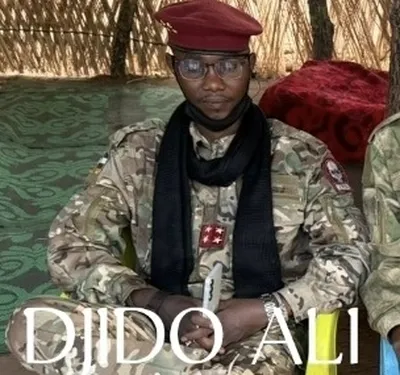
The Central African Republic has witnessed a dramatic shift in its military leadership, as pressure from Russian-backed mercenary groups led to the resignation of Ahmat Chaltout, the newly appointed chief of staff of the Popular Front for the Rebirth of Central Africa (FPRC). The power transition saw Didot Ali, the former head of the FPRC’s military wing, reclaim his position at the helm of the movement.
Russian mercenaries reshape Central African Republic’s military landscape
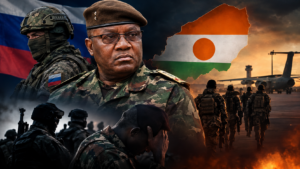
The intervention of Russian-backed forces in the Central African Republic has significantly altered the balance of power within the FPRC. These mercenary groups, operating under the guise of security contractors, have exerted considerable influence over local factions, reshaping alliances and military command structures.
Ahmat Chaltout, who had recently been installed as the FPRC’s chief of staff, found himself unable to maintain control amid escalating tensions. The pressure from these well-armed and strategically positioned mercenaries proved decisive in his sudden resignation.
Didot Ali reclaims leadership amid shifting power dynamics
Following Chaltout’s departure, Didot Ali has reassumed his role as the FPRC’s chief of staff, restoring his authority within the movement. His return marks a significant moment in the Central African Republic’s ongoing military and political evolution, reflecting the broader impact of external actors on local conflicts.
The Central African Republic continues to navigate a complex landscape, where military leadership is increasingly influenced by the presence of foreign-backed mercenary forces. The situation remains fluid, with implications for both regional stability and the future trajectory of the FPRC’s military operations.