Ousmane Sonko’s refusal reshapes Senegal’s political landscape
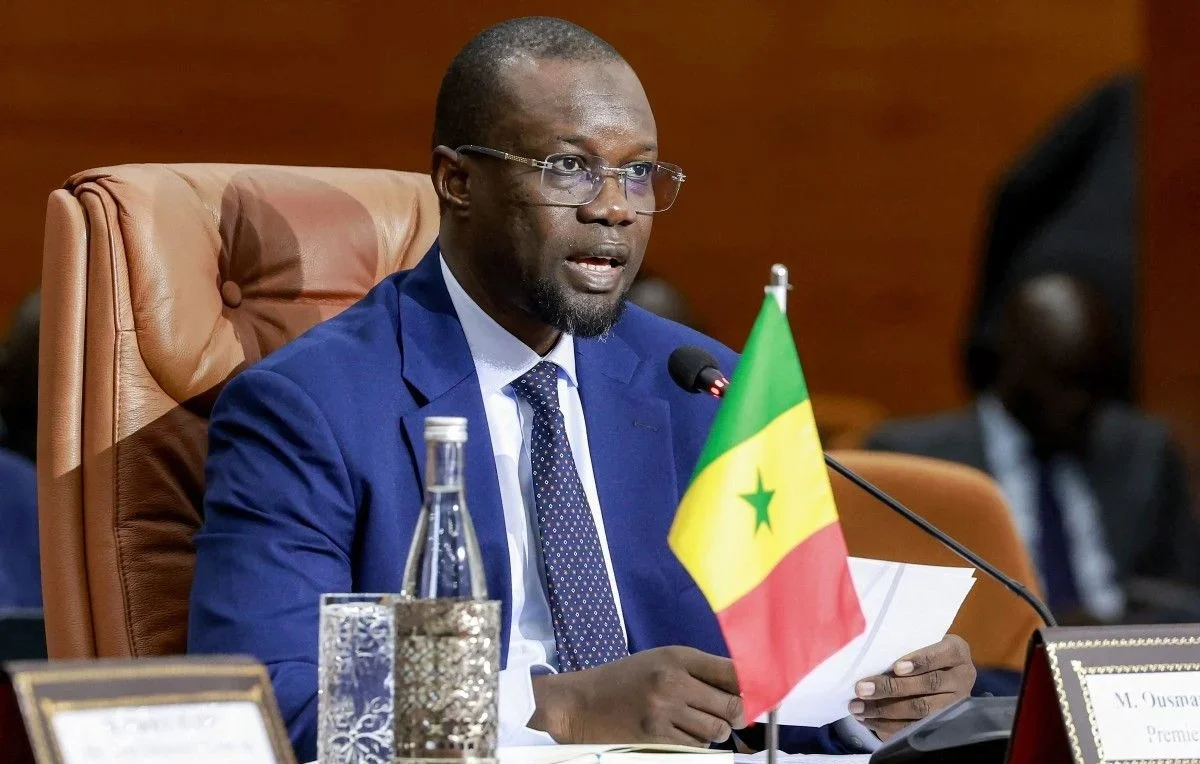
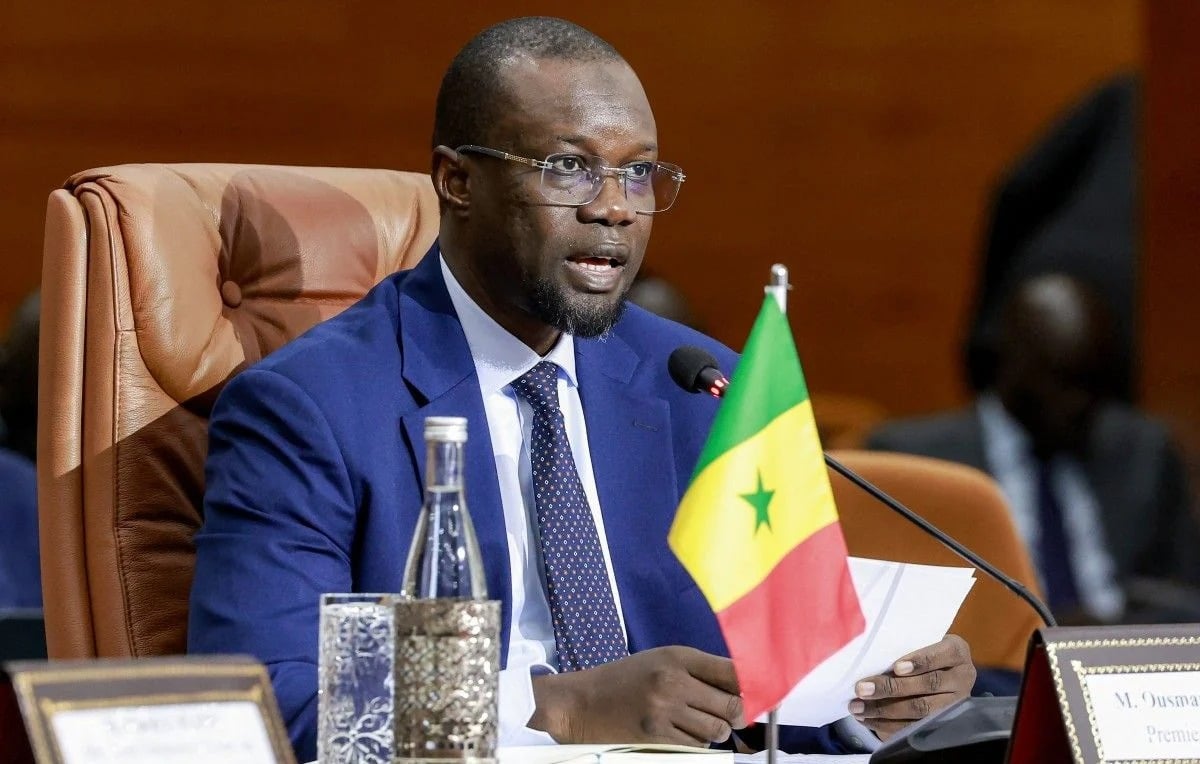
PASTEF-Les Patriotes has officially declined an invitation to join the government, bringing long-running negotiations to an abrupt halt. This decisive move reflects a clear political strategy, reshaping power dynamics within the state and underscoring a matter of political dignity.
A breakdown in high-stakes negotiations
What began as intense discussions between the Head of State and Ousmane Sonko reached an impasse. While polite references to « convergences » were exchanged, it was the irreconcilable differences that ultimately sealed the talks.
The crux of the disagreement centered on the balance of power and the actual influence granted to the parliamentary majority. By rejecting PASTEF’s final proposals outright, the President pushed the patriotic party to draw a definitive line in the sand.
Clarity over opacity: PASTEF’s strategic stand
PASTEF’s approach contrasts sharply with the perceived ambiguity surrounding the executive branch. The party emphasizes its methodical process—consultations, internal reviews, and a commitment to accountability—while questioning the lack of transparency in the government’s structure.
Ousmane Sonko’s stance is unambiguous: accepting a role in the administration without full knowledge of its framework would amount to endorsing a blank check. For PASTEF, this was a red line.
Political dignity takes precedence
The party’s final statement leaves no room for ambiguity:
« As a result, PASTEF will not participate in the next government or be represented by any minister. »
This firm stance eliminates any possibility of last-minute defections or symbolic appointments with no real decision-making power. PASTEF refuses to be relegated to a decorative role, insisting on meaningful influence over the nation’s direction.
PASTEF’s next moves: a strategic retreat
By opting out of the executive, PASTEF has made a bold strategic decision with two key advantages:
- Protecting political capital: By distancing itself from day-to-day governance—often fraught with challenges and unpopular decisions—the party maintains its integrity and public standing.
- Strengthening its parliamentary role: With a solid mandate from voters, PASTEF will intensify its oversight, holding the government accountable with unwavering scrutiny.
This withdrawal is far from a sign of weakness. Instead, it signals a bold assertion of autonomy, signaling a potential hardening of political tensions in the coming months.