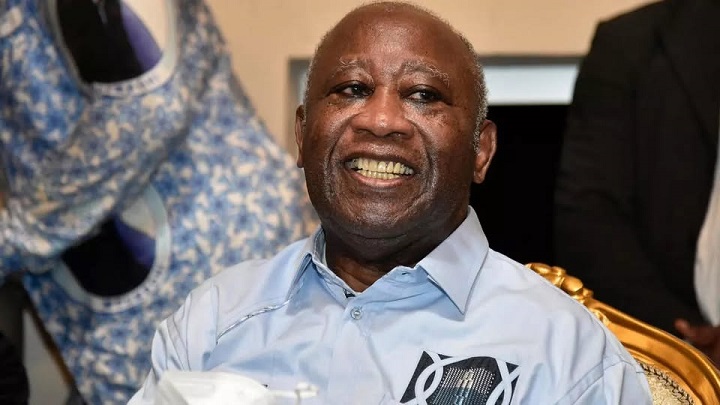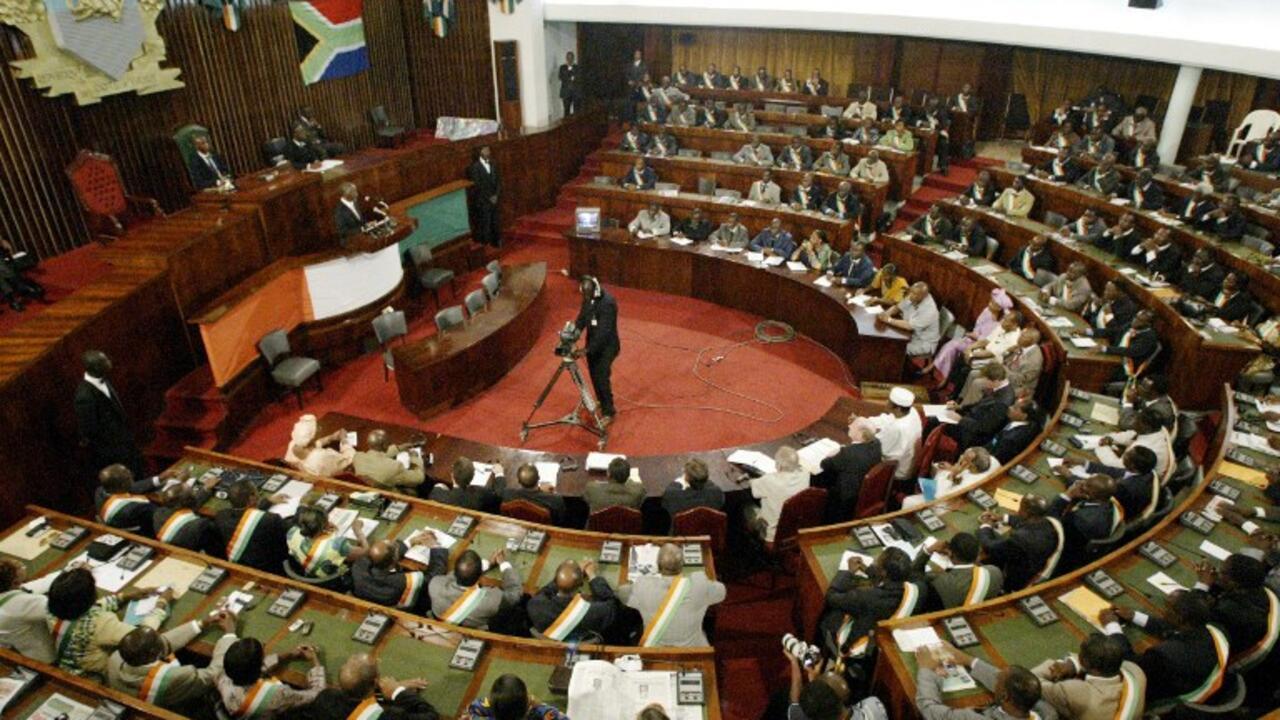
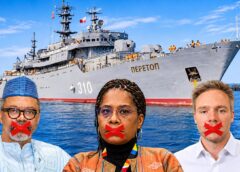
The PPA-CI is navigating turbulent waters as it approaches its first ordinary congress scheduled for 14-15 May 2026 in Abidjan. The party’s leadership, under the presidency of Laurent Gbagbo, has issued a stern warning to its ranks: discipline will be enforced without exception. In a formal statement released on 13 May 2026, the party’s secretary-general, Tchéidé Jean Gervais, announced disciplinary actions against 61 cadres and activists, deemed ‘undisciplined’ by the leadership. The decision, validated by the party’s presidency and grounded in Council Strategy and Policy (CSP) resolution No. 02-2026/CSP/PPA-CI/KKJ/07052026, underscores…
Read MoreUs visa rules relaxed for senegalese world cup 2026 supporters
Major changes are underway for Senegalese football fans planning to attend the 2026 FIFA World Cup in the United States. The U.S. government has significantly revised its visa policies, removing long-standing financial barriers that previously restricted travel for supporters from qualifying African nations. what changed in the visa process for senegalese supporters Under the new guidelines, Senegalese citizens holding valid match tickets or enrolled in the FIFA Pass program no longer face the previous requirement of submitting a substantial financial guarantee. This policy adjustment applies specifically to individuals traveling for…
Read MoreMali conflict shifts beyond battlefield to legitimacy battle
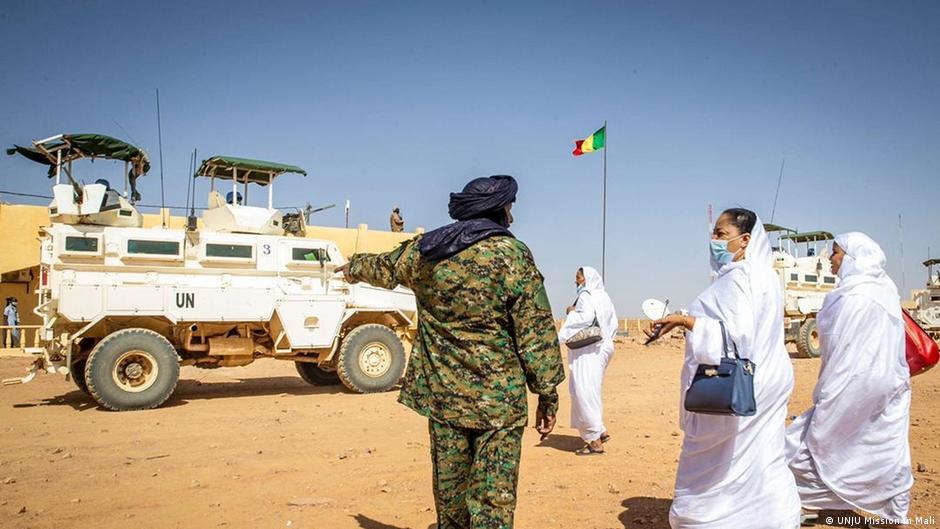
The security landscape in Mali has taken a dramatic turn for the worse. Coordinated offensives by jihadist factions and separatist movements in the northern regions have placed unprecedented pressure on the Malian state. Yet beneath the surface of these military confrontations, a more subtle but decisive shift is unfolding: the conflict’s center of gravity has moved elsewhere. What is unfolding in Mali today transcends a mere battlefield struggle. For over a decade, the Malian crisis has been framed through a security-first lens. Military interventions, supported by successive international partners, have…
Read MoreTchad: eight opposition leaders handed eight-year prison terms
In Chad, the sentencing of eight leaders from the Political Actors Consultation Group (GCAP) to eight years in prison has ignited a fierce political debate. Five days after the verdict, Hissein Abdoulaye, spokesperson for the opposition coalition, broke his silence to denounce what he calls a deliberate attempt by authorities to silence dissent. The ruling coincides with a period when Chadian leadership is striving to solidify the institutional framework emerging from the transition. Sentence seen as a political message The opposition coalition argues that the severity of the sentence is…
Read MoreWomen economic rights in Africa: Chad ranks 36th out of 54 countries
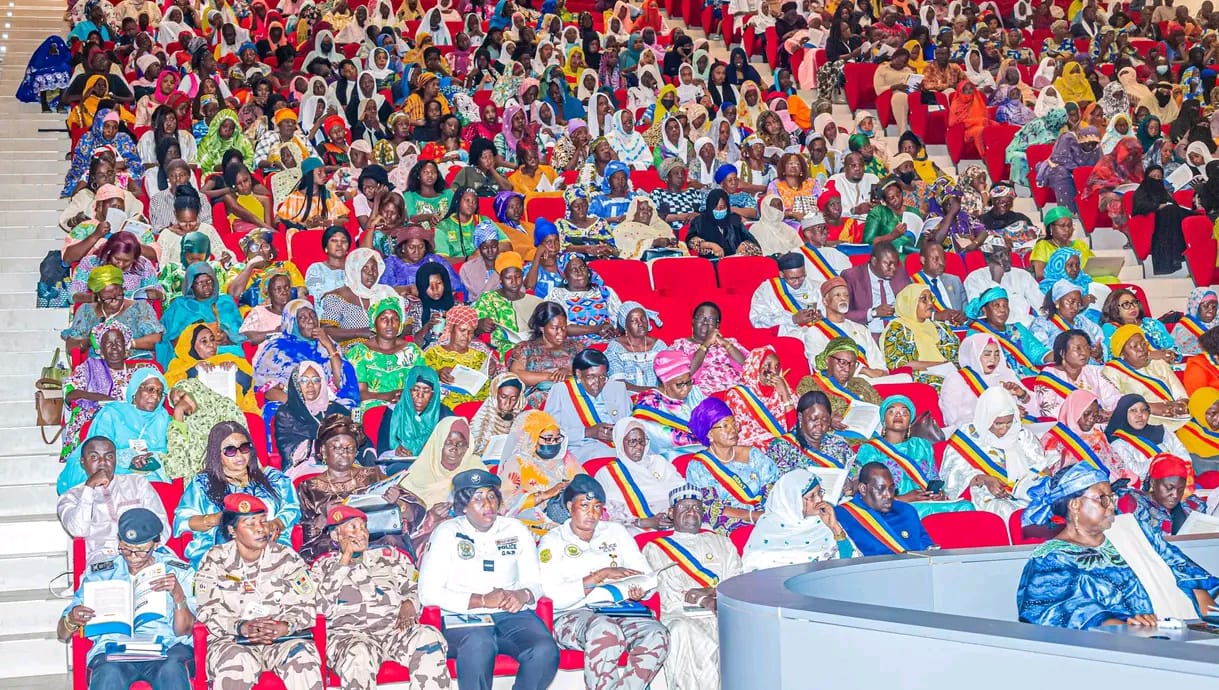
In the latest Women, Business and the Law 2026 assessment by the World Bank, Africa’s progress toward gender parity in economic rights remains uneven. While several nations have made strides, Chad continues to lag behind, underscoring persistent systemic challenges. How Chad stacks up in Africa’s economic gender equality ranking Chad ranks 36th out of 54 African economies, scoring a modest 51.40 out of 100. It trails just behind Burundi (35th place, 52.68 points) and sits ahead of Botswana and Nigeria, which share the 37th position with 51.10 points. This places…
Read MoreCôte d’Ivoire’s electoral commission dissolved: a new era for political calm?
A significant transition is underway in Côte d’Ivoire as the nation closes a chapter on its electoral history. After a quarter-century of overseeing and organizing national elections, the Independent Electoral Commission (CEI) has officially ceased to exist. This institution, which frequently faced strong opposition criticism, leaves behind a complex legacy. The central question now revolves around the future: What assessment can be made of the CEI’s long tenure? More importantly, what shape should the successor body take to truly guarantee fair and peaceful elections across the country? The aspirations for…
Read MoreNiger’s escalating displacement crisis affects over a million people
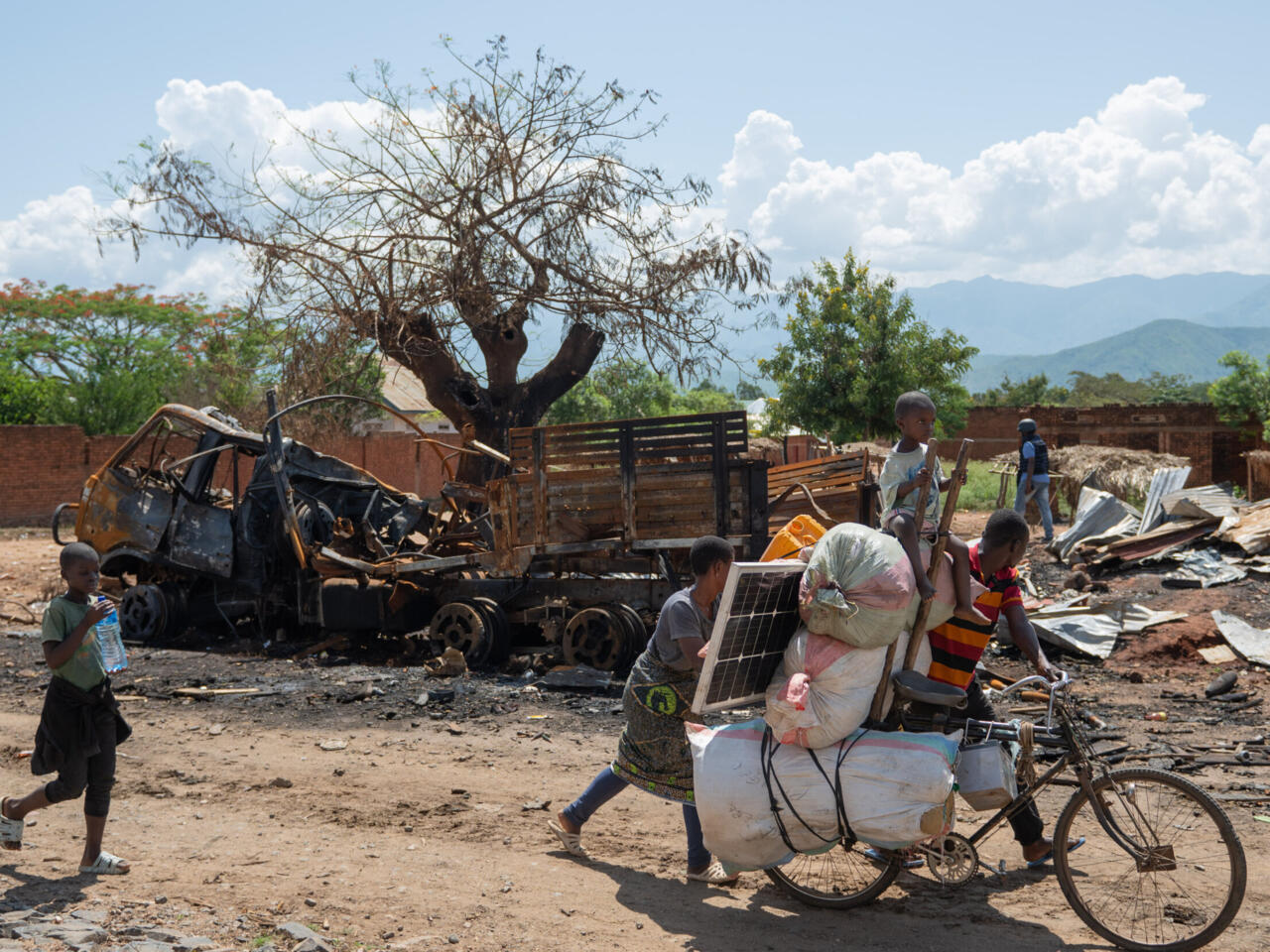
In Niger, a staggering number of individuals, exceeding one million, are currently enduring forced displacement. This significant figure, recently detailed by the United Nations High Commissioner for Refugees (UNHCR), highlights a deepening humanitarian challenge. More than half of these displaced individuals are internally displaced persons (IDPs), primarily concentrated in two southern regions of the nation, areas grappling with persistent activities from armed groups. The remaining population consists of refugees and asylum seekers, all in urgent need of assistance within what is described as an increasingly complex environment. Specifically, internally displaced…
Read MoreCôte d’Ivoire boosts local sheep farming ahead of Eid al-Adha
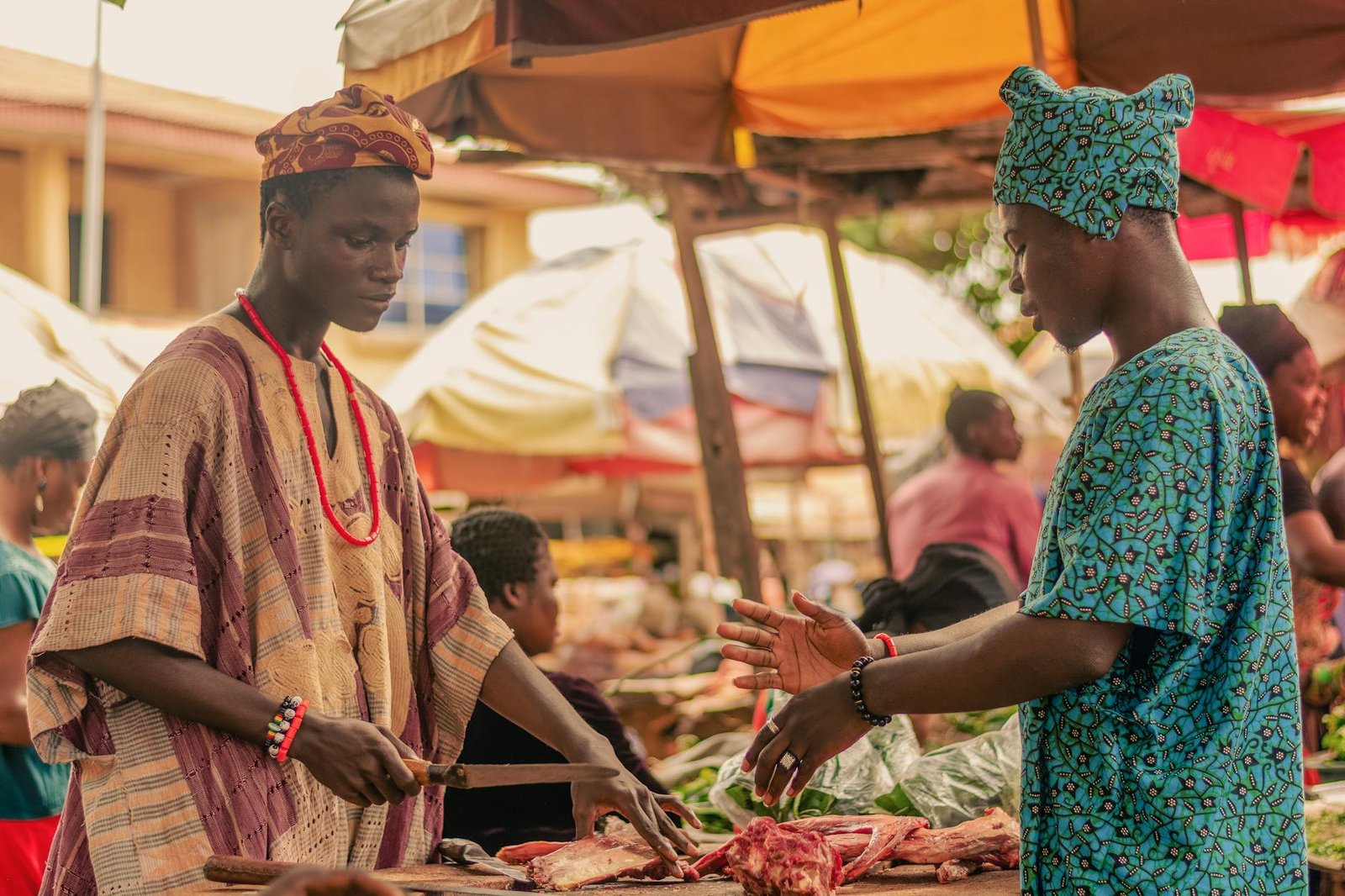
With Eid al-Adha just weeks away, Côte d’Ivoire’s National Council for Combating High Prices (CNLVC) is rolling out a strategic plan focused on local sheep production to stabilize market prices. Under the Ministry of Trade, the council believes that ramping up domestic breeding offers the fastest solution to meet the surging demand for livestock during this major Islamic festival, when tens of thousands of sheep are sold within days. Nation’s sheep farming sector seeks to expand Côte d’Ivoire traditionally relies on Sahelian livestock hubs, particularly Mali, Burkina Faso, and Niger,…
Read MoreAlgeria and Chad push forward trans-saharan road sections in n’djamena
Abdelkader Djellaoui, Algeria’s Minister of Public Works and Basic Infrastructure, commenced a significant two-day working visit to the Republic of Chad this Wednesday. Leading a high-level delegation, Minister Djellaoui’s agenda centers on exploring tangible strategies for advancing shared infrastructure initiatives, with a primary focus on the transformative Trans-Saharan Road project. This pivotal visit underscores the direct directives issued by Algerian President Abdelmadjid Tebboune. It also builds upon the productive discussions held during the Chadian President’s recent diplomatic trip to Algeria, embodying a mutual commitment to forge a “concrete and pragmatic”…
Read MoreMali: examining the trajectory of the jnim and fla alliance
The evolving alliance between the Jama’at Nusrat al-Islam wal Muslimeen (JNIM) and the Front de Libération de l’Azawad (FLA) in Mali continues to be a critical point of analysis for security experts and regional observers. A key question remains: what is the ultimate trajectory and potential impact of this collaboration on the stability of the Sahelian nation? By Aïcha Abdou — Senior correspondent
Read MoreSenegal’s escalating cyberattacks raise digital resilience concerns
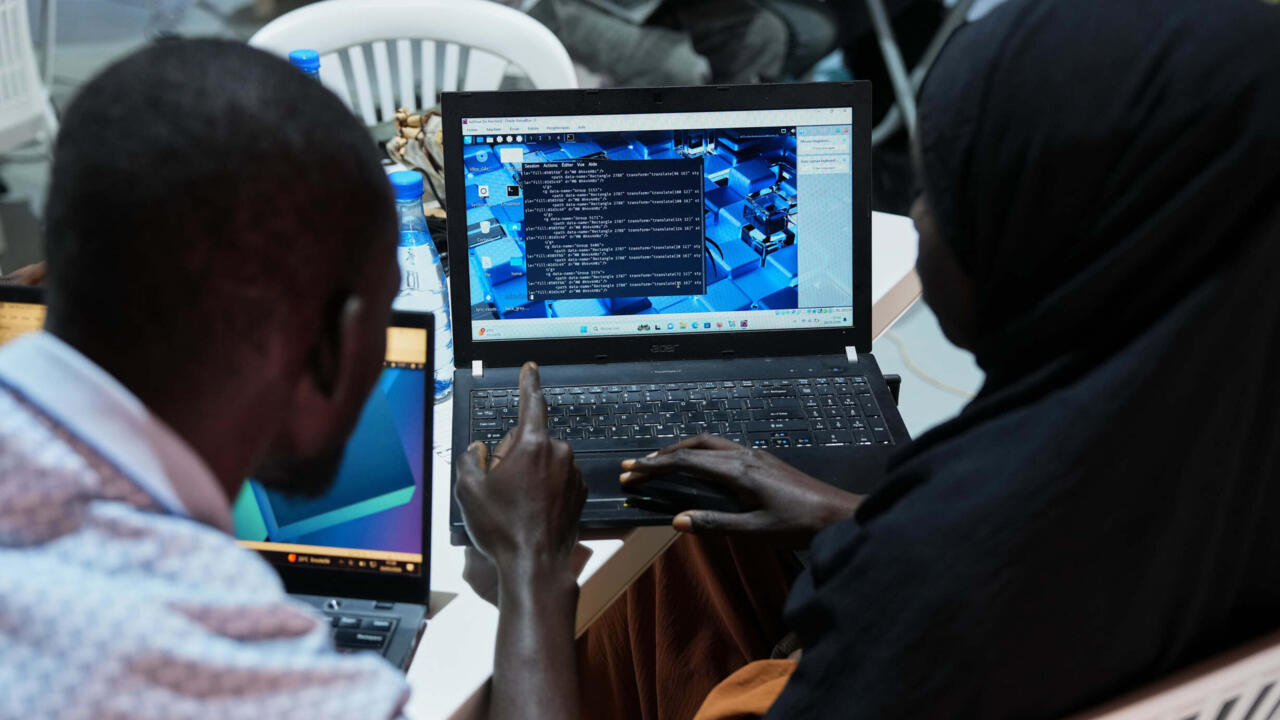
The persistent wave of cyberattacks targeting the Senegalese state continues to escalate. Following incidents affecting the tax authority in October and the national identity card department in January, the Public Treasury has now become the latest victim of malicious hackers. While each of these events might have been dismissed as a mere technical glitch in isolation, their recurring nature and the critical government institutions targeted paint a far more alarming picture. This pattern underscores a profound vulnerability within Senegal’s digital and public infrastructures, prompting serious concerns about the nation’s overall…
Read MoreMali’s peace quest: navigating security and political crises
PoliticsAfrica Mali’s peace quest: navigating security and political crises PoliticsAfrica Mali finds itself grappling with escalating uncertainty, as armed group attacks intensify daily across the nation. The pressing questions remain: how can this deepening crisis be resolved, and how can the intercommunity coexistence, severely strained by years of conflict, be safeguarded? For years, Mali has been embroiled in a relentless spiral of security and political turmoil. The security crisis escalates with persistent assaults from jihadist and separatist armed groups. A stark reminder of this danger was the recent attack on…
Read More