Democracy in Sahel states faces uncertain future
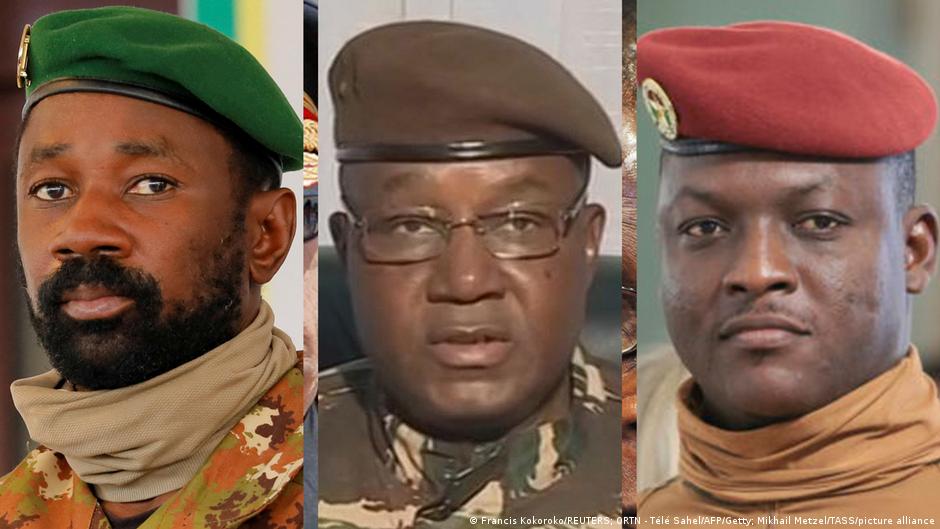
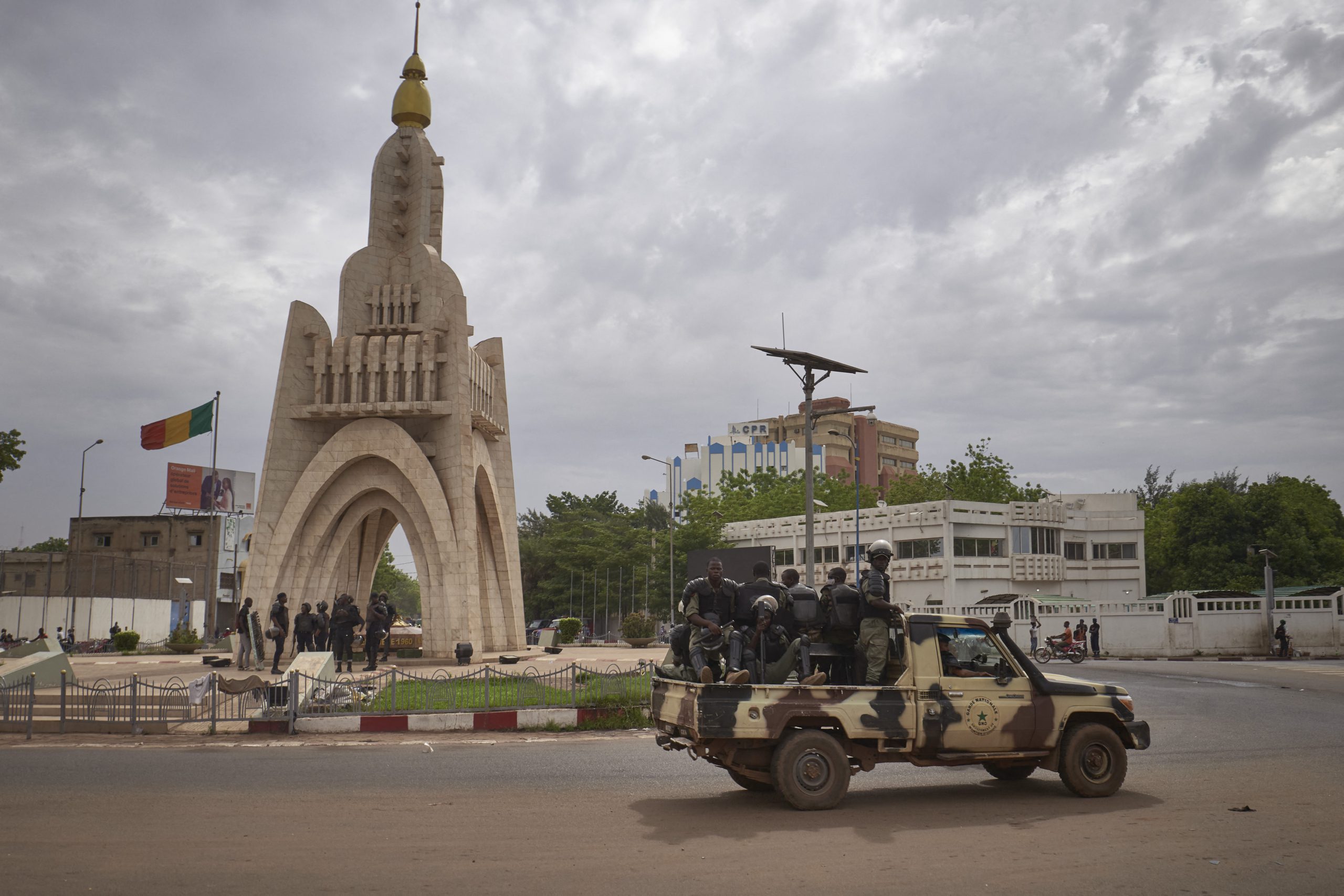
The Alliance of Sahel States (AES)—comprising Burkina Faso, Mali, and Niger—has become a focal point for debates on democracy in West Africa. These nations, governed by military juntas since 2020, share a common struggle against terrorism and armed groups that have destabilized the region for years. Spanning over 2.8 million square kilometers, their territories have faced relentless attacks, prompting public support for military takeovers as a perceived solution to chronic instability. military rule and the erosion of democratic norms While the juntas cite security concerns as justification for their rule,…

Read More

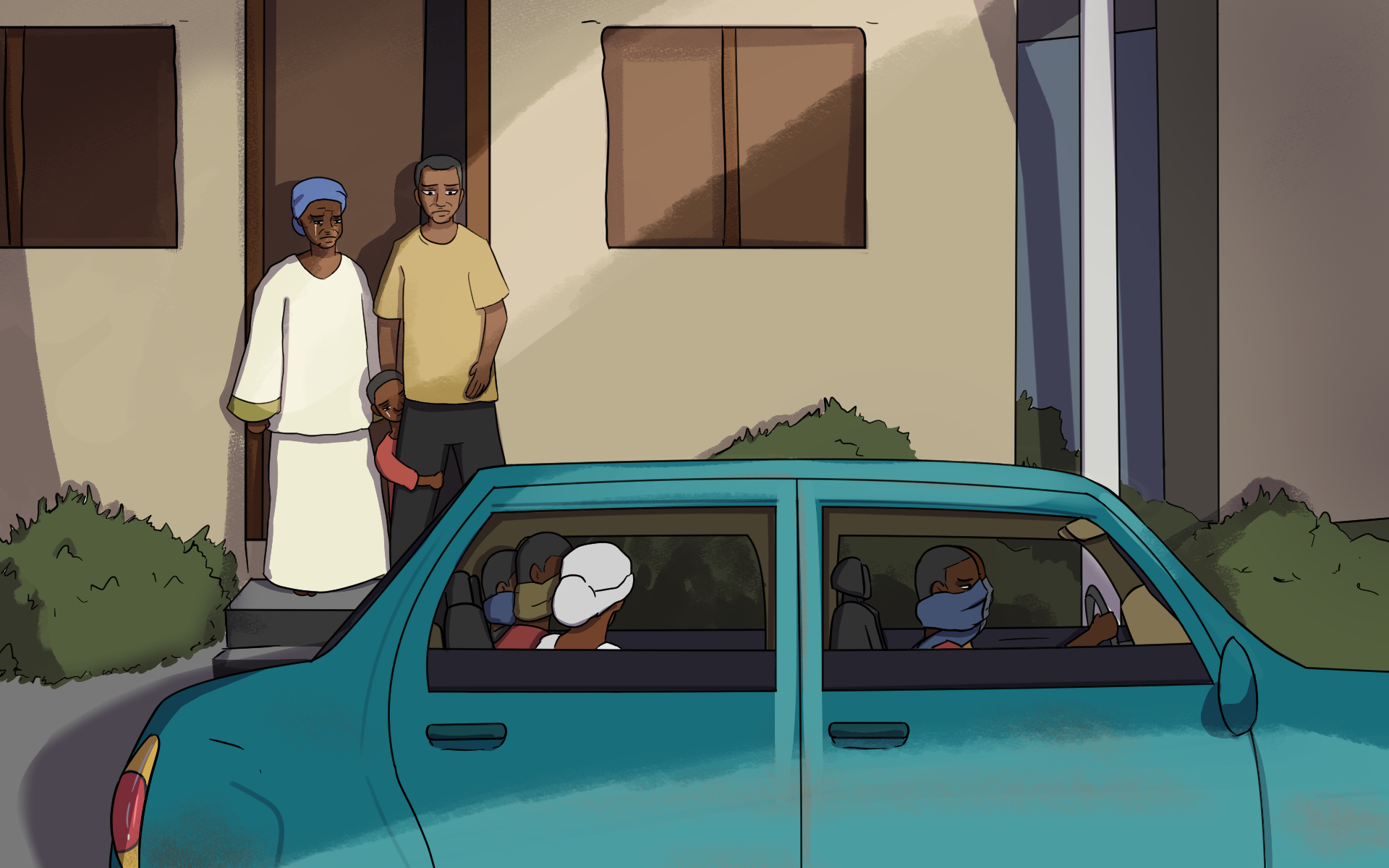
Forced disappearances as tools of repression by west african military regimes

Military regimes in Mali, Guinea, Burkina Faso and Niger are systematically using forced disappearances and illegal detentions to silence critics and suppress dissent. These tactics, widely documented in recent reports, target activists, journalists, lawyers and human rights defenders who challenge military rule or demand a return to constitutional order. In Guinea, two prominent opposition figures—Mamadou Billo Bah and Oumar Sylla (also known as Foniké Menguè)—were abducted from Oumar Sylla’s home just before a nationwide protest against rising living costs and military rule. According to Mohamed Cissé, another detained activist who…

Read More

Mali authorities urged to abandon plan to dissolve political parties

Why dissolving Mali’s political parties is a dangerous step Ousmane Diallo, a Sahel researcher at Amnesty International’s regional office for West and Central Africa, has strongly criticized a proposal to dissolve all political parties in Mali following consultations on revisions to the Political Parties Charter. He warns that such a move would blatantly violate fundamental rights, including freedom of expression and association. Diallo urges authorities to halt the growing crackdown on civic space and uphold the human rights of all citizens—especially critics, human rights defenders, and opposition members. He emphasizes…

Read More

Mali pioneers hybrid malaria vaccine strategy for children

In a groundbreaking initiative, Mali has become the first country globally to adopt a hybrid malaria vaccination approach, marking a significant advancement in the fight against one of Africa’s deadliest diseases. This innovative strategy combines routine immunization with seasonal vaccination to maximize protection for children most at risk. On World Malaria Day, the Ministry of Health and Social Development of Mali, in collaboration with Gavi, UNICEF, and the World Health Organization (WHO), launched this pioneering method targeting children aged five to 36 months. The hybrid approach delivers the first three…

Read More

Crackdown on dissent in Burkina Faso targets critical voices

The Burkina Faso authorities have escalated their crackdown on dissent by listing several journalists and activists—now living in exile—among individuals sought for alleged ties to terrorist-linked criminal associations. What appears to be a legal maneuver is widely seen as a thinly veiled tactic to silence media scrutiny and suppress opposition voices. escalating repression under the guise of counter-terrorism Recent actions by the Burkina Faso government reveal a troubling pattern: the inclusion of critical journalists and activists on a “wanted” list under the charge of “criminal association in relation to a…

Read More

Burkina Faso’s military junta intensifies crackdown on journalists

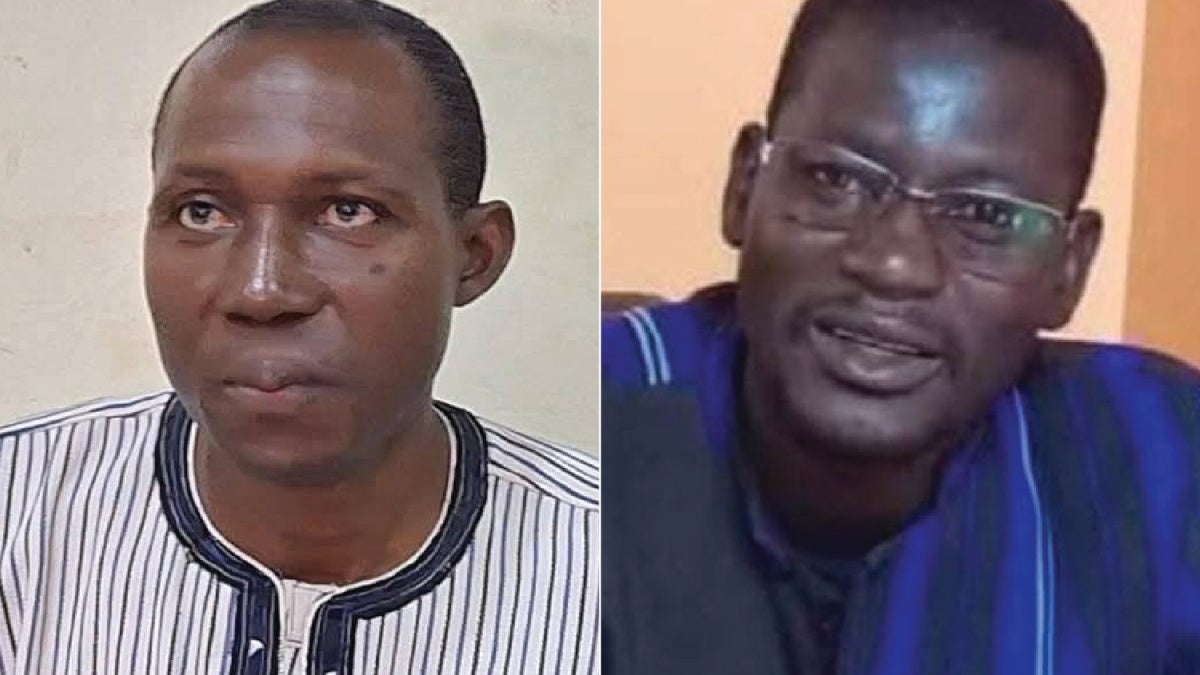
Click to expand Image (Nairobi) – The military junta governing Burkina Faso detained three journalists on March 24, 2025, for their reporting on the government’s escalating crackdown on media, Human Rights Watch announced today. Authorities apprehended Guezouma Sanogo and Boukari Ouoba, who serve as president and vice-president of the Association of Journalists of Burkina (AJB) respectively, along with Luc Pagbelguem, a journalist from the private television channel BF1, in the capital city of Ouagadougou. The current whereabouts of these three individuals remain unknown, raising serious concerns about potential enforced disappearances.…

Read More

Amnesty International raises alarm over escalating repression in Niger

Eighteen months following the military takeover on 26 July 2023 that ousted President Mohamed Bazoum, the CNSP military junta is consolidating its authority over Niger. A recent report by Amnesty International, released on 18 March, documents a disturbing trend of forced disappearances, unlawful detentions, media suppression, and the prohibition of political activities. The document, titled “Niger: Threatened and Silenced: Human Rights and Civic Space Under Pressure Since the 26 July Coup,” details significant violations of political and civil liberties occurring between July 2023 and January 2025. Critical voices and former…

Read More

Repression trends against human rights defenders in Sahel nations

Sahel governments escalate crackdowns on human rights defenders The Sahel region is witnessing an alarming surge in state-led repression targeting human rights defenders and civil society organizations. A new report reveals systemic attempts by governments in Burkina Faso, Mali, Niger, and Chad to silence dissent through coordinated legal harassment, arbitrary detentions, and digital surveillance. © AFP Systematic repression methods uncovered The report by the Observatoire pour la protection des défenseurs des droits humains (a joint program of FIDH and OMCT) documents 61 verified cases of human rights violations against defenders…

Read More

Sahel junta regimes risk justice as countries exit ECOWAS

The Sahel region is facing a troubling shift as military juntas in Burkina Faso, Mali, and Niger tighten their grip on power, each sharing a dangerous disregard for accountability. These regimes share three critical—and concerning—commonalities. First, they are all governed by unelected military leadership. Second, they are notorious for committing severe human rights violations, including widespread civilian atrocities in conflict zones, alongside systematic suppression of civil and political freedoms. Third, they have collectively withdrawn from the Economic Community of West African States (ECOWAS). While this final point may seem unrelated…

Read More

Niger’s landmark achievement: first african nation to eradicate river blindness

The World Health Organization (WHO) has officially recognized Niger for successfully meeting the criteria for onchocerciasis elimination. This significant public health milestone positions Niger as the fifth country globally and the inaugural nation in Africa to be certified by the WHO for halting the transmission of the parasite Onchocerca volvulus. “Eliminating a disease represents a monumental achievement, demanding tireless dedication,” stated Dr. Tedros Adhanom Ghebreyesus, Director-General of the WHO. “I commend Niger for its unwavering commitment to freeing its people from this stigmatizing, sight-robbing disease, which inflicts immense human suffering,…

Read More

Burkina Faso secures World Bank funding to boost health system resilience

World Bank approves €142 million to strengthen Burkina Faso’s health system WASHINGTON — The World Bank has approved a €142 million ($150 million) credit from the International Development Association (IDA) and a $17 million grant from the Global Financing Facility (GFF) to fund the Performance and Resilience Strengthening Health System Project (PRPRSS). This initiative targets adolescents, women, and children under five, aiming to enhance disease surveillance, health service utilization, and nutrition. The project will span the entire country, with special focus on internally displaced persons and underserved communities. Aligning with…

Read More

Mali launches HPV vaccine to fight cervical cancer in women

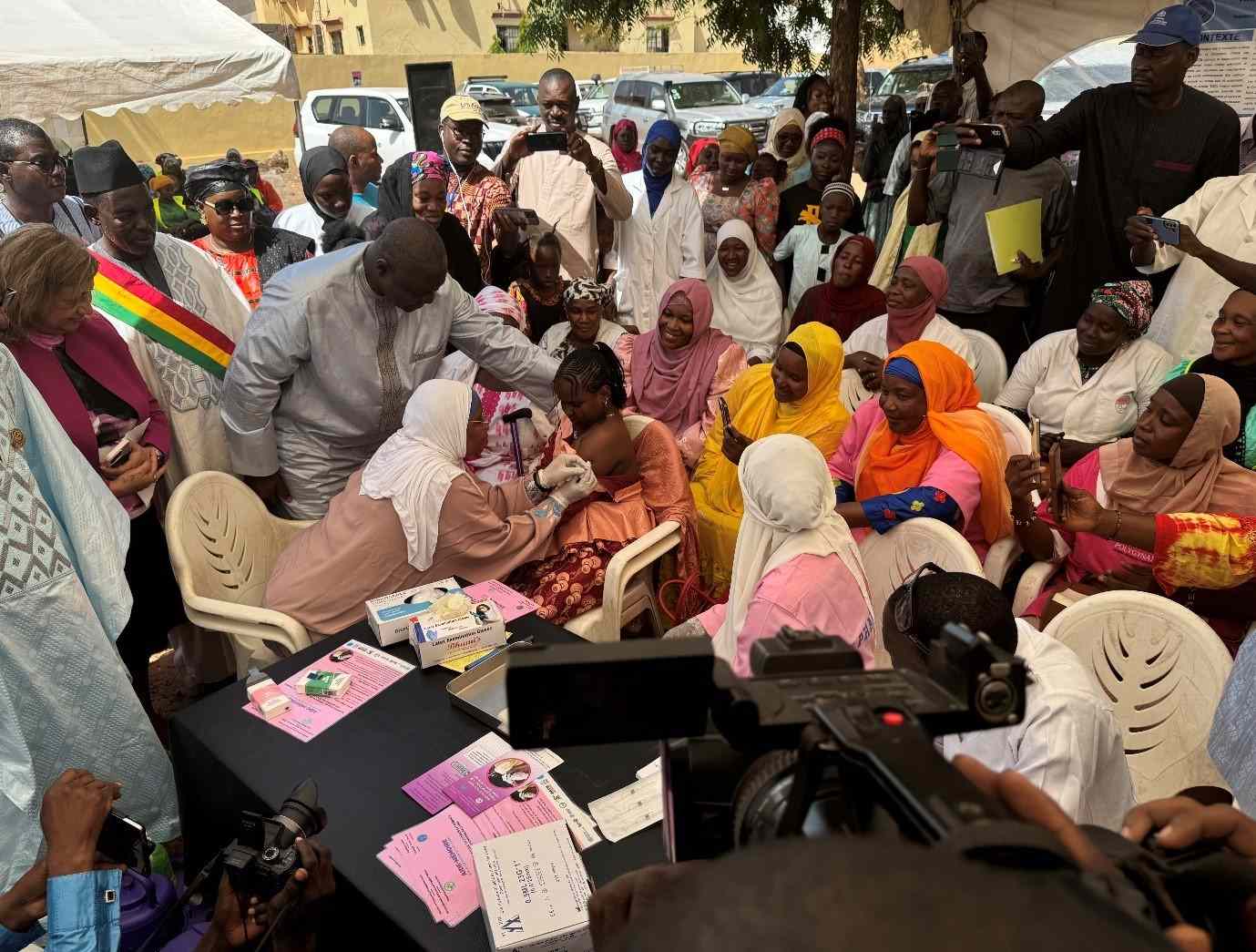
Mali’s groundbreaking HPV vaccine initiative to protect generations of women In a historic move for public health, the Malian government has integrated the human papillomavirus (HPV) vaccine into its routine immunization program. Launched in early November in Bamako with participation from Gavi, international partners, and health officials, this initiative represents a major milestone in combating cervical cancer among Malian women. The HPV vaccine marks a turning point in Mali’s healthcare landscape, offering hope to millions of women who have long suffered from this preventable disease. For many Malian women, cervical…

Read More