Togo’s 2027 budget: public reaction and the road ahead after controversial cuts
The reaction to Togo’s 2027 budget has been swift and sharply divided. At 2,684.1 billion FCFA, the proposed fiscal plan lays bare the government’s priorities—security, economic transformation, and social cohesion—but also exposes deep uncertainties. Citizens, analysts, and lawmakers are now debating: which sectors will truly benefit from these allocations? How will the funding gaps be closed? And, most critically, what safeguards exist to ensure these budgets translate into tangible improvements for ordinary Togolese? The draft finance bill, approved by the Council of Ministers on 22 October 2026, aligns with the…

Read More

Bénin’s Démocrates party: fallout grows as appeal verdict looms and Atchadé tightens grip

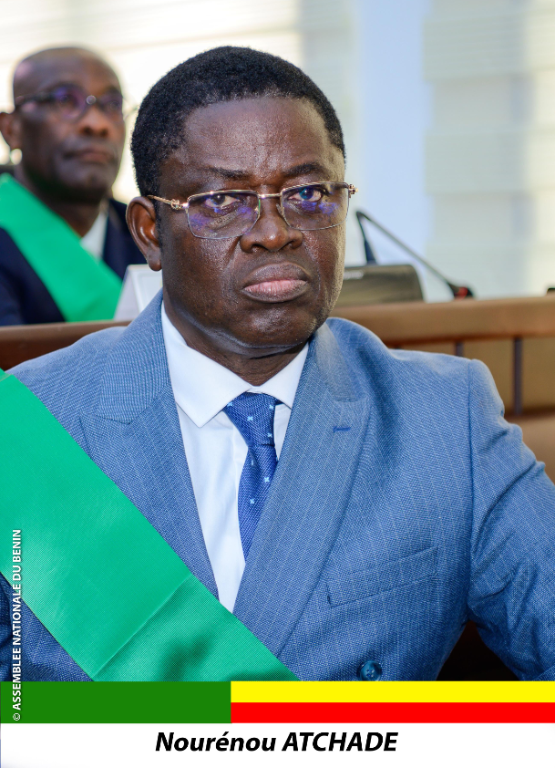
The protracted leadership battle within Bénin’s main opposition party, Les Démocrates, has entered a new phase of uncertainty. With the appeal trial in the Houndété-Atchadé dispute now postponed to 14 January 2027, the political fallout intensifies. Amid ongoing legal wrangling, Nourénou Atchadé’s faction solidified its position by securing his presidency during an extraordinary party congress on 11 October 2026, raising fresh questions about legitimacy, unity, and the party’s future direction. Public reactions and the deepening divide The postponement of the appeal hearing has done little to ease tensions. Instead, it…

Read More

Niger’s diplomatic shift: public debate and future outlook after eu tensions

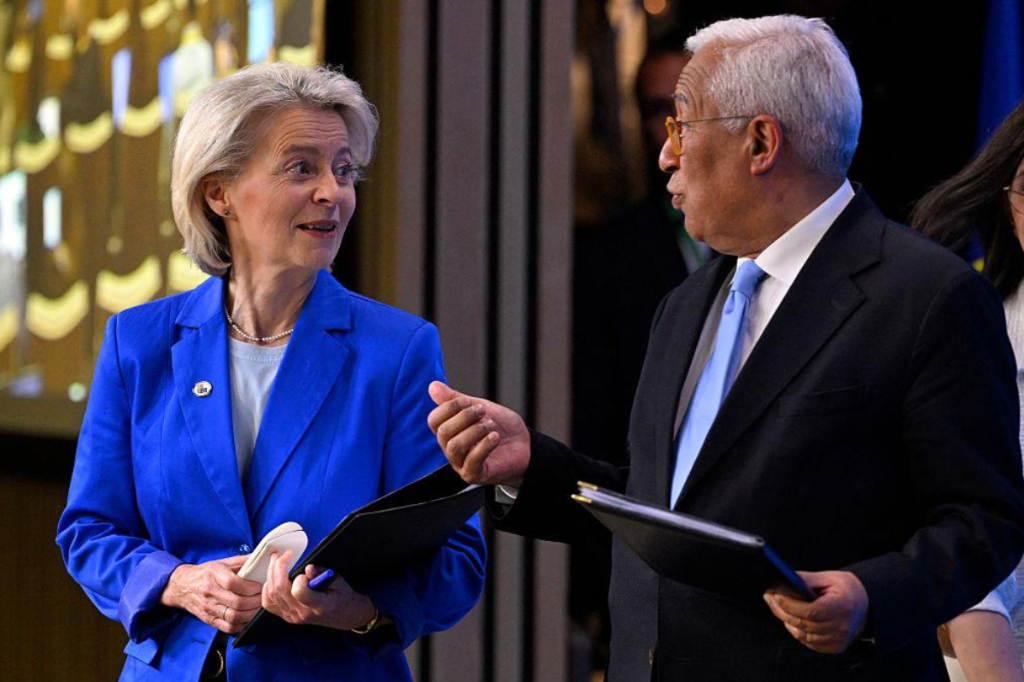
The recent accreditation of Nigerien diplomat Adamou Moumouni to the European Union has sparked intense debate: is this a genuine shift in Niamey’s approach toward Brussels, or merely a strategic move to sustain dialogue amid lingering tensions? On 22 October, Moumouni formally presented his credentials to António Costa, president of the European Council, and Ursula von der Leyen, president of the European Commission—a gesture that arrives against a backdrop of political discord, humanitarian aid disputes, and unresolved disagreements over the detention of former president Mohamed Bazoum. Public reaction: a test…

Read More

Niger’s oil spill fallout: public debate and the road ahead after goumeri w8

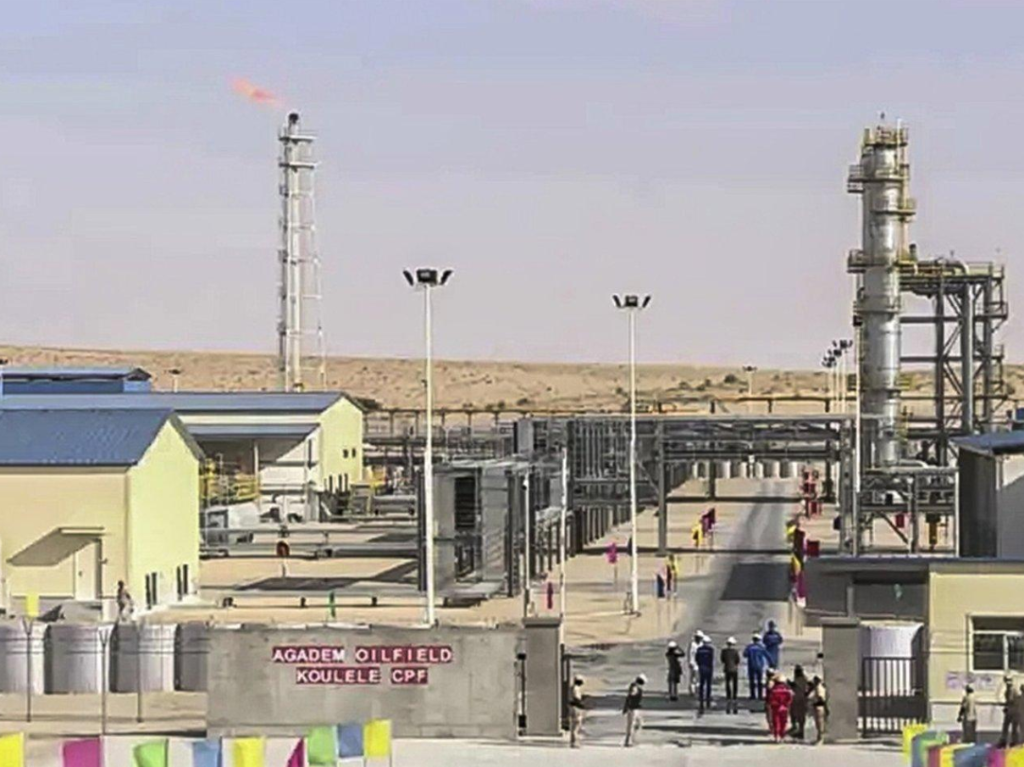
The eruption at Goumeri W8 has sparked more than just an environmental crisis in Niger. It has exposed deep fissures in a strategic oil partnership, as Niamey pushes to reclaim control over its natural resources amid mounting public scrutiny and diplomatic strain. The incident, which began on september 25, has escalated beyond a mere industrial accident. At the heart of Agadem’s oil basin—operated by CNPC Niger Petroleum—the spill has set off a chain reaction, entwining industrial urgency, financial stakes, and international relations. Industrial emergency raises unanswered questions A violent surge…

Read More

DR Congo’s constitution at 20: the untold story behind its struggles

Two decades after its adoption, the Democratic Republic of Congo’s constitution remains a subject of intense debate. Guy Loando Mboyo, minister of state for parliamentary relations, highlights the gaps and unaddressed issues that have shaped the nation’s legal and political landscape over the past 20 years. The roots of constitutional shortcomings According to Mboyo, the challenges stem from deep-seated structural and implementation flaws. The constitution, while ambitious in its design, has struggled to adapt to the evolving needs of DR Congo’s complex societal fabric. Political instability, institutional weaknesses, and shifting…

Read More

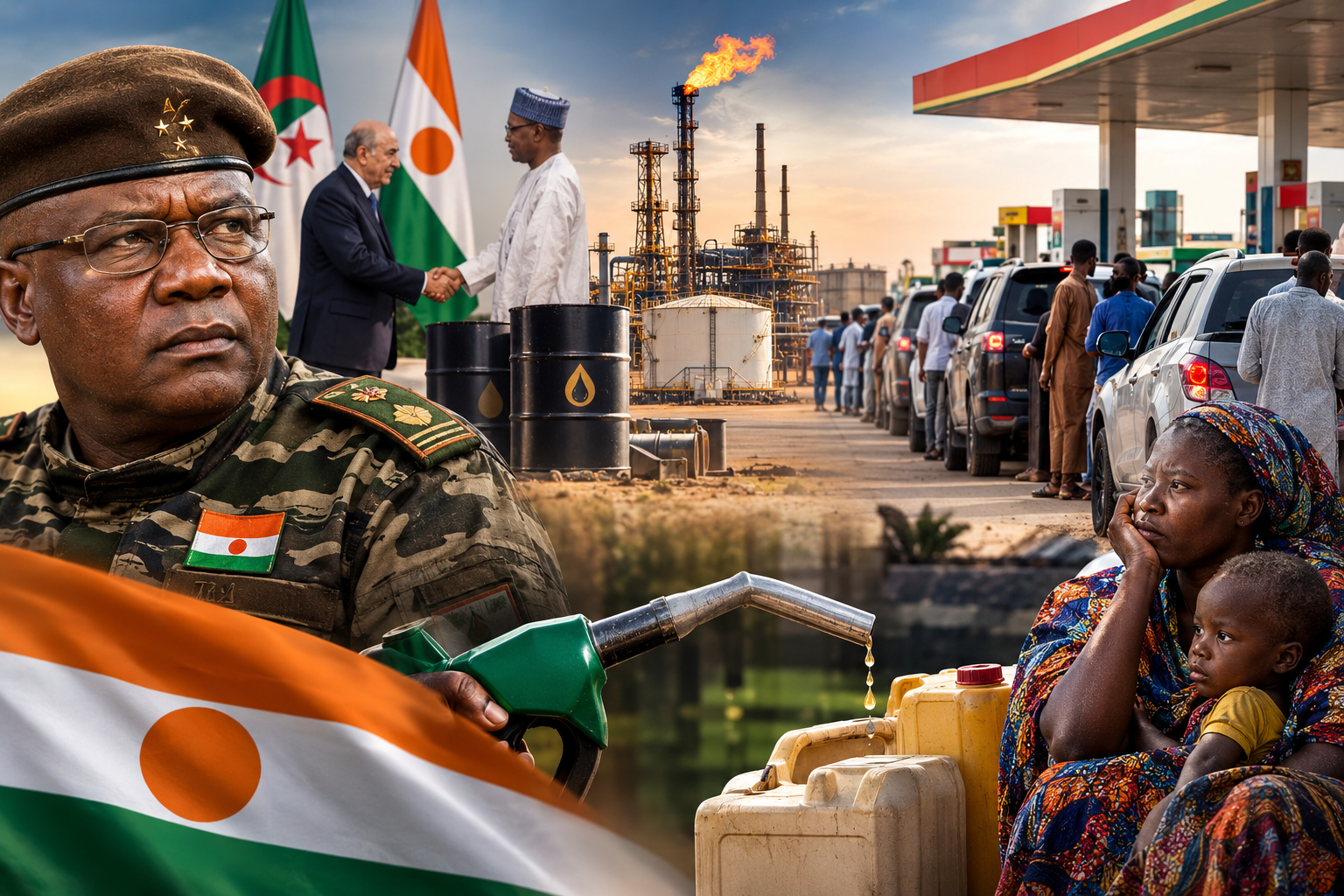
Citizens question Niger’s oil sovereignty as fuel shortages spark debate over Algeria pact

The recent security agreement between Niamey and Algiers has triggered intense public scrutiny rather than widespread celebration, as citizens grapple with severe domestic fuel shortages. Across the country, a fierce debate has erupted regarding the true meaning of national sovereignty when an oil-producing state cannot keep its own gas stations supplied, raising critical questions about what comes next for the nation’s energy strategy and social contract. Daily fallout and the reality on the ground The paradox of a nation extracting crude oil while enduring crippling domestic deficits is no longer…

Read More

Ivory Coast’s bold fiscal pivot reshapes UEMOA’s convergence pact future

The endorsement of the freshly revised UEMOA convergence pact by Alassane Ouattara, announced on October 23, 2026, marks a pivotal moment for West Africa’s economic bloc. Unlike symbolic gestures of the past, this act introduces a rigorous fiscal framework designed to address the lingering debt imbalances that have plagued the region for years. For Ivory Coast—home to nearly 40% of the UEMOA’s collective GDP—the commitment is anything but ceremonial. It represents a critical step in managing the nation’s debt trajectory and, by extension, safeguarding the stability of the franc CFA…

Read More

Uncovering the hidden forces shaping the Congo river’s sovereignty debate at Luanda’s biennale

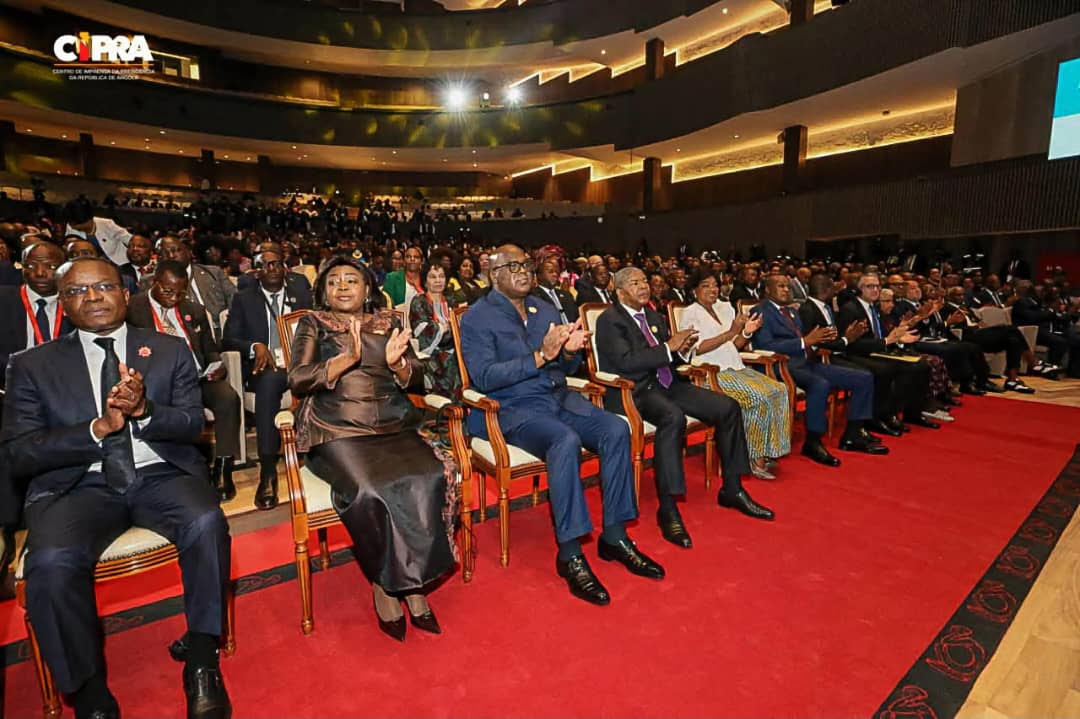
The Unseen Tides Behind the Congo River’s Sovereignty Struggle The fourth edition of the Luanda Biennale in October 2026 gathered African leaders under the theme of water governance as a tool for conflict prevention and resolution. Among the delegates, Félix-Antoine Tshisekedi Tshilombo, President of the Democratic Republic of Congo (DRC), delivered a keynote address that peeled back the layers of water diplomacy in Africa, exposing the tensions between national authority, regional collaboration, and ecological survival. His remarks at the UNESCO and African Union-backed summit were not merely diplomatic formalities—they laid…

Read More

Behind the curtain: how Diomaye Faye and Sonko’s shifting stances are reshaping Senegal’s political landscape

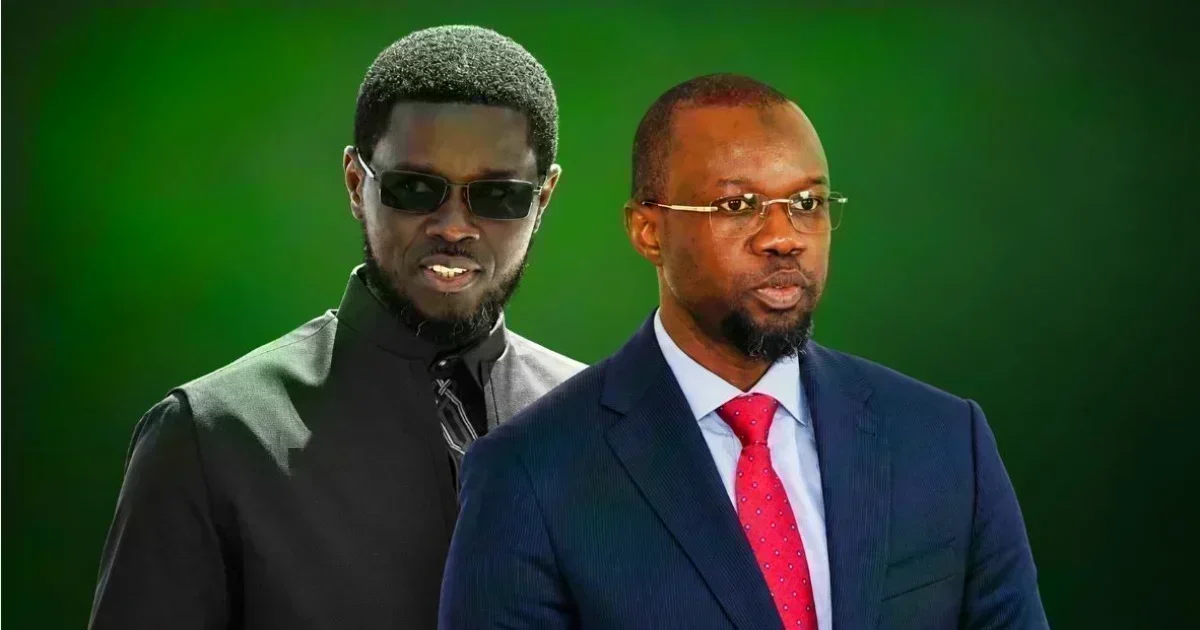
A deep dive into the behind-the-scenes shifts reveals why the once-united front between Bassirou Diomaye Faye and Ousmane Sonko is now fraying at the edges. Electoral analyst Ndiaga Sylla highlights the widening gap between rhetoric and reality, questioning whether the two leaders are prioritizing the urgent needs of Senegalese citizens. In an analysis titled “Between Republican ideals and power’s contradictions”, Ndiaga Sylla dissects the evolving positions of President Bassirou Diomaye Faye and Ousmane Sonko. His conclusion is stark: what Sonko once rejected as Prime Minister, Faye now embraces, and vice…

Read More

Niger’s Diffa schools reopen to all communities amid heated debate on fundamental rights

In a move that has sparked intense public debate, authorities in Diffa, Niger, have reversed controversial restrictions that previously limited school access for certain communities. The decision to reopen all educational institutions to every national community marks a pivotal moment in the ongoing struggle to uphold fundamental rights while addressing pressing security concerns. From exclusion to inclusion: The turning point in Diffa’s education landscape The recent blanket reopening of schools in Diffa to all communities represents a significant shift in policy, following months of heated discussions about civil rights and…

Read More

Ivory Coast’s rising social media tensions: the legal battle behind Maa Bio’s controversy

The escalating dispute involving popular Ivorian influencer Maa Bio has shifted from social media exchanges to legal corridors. This judicial confrontation follows accusations from evangelical leaders regarding her controversial online remarks about religious figures, including Pastor Wilfried Zahui. Legal Threats Emerge from Religious Leaders In a recent announcement, the Association of Evangelical Pastors of Ivory Coast revealed plans to file charges against Maa Bio for allegedly defamatory and disrespectful comments made about religious leaders on various social media platforms. The organization argues that such public humiliation of spiritual authority figures…

Read More

Burkina Faso’s stalled public investments: where do the billions disappear?

Public outrage is growing across Burkina Faso as a new report reveals a staggering gap between promises and projects. Despite record budgets allocated to infrastructure and public services, only a fraction of these investments ever materialize, sparking fierce debates about accountability and the country’s economic future. Why 63% of public projects in Burkina Faso fail before completion Every year, the government allocates billions of francs to schools, roads, and water systems, yet development remains out of reach for millions. Official figures show that merely 37% of planned investments are ever…

Read More