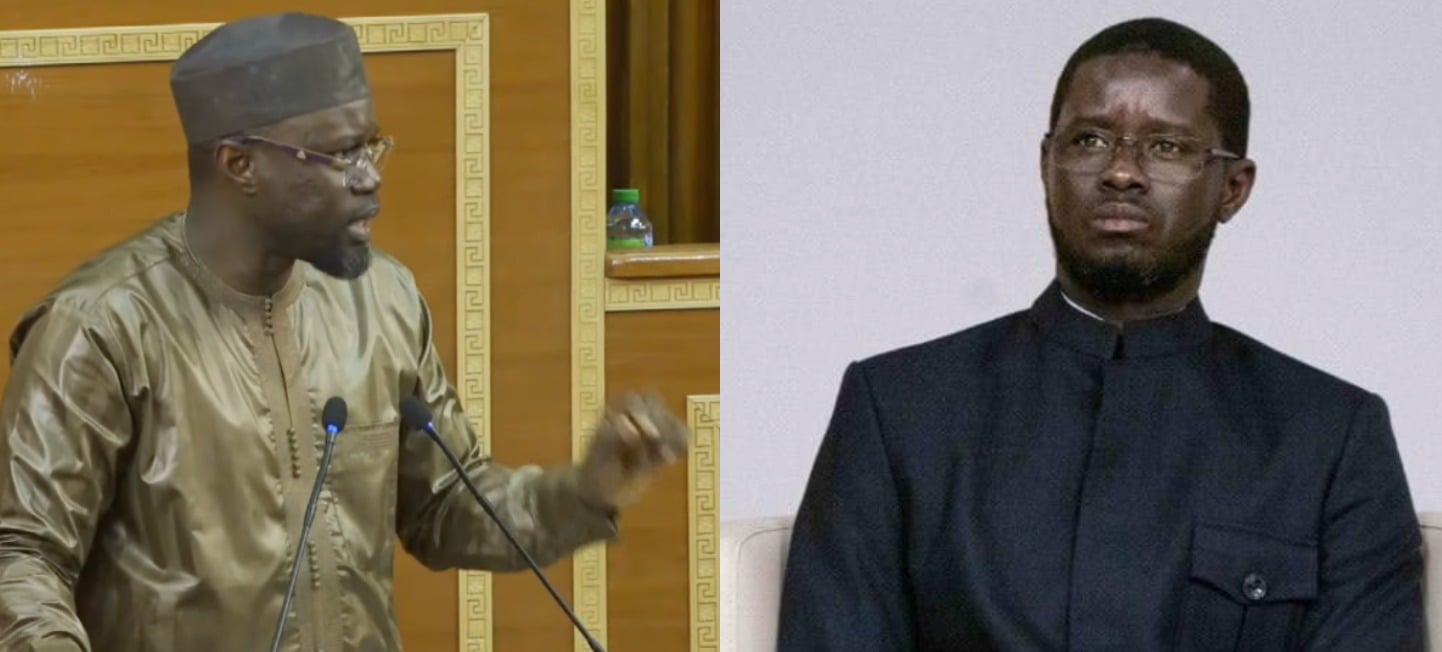
The political landscape in Sénégal is intensifying as the removal of Ousmane Sonko from the Prime Minister’s role triggers a wave of resignations across key public institutions. This shake-up has ignited debates over institutional loyalty and the sustainability of vital public services.
What led to the rupture between Faye and Sonko?
The decision to relieve Ousmane Sonko of his duties has sent shockwaves through Sénégal’s political sphere. While the reasons behind the move remain under scrutiny, the aftermath has exposed deep divisions within the government and raised concerns about the cohesion of the ruling coalition.
Consequences for governance and public trust
The fallout from this political realignment is already visible, with high-ranking officials stepping down in protest or dissent. The instability risks disrupting critical state functions and undermines public confidence in the government’s ability to deliver on its promises. Analysts warn that such fractures could weaken the administration’s effectiveness and fuel further discontent among citizens.
Next steps: navigating uncertainty
As Sénégal grapples with this leadership crisis, the path forward remains uncertain. The government must address the growing skepticism while restoring faith in its institutions. Meanwhile, opposition figures are seizing the moment to challenge the authority of Bassirou Diomaye Faye, setting the stage for a prolonged political standoff.