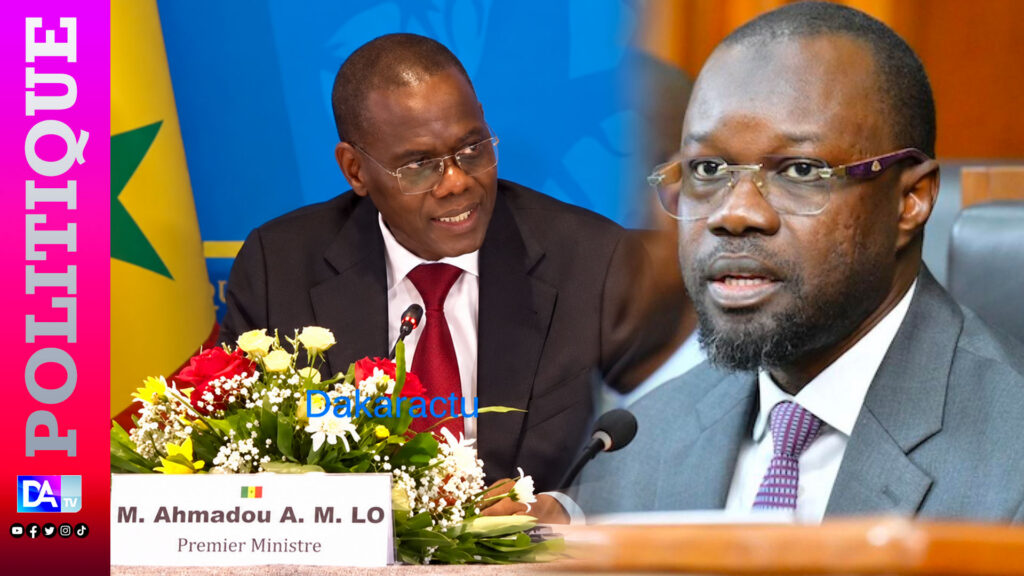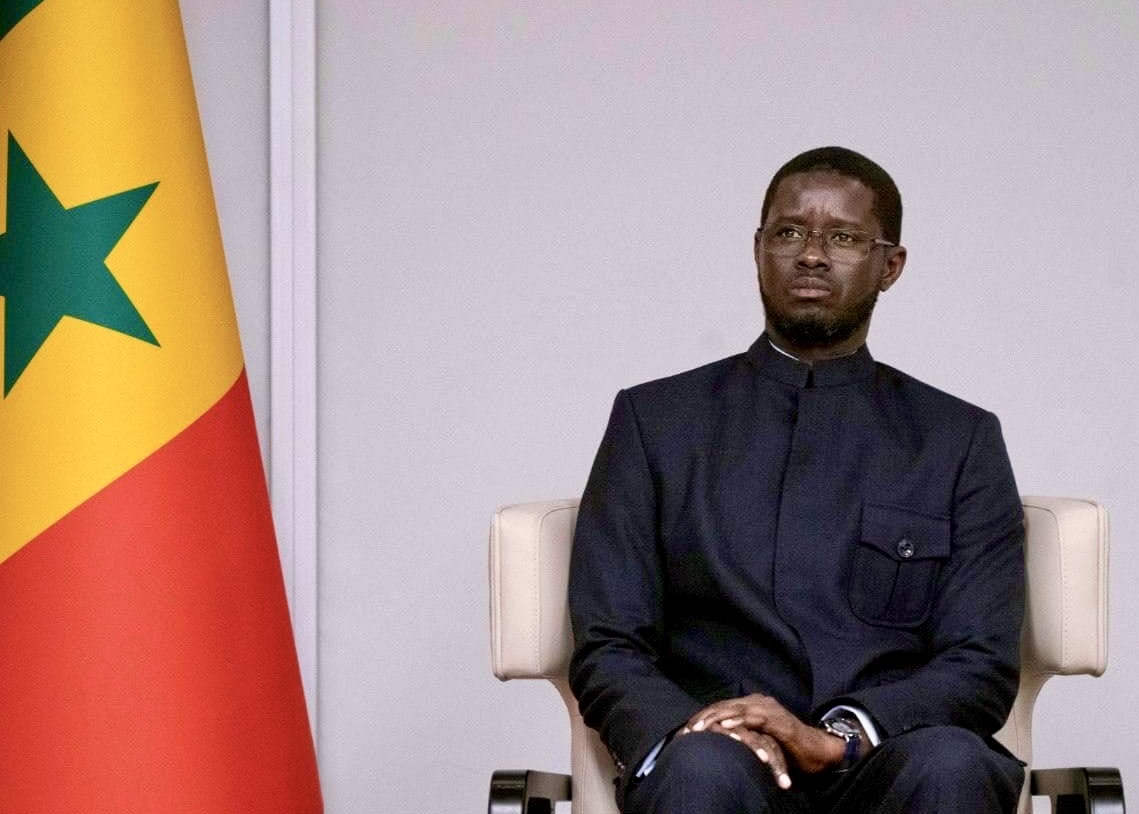
Senegal’s newly elected President Bassirou Diomaye Faye has taken a decisive step in reshaping the country’s political landscape by unveiling his own political party, Kiiraay, on July 25, 2026, in Dakar. The move marks a definitive break from his former mentor and predecessor as Prime Minister, Ousmane Sonko, who played a pivotal role in propelling Faye to power in 2024.
Faye, who appointed Sonko as Prime Minister shortly after his election, found their partnership deteriorating over time. Tensions culminated in Sonko’s removal from office in May of the same year, setting the stage for this political realignment.

Unveiling Kiiraay: A new political dawn in Senegal
The launch event, held in a major Dakar hotel, drew hundreds of supporters, many of whom gathered outside under scorching temperatures, waving banners and donning scarves emblazoned with messages like “Long live Diomaye.” The newly formed party, whose name Kiiraay translates to “protection” or “shield” in Wolof, embodies Faye’s vision of governance rooted in republican values, ethics, transparency, brotherhood, and diligence.
Speaking to the crowd, Faye emphasized that Kiiraay stands as the dominant political force in the nation, backed by a coalition of mayors, sector leaders, and civil society figures. The event also saw the defection of several high-profile members from Sonko’s Pastef party, signaling a growing shift in political allegiance.
Among the attendees was Mamo Khady Sall, a 43-year-old resident of Yeumbeul, a Dakar suburb, who traveled with a group of 15 women. She described Faye as a “man of peace” and expressed strong disapproval of Sonko, refusing even to mention his name. Her sentiments reflect a broader sentiment among many young Senegalese who, despite Sonko’s earlier panafricanist appeal and his anti-corruption platform, now view his methods as incompatible with their expectations for change.
From alliance to division: The unraveling of a political partnership
Sonko and Faye initially united under the banner of Pastef, a party that championed economic transformation, social justice, and anti-corruption reforms. Their shared rhetoric resonated with a youthful electorate disillusioned by the previous administration of Macky Sall, who governed from 2012 to 2024. However, Ibra Faye, an economist and financial engineer from Dakar, noted that “after two years in power, the changes demanded by the people were simply unattainable within the existing structures of Pastef.”
The rift between the two leaders deepened over disagreements on critical national issues, particularly the management of Senegal’s soaring public debt. The climax came in May when Faye dismissed Sonko as Prime Minister. In response, Sonko’s allies swiftly appointed him President of the National Assembly, where he remains the undisputed leader of Pastef—a party that currently holds 130 of the 165 seats in Senegal’s single-chamber parliament.
Political maneuvering and constitutional checks
In late June, the National Assembly passed a controversial bill aimed at curbing presidential powers, including a clause prohibiting the head of state from leading a political party or coalition. However, the Constitutional Council struck down the measure within two weeks, reaffirming the balance of power in Senegal’s governance framework.
As Kiiraay prepares for its first major congress after the summer rainy season, President Faye is positioning his new party as the driving force behind Senegal’s future. With public sentiment shifting and former allies joining his ranks, the political tide appears to be turning in his favor.