Côte d’Ivoire’s push to lead Africa’s space economy

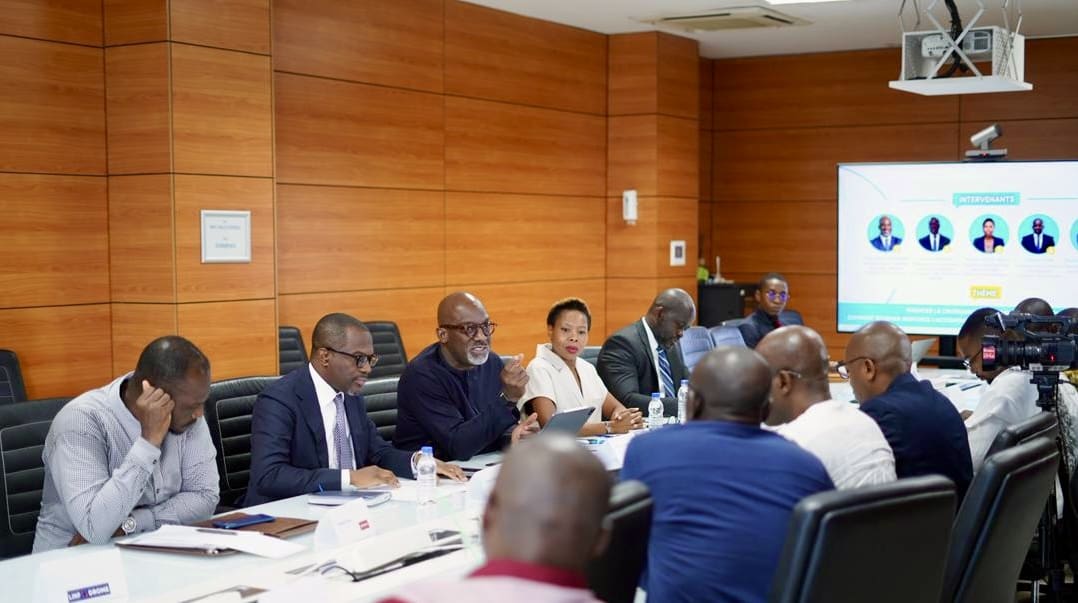
The space economy is rapidly emerging as a cornerstone of Côte d’Ivoire’s development strategy, with the nation setting its sights on becoming a continental hub for satellite technologies, geospatial data, and related services. Government officials view this sector as a critical pillar for economic sovereignty and competitiveness, particularly as the country seeks to diversify beyond its traditional agricultural commodities. By harnessing these advanced technologies, Côte d’Ivoire aims to accelerate its economic transformation and strengthen its position on the African stage. Building a thriving Ivorian space ecosystem Côte d’Ivoire is laying…

Read More

Côte d’Ivoire to host the first Africa Space Expo in Abidjan

From September 24 to 26, 2026, the Parc des Expositions in Abidjan will be the stage for the inaugural Africa Space Expo (ASPEX). This major continental gathering is dedicated to the satellite technology sector and the broader space economy. Led by Tidiane Ouattara, a space science expert at the Commission of the African Union and the event’s General Commissioner, ASPEX aims to become the premier African platform for innovation, industrial cooperation, and commercial opportunities. “Space is no longer a luxury; it is a necessity,” stated Tidiane Ouattara. He pointed out…

Read More

Ecobank Côte d’Ivoire’s strategic vision: digitalization, industrialization, and inclusive finance drive regional ambitions

Ecobank Côte d’Ivoire, traditionally viewed primarily as a financial provider, is now actively pursuing a more significant role in bolstering Ivorian economic growth. During a recent engagement with the economic press, attended by AFRIMAG, the leadership of the Ivorian subsidiary of the pan-African banking group articulated its renewed ambition: to precisely measure its tangible impact and provide sustained support to pivotal sectors. Key sectors propelling sustainable growth in Côte d’Ivoire “Beyond mere figures and public relations, our fundamental role involves diagnosing the economies where we operate and establishing a clear…

Read More

Mali’s worsening humanitarian crisis: insecurity’s grip on vital aid access

The International Rescue Committee (IRC) is sounding a serious alarm regarding the rapidly escalating humanitarian crisis in Mali. Persistent insecurity is severely disrupting essential communication lines, pushing millions of already vulnerable individuals into deeper distress. Since late April, the IRC has observed a troubling surge in armed conflicts across Mali. This humanitarian organization highlights that synchronized attacks and growing instability on major transport routes are significantly impeding the flow of both people and critical supplies, including fuel and vital food provisions destined for the capital, Bamako. This deterioration in security…

Read More

Dakar 2026 gears up for youth olympic games with global pressure and pride

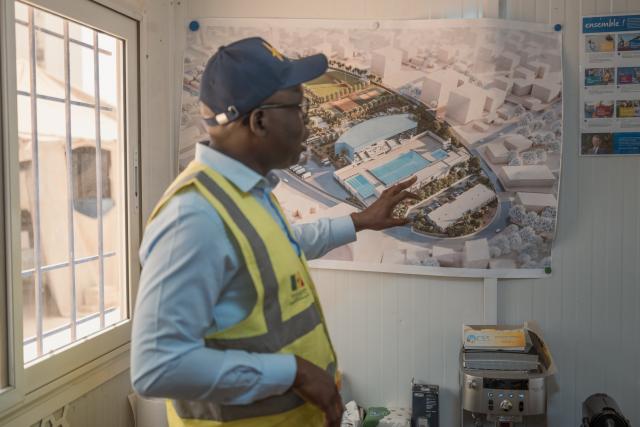
Dakar 2026: the first olympic event in africa faces immense challenges With fewer than six months until the Youth Olympic Games (YOG) in Dakar, Senegal is under the spotlight. The event, postponed from 2022 due to the Covid-19 pandemic, marks a historic milestone as the first Olympic competition ever held on African soil. Scheduled for October 31 to November 13, 2026, these Games will bring together 2,700 young athletes under the age of 17, competing across 25 sports and 153 events — including disciplines like breaking, skateboarding, and 3×3 basketball.…

Read More

Senegal prepares for the Dakar youth olympics: a historic milestone for africa

The “Africa Forward” summit, a collaborative initiative between France and Kenya taking place this Monday in Nairobi, is set to explore the transformative power of sports in regional development. This theme resonates deeply with Senegal, as the nation prepares to host the upcoming Youth Olympic Games in Dakar later this autumn. This landmark occasion represents a significant turning point for the global sporting community, marking the very first time an Olympic event will be staged on the Africa continent. For Senegal, the responsibility brings a mixture of intense pressure and…

Read More

Togo: the youth’s imperative to reclaim their future

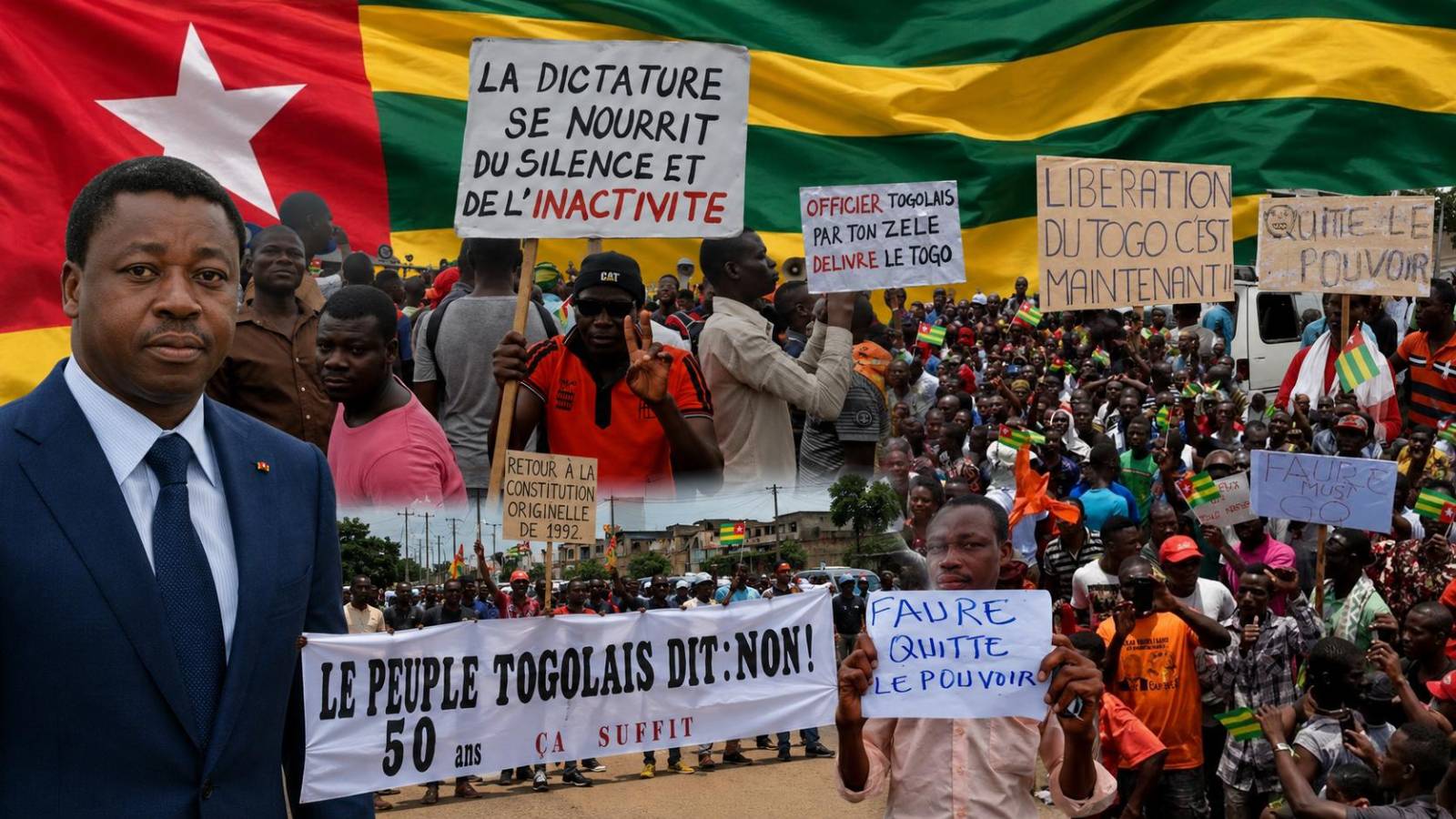
The Republic of Togo stands at a pivotal juncture in its political trajectory. With the Faure Gnassingbé regime having consolidated its transition into a parliamentary Fifth Republic, an undercurrent of exhaustion permeates the corridors of authority. Amidst a shifting regional diplomatic landscape and a disenfranchised youth demographic, societal fissures have never been more pronounced. This moment of transformation may well be defined by the Economic Community of West African States’ (ECOWAS) conspicuous silence—a silence that could signal the catalyst many have awaited. A regime adapting to the brink of irrelevance…

Read More

Mali blocus jihadiste: population starving as government rejects talks

Mali under jihadist blockade: civilians face starvation as government rules out negotiations with armed groups The Malian government has once again reaffirmed its refusal to engage in dialogue with armed jihadist groups controlling parts of the country, despite mounting humanitarian crises and public outcry. Speaking to the diplomatic corps in Bamako, Foreign Minister Abdoulaye Diop declared: «Our position remains unchanged: we will not negotiate with lawless terrorist factions responsible for years of suffering among our people.» This stance comes as militants tighten their grip on critical regions, particularly in the…

Read More

Faure gnassingbé and the shadow of 2005 in Togo’s history

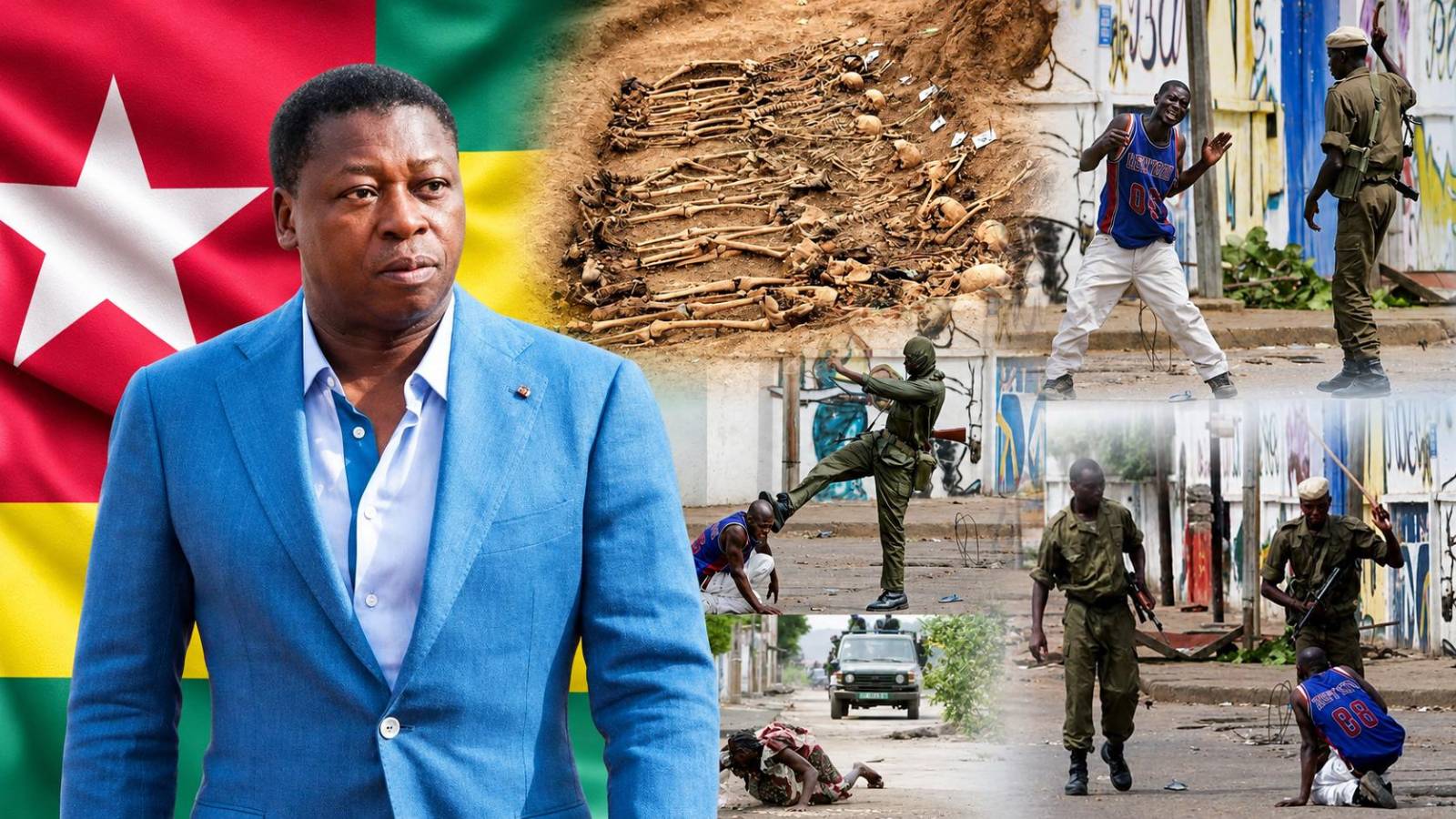
The political landscape of Togo remains indelibly shaped by the events of 2005—a year that continues to evoke deep-seated divisions within the nation. While some interpret it as the dawn of a new era, international reports and survivor testimonies paint a far grimmer picture: a regime established through violent repression, particularly targeting communities in the southern regions, predominantly of the Ewe ethnic group. The constitutional coup: undermining democracy On February 5, 2005, the death of General Gnassingbé Eyadéma triggered a swift and controversial succession. Within hours, the Togolese Armed Forces…

Read More

How Faure Gnassingbé’s secret deals fuel instability in the Sahel

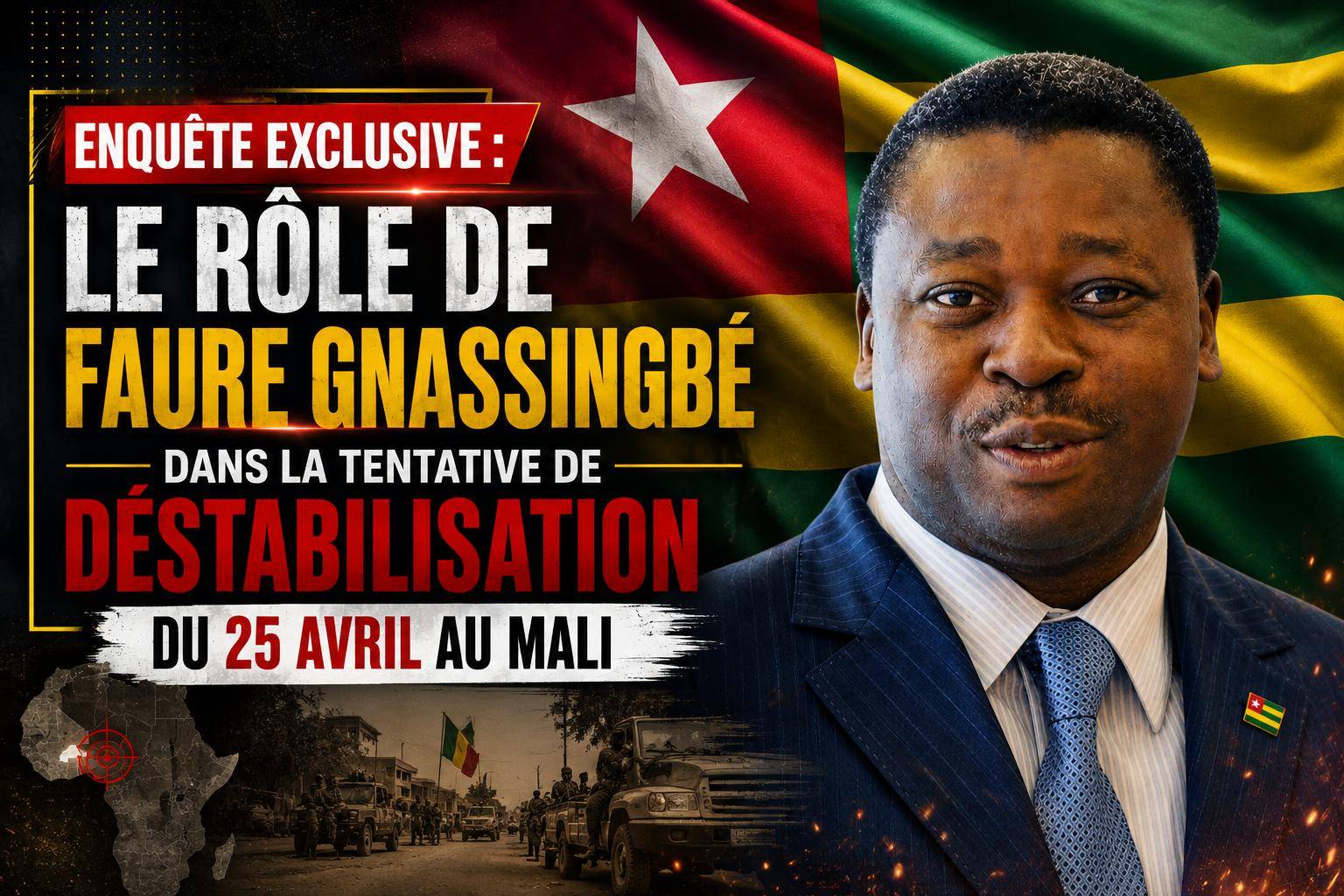
While Lomé portrays itself as a regional mediator, a darker undercurrent is surfacing in Western chancelleries. According to diplomatic sources and declassified US intelligence reports, the administration of Faure Gnassingbé allegedly facilitated covert negotiations between Burkina Faso’s Captain Ibrahim Traoré and jihadist factions of the Group for Support of Islam and Muslims (JNIM). The alleged pact? A fragile truce in Burkina Faso in exchange for a coordinated assault on neighboring Mali under Colonel Assimi Goïta. By brokering this alliance between terrorists and rebel groups like the Front de Libération de…

Read More

Togo’s constitutional shift: cementing faure gnassingbé’s indefinite power

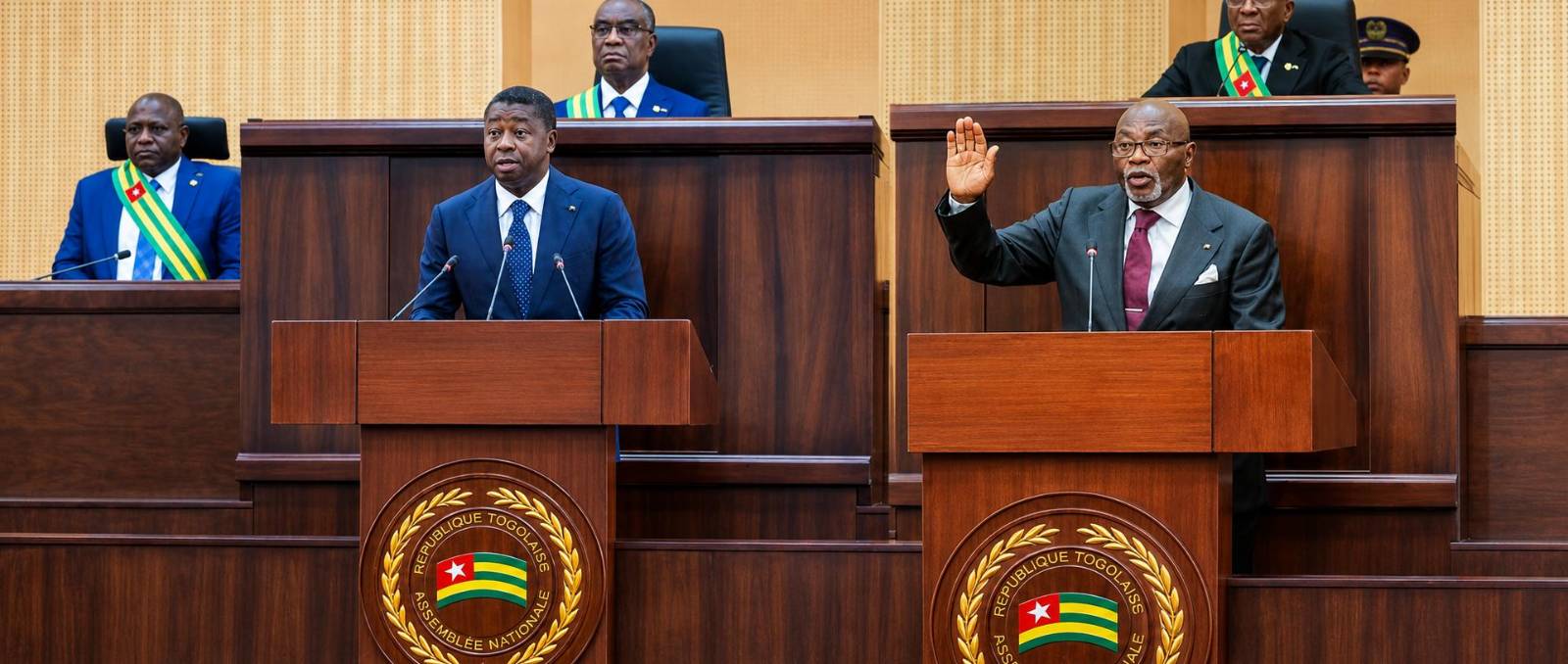
Togo recently initiated a profound constitutional transformation, which many observers believe fundamentally undermines the nation’s democratic succession. Following the adoption of a new Constitution on April 19th, the country transitioned from a semi-presidential framework to a bespoke parliamentary system. Beneath the technical veneer of this significant shift, the underlying objective appears clear: to entrench Faure Gnassingbé’s presidency for life. the strategy for absolute authority Within this revised governmental structure, the role of the President of the Republic has been largely stripped of its influence, reducing it to little more than…

Read More