Niger’s military regime: promises of change falter as crises deepen after 2023 coup
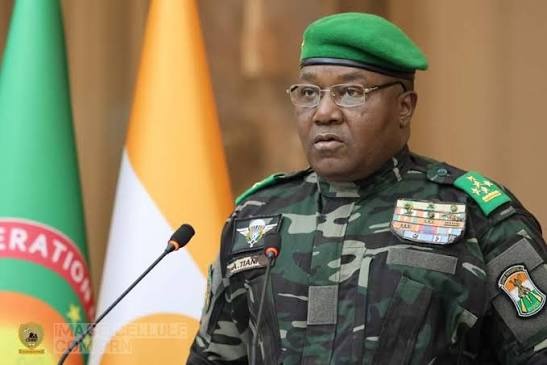
From overthrow to oversight: the promises of Niamey’s junta in the crossfire The July 2023 overthrow of democratically elected President Mohamed Bazoum was sold to Nigeriens as a turning point—one that would end corruption, restore security, and reclaim national sovereignty. Three years later, the ruling National Council for the Safeguarding of the Homeland (CNSP) faces a stark reality: instead of reversing the country’s decline, its rule has deepened existing crises and introduced new ones. The question now is no longer about the past failures of Bazoum’s administration, but whether the…

Read More

Benin and UAE seal historic trade pact amid growing African economic ambitions

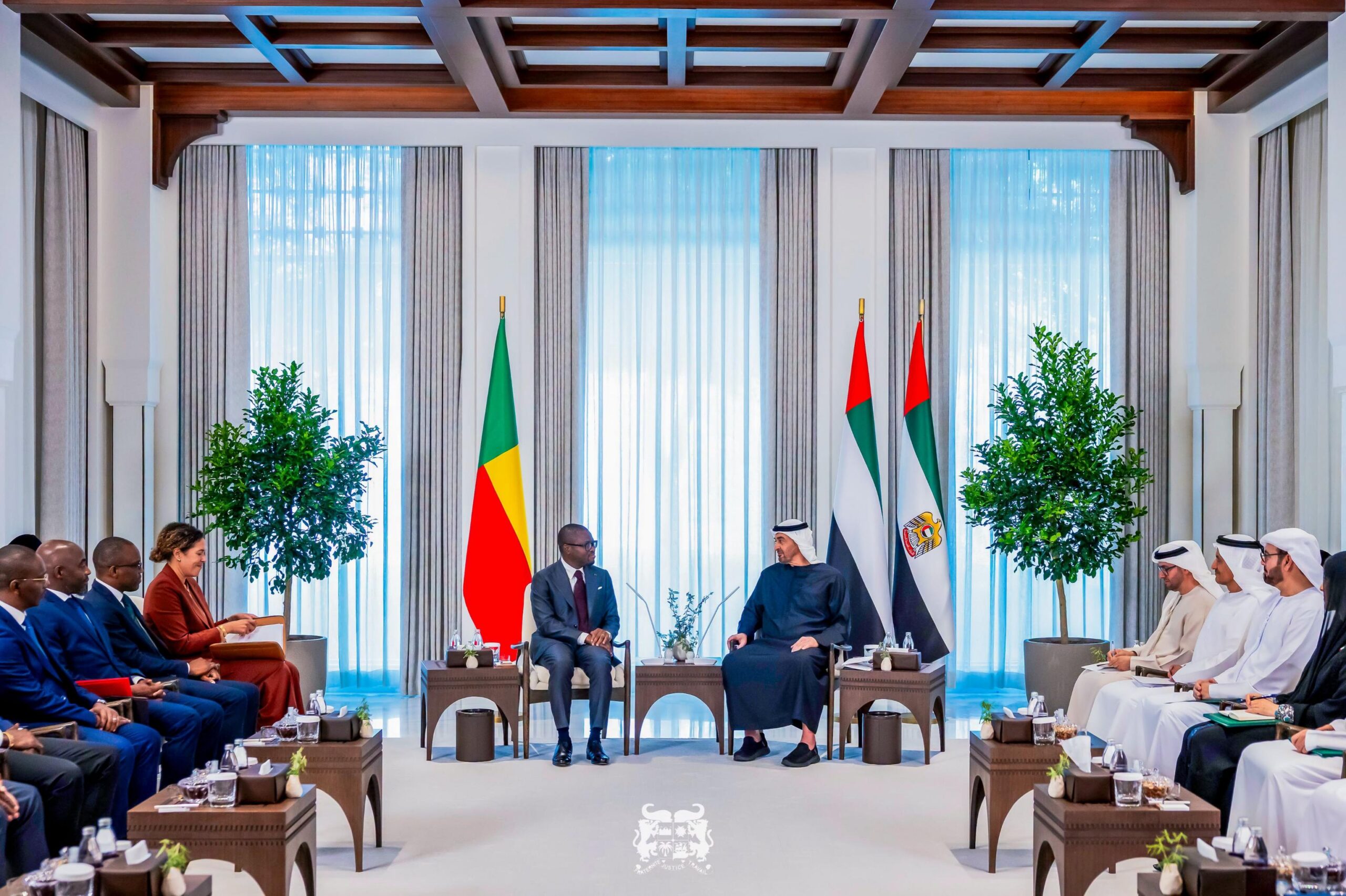
The dust is settling on one of West Africa’s most significant economic developments of the year, as the Republic of Benin and the United Arab Emirates officially inked a landmark trade agreement following high-level talks in Abu Dhabi. But now, with the ink dry, the real debate is just beginning—what does this deal mean for both economies, and what challenges lie ahead as the pact moves toward implementation? From promise to policy: What the Benin-UAE trade deal changes After months of closed-door negotiations, the Comprehensive Economic Partnership Agreement (CEPA) was…

Read More

Senegal’s rectified finance law: unraveling the political and economic tensions behind the 2026 budget adjustments

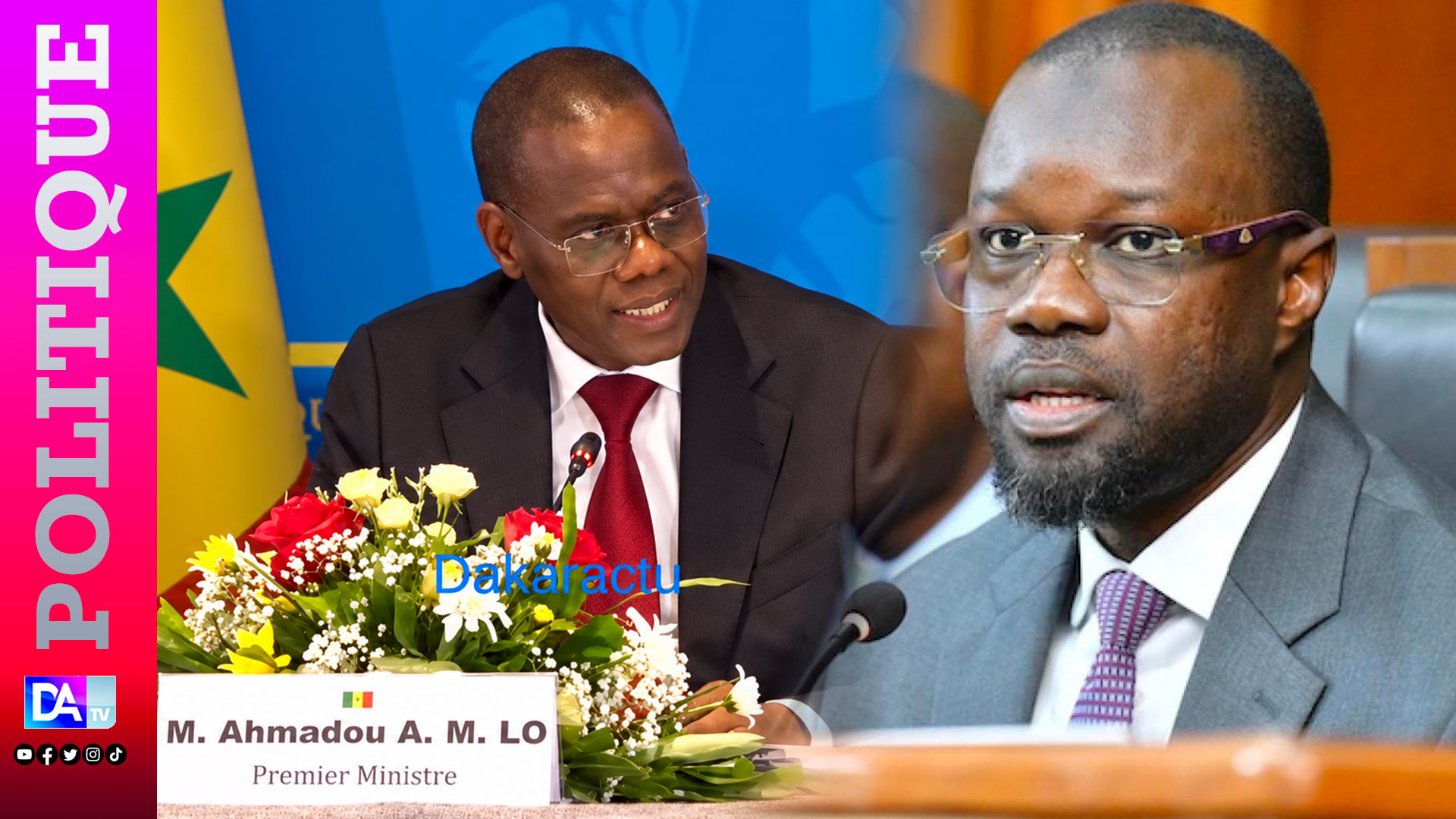
The unveiling of Senegal’s Rectified Finance Law (LFR) for 2026 has exposed deep-seated contradictions within the political and economic landscape, as Prime Minister Al Aminou Lo defends the adjustments against sharp criticism from opposition factions. While the LFR was initially framed as an extension of the 2026 Finance Law presented by former Prime Minister Ousmane Sonko—approved by an overwhelming majority—the current National Assembly president now stands as one of its fiercest detractors. The debate has sharply intensified, revealing how economic unpredictability and shifting political loyalties are reshaping the nation’s financial…

Read More

Behind the scenes: how Libreville’s digital week shapes Gabon’s tech future

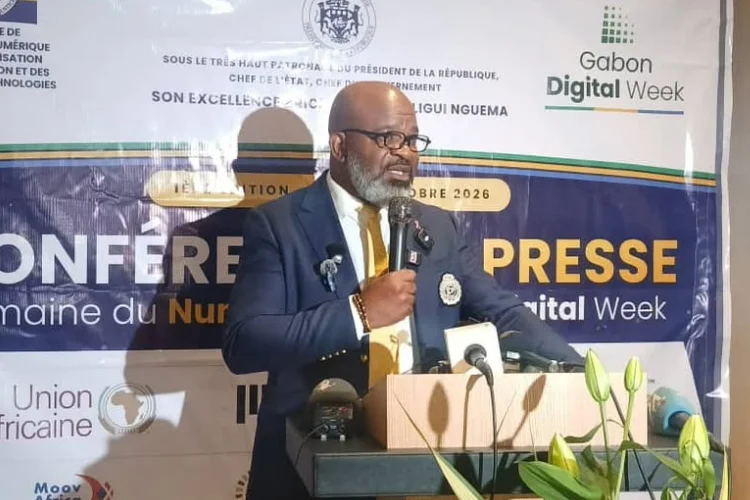
Gabon’s strategic push for digital sovereignty unfolds in Libreville Libreville’s upcoming Gabon Digital Week, running from 26 to 30 October 2025, isn’t just another tech event—it’s a carefully orchestrated response to deep structural challenges in Gabon’s digital economy. The initiative, convened under the direct patronage of President Brice Clotaire Oligui Nguema, signals a pivot toward national digital self-reliance through policy action, infrastructure breakthroughs, and youth integration. The policy engine driving digital transformation The gathering at the Palais des Congrès will serve as the platform for unveiling Gabon’s national digitalization roadmap.…

Read More

Sahel’s jihadist power struggle leaves civilians caught in the crossfire

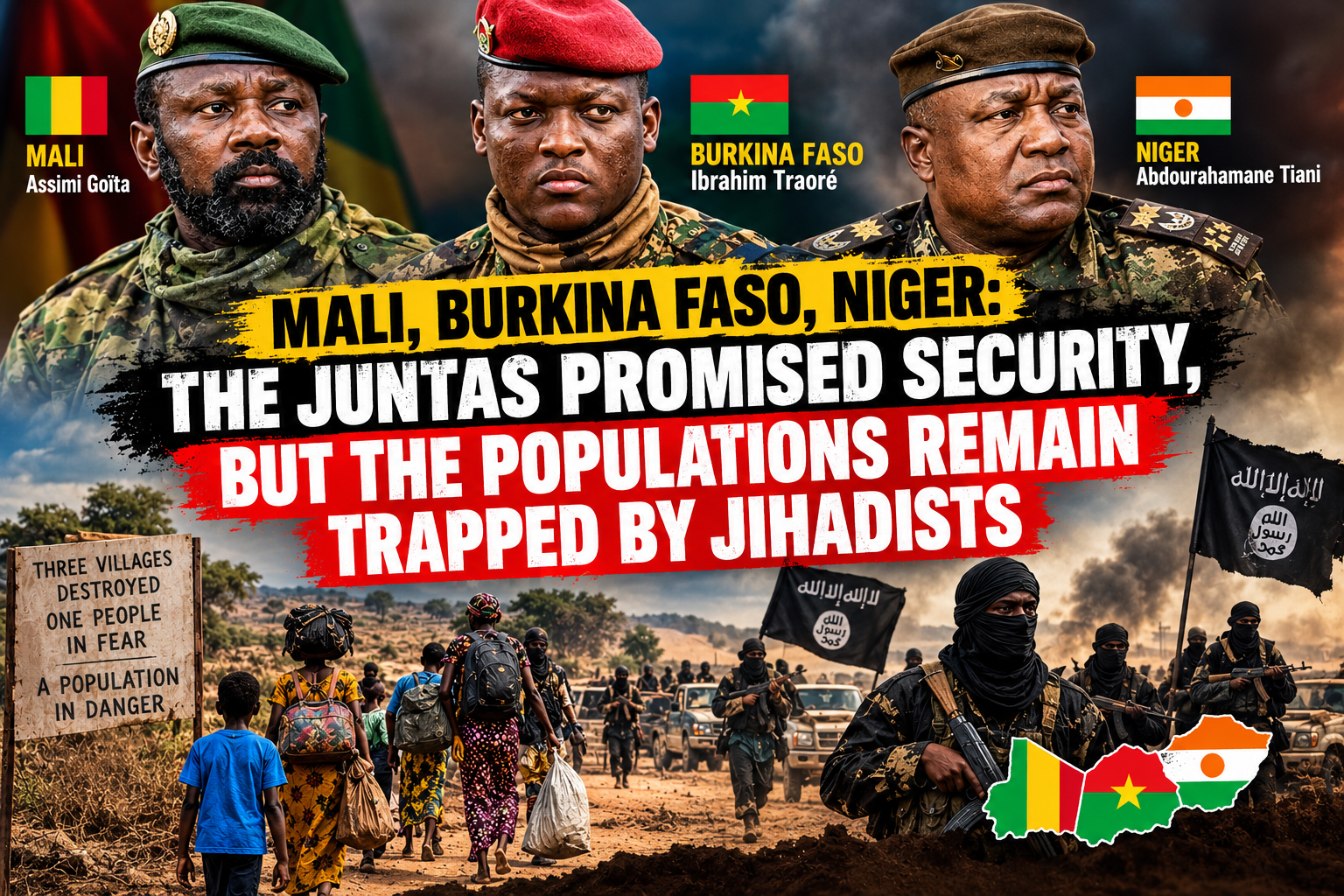
The escalating conflict between the Islamic State in the Sahel and the Group for the Support of Islam and Muslims (JNIM) has exposed a harsh reality for military regimes in Mali, Burkina Faso, and Niger: their promises of security are falling short as civilians bear the brunt of jihadist violence. An unprecedented surge in jihadist clashes The battle for dominance between these two extremist factions has intensified in the tri-border region, where hundreds of lives have been lost in recent months. What began as isolated skirmishes has evolved into a…

Read More

Hidden cash flows: how eastern DRC’s black market beer trade fuels armed factions

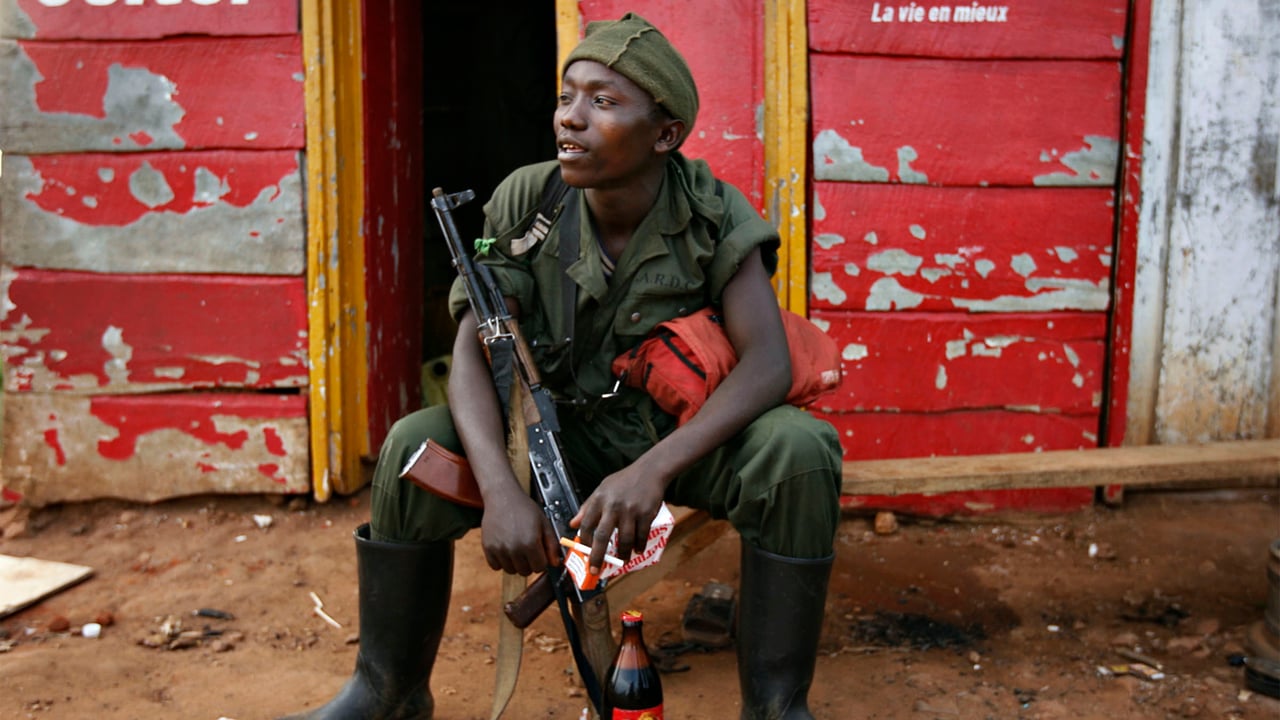
The hidden economy fueling armed groups in eastern Democratic Republic of the Congo (DRC) operates in plain sight. Among its most lucrative yet overlooked revenue streams is the illicit beer trade—a sector both communities and factions have exploited for decades. Recent investigations reveal how the Armed Forces of Congo/Movement of March 23 (AFC/M23) leveraged this shadow industry to sustain and expand their operations, embedding themselves deeper into the region’s fragile economic fabric. Decoding the mechanics behind black market beer profits The system thrives on a combination of weak governance, porous…

Read More

Behind Gabon connect’s push to modernise public services and revenue tracking

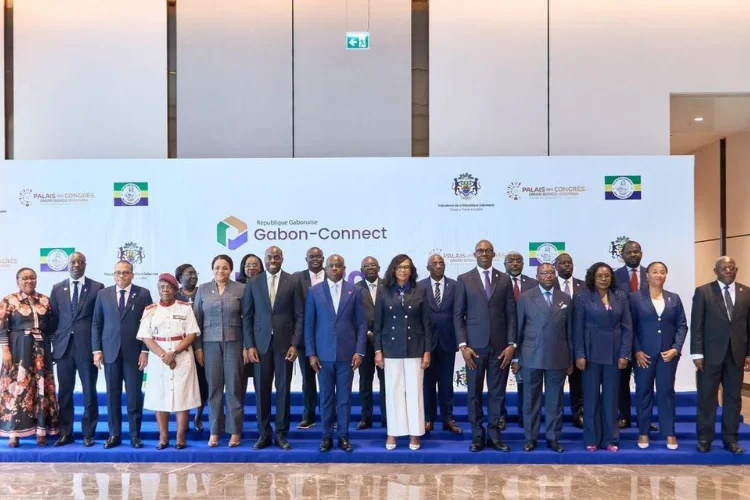
The Gabon Connect platform was recently unveiled to members of the Gabonese Federation of Enterprises (FEG) in the presence of vice-president of the government Hermann Immongault. This digital portal consolidates administrative and financial procedures, aiming to streamline declarations, payments, and the monitoring of state revenue. The mechanics of simplification: two core modules in focus The platform introduces two key components designed to overhaul traditional processes. The eEmployeur module introduces a Unified Salary Declaration (DUS), replacing the previous system of separate submissions to the tax authority, the National Social Security Fund…

Read More

Algeria’s parliament session sparks debate over Sahel military shift and regional fallout

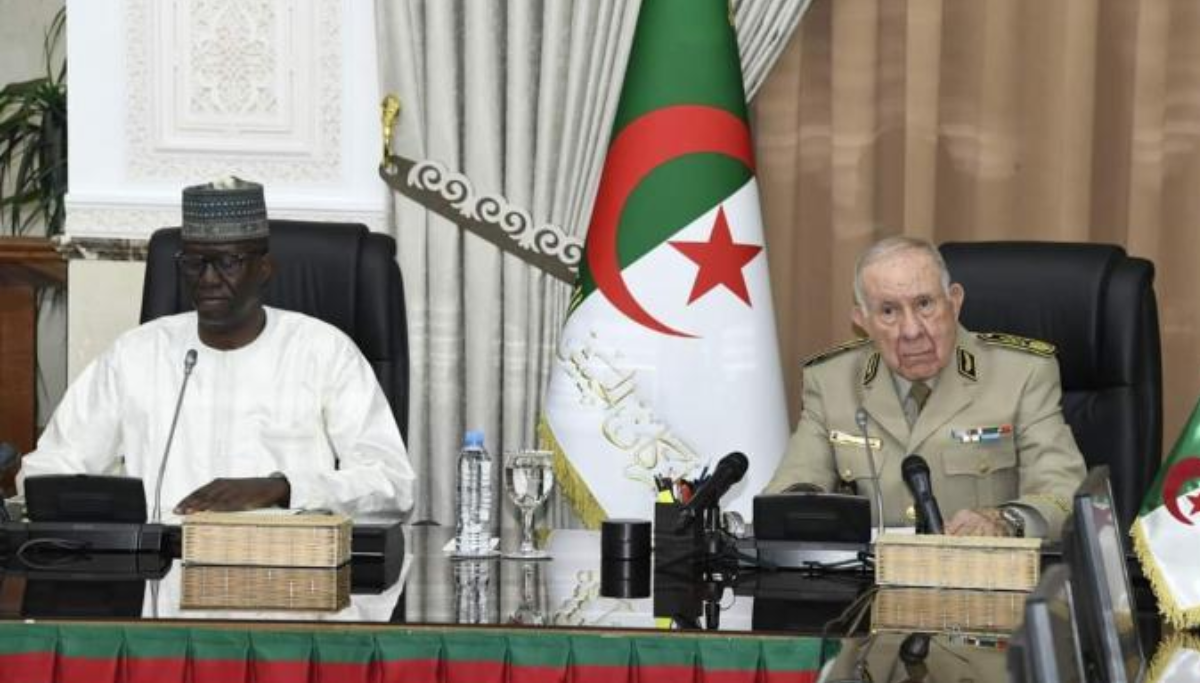
The urgent summoning of Algeria’s parliament on 25 October has reignited discussions about the nation’s evolving military role in the Sahel, with public attention fixed on the potential fallout of a deeper engagement in Niger. Beyond the spectre of direct intervention, the move raises broader questions about regional sovereignty, shifting alliances, and the future of security dynamics in a volatile area. Parliament’s role in shaping Algeria’s next military steps The extraordinary session of both parliamentary chambers has fuelled speculation about Algeria’s intentions. While no official agenda has been disclosed, the…

Read More

African lives lost in Ukraine war spark outrage and calls for accountability

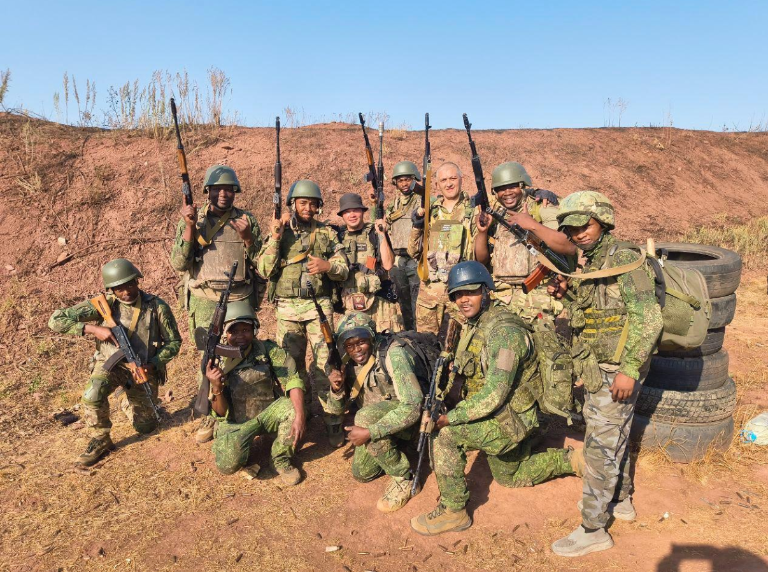
The death of Cameroonian sambo champion William Célestin Fokam on Ukraine’s battlefield has ignited a continent-wide debate. At 41, his fatal deployment under Russian command exposes a grim reality: a growing number of Africans are dying in a war far from home, raising urgent questions about recruitment practices and the human cost of foreign conflicts. Fokam, a celebrated athlete who claimed African sambo titles in 2022 and 2023, traveled to Russia for a sports competition—only to end up on the front lines. His story is not unique. Investigations reveal a…

Read More

Togo’s 2027 budget: public reaction and the road ahead after controversial cuts

The reaction to Togo’s 2027 budget has been swift and sharply divided. At 2,684.1 billion FCFA, the proposed fiscal plan lays bare the government’s priorities—security, economic transformation, and social cohesion—but also exposes deep uncertainties. Citizens, analysts, and lawmakers are now debating: which sectors will truly benefit from these allocations? How will the funding gaps be closed? And, most critically, what safeguards exist to ensure these budgets translate into tangible improvements for ordinary Togolese? The draft finance bill, approved by the Council of Ministers on 22 October 2026, aligns with the…

Read More

Bénin’s Démocrates party: fallout grows as appeal verdict looms and Atchadé tightens grip

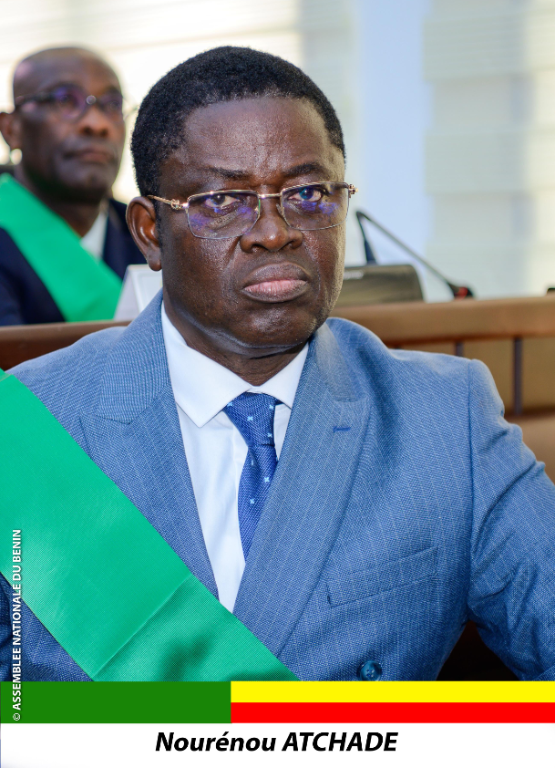
The protracted leadership battle within Bénin’s main opposition party, Les Démocrates, has entered a new phase of uncertainty. With the appeal trial in the Houndété-Atchadé dispute now postponed to 14 January 2027, the political fallout intensifies. Amid ongoing legal wrangling, Nourénou Atchadé’s faction solidified its position by securing his presidency during an extraordinary party congress on 11 October 2026, raising fresh questions about legitimacy, unity, and the party’s future direction. Public reactions and the deepening divide The postponement of the appeal hearing has done little to ease tensions. Instead, it…

Read More

Niger’s diplomatic shift: public debate and future outlook after eu tensions

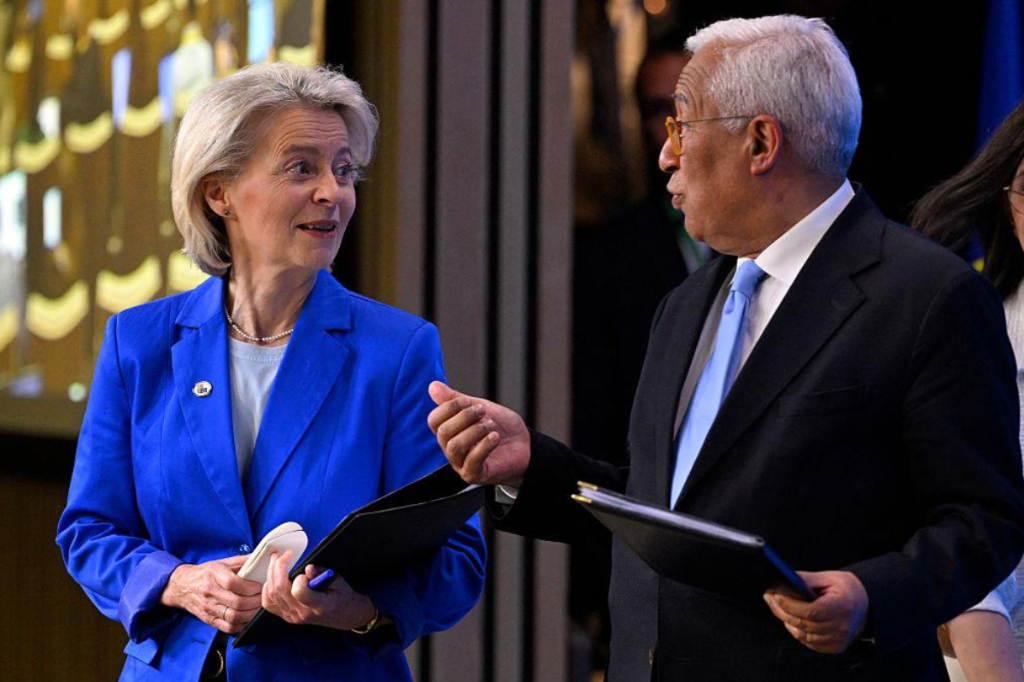
The recent accreditation of Nigerien diplomat Adamou Moumouni to the European Union has sparked intense debate: is this a genuine shift in Niamey’s approach toward Brussels, or merely a strategic move to sustain dialogue amid lingering tensions? On 22 October, Moumouni formally presented his credentials to António Costa, president of the European Council, and Ursula von der Leyen, president of the European Commission—a gesture that arrives against a backdrop of political discord, humanitarian aid disputes, and unresolved disagreements over the detention of former president Mohamed Bazoum. Public reaction: a test…

Read More