Ivory Coast’s rising social media tensions: the legal battle behind Maa Bio’s controversy

The escalating dispute involving popular Ivorian influencer Maa Bio has shifted from social media exchanges to legal corridors. This judicial confrontation follows accusations from evangelical leaders regarding her controversial online remarks about religious figures, including Pastor Wilfried Zahui. Legal Threats Emerge from Religious Leaders In a recent announcement, the Association of Evangelical Pastors of Ivory Coast revealed plans to file charges against Maa Bio for allegedly defamatory and disrespectful comments made about religious leaders on various social media platforms. The organization argues that such public humiliation of spiritual authority figures…

Read More

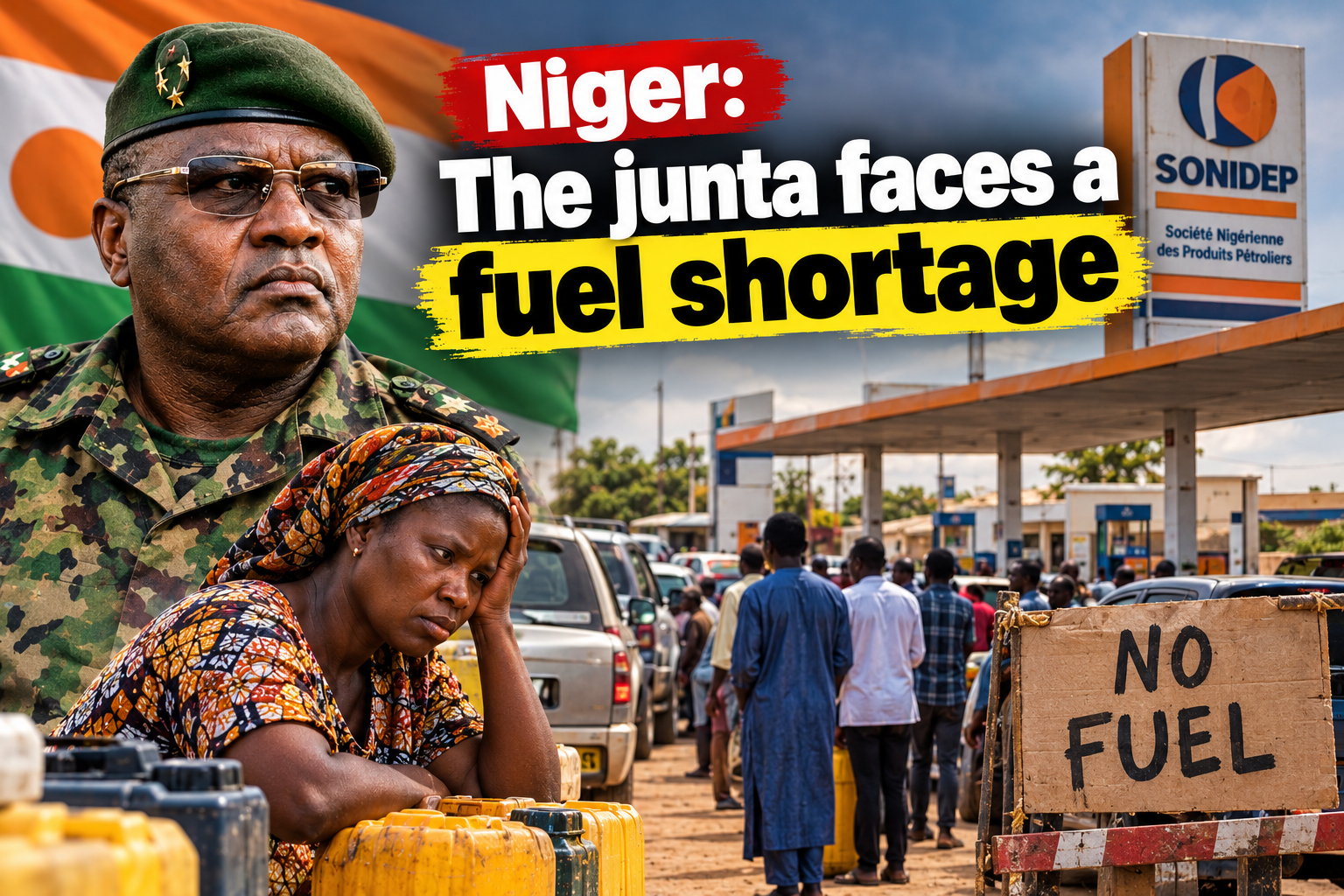
Niger’s energy paradox: fuel shortages spark scrutiny of military governance

The recent fuel shortages in Niger have not only disrupted daily commutes and commercial activities in Niamey but also ignited a broader debate about the military government’s capacity to manage the country’s energy resources. As citizens grapple with unreliable access to essential fuel, the crisis underscores deeper questions about governance, economic sovereignty, and the tangible benefits of national resources. The ripple effects of fuel scarcity on Niger’s economy What began as sporadic supply disruptions has escalated into a systemic challenge, with fuel shortages now paralyzing transportation networks, stalling small businesses,…

Read More

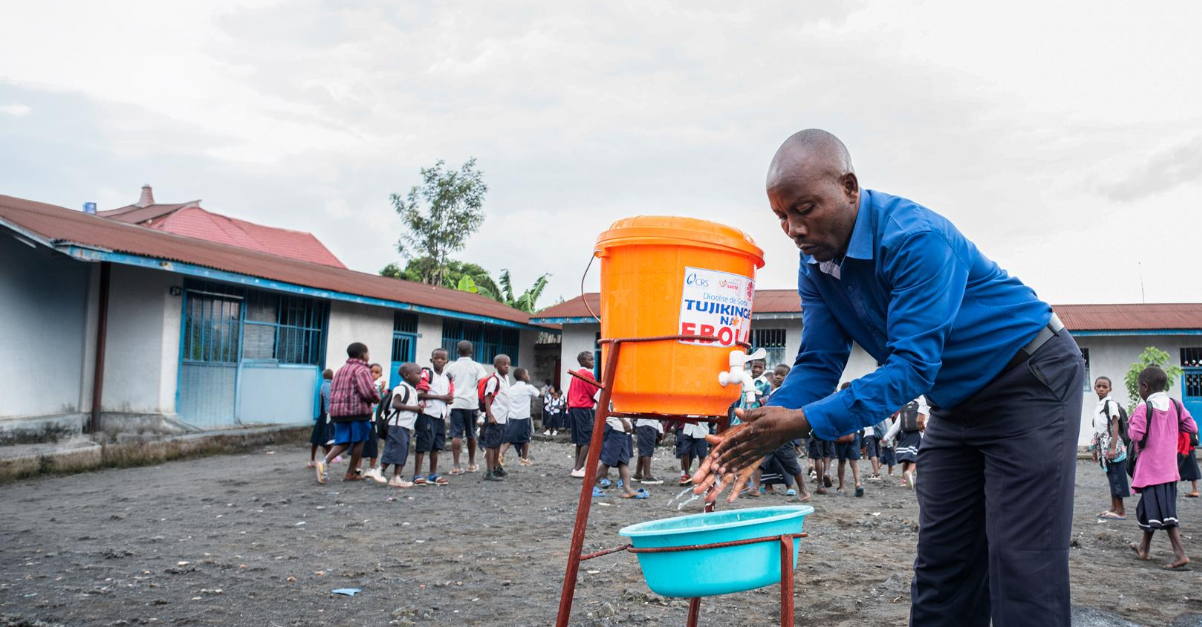
Ebola : Le Bénin renforce la vigilance après un cas confirmé au Nigeria

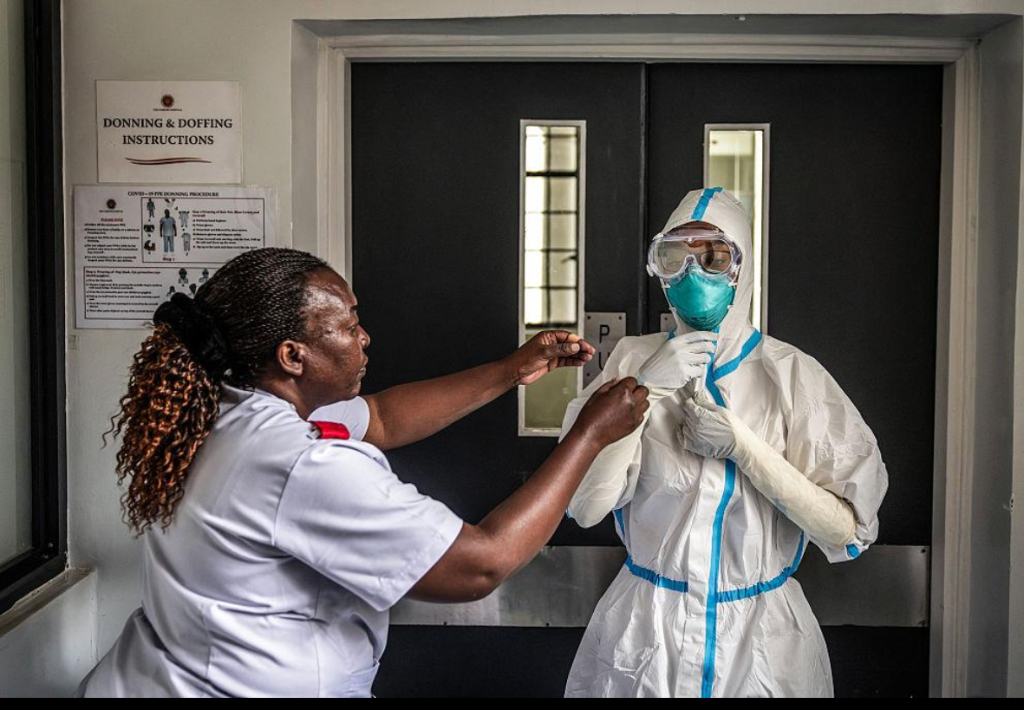
Face à la confirmation d’un cas de maladie à virus Ebola au Nigeria, le gouvernement béninois place le pays en phase de préalerte et renforce son dispositif de prévention. Surveillance aux frontières, préparation des structures sanitaires et coordination multisectorielle : Cotonou mise sur l’anticipation pour prévenir toute importation du virus. Prévenir plutôt que subir. Face à la menace d’importation du virus Ebola, le Bénin renforce sa vigilance sanitaire après la confirmation d’un cas au Nigeria voisin. Dans un communiqué publié le 20 octobre, le ministère de la Santé a annoncé…

Read More

Burkina Faso’s security vacuum sparks urgent plea for Turkish military support

The Burkina Faso military junta’s diplomatic overhaul has taken a dramatic turn as Ouagadougou scrambles to salvage its crumbling security strategy. Following the collapse of its exclusive security partnership with Russia, officials are now making a desperate push for Ankara’s intervention, signaling a stark about-face in the country’s defense posture. High-level consultations held in Ankara this October revealed Ouagadougou’s urgent bid to forge a new military alliance with Türkiye. While diplomats framed the talks as a strategic pivot, the reality points to a humbling admission: after years of failed counterterrorism…

Read More
Uncategorized

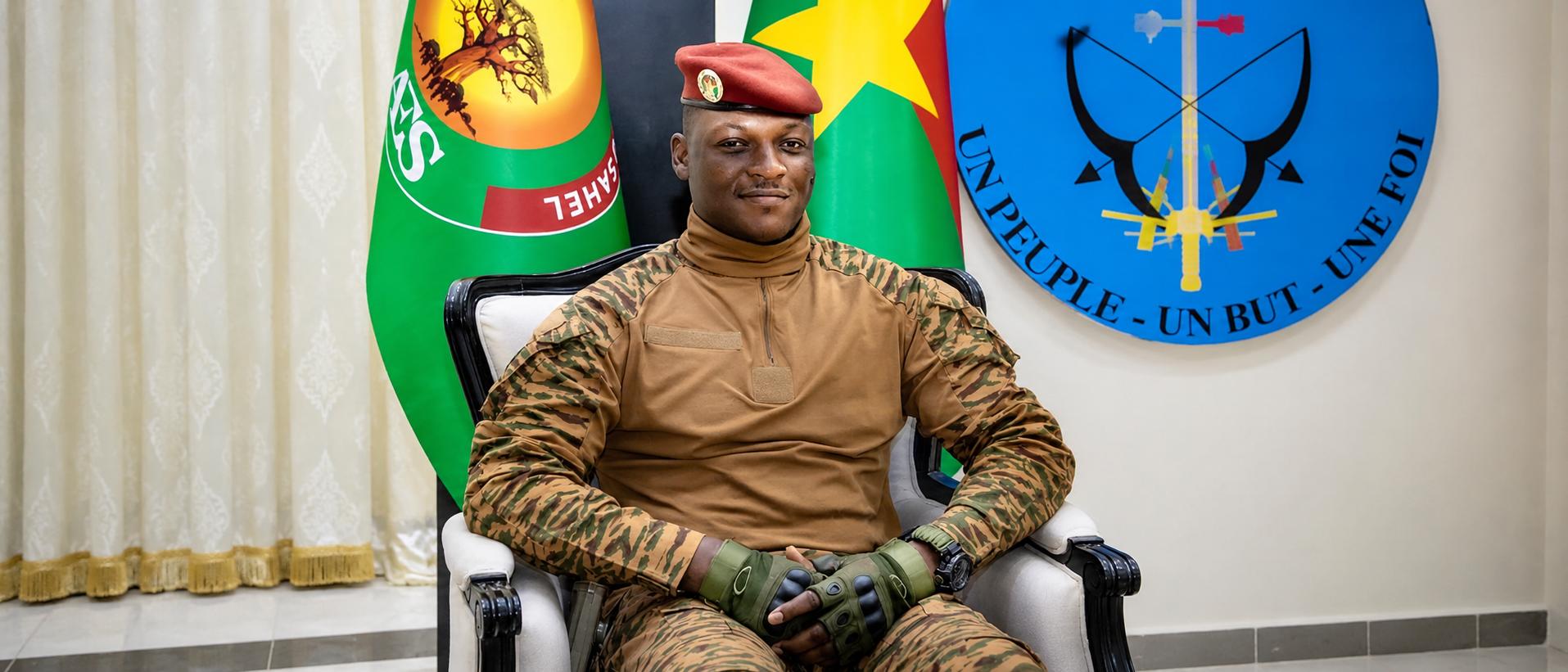
Burkina Faso’s death penalty revival: a political weapon aimed at Damiba

Burkina Faso’s military government has just taken a bold step that could reshape the nation’s future. By unanimously reinstating the death penalty through its transitional legislative assembly, the regime under Captain Ibrahim Traoré has signaled a definitive shift toward harder lines in Ouagadougou. Dubbed with chilling clarity as the end of ‘sentimentalism,’ this legal move—abolished in the country since 2018—is being framed by the executive as a stern measure to restore national resolve. Yet beneath the nationalist rhetoric and claims of fighting treason, many suspect this isn’t just about justice.…

Read More

Burkina Faso cracks down on illegal trade: fallout and future of anti-contraband efforts

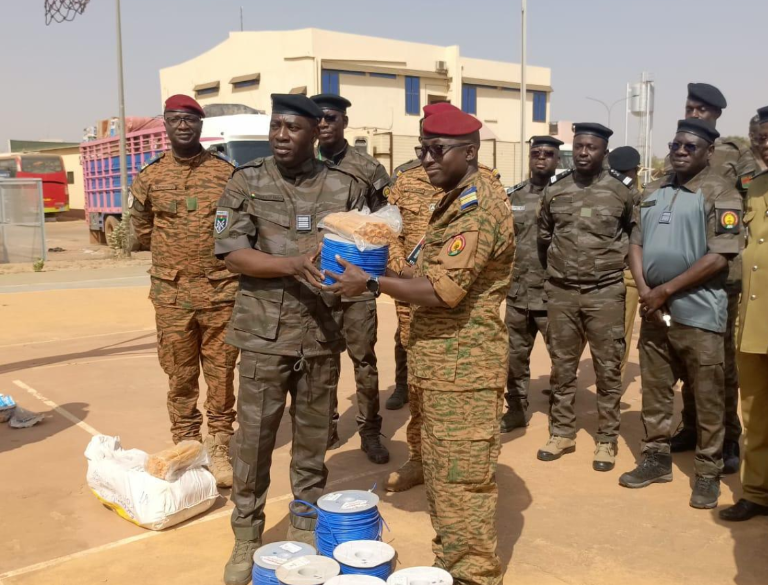
Revelations from Operation ‘Magnan’ and the growing debate The General Directorate of Customs (DGD) of Burkina Faso has just delivered a sobering assessment of its three-month anti-contraband Operation ‘Magnan’, revealing a staggering haul of illicit goods worth over 10 billion West African CFA francs. The findings, presented in Ouagadougou on October 20, 2026, have ignited a national debate over public health risks, economic stability, and the evolving tactics of criminal networks operating in the shadows of West Africa’s informal trade corridors. Breaking down the illegal cargo: medicines lead the charge…

Read More

Mali’s livestock export ban sparks debate on economic sovereignty and trade rights

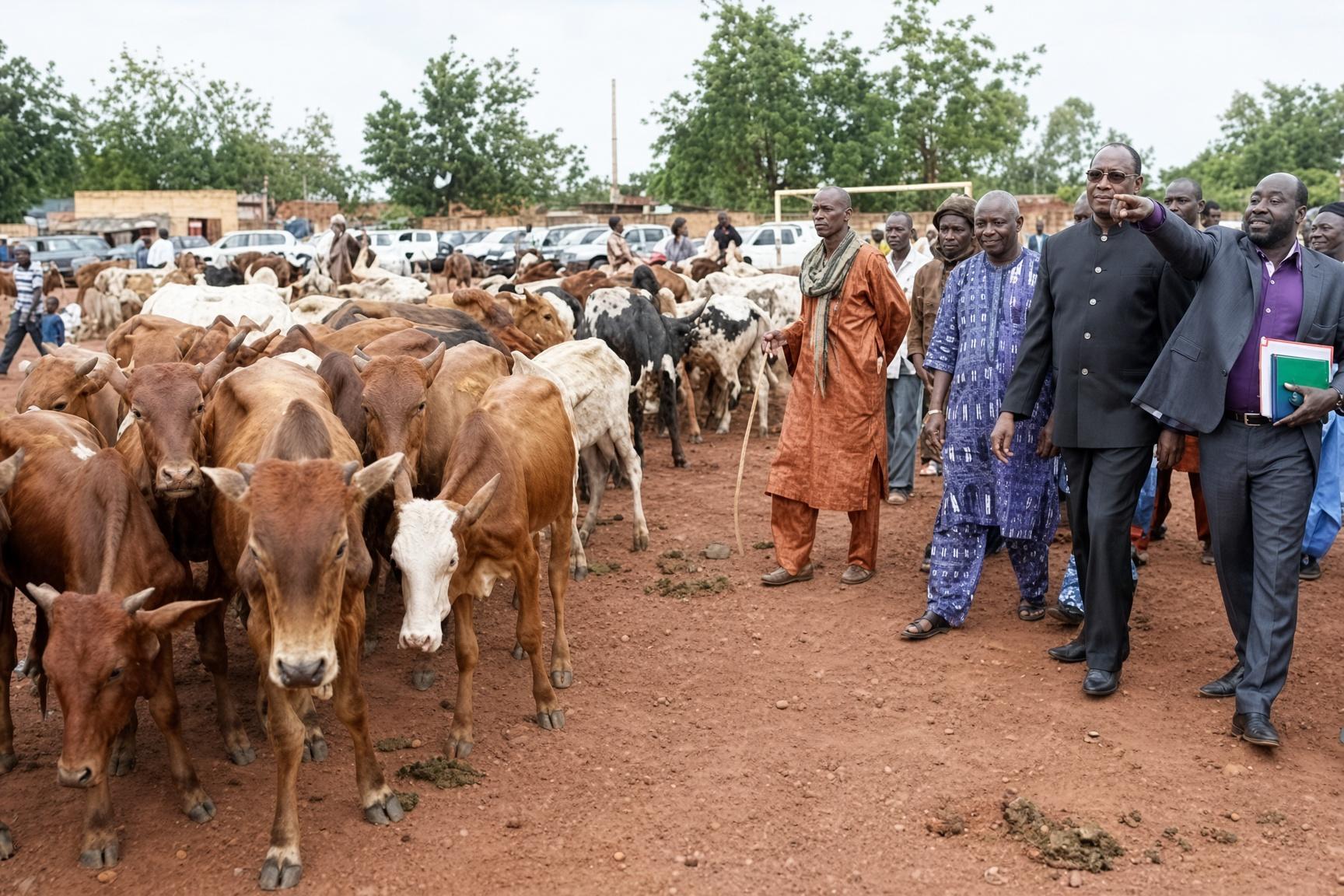
Why Bamako’s six-month cattle export freeze is igniting a political and economic firestorm The Malian government’s decision to halt cattle exports for six months has intensified scrutiny over its economic policies, exposing deep divisions about whether coercive measures can curb rising meat prices or whether they will deepen a growing crisis. While authorities frame the ban as a safeguard for local consumers, critics argue it represents a dangerous overreach that punishes private entrepreneurs, destabilizes regional trade networks, and undermines investor confidence in Mali’s economic future. Nationalization of blame: how the…

Read More
Uncategorized

African customs in flux: public debate intensifies over Nigeria, Cameroon and Benin digital integration plans

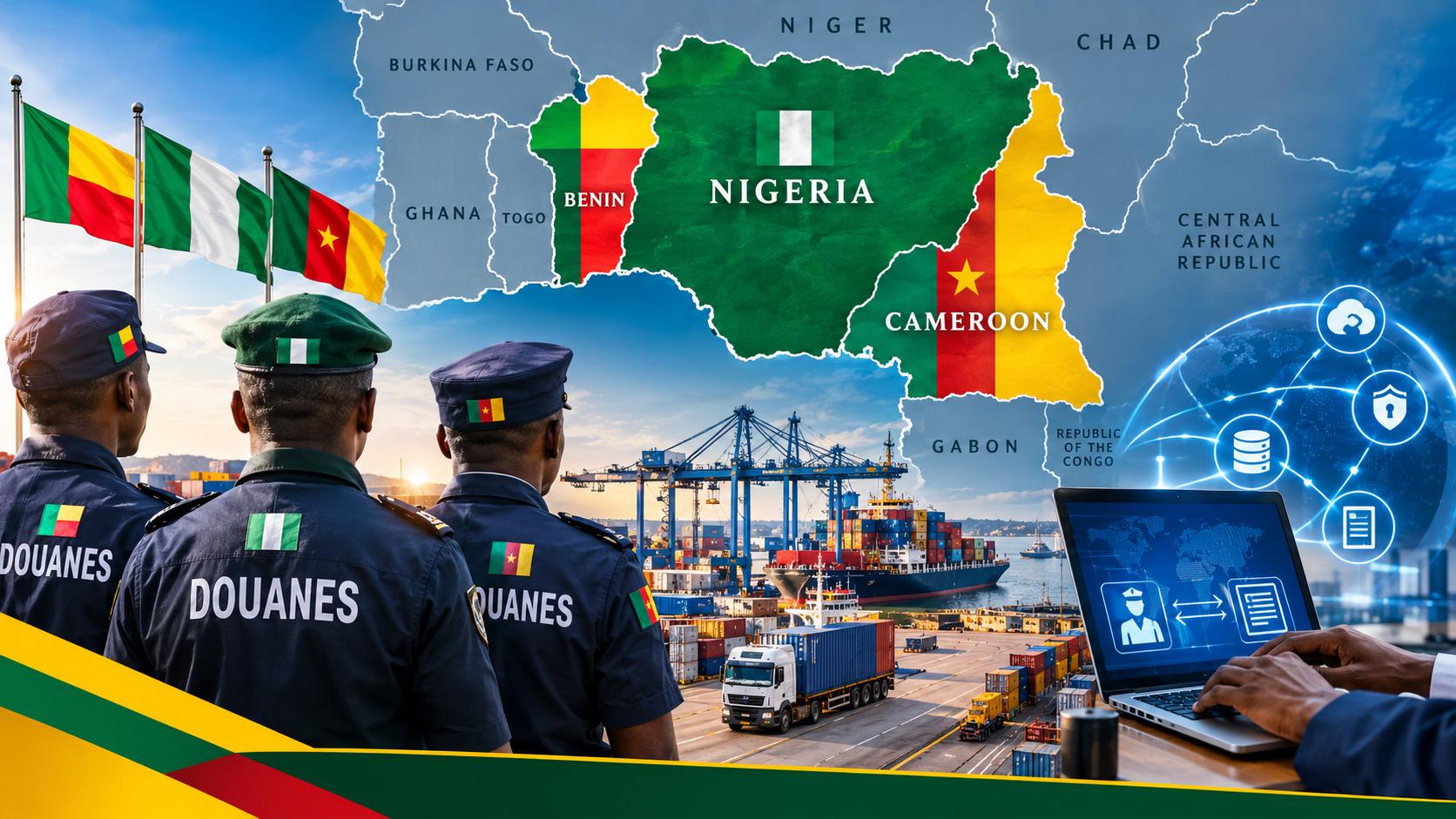
The decision by Benin, Nigeria, and Cameroon to interconnect their customs systems has ignited a wave of discussion across the continent. While proponents highlight faster trade flows and reduced delays, critics question the practical hurdles and long-term sustainability of such a regional initiative. Public reactions underscore both optimism and skepticism Since the October 2026 announcement in Cairo, stakeholders have divided sharply over the proposed digital customs integration. Business associations welcome the move, emphasizing that streamlined procedures could significantly lower trade barriers. However, logistics operators voice concerns about implementation challenges, particularly…

Read More

Nigeria grapples with imported Ebola case amid waning regional alertness

With the confirmation of Nigeria’s first Ebola case in years, public health officials and citizens alike are confronting a fresh wave of unease. The arrival of the Bundibugyo virus strain—imported into Abuja through a recent traveler—has reignited debates about the country’s preparedness and the broader risks facing West Africa as the epidemic spreads beyond Central and East Africa. From containment to reaction: how Nigeria’s health system is responding The Nigerian government announced late Tuesday that a woman who had recently traveled through East Africa had tested positive for Ebola virus…

Read More

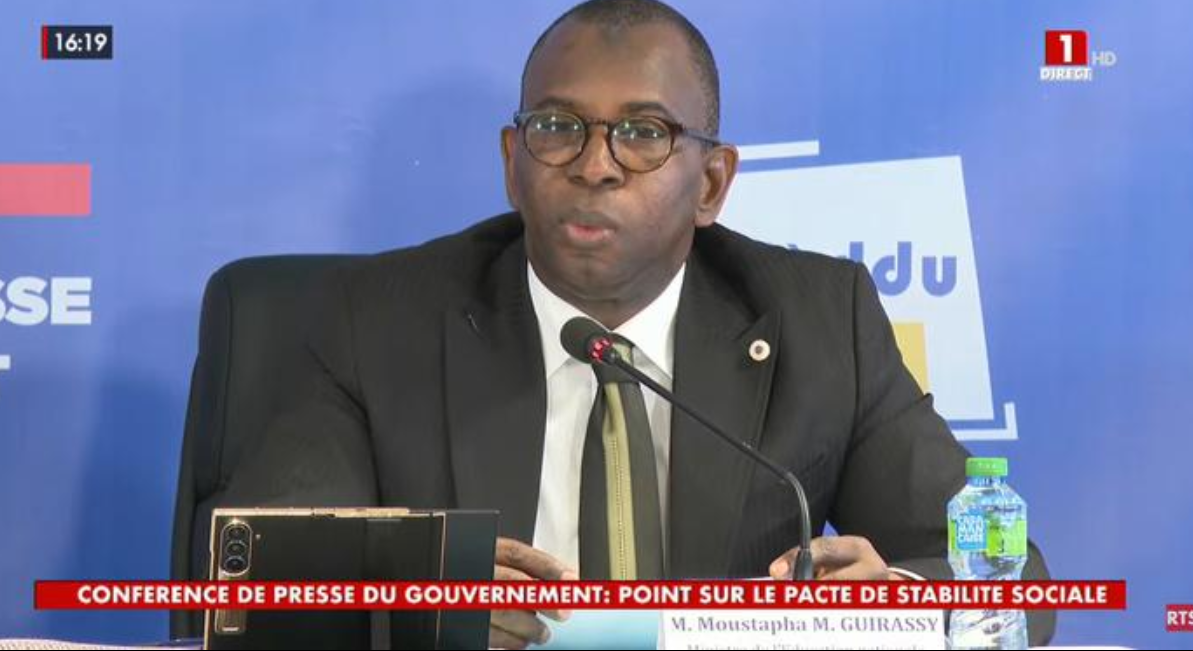
Senegal’s unfolding crisis: how 72-hour strike exposes deeper social fractures

Why Senegal’s three-day strike has rattled the nation The 72-hour nationwide strike in Senegal entered its second day amid escalating tensions between workers’ unions and the government. With key sectors at a standstill, the mobilization has crystallized long-standing frustrations over unmet promises, delayed payments, and deteriorating working conditions. As the government scrambles to balance public pressure with legal strictures, analysts warn the standoff could redefine labor relations in the country ahead of critical events on the horizon. What the unions are demanding — and why it matters The strike spearheaded…

Read More

Mali : Plus de 40 civils massacrés à Tagadayat, Africa Corps face au défi de la protection des populations

Alors que les attaques continuent de frapper le nord-est du Mali et de provoquer des déplacements de population, le massacre de Tagadayat relance les interrogations sur l’efficacité de la stratégie sécuritaire du pays. Des enquêtes journalistiques antérieures estiment à près de 900 millions de dollars le coût du partenariat militaire russe entre 2021 et 2025. Un montant considérable qui pose la question des résultats obtenus sur le terrain. MÉNAKA, Mali — Le bilan est une nouvelle fois lourd pour les populations civiles. Plus de 40 personnes ont été tuées dimanche…

Read More

Niger faces fuel crisis protests: government clamps down amid energy sovereignty debate

As Niger grapples with soaring fuel shortages and mounting public frustration, the transitional authorities have taken a decisive—and controversial—step to suppress dissent. On October 21, the Ministry of Interior, led by General Mohamed Toumba, banned all demonstrations related to oil management, effectively silencing calls for accountability in the exploitation of the Agadem oil fields and the use of petroleum revenues. From policy failure to public outcry: how Niger’s energy model unraveled The timing of the ban is revealing. Across Niamey, long queues snake outside gas stations, a stark contrast for…

Read More