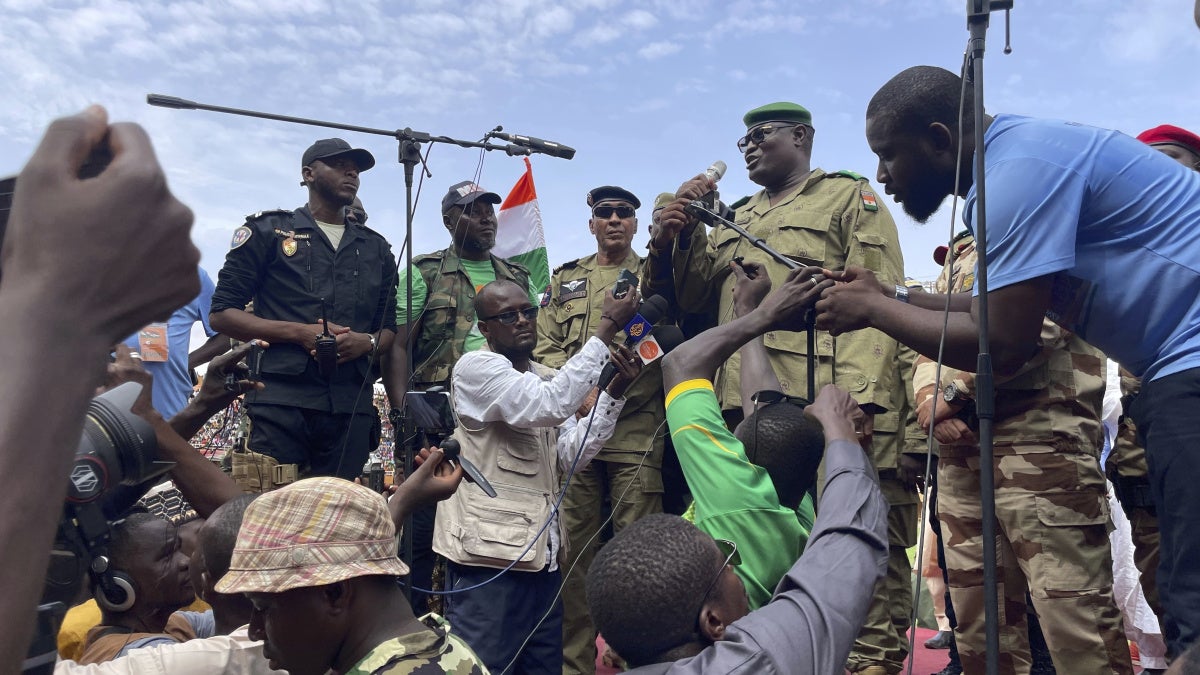
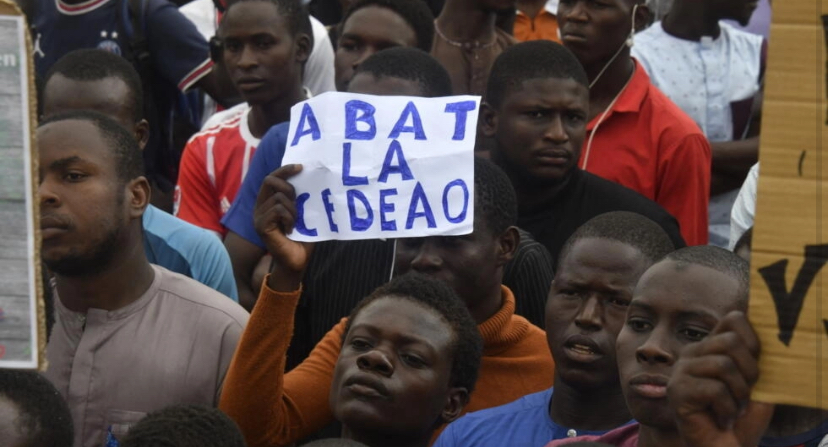
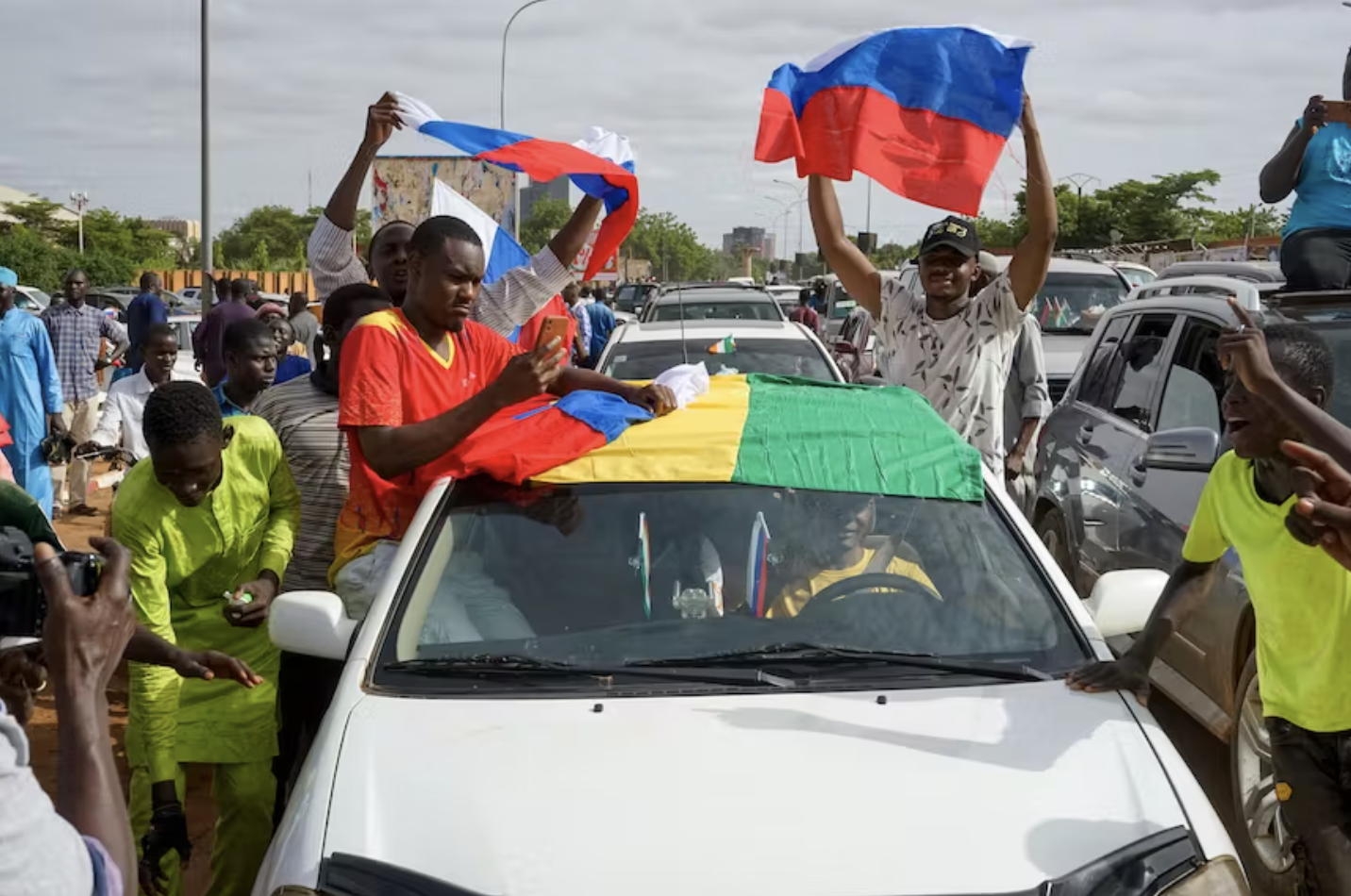
Click to expand Image (Nairobi) – One year following the military coup in Niger, the ruling authorities have intensified their crackdown on opposition voices, independent media, and peaceful dissent, as reported today by Amnesty International, Human Rights Watch, and the International Federation for Human Rights (FIDH). Since seizing power, the military regime has arbitrarily detained former President Mohamed Bazoum, along with at least 30 officials from the ousted government and individuals associated with the deposed leader, in addition to several journalists. Despite public pledges to combat corruption, the authorities have…
Read MoreAuthor: Ousmane Tandja
World bank boosts inclusive healthcare resilience in Mali
The World Bank has approved a $100 million grant from the International Development Association (IDA) to strengthen Mali’s healthcare system, ensuring accessible, high-quality services for reproductive, maternal, neonatal, infant, adolescent, and nutritional health. The initiative also bolsters preparedness for health emergencies in vulnerable regions. The project, titled Keneya Yiriwali (meaning “Health for All” in Bambara), adopts a results-based financing (RBF) approach to enhance essential healthcare services, particularly in underserved areas. It prioritizes RMNCAH+N services—reproductive, maternal, neonatal, child, and adolescent health and nutrition—by expanding coverage and strengthening the healthcare pyramid. Funding…
Read MorePress freedom under threat in Niger as journalists face arrests and harassment
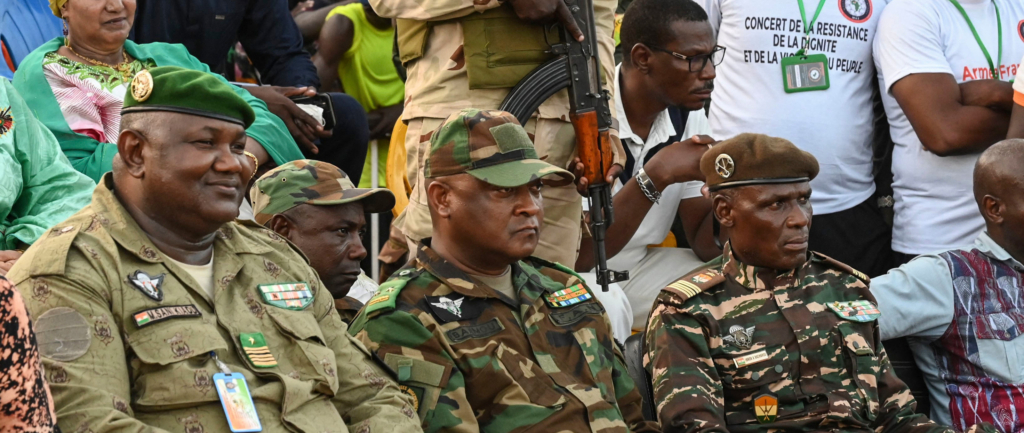
The state of media independence in Niger is deteriorating as the current transition government uses intimidation and arbitrary detentions against reporters covering security matters and national conflicts, according to Amnesty International. Since the military takeover on July 26, 2023—led by Abdourahamane Tchiani, who detained President Mohamed Bazoum—media professionals have faced increasing restrictions. Fear of retaliation has led many to practice self-censorship to avoid being targeted by the authorities. “This suppression of the right to free expression and the work of the media comes at a time when the public desperately…
Read MoreMali’s junta intensifies crackdown on civil society organizations
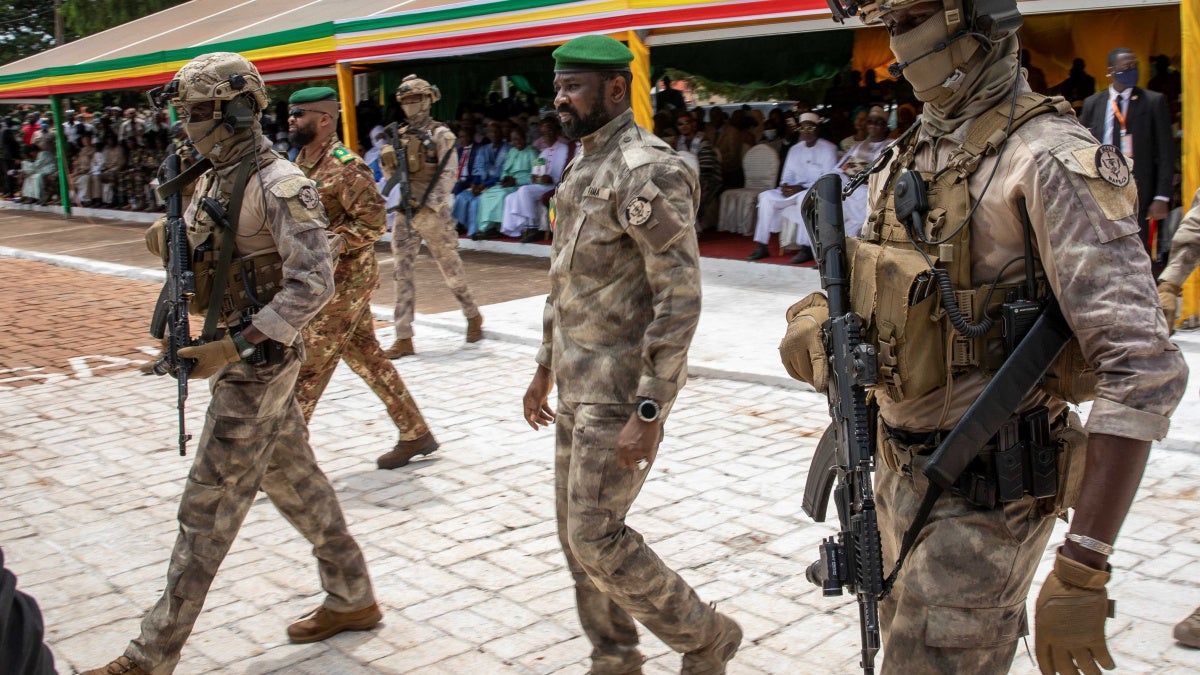
Click to expand Image In Mali, the recent decision by the Minister of Territorial Administration to disband a student association marks the latest move in a series of government actions designed to curtail freedom of association. The minister asserted that the Association des Élèves et Étudiants du Mali (AEEM) was responsible for “violence and confrontations” within academic environments. Furthermore, the minister stated that in 2017 and 2018, security forces apprehended some of its members who were allegedly found with weapons, narcotics, and significant unjustified sums of money. The AEEM’s dissolution…
Read MoreCEDEAO withdrawal impact on human rights in Burkina Faso Niger and Mali
The recent announcement of Burkina Faso, Niger, and Mali withdrawing from the Economic Community of West African States (ECOWAS) has raised concerns about the future of human rights protections in these nations. Citizens in these countries may face significant challenges in accessing justice, particularly through the ECOWAS Court of Justice, which has long served as a critical safeguard for human rights. Why the ECOWAS Court matters for human rights For many people in Burkina Faso, Niger, and Mali, the ECOWAS Court of Justice represented a vital legal recourse, especially in…
Read MoreThe niger coup: a pivotal moment for west africa and global diplomacy
The military takeover orchestrated by General Tiani, which led to the ousting of President Bazoum in Niger on July 26, marks the latest in a series of such events across the Sahel. Since 2020, the Sahel region has witnessed six coups; Niger’s adds a seventh to this concerning tally. The reactions from both regional and international stakeholders have been unprecedented in their intensity, yet simultaneously more fractured and uncertain than in prior instances. This particular coup raises profound international concerns and potentially graver risks than its predecessors. Indeed, we may…
Read MoreBéninese lawmakers question military option in Niger crisis
Following the military coup d’état that unfolded in Niger on July 26, 2023, international reactions were swift and pronounced. Major bodies such as ECOWAS, the AU, and prominent nations including the USA, France, and Russia, quickly articulated their positions. Within Bénin, the pronouncements from President Patrice Talon and the indications of a potential armed intervention have not been universally welcomed. Reports from Western media suggest Bénin might commit troops alongside ECOWAS to confront the military junta. Many stakeholders, notably the Catholic Church and various political figures, have openly voiced their…
Read MoreRegional conference on human rights protection in the Sahel amid rising insecurity
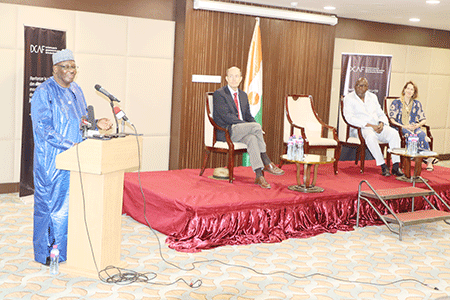
Sahel nations unite to strengthen human rights safeguards amid escalating insecurity Niamey recently hosted a pivotal regional conference focused on human rights protection mechanisms in the Sahel, where escalating insecurity has created a severe humanitarian crisis. The event, held over two days, brought together key stakeholders from Burkina Faso, Mali and Niger—the nations most affected by the deteriorating security situation along their shared borders. The conference was inaugurated by Mr. Maty El Hadj Moussa, Chair of the National Human Rights Commission (CNDH), in the presence of high-level delegates, including the…
Read MoreBurkina Faso’s military regime expels French journalists amid press freedom crackdown
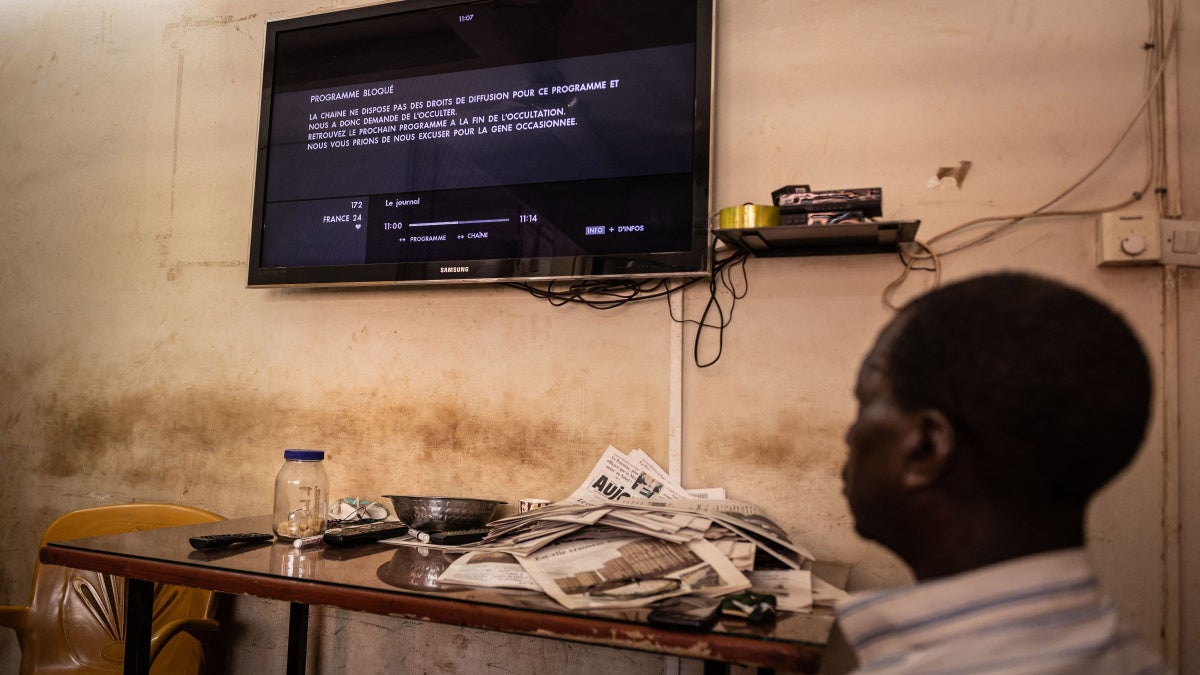
Click to expand Image Une télévision montre le signal coupé de la chaîne France 24, quelques heures après que le gouvernement militaire du Burkina Faso ait suspendu la chaîne, le 27 mars 2023. © 2023 Olympia de Maismont/AFP via Getty Images In a fresh blow to the freedom of information in Burkina Faso, the nation’s transitional military authorities have expelled two French journalists, Agnès Faivre and Sophie Douce. Faivre worked for the daily newspaper Libération, while Douce reported for Le Monde. Both reporters possessed valid visas and official press accreditations.…
Read MoreAddressing the malnutrition crisis in Mali: a public health priority
Current Events Nutrition Addressing the malnutrition crisis in Mali: a public health priority Widespread across Mali, malnutrition represents a critical health emergency for this Sahelian nation of 15 million people. Despite recent prevention strategies, several regions continue to struggle with high rates of nutritional deficiency. Here is an overview of the current situation. Multiple areas in Mali are currently facing nutritional crises. In response, Malian authorities have stepped up their efforts. With a staggering child mortality rate where nearly one in five children dies before the age of five, improving…
Read MoreNiger’s journey to strengthen health financing and partner collaboration
strengthening cooperation and funding for health in Niger The Republic of Niger, a landlocked nation in West Africa, has grappled with persistent armed conflicts and prolonged periods of drought. These challenges have severely impacted the country’s healthcare infrastructure, contributing to some of the highest maternal and infant mortality rates globally. In response to this critical situation, the Government of Niger has committed to achieving universal health coverage (UHC), building upon insights gained from previous initiatives aimed at broadening access to essential health services. In 2006, confronting alarming health indicators, the…
Read MoreBurkina Faso: urgent call to address severe human rights violations against fulani communities
As the 45th session of the Human Rights Council approaches its conclusion, the Organisation mondiale contre la torture (OMCT) and its partners within the SOS-Torture Network are urging the Special Rapporteur on the rights of indigenous peoples, along with all Council members, to give critical attention to the Fulani populations in Burkina Faso. These communities are caught in the escalating conflict stemming from counter-terrorism operations across the Sahel region. Since 2016, the Fulani people in Burkina Faso have been subjected to grave human rights abuses, some of which bear the…
Read More