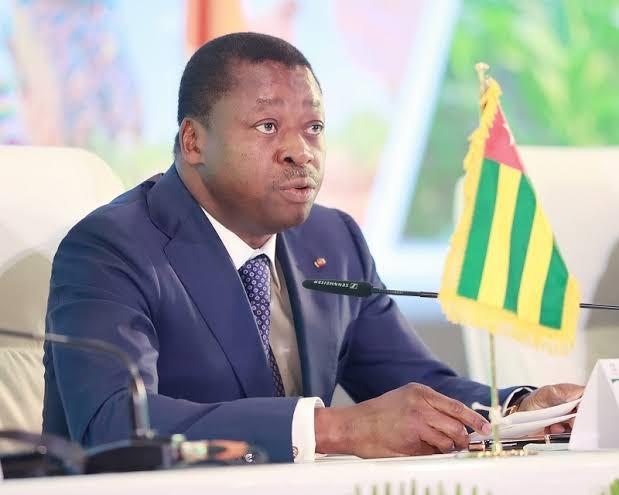
The Togolese government’s push for political dialogue has hit a major roadblock after four opposition groups withdrew, intensifying public debate over the country’s future. The refusal, framed around a broad coalition called the Manifeste Génération Togo, underscores deep divisions over a 2024 constitutional reform and a landmark ruling by the ECOWAS Court of Justice. Opposition unites in rejection of government-led talks On October 15, 2026, four major opposition coalitions jointly announced their refusal to participate in the government’s initiative, describing it as a “sham dialogue.” The groups—Dynamique Monseigneur Kpodzro (DMK),…
Read MoreAuthor: Ousmane Tandja
Benin’s fuel reserves spark debate amid supply shifts and public demand
Benin’s fuel reserves spark debate amid supply shifts and public demand The Beninese government has dismissed fears of a fuel shortage this week, though public frustration over long queues at service stations continues to mount. Officials attribute the congestion not to a supply crisis, but rather to a surge in demand as consumers shift from the informal market to licensed stations. Government reassures: reserves secure, but market dynamics shift Government spokesperson Wilfried Léandre Houngbédji confirmed on Sunday that Benin now holds enough fuel reserves to cover three to six months…
Read MoreBurkina Faso’s history curriculum reform sparks debate over balanced education
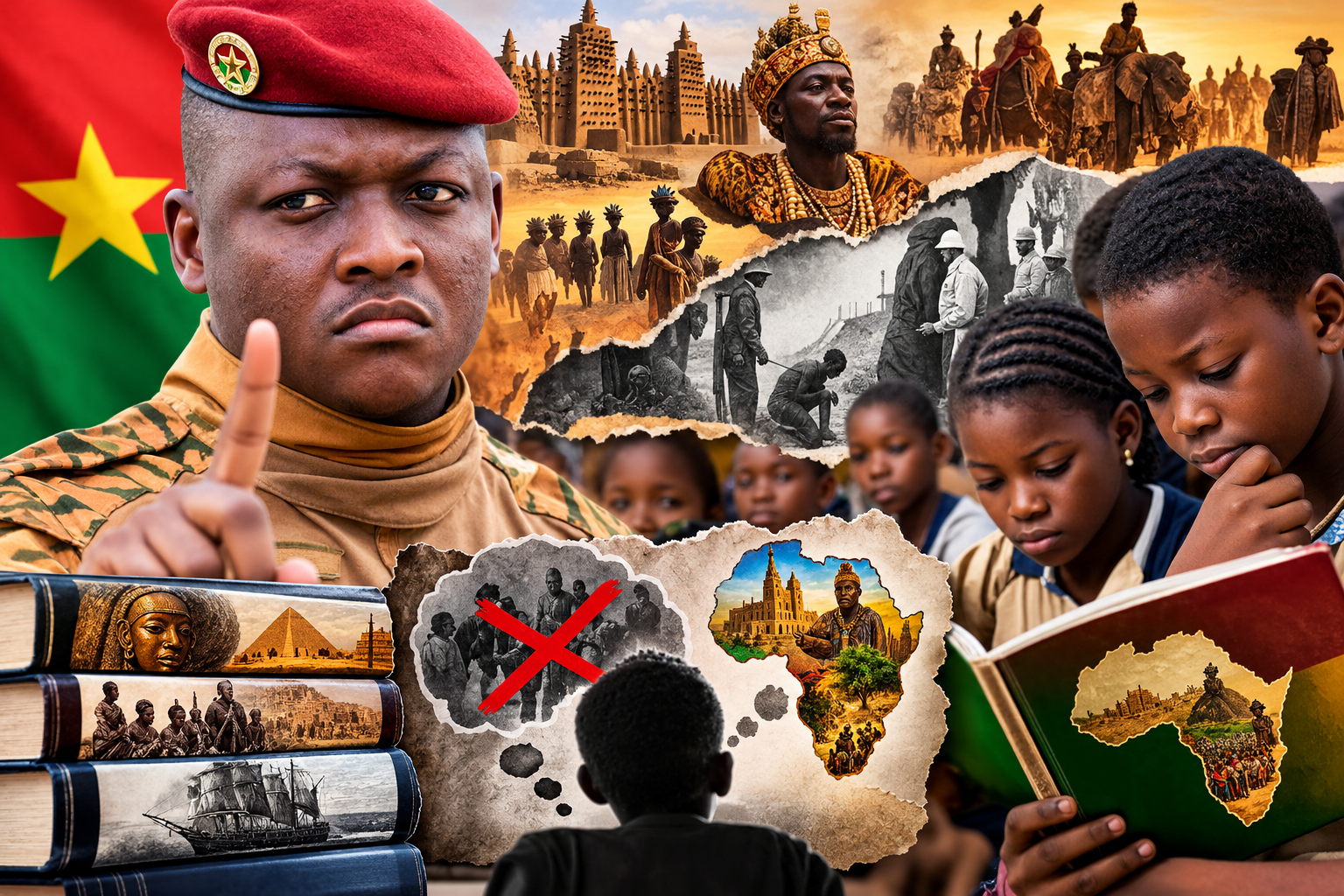
Confronting colonial legacies without erasing complexity The Burkina Faso government’s push to reform history and geography curricula aimed at “decolonizing” textbooks has ignited a national debate over how the nation’s past should be taught to future generations. While the initiative addresses valid concerns about the underrepresentation of African narratives in education, it also raises critical questions: Can redefining school curricula truly correct historical injustices, or does it risk replacing one distorted lens with another? The dangers of a one-sided historical narrative are clear. History is not a monolith shaped solely…
Read MoreAfter massive crackdown, what’s next for west african cybercrime networks
Following one of the largest coordinated takedowns in digital fraud history, the fallout from Meta’s latest operation against West African cybercrime rings is sparking intense public debate—and raising critical questions about what happens next. With over 3.7 million fraudulent accounts removed, the unprecedented crackdown has exposed deep-rooted criminal ecosystems, triggered arrests, and even saved human trafficking victims in Ghana. But as authorities hail the milestone, experts warn that this is just the beginning of a long, complex battle against a global threat that keeps evolving. How the operation unfolded and…
Read MoreFrench youth protests expose deep cracks in education system ahead of 2027 vote
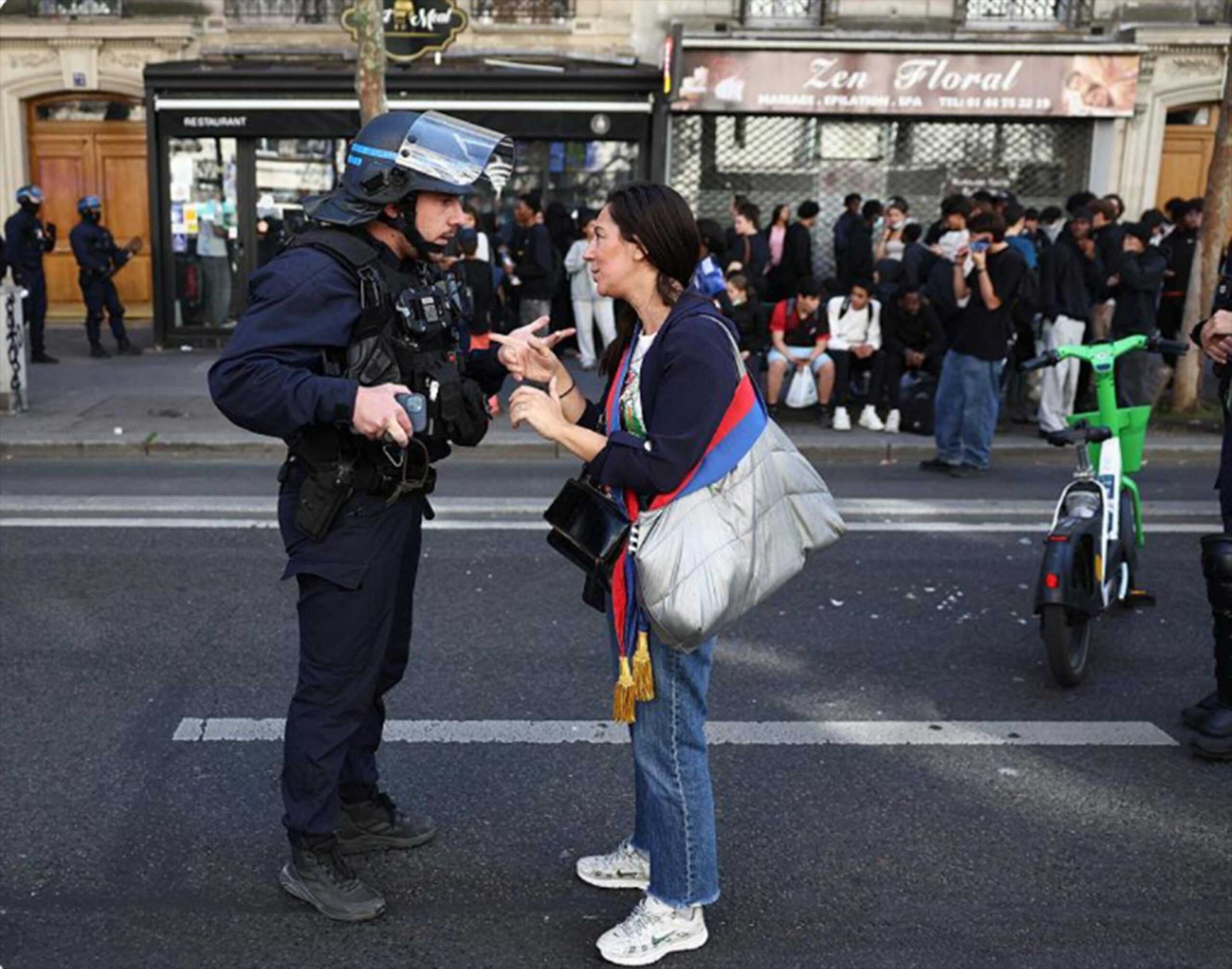
The streets of France are once again a battleground, this time with education at the epicenter of a growing storm. As the nation gears up for the pivotal 2027 presidential election, a wave of youth-led protests has exposed raw frustrations over crumbling school infrastructure, overcrowded classrooms, and what many young people describe as a broken promise of equal opportunity. The unrest, which began with high school students, has evolved into a broader social outcry, forcing politicians to confront uncomfortable questions about the future they’re leaving for the next generation. From…
Read MoreN’Djamena youth at a crossroads as Snapchat reshapes dreams and realities
N’Djamena youth at a crossroads as Snapchat reshapes dreams and realities A heated debate is unfolding in N’Djamena as Snapchat transforms from a simple messaging tool into a platform that shapes aspirations, social benchmarks, and even financial expectations among the city’s youth. The fallout from this digital shift is sparking conversations about authenticity, success, and the pressures of living up to curated online personas. From trends to financial expectations: the double-edged sword of Snapchat What started as a tool for fleeting messages has evolved into a mirror reflecting—and sometimes distorting—youth…
Read MoreJoseph Kabila’s controversial alliance with DRC rebels: a nation on the brink of conflict
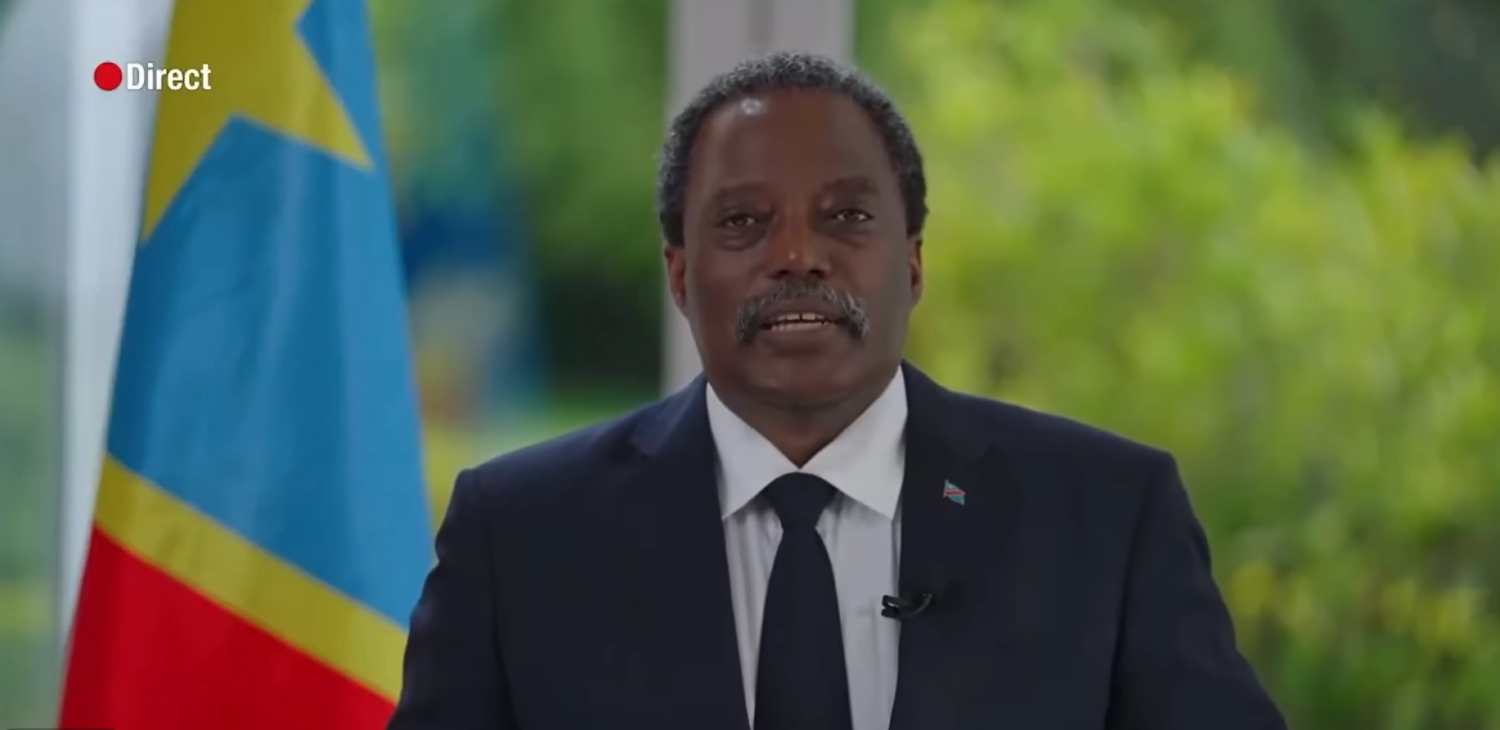
With his recent public endorsement of the Front for the Rebuilding of the Nation (FRN), former Democratic Republic of Congo (DRC) president Joseph Kabila has ignited a fierce political and military firestorm. The coalition, uniting armed factions including the M23 and former Alliance du Fleuve Congo, now operates under Kabila’s leadership as a strategic front to mask Rwanda-backed rebellion efforts. This bold move risks plunging the already fragile Congo into a full-blown civil war while exposing deep regional fractures and international tensions. The making of Kabila’s political comeback Joseph Kabila’s…
Read MoreCameroun’s anglophone crisis: growing backlash against Yaoundé’s refusal to negotiate
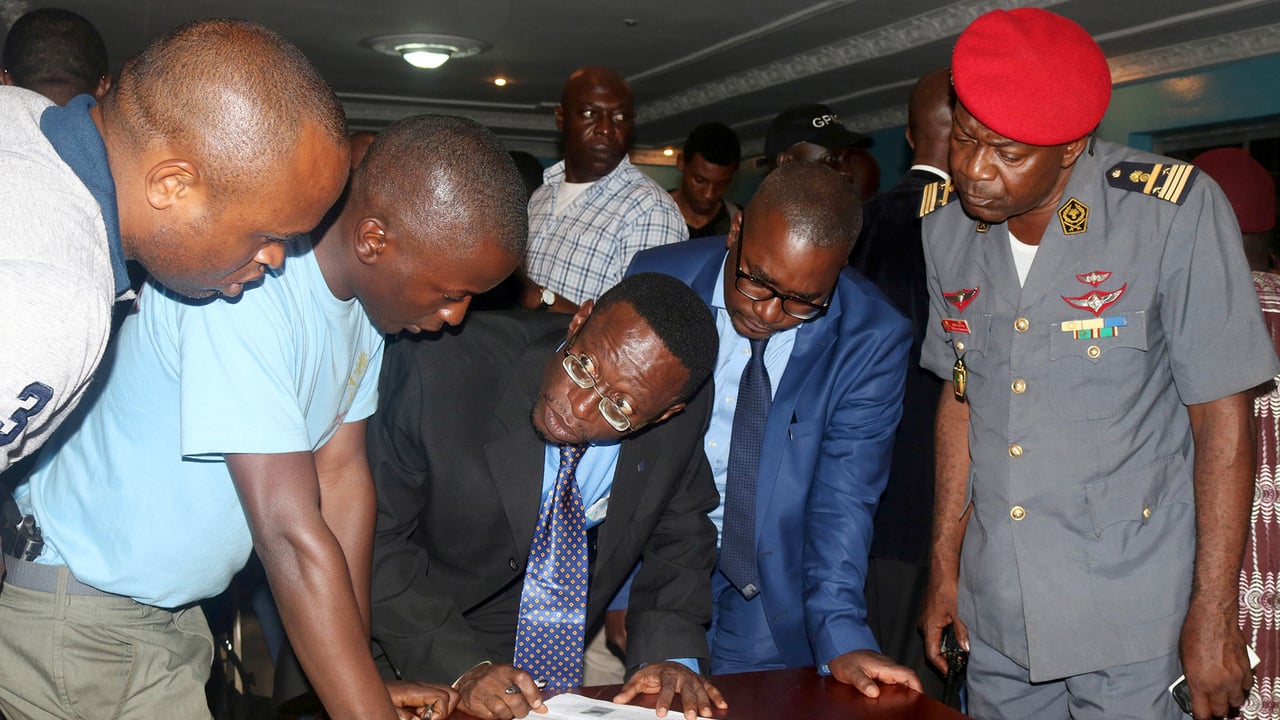
International pressure mounts as Cameroon’s government faces mounting criticism for rejecting peace talks The refusal of Cameroon’s central authorities to engage in meaningful dialogue with anglophone separatist leaders has triggered a wave of global condemnation. Public opinion, human rights groups, and international observers are increasingly vocal about the need for urgent negotiations to end a decade of violence that has devastated the country’s Northwest and Southwest regions. Critics argue that Yaoundé’s hardline stance is not only prolonging the suffering of millions but also undermining the country’s long-term stability. Human rights…
Read MoreMorocco’s new government sparks mixed reactions amid reshuffled priorities
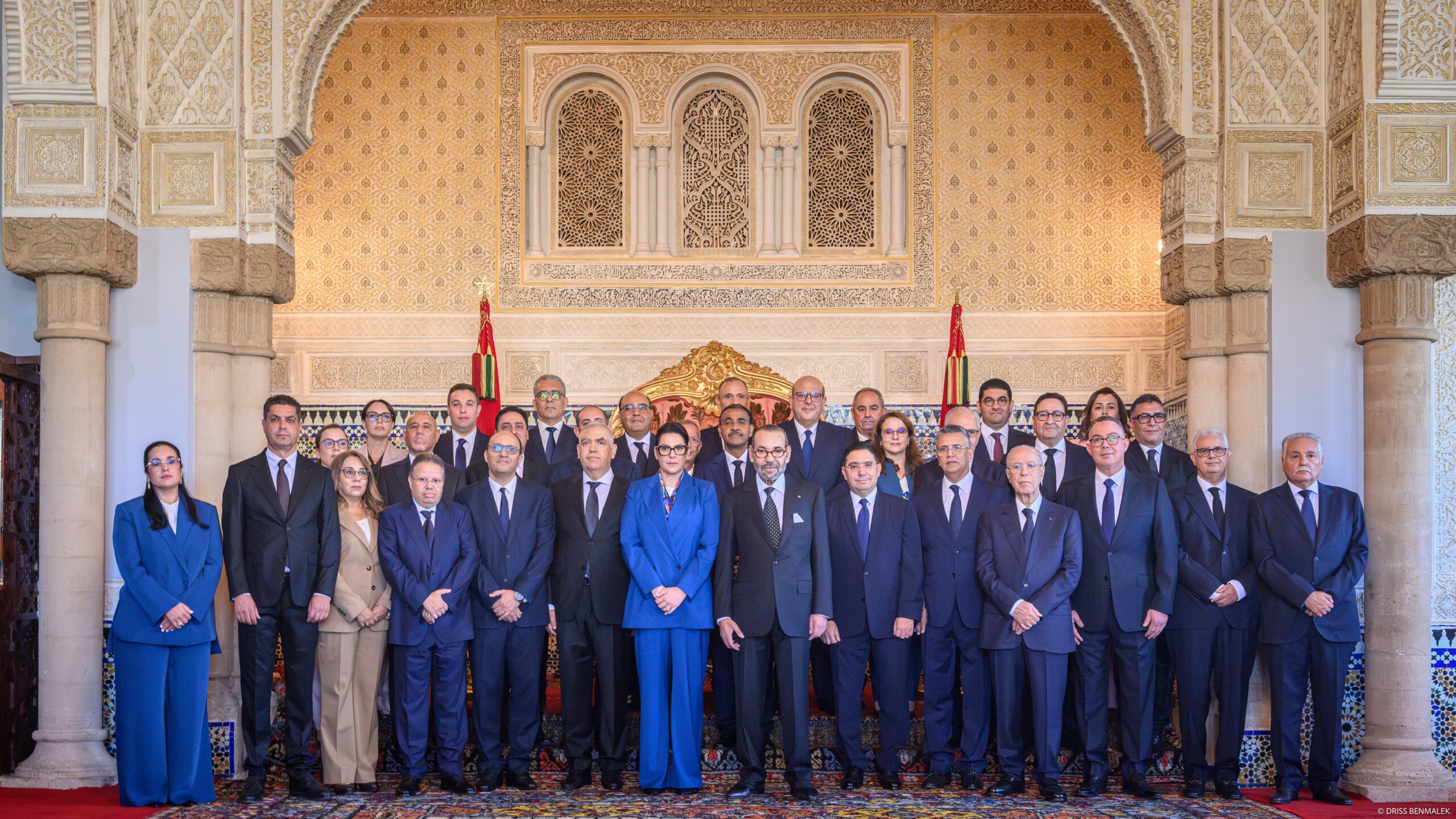
Morocco’s new government sparks mixed reactions amid reshuffled priorities The unveiling of Morocco’s freshly appointed cabinet has ignited intense public debate, raising questions about the new executive’s capacity to navigate economic challenges and regional instability. On Friday, October 16, 2026, King Mohammed VI presided over the swearing-in ceremony at the Royal Palace in Rabat, marking the official transition to a reshuffled government structure. What’s next for this administration? As citizens and analysts dissect the implications of the new appointments, early reactions underscore both cautious optimism and skepticism about the government’s…
Read MoreDiomaye’s allies defy parliament: what’s driving the escalating political standoff in Senegal
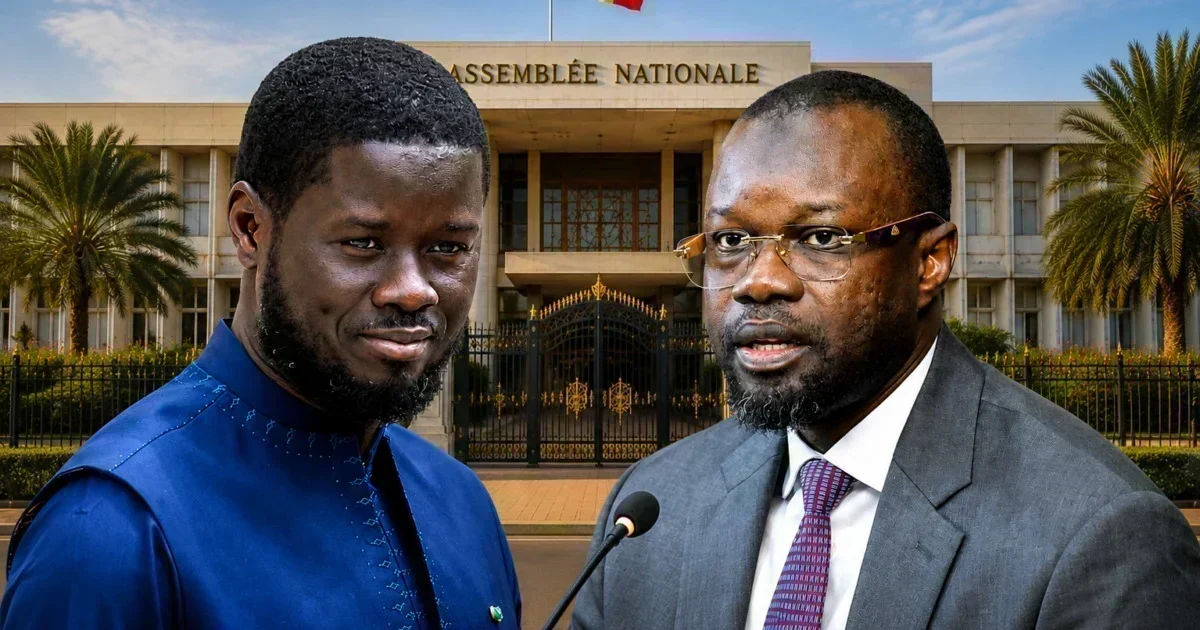
The refusal of senior presidential advisor Demba Dieng to appear before Senegal’s parliamentary inquiry commission has escalated tensions between the executive and legislative branches, raising urgent questions about the state’s response to institutional scrutiny. The decision, disclosed in an October 15 statement, signals a deepening rift as six unnamed ministers—active and former—also reportedly declined their convocations, according to former Higher Education Minister Daouda Ngom. An Unwritten Rule? The Debate Over Executive Privilege in Senegal Demba Dieng, former Director of the Land Registry and advisor to President Bassirou Diomaye Faye, cited…
Read MoreNiger’s fuel price freeze: a knee-jerk response to rising public unrest
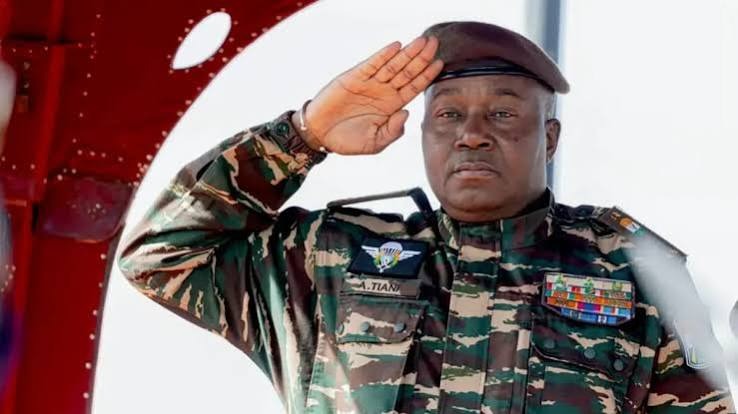
The abrupt reversal on fuel price hikes in Niger has exposed deep rifts within the ruling junta, signalling not a concession to public demand but a desperate bid to cling to power amid mounting instability. Far from a populist victory, the decision to freeze pump prices represents the first major tactical retreat for General Abdourahamane Tiani since the July 2023 coup, revealing a regime increasingly on the back foot. The backlash behind the policy reversal What was framed as a social gesture to ease public pressure has instead laid bare…
Read MoreBorder clashes between jihadist factions expose fragility of Sahel juntas
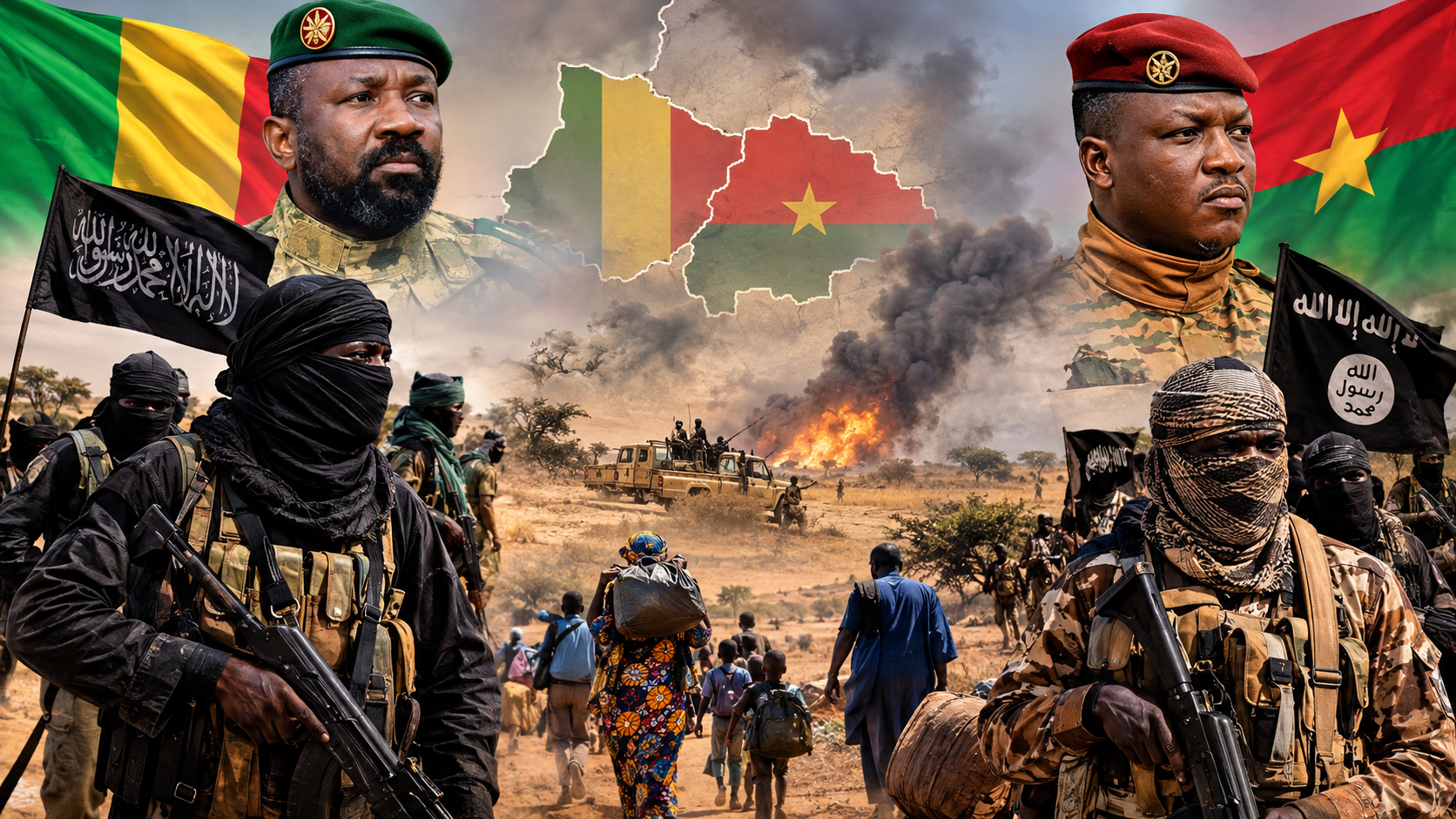
The escalating violent confrontations between the Group for the Support of Islam and Muslims (JNIM) and the Islamic State in the Sahel (EIS) at the Mali-Burkina Faso border have intensified scrutiny over the military juntas’ failure to restore stability in the region. These clashes underscore a broader crisis: armed groups now dictate terms across vast swathes of the Sahel, while national authorities struggle to regain meaningful control. For the juntas in Mali and Burkina Faso, the promise of restoring security and reclaiming lost territories formed the cornerstone of their rise…
Read More