Political party calls for constitutional clarity after president’s extended absence
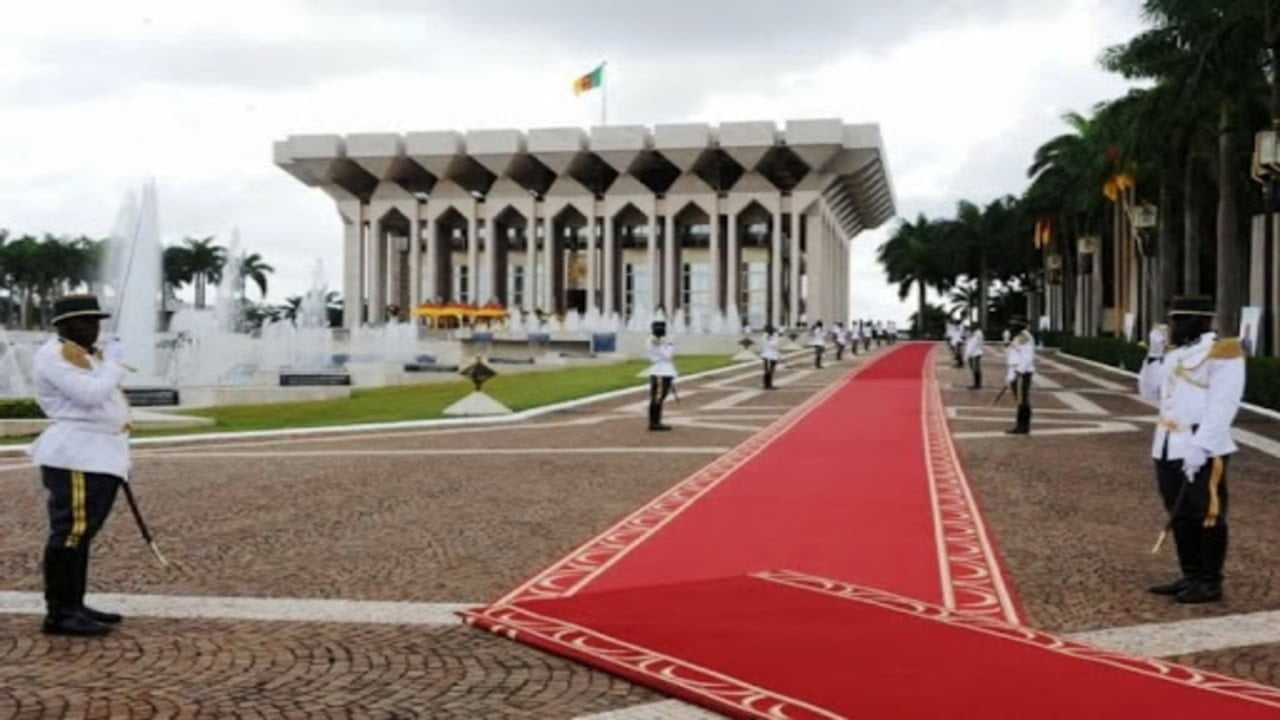
The Union for Democracy and Progress (UDC), a prominent political party in Cameroon, has sounded the alarm over the prolonged absence of President Paul Biya from the Palais de l’Unité, raising concerns about institutional continuity and transparency.
President Biya, who traveled to Europe on June 7, 2026 for what was officially described as a private visit, has not returned after more than 40 days. While the Civil Cabinet’s announcement provided minimal details, insiders confirm that the president is in Switzerland, though the purpose of his trip remains undisclosed. Meanwhile, the absence of official updates from the presidency has fueled speculation and media uncertainty.
In a strongly worded statement, UDC president Patricia Tomaino Ndam Njoya criticized the lack of transparency surrounding the president’s prolonged absence, particularly given the constitutional implications. The party emphasized that the stability of Cameroon’s institutions hinges on clear mechanisms for handling presidential absences, including the activation of temporary succession procedures.
Under the April 14, 2026 constitutional revision, the president is required to nominate a vice-president to ensure continuity in case of incapacity. However, this position remains vacant, leaving the nation in a state of institutional ambiguity. The UDC has urged authorities to:
- Establish precise rules and deadlines for handling prolonged presidential absences;
- Ensure regular updates to the nation and Parliament;
- Define a transparent process for declaring temporary or permanent incapacity;
- Prevent institutional paralysis by delegating presidential functions when necessary.
The timing of this absence is particularly sensitive, coming on the heels of a controversial presidential election and the start of President Biya’s eighth term. Despite campaign promises to form a new government to implement policy reforms, the cabinet remains unformed over six months later. Additionally, the constitutional amendment’s requirement for a vice-president has yet to be fulfilled.
Alarmingly, unverified presidential decrees circulating on state media have already sparked fears of a potential crisis. With legislative and municipal elections approaching, political factions—including the ruling party—are scrambling to adapt. The Central Committee of the Cameroon People’s Democratic Movement (CPDM) has scheduled an emergency meeting for July 21, 2026, though the absence of the party’s leader raises further questions about decision-making processes.
In parallel, a group claiming affiliation with the Anti-Sardinard Brigade staged a symbolic protest outside the president’s residence in Yaoundé, demanding his immediate return. While the demonstration had no formal impact, it underscored public frustration over the lack of clarity in governance during this critical period.