French presidential hopefuls face uphill battle to secure ballot access by 2027
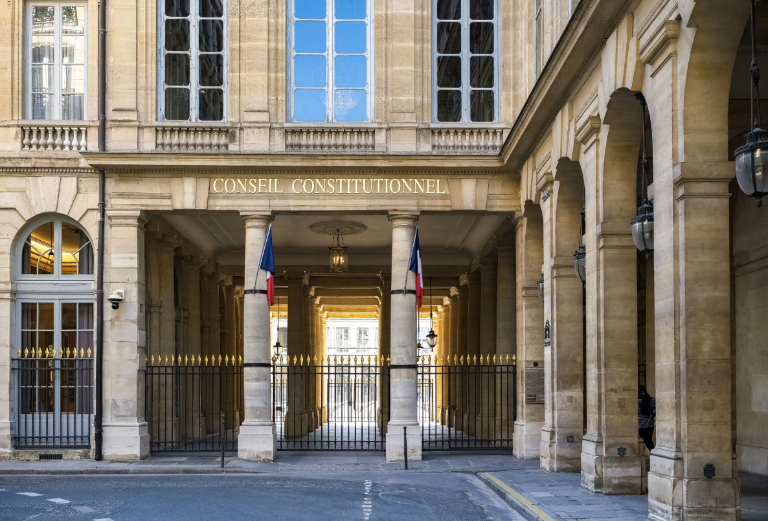
With the 2027 French presidential election looming on the horizon, the political landscape is buzzing with speculation and mounting declarations of intent. Over 30 figures—ranging from seasoned politicians to civil society leaders and even Olympic champion Teddy Riner—have publicly declared their candidacy. Yet securing a spot on the ballot paper is far from guaranteed; it hinges on one critical hurdle: gathering 500 official endorsements from elected officials. The growing tide of presidential ambitions The race for the Élysée Palace is intensifying as more names join the expanding roster of hopefuls.…

Read More

Gabon’s urban revolution: how 12 billion FCFA balances progress with human cost

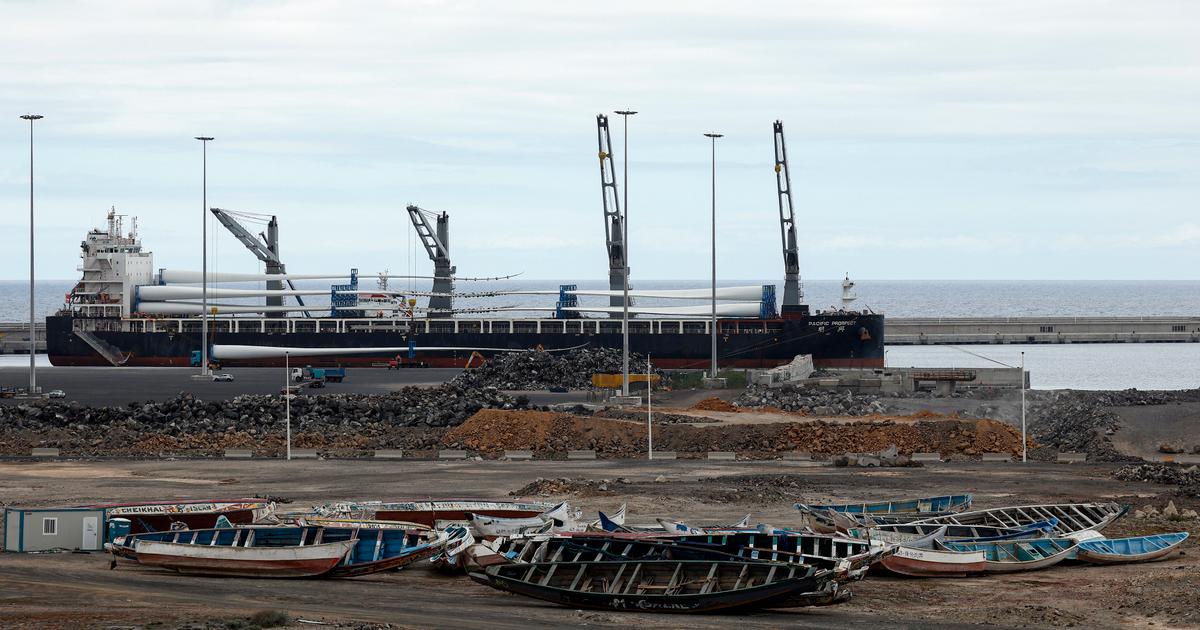
Gabon’s urban revolution: how 12 billion FCFA balances progress with human cost The transformation sweeping through Libreville is not just about asphalt, flyovers, and new roads. It’s about whether the state can uphold its social contract when families are forced to sacrifice their homes for the sake of the greater good. Behind the engineering marvels and infrastructure blueprints lies a human equation that demands answers: can modernisation rise above displacement, or will progress come at the price of dignity? Since November 4, demolition and redevelopment operations in Diba-Diba, Okala, and…

Read More

United nations withdrawal: Morocco’s high-stakes gamble over western Sahara sovereignty

The United Nations’ abrupt about-face on Western Sahara has exposed deep fractures within the Security Council, revealing how power dynamics can reshape international diplomacy overnight. While the expiration of the MINURSO mandate marks a symbolic victory for Rabat, the underlying legal vacuum persists, leaving the territory’s fate hanging in the balance. The unforeseen collapse of MINURSO at the UN Security Council After three decades of monitoring ceasefire lines and stalled peace processes, MINURSO’s sudden dismantling stems from an unprecedented diplomatic deadlock. On October 30, Russia vetoed a revised US-backed resolution…

Read More

Leaked documents reveal shocking Russian military death toll in Ukraine war

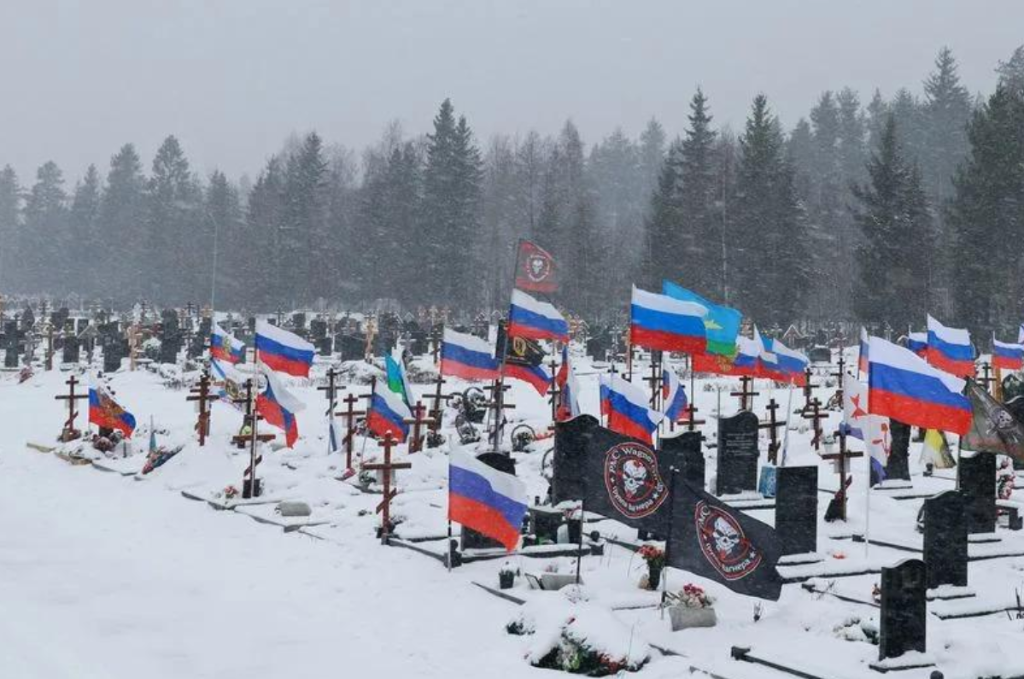
Leaked documents reveal shocking Russian military death toll in Ukraine war The cybersecurity landscape just witnessed a development that could reshape the global understanding of the human cost of war. Hackers have allegedly breached Rosstat’s systems, Russia’s federal statistics agency, and claim to have uncovered death certificates totaling 412,576 Russian military fatalities since the February 2022 invasion of Ukraine. This figure, if verified, would dwarf Moscow’s official casualty reports and ignite a firestorm of public debate about the true scale of losses. Breaking down the explosive cybersecurity investigation Silent Crow…

Read More

Niger’s citizenship revocation law: a tool for political retribution or national security?

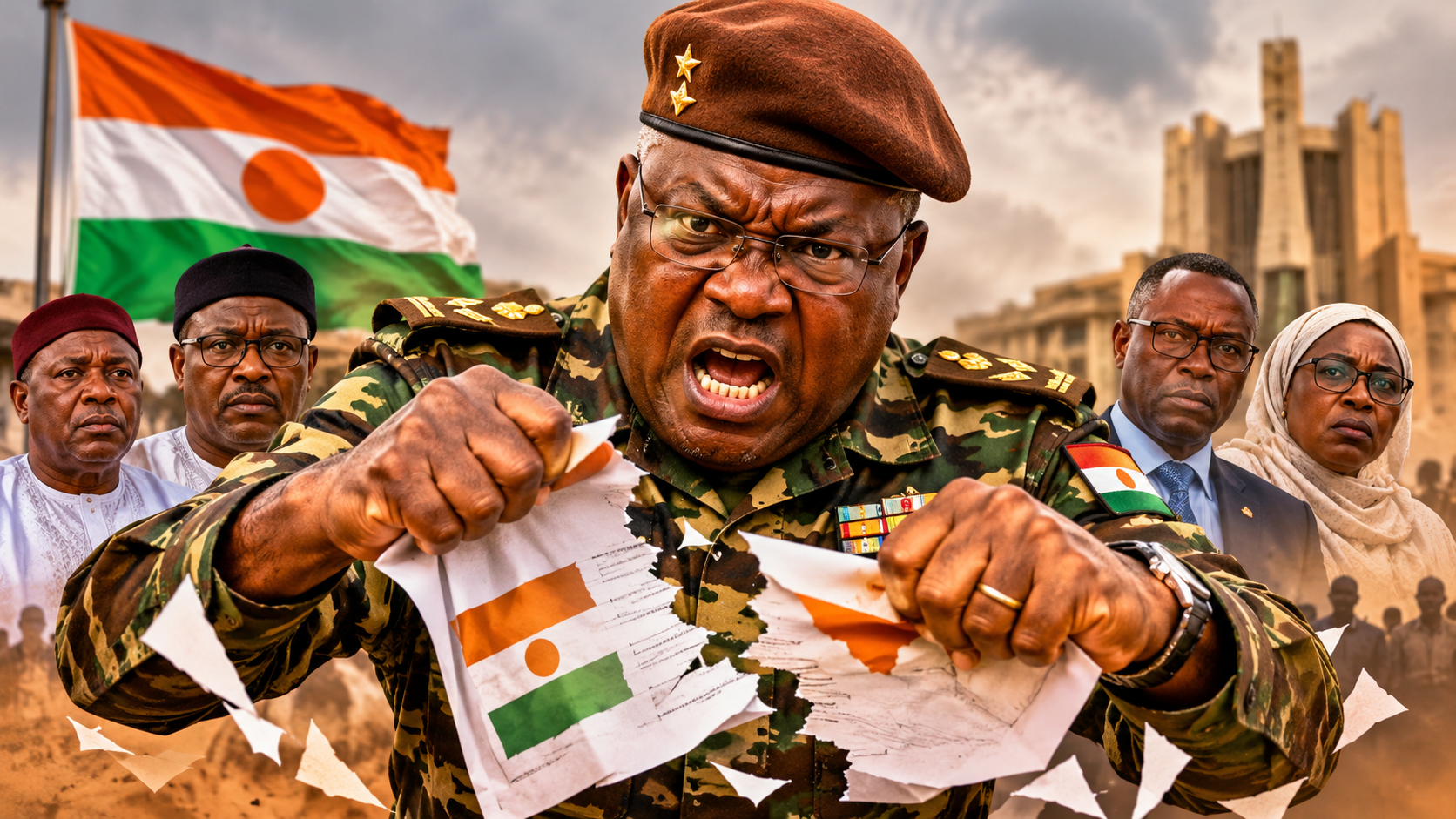
After the coup: a controversial law fueling political confrontations Since the July 2023 coup that ousted President Mohamed Bazoum, Niger’s military authorities have increasingly used citizenship revocation as a legal instrument against political opponents. The latest decree, signed by General Abdourahamane Tiani on September 17, 2026, strips five more individuals including former Prime Minister Ouhoumoudou Mahamadou of their Nigerien nationality, bringing the total to 25 since the policy’s introduction in October 2024. The move has intensified public debate over whether these actions are driven by genuine security concerns or political…

Read More

Cameroon’s anglophone crisis: how unresolved grievances fueled conflict

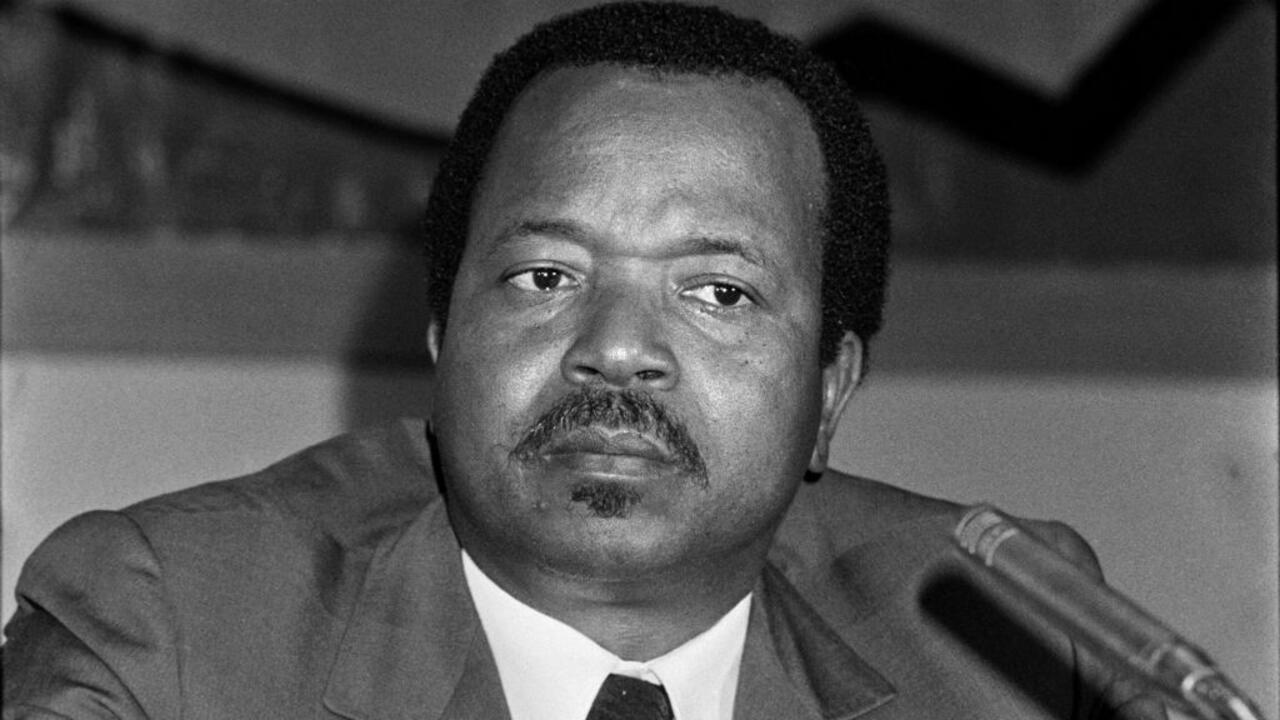
The unaddressed roots of Cameroon’s anglophone crisis Decades of unheeded warnings have shaped the trajectory of Cameroon’s anglophone crisis into a full-blown conflict. A prominent member of the Social Democratic Front (SDF), Dieudonné Chi, has publicly highlighted the government’s historical connection to the issue—underscoring how inaction transformed a long-standing grievance into a national emergency. According to Chi, President Paul Biya’s early career involvement in anglophone matters offers more than just context; it reveals a deep familiarity with the problem that later escalated under his leadership. The referendum of 1972: a…

Read More

Gabon’s hidden stakes behind the rise of iboga: Between ancestral wisdom and global demand

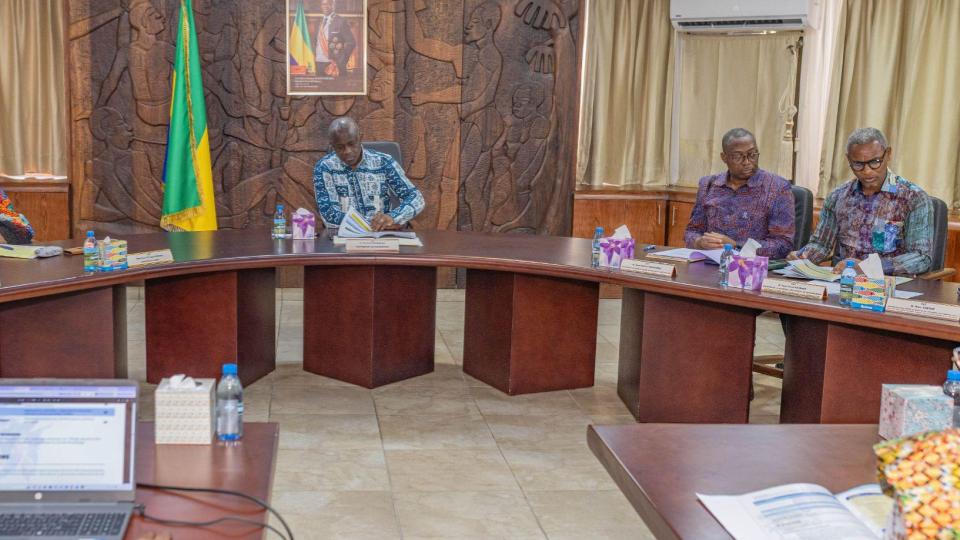
The Gabonese government’s recent decision to organize national iboga conferences in late 2026 wasn’t just a bureaucratic move—it revealed deeper tensions shaping the future of this sacred plant. During an interministerial meeting chaired by Vice-President Hermann Immongault, key figures delved into the challenges of transforming iboga from a local tradition into a regulated global resource under real Gabonese control. Minister of Youth, Sports, Cultural Radiance, and Arts Paul Ulrich Kessany presented the initiative, positioning it as an urgent response to the plant’s shifting role. Once confined to spiritual and ritual…

Read More

Behind the UN withdrawal from Western Sahara: what’s driving Morocco’s next moves

The termination of the United Nations Mission for the Referendum in Western Sahara (MINURSO) came as a shock to many, with the UN Security Council opting not to renew its mandate on October 30. Confirmation of the mission’s wind-down arrived on November 1, signaling the imminent departure of 359 civilian and military personnel—first deployed in 1991. The backdrop remains a half-century conflict: Morocco controls 80% of Western Sahara, while the Polisario Front, backed by Algeria, contests its sovereignty. Why the sudden end of MINURSO exposes deeper tensions The MINURSO withdrawal…

Read More

Paraguay’s president steps down amid Ueno Bank collapse and political turmoil

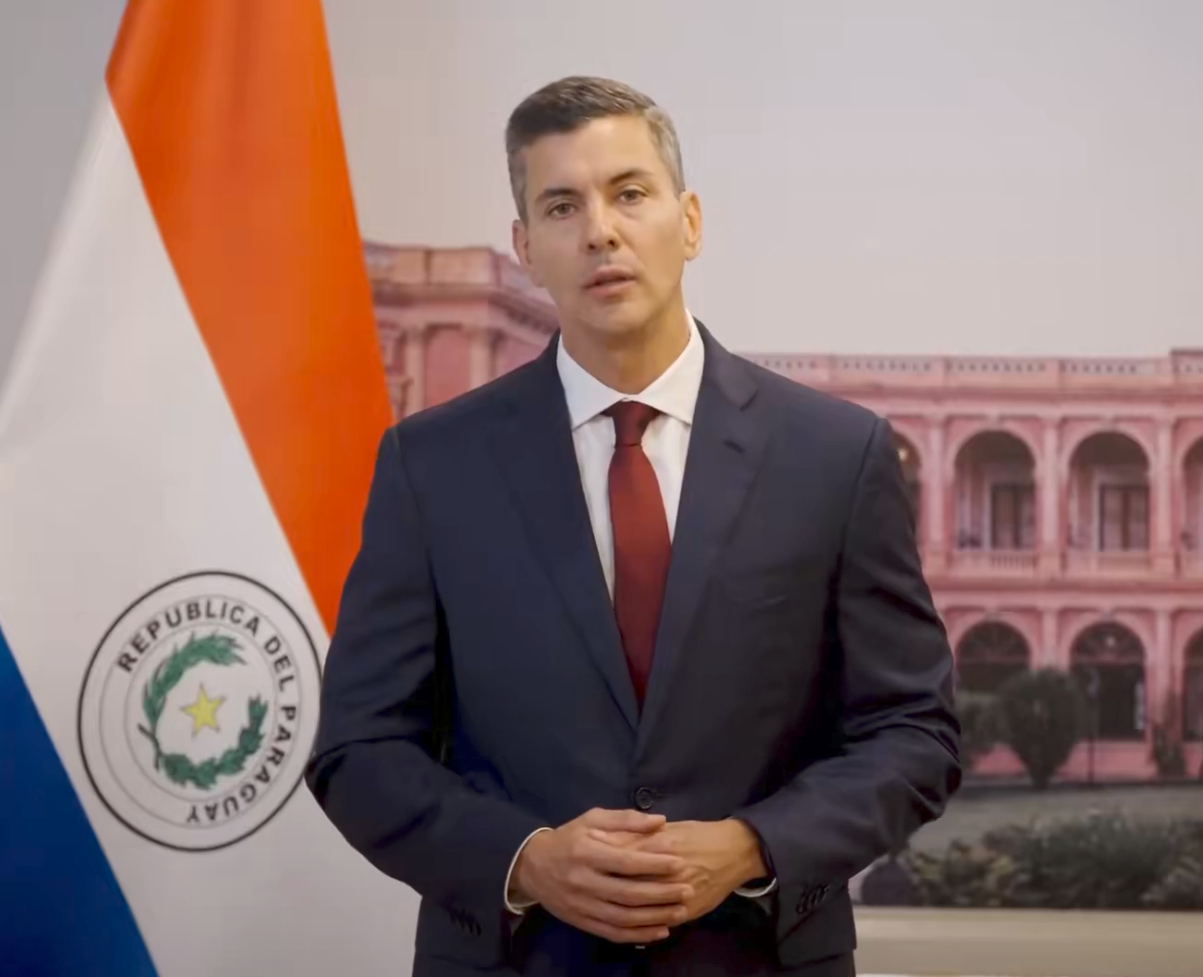
The breaking point: Santiago Peña resigns under pressure of financial and political storm Asunción, November 2026 — The collapse of Ueno Bank, a spiraling public outcry, and a looming impeachment process have forced Paraguayan President Santiago Peña to resign. His abrupt departure has left the nation grappling with deepening financial instability and a governance crisis, with millions of depositors still waiting to recover their savings. In a televised address, Peña announced his resignation, citing the need to preserve democratic institutions, social peace, and the country’s economic stability. « Today, I…

Read More

Behind the scenes: why Gabon and Guinea are betting on public sector transformation

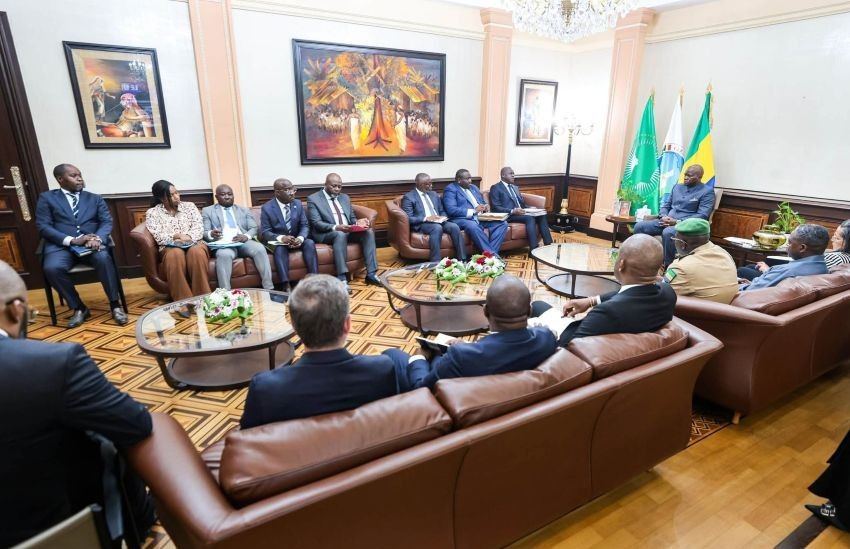
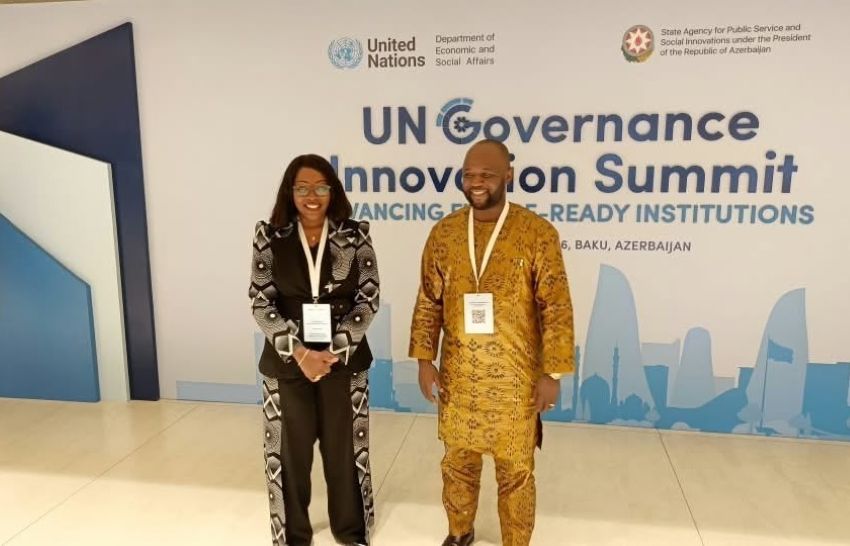
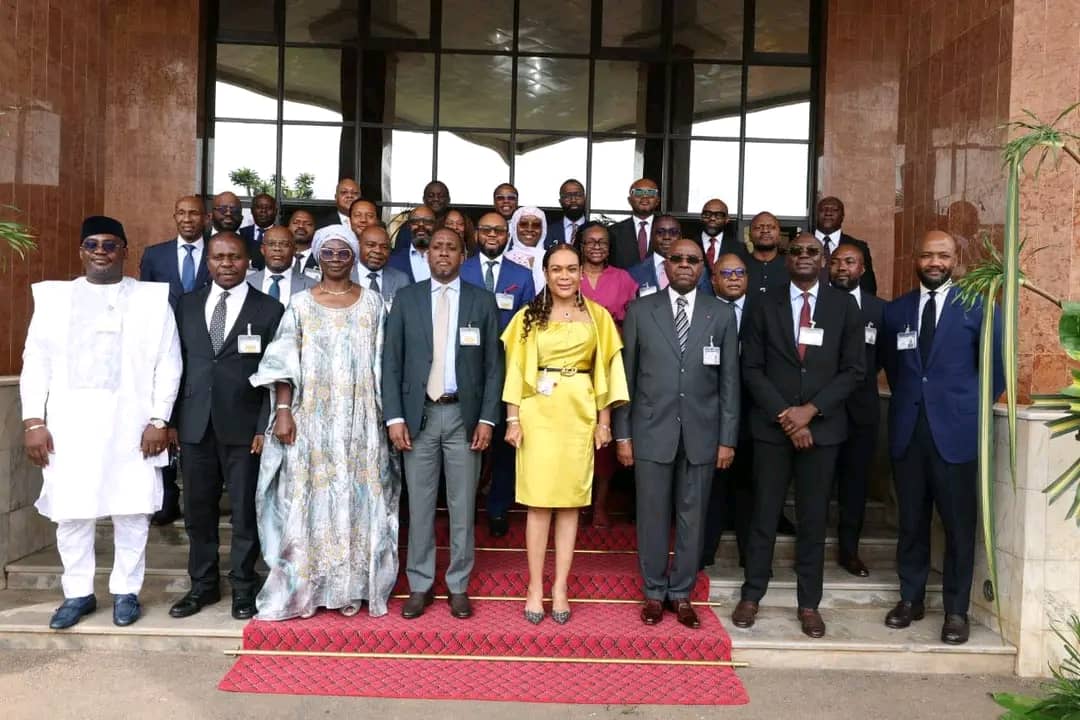
Baku, Azerbaijan — The push for modernizing Africa’s public administrations is gaining momentum, and Gabon and Guinea are leading the charge. On November 5, 2026, top officials from both countries met on the sidelines of the United Nations Summit on Governance Innovation to explore how digital reform, skill-building, and institutional restructuring can drive tangible change. This behind-the-scenes collaboration reveals deeper patterns in West-Central African governance reform, where leaders are quietly rethinking how state institutions engage with citizens. What’s driving this shift? For decades, public administrations in Gabon and Guinea have…

Read More

Cameroon and Equatorial Guinea align strategies for Yoyo-Yolanda gas field unit operations

The behind-the-scenes dynamics driving Cameroon and Equatorial Guinea’s collaborative approach to shared gas resources took a decisive step forward in Yaoundé. Unpacking the strategic positioning ahead of Chevron negotiations The National Hydrocarbons Corporation (SNH) in Yaoundé played host to a pivotal bilateral meeting on November 4, 2026. The session brought together Cameroonian and Equatorial Guinean delegations to finalize their joint position on the Unit Operations Agreement (AOU) for the cross-border Yoyo-Yolanda gas fields. This alignment paves the way for upcoming discussions with Chevron, the project’s key partner. Nathalie Moudiki, Senior…

Read More

Niger at the crossroads: regional powers scramble for influence as alliances shift

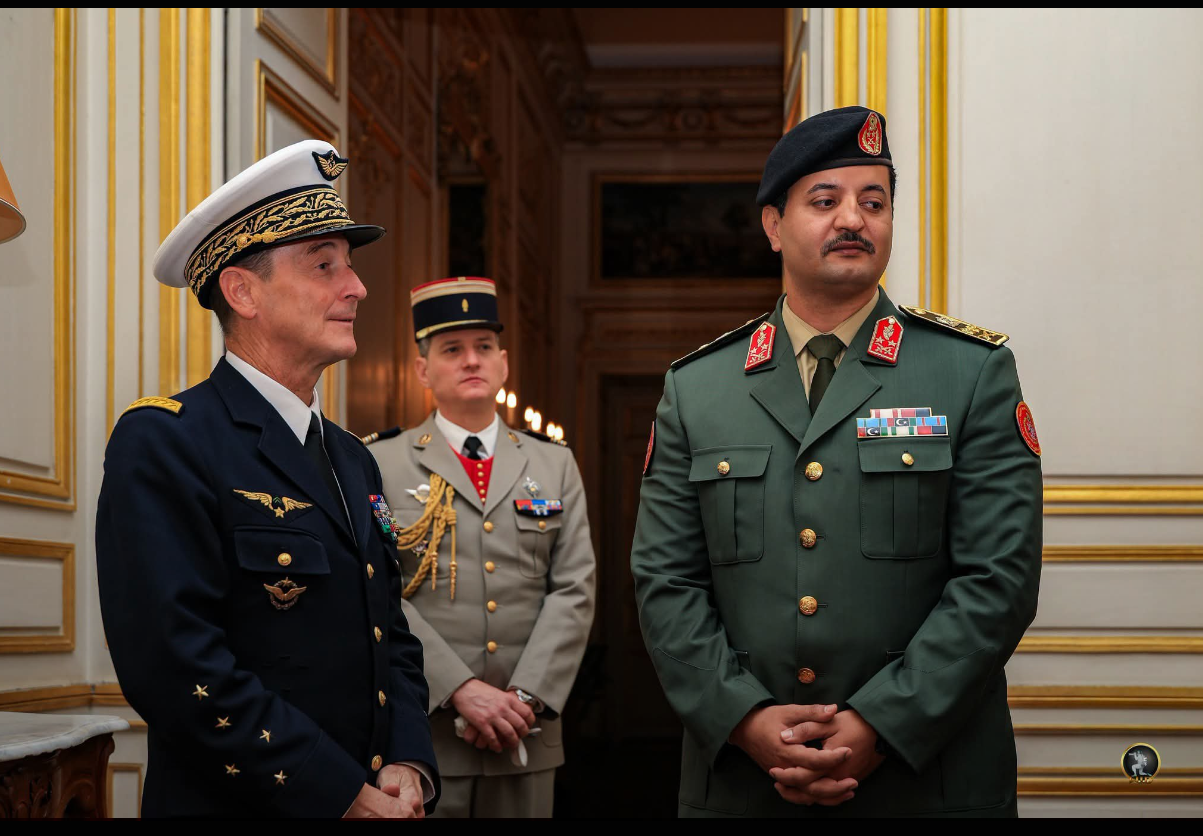
Sahel power play: geopolitical shifts spark intense debate across the region In the past week, a flurry of diplomatic and military maneuvers from Benghazi to Paris has thrust Niger into the spotlight as a critical battleground for influence in the Sahel. The rapid succession of high-level meetings and agreements suggests that the country is no longer just a passive player in regional security dynamics, but a central node in a rapidly evolving geopolitical chessboard where old alliances fray and new ones take shape. From unexpected visits to strategic partnerships, the…

Read More