Global tensions rise: why governments urge citizens to stockpile essentials now

The shifting landscape of preparedness: governments push for emergency reserves Nations across Europe, the Middle East, and Asia are recalibrating their approach to public safety, increasingly urging citizens to build personal reserves of food, water, and medical supplies. This shift reflects growing alarm over geopolitical tensions that could disrupt daily life without warning—from cyberattacks on critical infrastructure to regional conflicts threatening supply chains. Europe tightens its emergency playbook The urgency is palpable in Europe, where governments are no longer treating disaster preparedness as just a household precaution. In late 2026,…

Read More

Niger drone strike controversy: diplomatic tensions rise amid unproven accusations against France

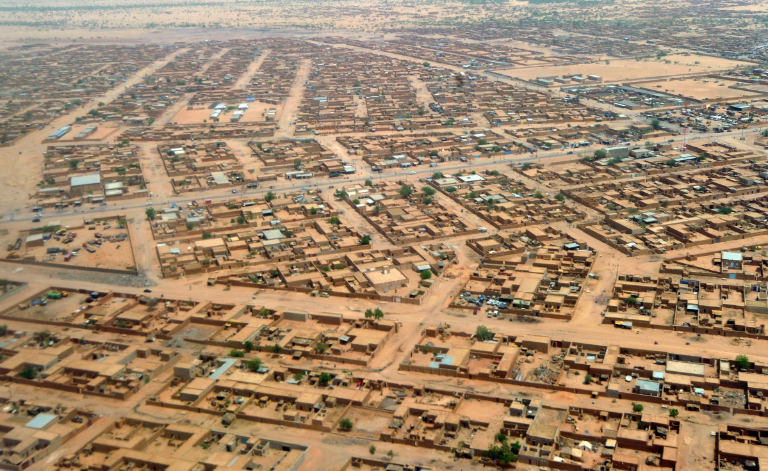
The fallout intensifies: Niger’s unproven accusations spark regional debate Following a deadly drone strike in northern Niger that killed two civilians, the military junta in Niamey has publicly accused Chad and France of involvement—yet no tangible evidence has been presented to support these claims. The allegations have strained relations in a region already grappling with security and political instability, leaving critical questions unanswered about the attack’s origins and accountability. What do Niger’s accusations against France and Chad actually entail? The October 24 drone strike in the Emi Lulu area of…

Read More

Brazil election aftermath: Flávio Bolsonaro challenges Lula’s victory amid legal and political uncertainty

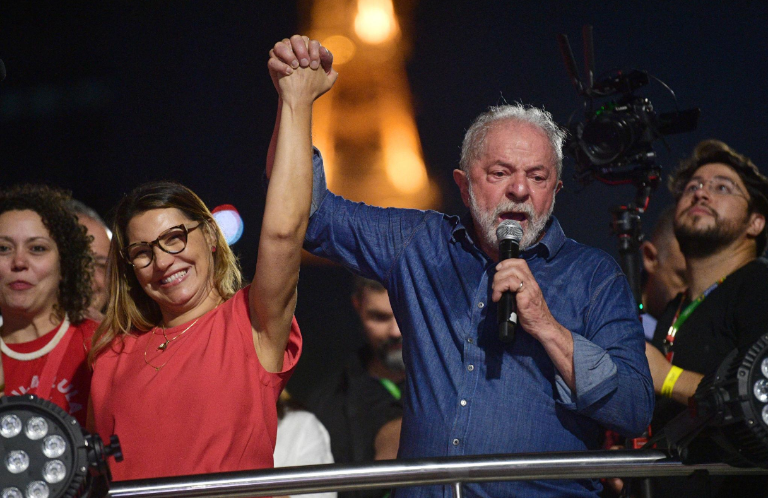
Brazil’s political landscape remains in turmoil after Luiz Inácio Lula da Silva secured a historic fourth term as president, but his victory is already under fire from rival Flávio Bolsonaro. The right-wing senator has launched a legal challenge, alleging irregularities in the election process and demanding the results be annulled. As the nation grapples with the fallout, the debate over the election’s fairness and the future of Brazilian democracy intensifies. The contested victory and the legal battle ahead Final official results confirm Lula’s narrow but decisive win, with 51.79% of…

Read More

Cameroon’s missing vice president: how succession fears shape Paul Biya’s decisions

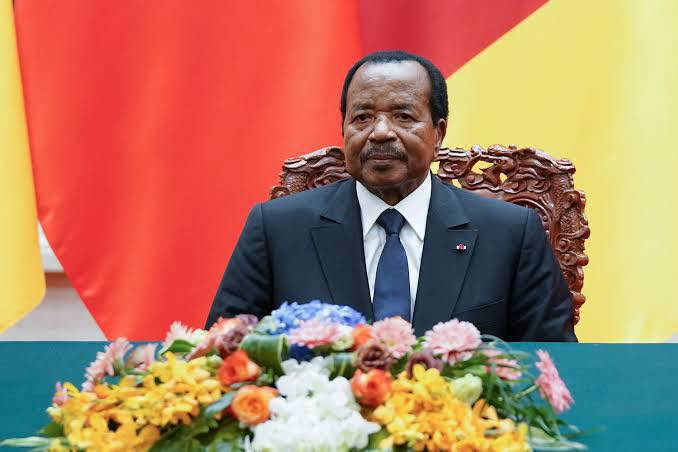
The reintroduction of the vice-presidency in Cameroon’s constitution has created unexpected challenges for President Paul Biya, beyond the usual political calculations. Behind the prolonged vacancy of this crucial position lies a deeper concern: the president’s unease over the constitutional reforms that grant the vice-president a decisive role in declaring his permanent incapacity to govern. Behind the constitutional change: a vice-presidency with unprecedented powers In April [current year], Cameroon amended its constitution to reintroduce the vice-presidency—a move that, on the surface, was intended to strengthen institutional continuity. Yet this reform carries…

Read More

Gabon’s transition leader demands answers from BW Energy amid Prospector 5 crisis

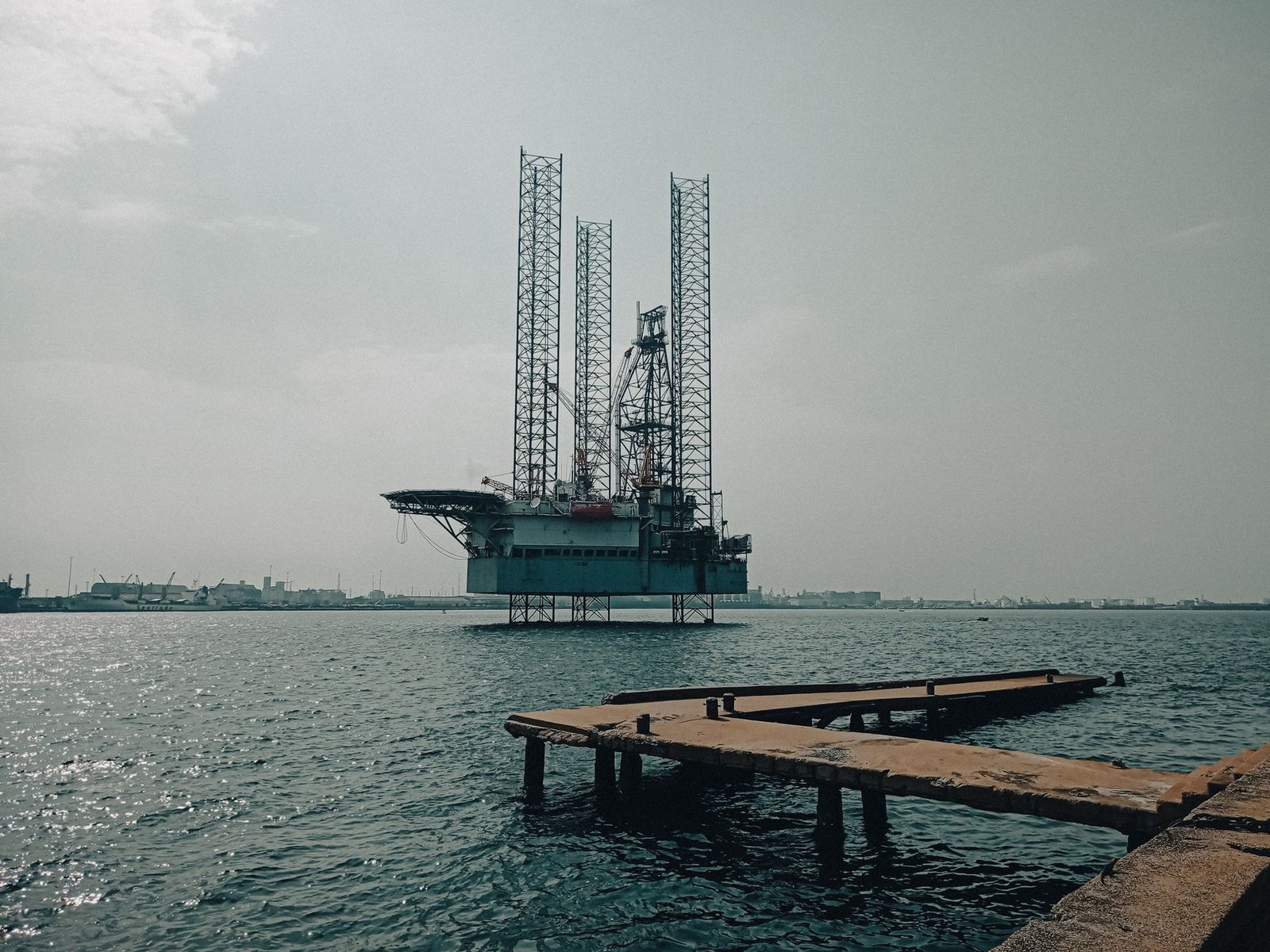
Gabonese leader Brice Oligui Nguema has taken the unusual step of publicly confronting BW Energy, the Norwegian oil company operating the country’s Dussafu offshore field, following the Prospector 5 vessel’s sinking. By personally holding the firm accountable, the transitional president is not merely addressing a maritime accident but reshaping Gabon’s relationship with foreign investors—signaling a shift toward state-led oversight of high-stakes industrial incidents. The president’s move reveals deeper shifts in Gabon’s energy governance The direct public intervention marks a clear departure from Gabon’s previous hands-off approach to hydrocarbon sector relations.…

Read More

Gabon ends social media blackout after prolonged internet restrictions

Gabon ends social media blackout after prolonged internet restrictions After more than eight months of stringent digital restrictions, Gabon has officially lifted its blanket ban on social media platforms. The decision, announced by the High Authority for Communication (HAC), marks a significant shift in the country’s online policy landscape. But what led to this prolonged isolation—and what does its reversal reveal about Gabon’s digital future? The legal and political backdrop behind the shutdown Gabon’s social media blackout, which began in February of this year, was imposed under the pretext of…

Read More

Behind the scenes: how Libreville’s digital week shapes Gabon’s tech future

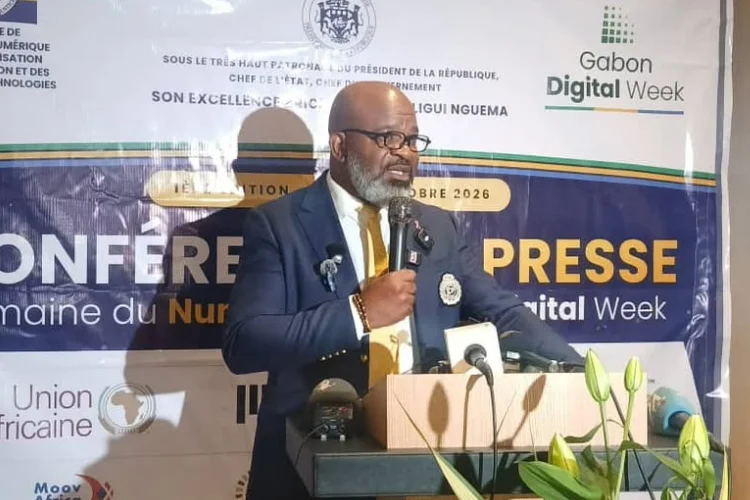
Gabon’s strategic push for digital sovereignty unfolds in Libreville Libreville’s upcoming Gabon Digital Week, running from 26 to 30 October 2025, isn’t just another tech event—it’s a carefully orchestrated response to deep structural challenges in Gabon’s digital economy. The initiative, convened under the direct patronage of President Brice Clotaire Oligui Nguema, signals a pivot toward national digital self-reliance through policy action, infrastructure breakthroughs, and youth integration. The policy engine driving digital transformation The gathering at the Palais des Congrès will serve as the platform for unveiling Gabon’s national digitalization roadmap.…

Read More

Hidden cash flows: how eastern DRC’s black market beer trade fuels armed factions

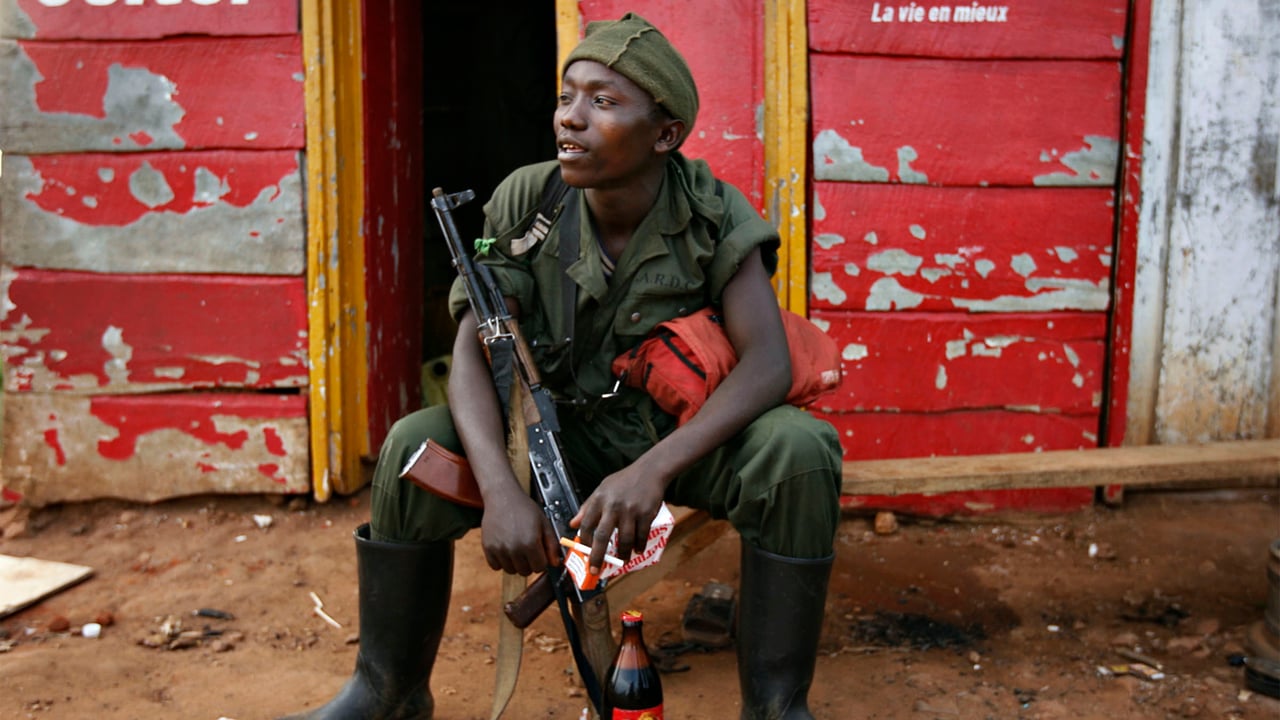
The hidden economy fueling armed groups in eastern Democratic Republic of the Congo (DRC) operates in plain sight. Among its most lucrative yet overlooked revenue streams is the illicit beer trade—a sector both communities and factions have exploited for decades. Recent investigations reveal how the Armed Forces of Congo/Movement of March 23 (AFC/M23) leveraged this shadow industry to sustain and expand their operations, embedding themselves deeper into the region’s fragile economic fabric. Decoding the mechanics behind black market beer profits The system thrives on a combination of weak governance, porous…

Read More

Gabon’s hidden struggles with bureaucratic inefficiency and China’s behind-the-scenes solution

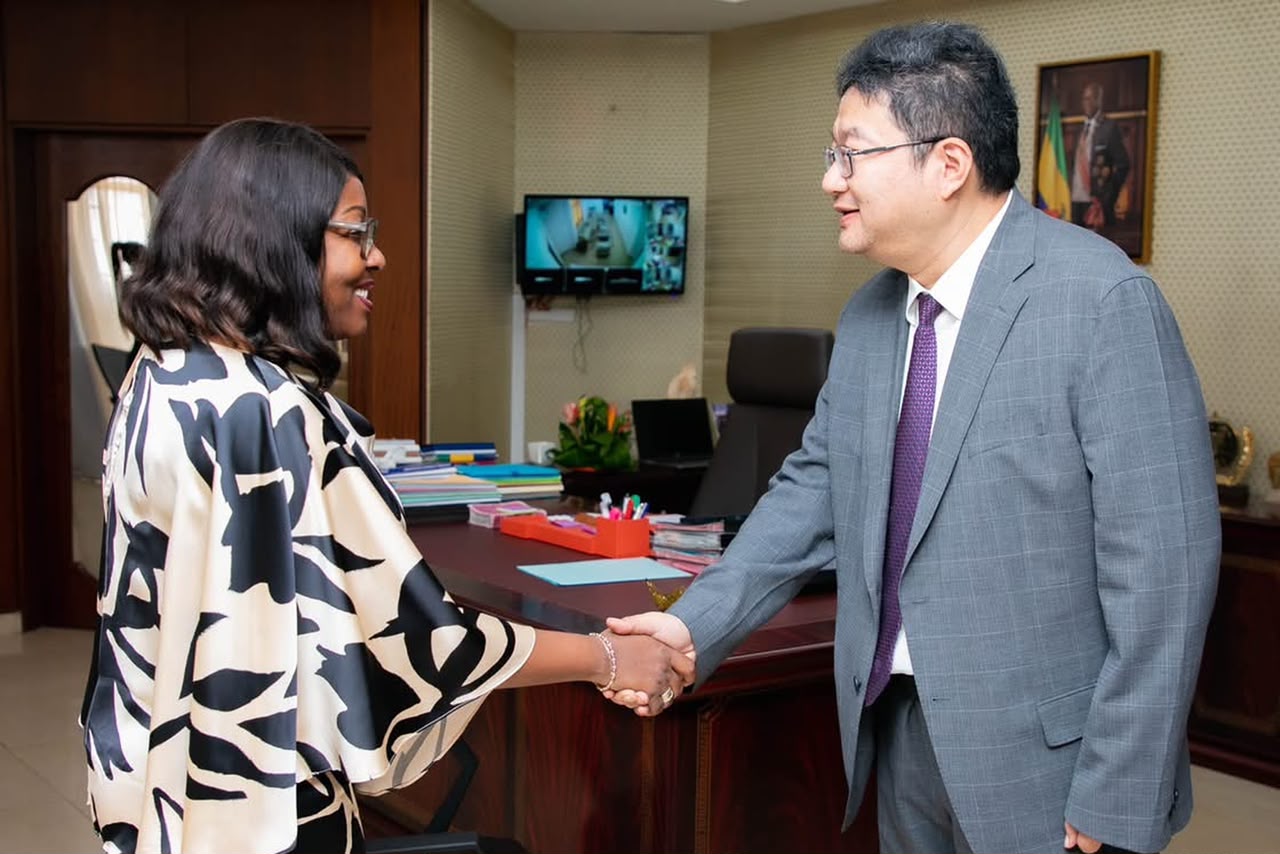
Why Gabon is turning to China for a silent revolution in public governance Behind closed doors in Libreville, a quiet but strategic shift is unfolding. On October 21, 2026, Gabon’s Minister of Public Service and Capacity Building, Laurence Ndong, welcomed China’s Ambassador to Gabon, Zhou Ping, not for another infrastructure deal, but to lay the groundwork for a behind-the-scenes overhaul of Gabonian public administration. While infrastructure cooperation has dominated headlines, this initiative signals something deeper: Gabon is seeking not just foreign funds, but tangible institutional expertise to break free from…

Read More

African lives lost in Ukraine war spark outrage and calls for accountability

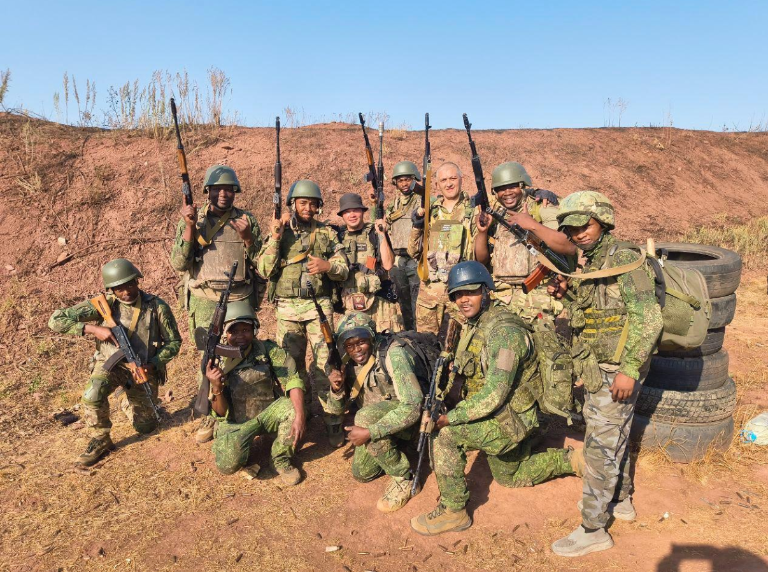
The death of Cameroonian sambo champion William Célestin Fokam on Ukraine’s battlefield has ignited a continent-wide debate. At 41, his fatal deployment under Russian command exposes a grim reality: a growing number of Africans are dying in a war far from home, raising urgent questions about recruitment practices and the human cost of foreign conflicts. Fokam, a celebrated athlete who claimed African sambo titles in 2022 and 2023, traveled to Russia for a sports competition—only to end up on the front lines. His story is not unique. Investigations reveal a…

Read More

Ukraine’s ceasefire offer sparks debate over sovereignty and next steps

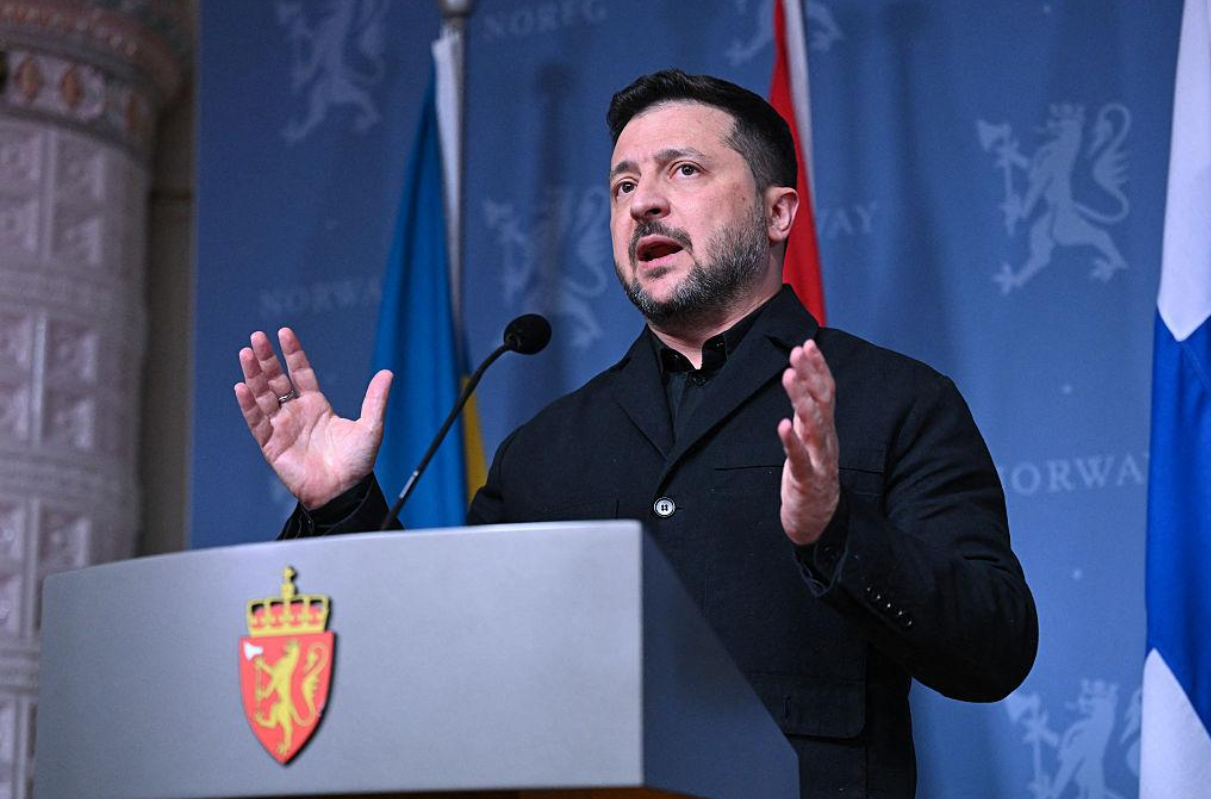
The global reaction to Ukrainian President Volodymyr Zelensky’s announcement of a potential frontline freeze has been swift, sparking intense debate over the future of the conflict and the feasibility of peace. On 21 October 2026, Zelensky declared Ukraine’s readiness to halt fighting along current military positions, paving the way for discussions on security guarantees with Washington and European capitals. Yet, in a follow-up interview with CNN the next day, he firmly ruled out territorial concessions, making it clear that any truce would not equate to recognising Russian control over occupied…

Read More

Uncovering the hidden forces shaping the Congo river’s sovereignty debate at Luanda’s biennale

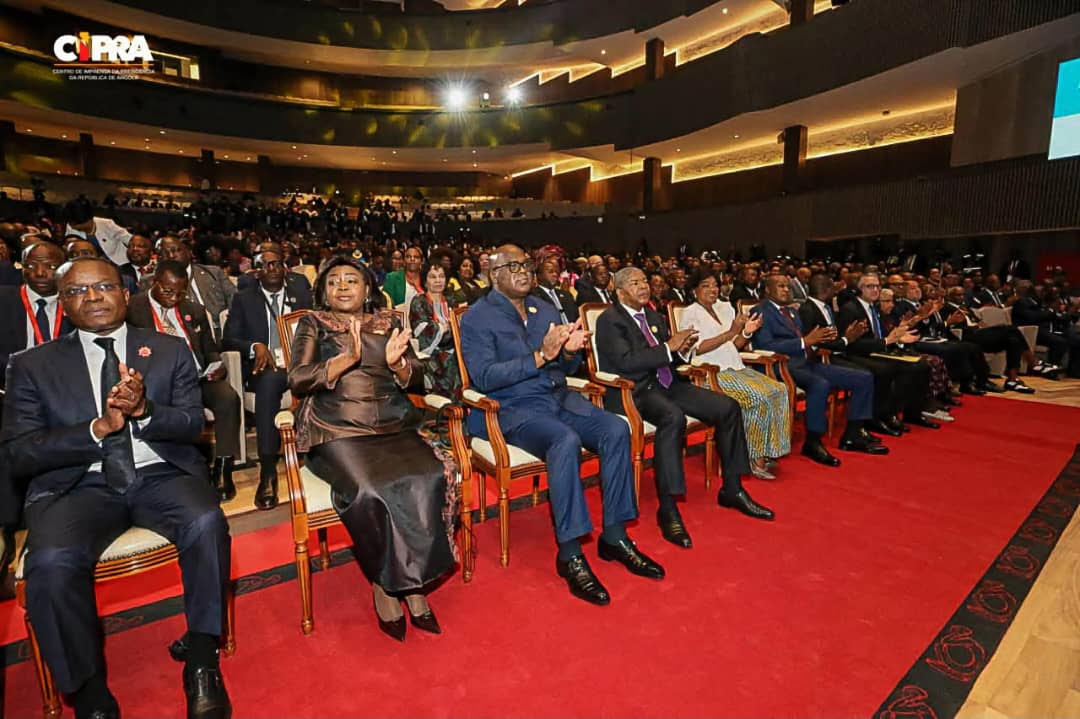
The Unseen Tides Behind the Congo River’s Sovereignty Struggle The fourth edition of the Luanda Biennale in October 2026 gathered African leaders under the theme of water governance as a tool for conflict prevention and resolution. Among the delegates, Félix-Antoine Tshisekedi Tshilombo, President of the Democratic Republic of Congo (DRC), delivered a keynote address that peeled back the layers of water diplomacy in Africa, exposing the tensions between national authority, regional collaboration, and ecological survival. His remarks at the UNESCO and African Union-backed summit were not merely diplomatic formalities—they laid…

Read More